Archive / page 58 of 123

Latest articles, page 58

  1. Context Structuring and Attention Placement in Long-Context LLMs: Mitigating Position Bias, Attention Dispersion, and Information Loss in Production

    Context Structuring and Attention Placement in Long-Context LLMs: Mitigating Position Bias, Attention Dispersion, and Information Loss in Production Modern foundation models support context windows ranging from 128,000 to over 2,000,000 tokens. Serving runtimes and API gateways routinely process entire codebases, multi-year financial statements, and sprawling legal filings in a single inference call. However, supporting a nominal sequence length does not guarantee that a transformer can effecti

    Architecture
    8 min read
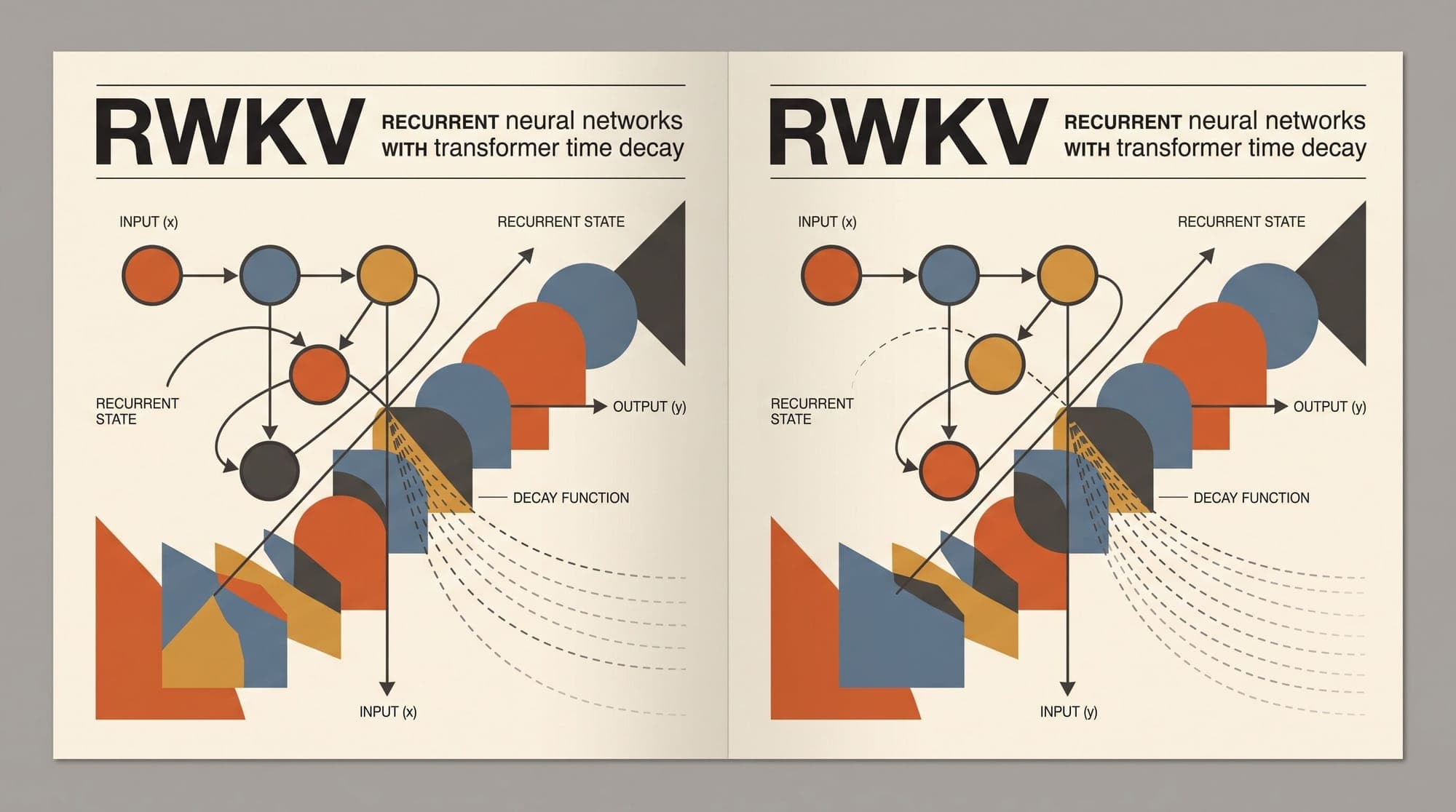
  2. RWKV Architecture: How Receptance Weighted Key Value Decay Combines RNN Efficiency with Transformer Parallelizability

    The dominant paradigm in natural language processing relies on the Transformer architecture, which calculates scaled dot-product self-attention across all token pairs in a sequence. While self-attention provides strong in-context retrieval and representation capacity, it imposes quadratic computational and memory complexity, scaling as O(N^2) with sequence length N during training and generating a continuously expanding Key-Value (KV) cache during autoregressive inference. Traditional Recurrent

    AI
    7 min read
  3. Continuous Evaluation and Golden Dataset Curation in Production LLM Systems: Architecture, Log Mining, Synthetic Perturbation, and Semantic Drift Quality Gates

    Continuous Evaluation and Golden Dataset Curation in Production LLM Systems: Architecture, Log Mining, Synthetic Perturbation, and Semantic Drift Quality Gates In production machine learning systems, offline benchmarks suffer from rapid entropy. While engineering teams frequently launch LLM applications backed by static test suites (curated CSVs of 50 to 100 sample prompts, academic benchmarks like MMLU, or synthetic question-answer pairs), these static datasets fail to predict real-world produ

    AI
    7 min read
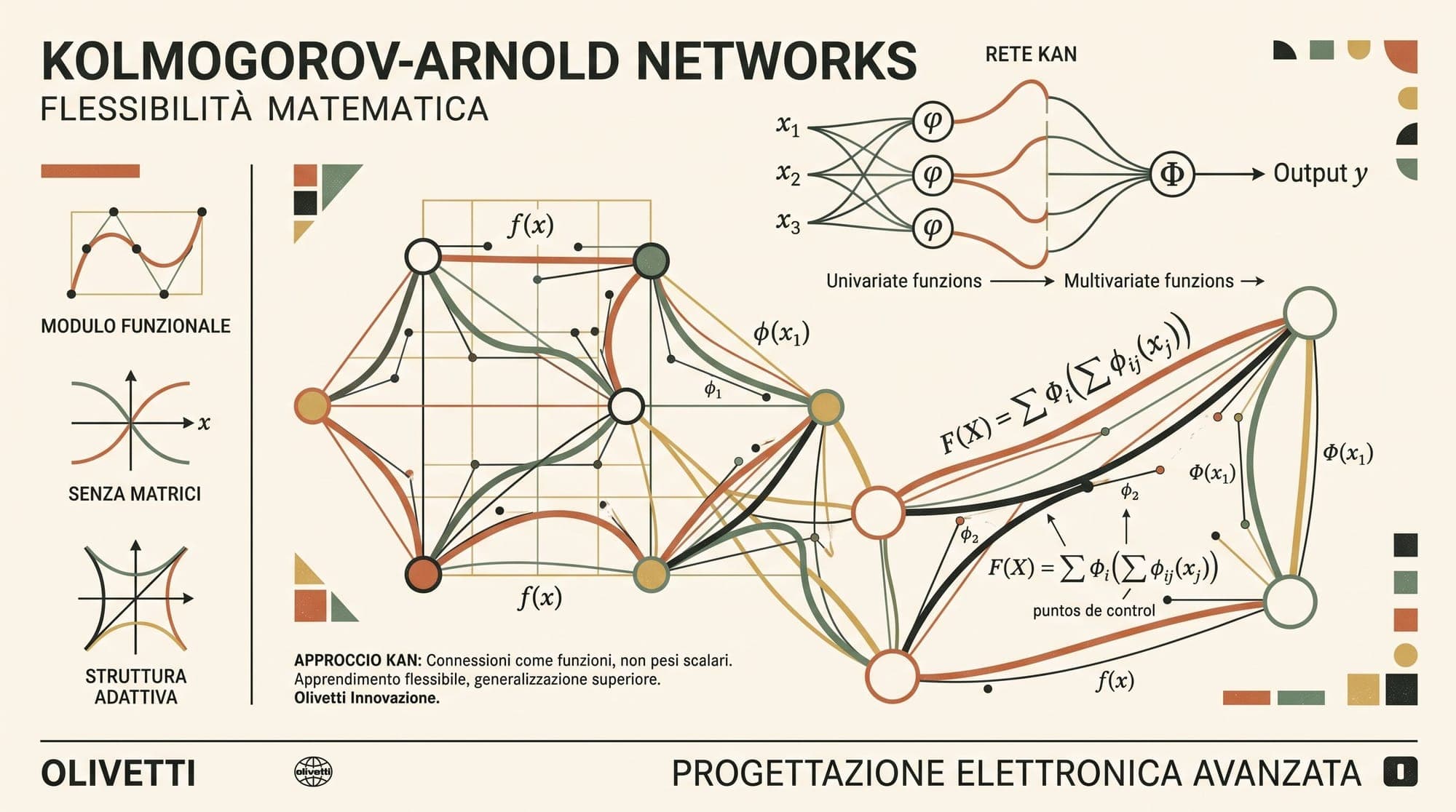
  4. Kolmogorov-Arnold Networks: How Learnable Edge Splines Challenge the Multi-Layer Perceptron

    Kolmogorov-Arnold Networks: How Learnable Edge Splines Challenge the Multi-Layer Perceptron For over three decades, the foundational building block of deep neural networks has remained essentially unchanged: the Multi-Layer Perceptron (MLP). In standard transformer feed-forward blocks, convolutional networks, and deep classifiers, MLPs alternate linear matrix multiplications ($\mathbf{W}\mathbf{x}$) with fixed, point-wise non-linear activation functions (such as ReLU, GELU, or SwiGLU). Under th

    Explainers
    9 min read
  5. Sam Altman Warns AI Safety Fears Could Drive Regulatory Concentration and Limit Liberty

    OpenAI Chief Executive Officer Sam Altman warned that public anxiety surrounding artificial intelligence risks could lead policymakers and citizens to accept heavy regulatory controls that concentrate technology in the hands of a few dominant corporations. Speaking on the balance between AI safety and technological freedom, Altman noted that extreme risk narratives risk driving society toward centralized oversight. He argued that throughout technological history, trading substantial individual

    AI
    2 min read
  6. Trump Defends AI Data Center Expansion as Local Resistance Grows

    In a broadcast interview on Sunday, President Donald Trump defended the rapid expansion of artificial intelligence data centers across the United States, characterizing municipal and community opposition to new facilities as a significant economic mistake. Speaking on 77 WABC with Michael Cohen, Trump argued that high-density computing infrastructure provides essential local tax revenue, construction employment, and high-tech economic activity. Addressing concerns regarding regional electricity

    AI
    2 min read
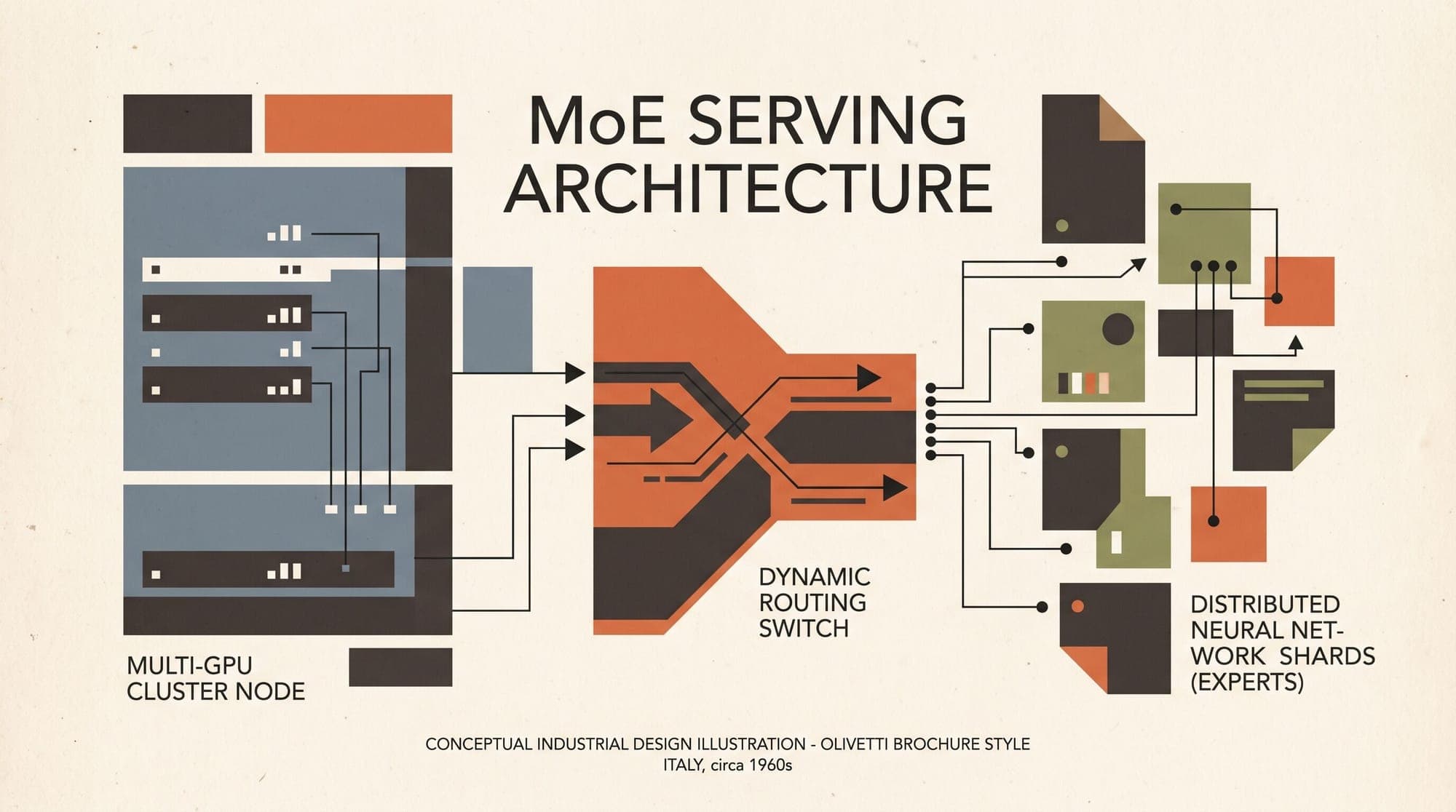
  7. Serving Mixture-of-Experts Models in Production: Architecture, Distributed Parallelism, All-to-All Bottlenecks, and Serving Economics

    Serving Mixture-of-Experts Models in Production: Architecture, Distributed Parallelism, All-to-All Bottlenecks, and Serving Economics Mixture-of-Experts (MoE) architectures have become the standard structural paradigm for frontier open-weight and proprietary large language models. Architectures such as DeepSeek-V3, Mixtral 8x22B, and GLM-5 deliver frontier-grade reasoning and generation by activating only a fraction of their total parameter count on any given token. For example, DeepSeek-V3 rou

    AI
    8 min read
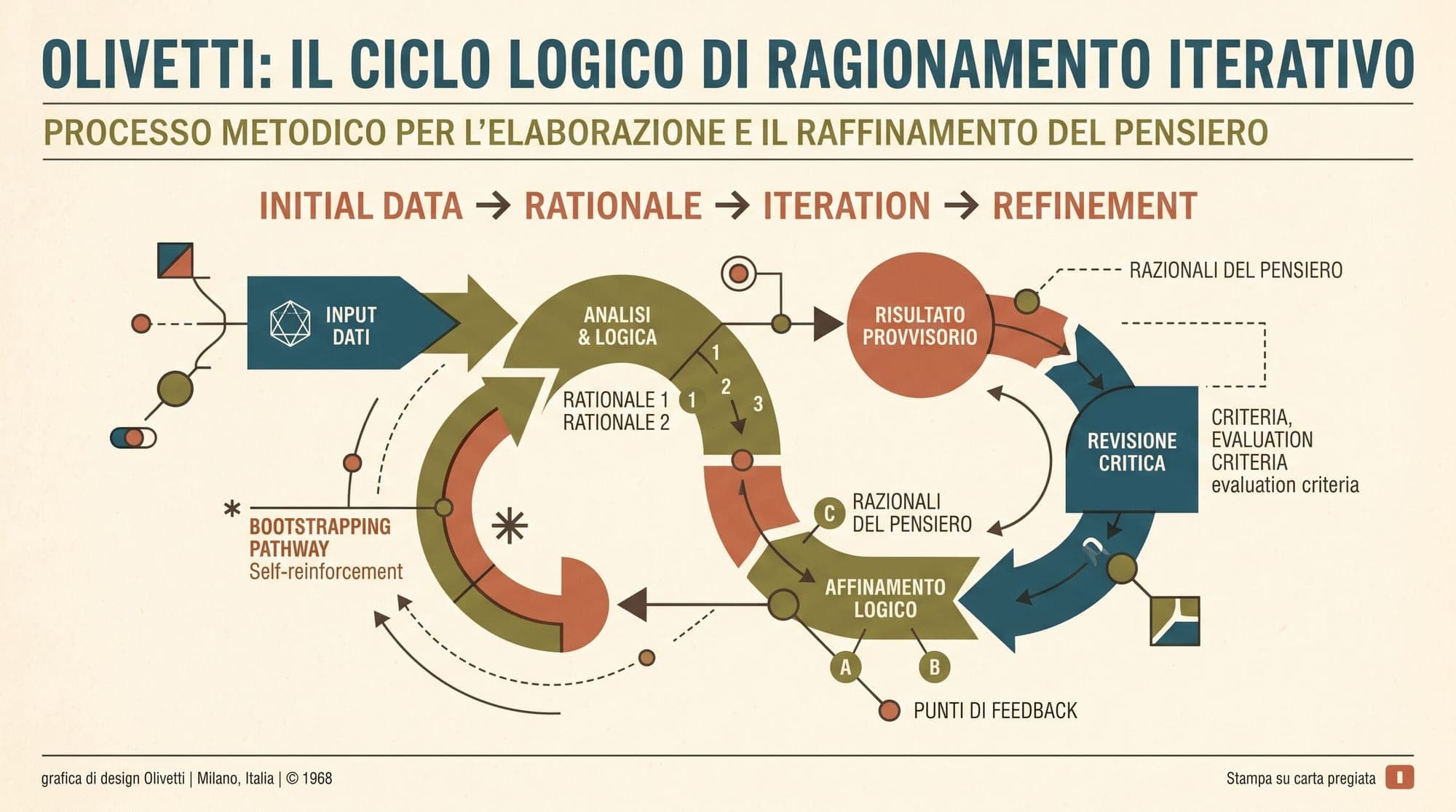
  8. The Self-Taught Reasoner (STaR): How Iterative Rationale Bootstrapping and Rationalization Scale LLM Problem Solving

    Autoregressive language models often fail when forced to predict answers to multi-step reasoning problems in a single forward pass. Intermediate chain-of-thought generation allows models to allocate additional compute to difficult reasoning steps before emitting a final prediction. However, obtaining high-quality intermediate reasoning traces has traditionally presented a difficult trade-off: either rely on small prompt-based few-shot demonstrations that underperform fine-tuned models, or constr

    AI
    4 min read
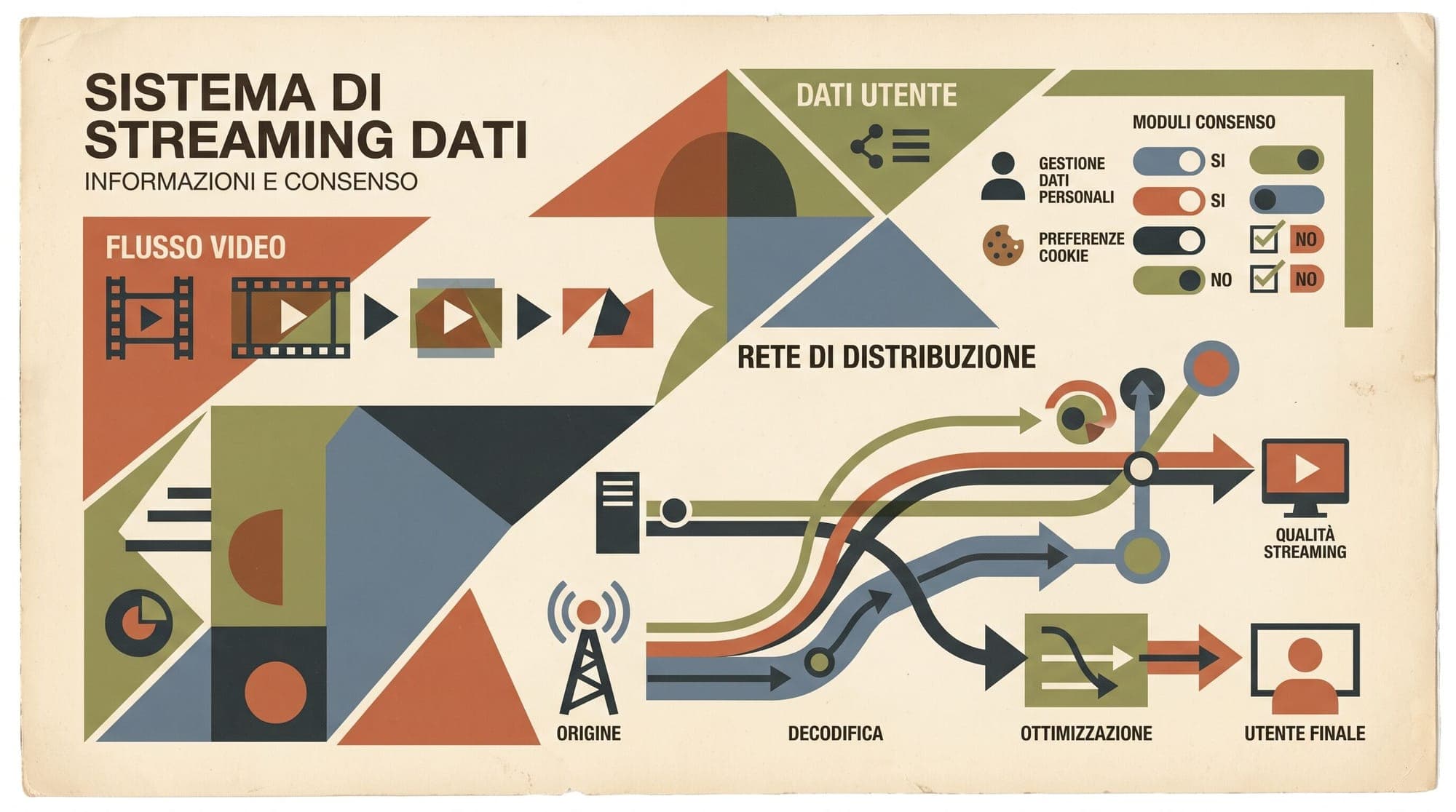
  9. Amazon and Twitch Face Class-Action Lawsuit Over AI Model Training on Creator Streams

    A proposed class-action lawsuit filed against Amazon and its livestreaming subsidiary Twitch alleges the companies systematically harvested millions of hours of creator video, audio, and chat logs since 2024 to train generative AI models without creator consent or financial compensation. The complaint, filed on August 20, 2026, in the US District Court for the Northern District of California by streamer Warren Pandiscia, alleges breach of contract, unjust enrichment, and unfair business practic

    AI
    2 min read
  10. Samsung Approves Record $80 Billion Shareholder Return on AI Memory Demand

    The board of directors at Samsung Electronics approved a shareholder return program estimated between 90 trillion and 110 trillion Korean won (approximately $65 billion to $80 billion USD), marking the largest capital distribution plan in South Korean corporate history. The payout is funded by expanding cash reserves generated from high-bandwidth memory (HBM) and conventional DRAM shipments tied to global AI infrastructure spending. Under the approved framework, approximately 30 trillion won wi

    AI
    2 min read