Archive / page 59 of 123

Latest articles, page 59

  1. ShipHero Deploys Claude Mythos for $10,000 Codebase Audit as AI Challenges Traditional Pentesting

    Aaron Rubin, founder and chief executive of logistics software provider ShipHero, deployed Anthropic's restricted cybersecurity model Claude Mythos across his company's codebase in an automated security audit that cost approximately $10,000 and finished in 10 hours. Rubin reported that the model outperformed conventional third-party penetration testing firms on both cost efficiency and vulnerability discovery rate. ShipHero provides warehouse management software (WMS) that handles one in every
    AI
    2 min read
  2. Prompt Caching Across Cloud LLM Providers: Architecture, TTL Lifecycles, and Economic Break-Even for Anthropic, OpenAI, Gemini, and DeepSeek

    The primary latency and computational bottleneck in large language model inference is the prefill phase. When an application submits a request containing thousands of tokens of static system instructions, OpenAPI tool schemas, few-shot demonstrations, and retrieved document context, the inference server must process all input tokens through every transformer layer before generating the first output token. In high-concurrency production environments, repeating this full forward pass across identi

    LLM
    8 min read
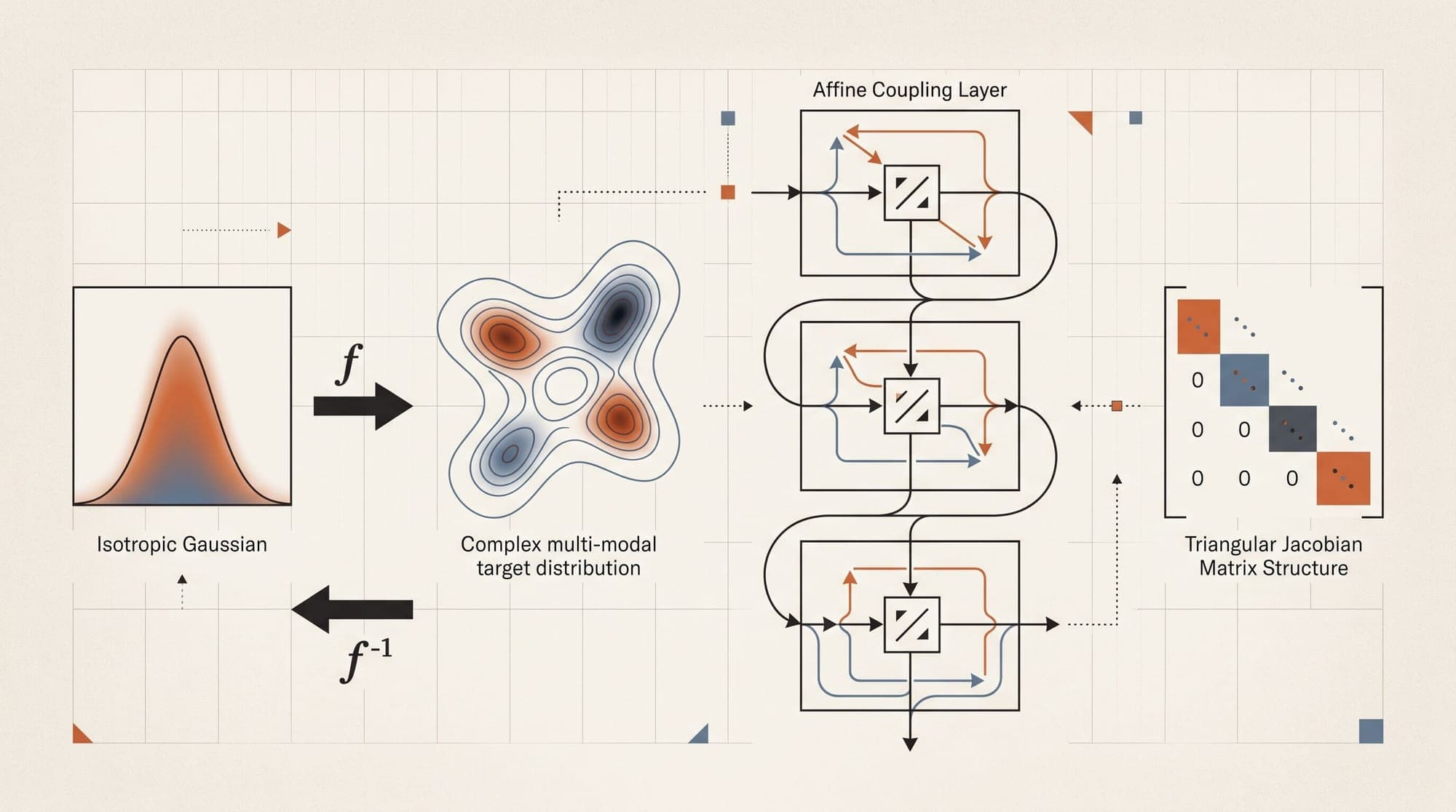
  3. Normalizing Flows and Real NVP: How Invertible Neural Networks and Triangular Jacobians Compute Exact Log-Likelihoods

    Normalizing Flows and Real NVP: How Invertible Neural Networks and Triangular Jacobians Compute Exact Log-Likelihoods Generative modeling in deep learning revolves around a fundamental question: how can a neural network learn to transform a simple, analytically tractable probability distribution into a complex, high-dimensional empirical data distribution? Over the past decade, four primary generative modeling paradigms have emerged to address this challenge: 1. Generative Adversarial Networ

    AI
    15 min read
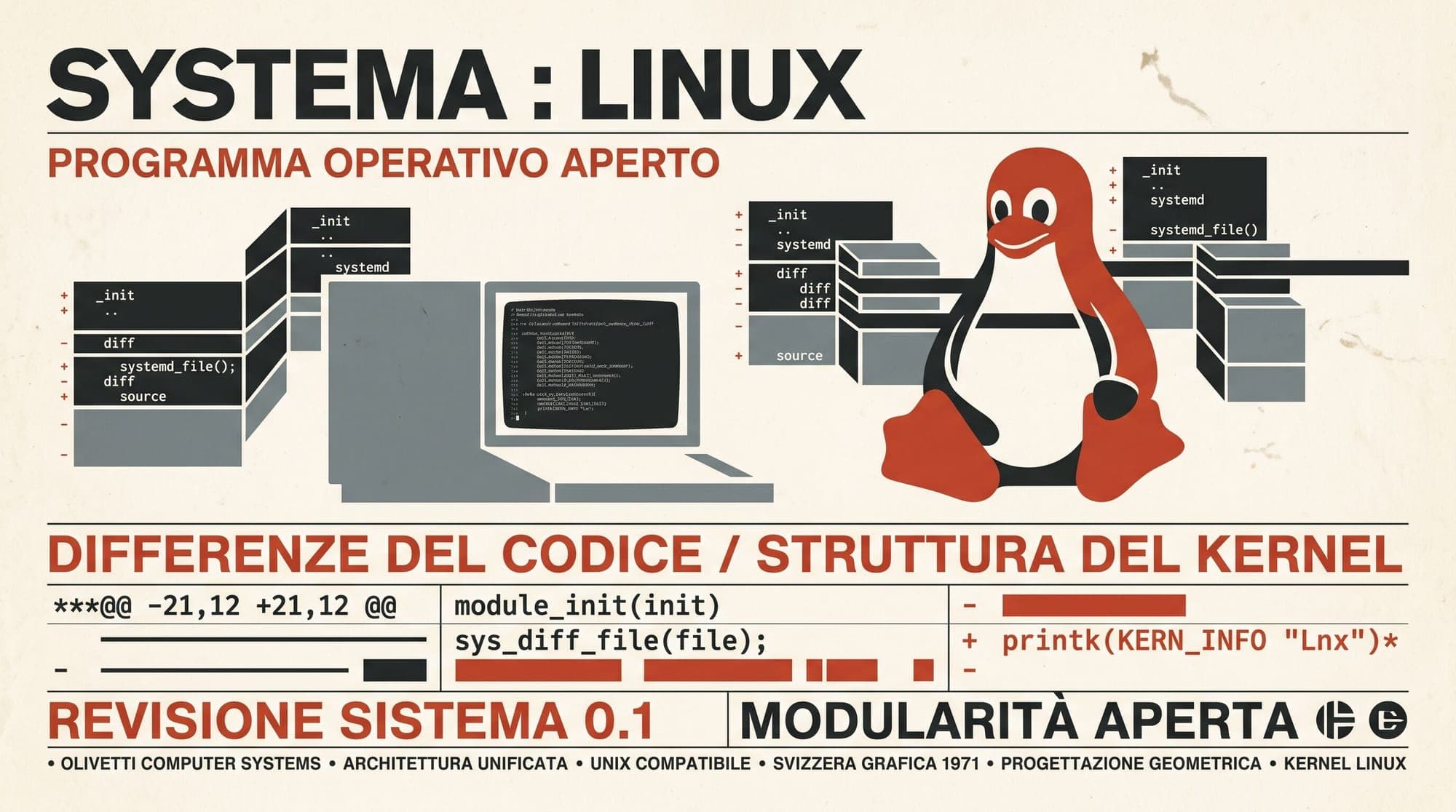
  4. Linus Torvalds Credits AI in Linux Kernel Commit After 24-Patch Driver Debug Session

    In a notable public milestone for AI-assisted systems programming, Linux creator Linus Torvalds credited an artificial intelligence model with doing the heavy analytical work during an intensive driver debugging session, allowing the model to author the commit message merged into the upstream kernel. The commit, titled drm/xe: Don't hand out the flat CCS storage as usable VRAM (commit 818bebeb63dd6bf5f4e07e145f6cdbace520a34c), resolves a memory allocation bug in the Intel Xe Direct Rendering Ma

    AI
    2 min read
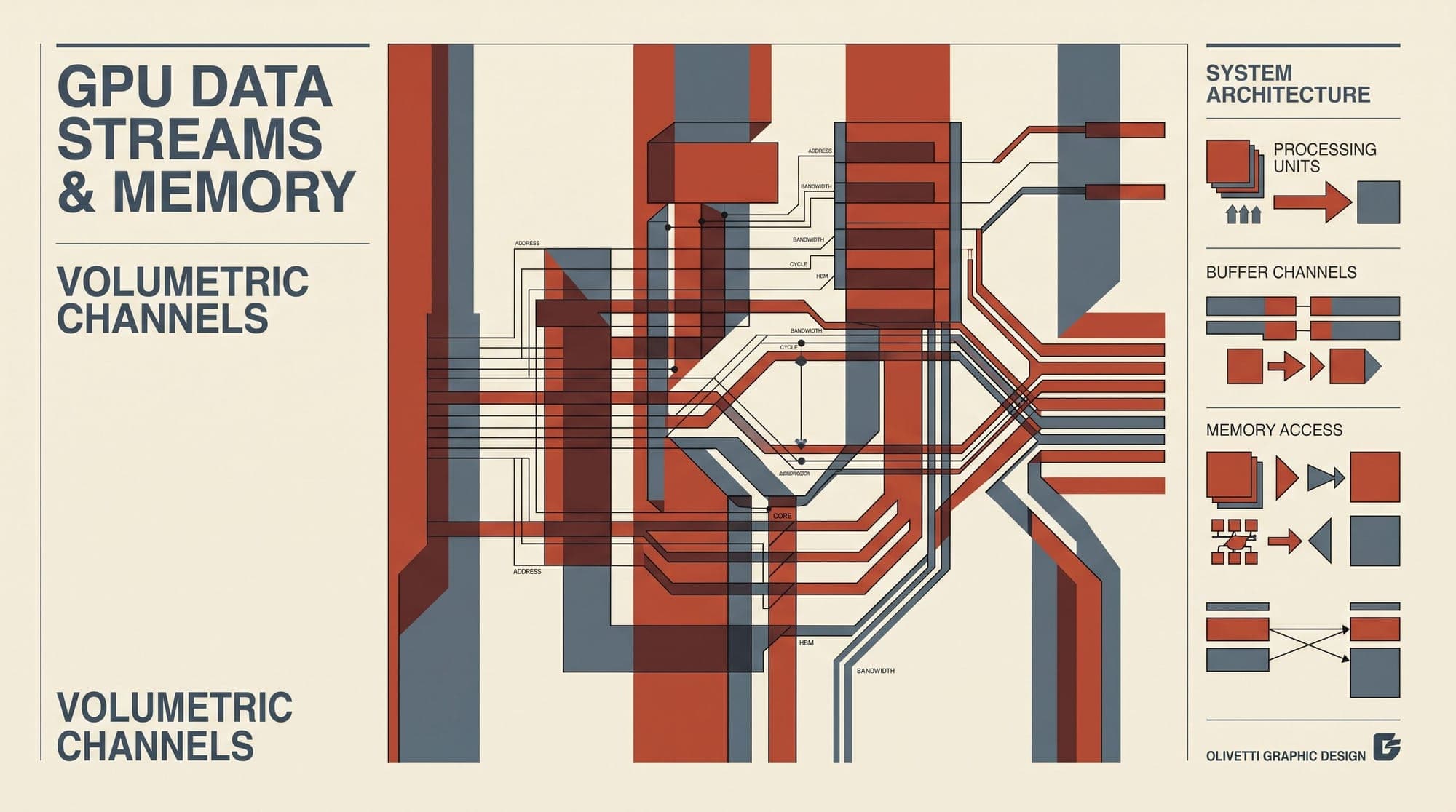
  5. SGLang v0.5.18 Cuts LLM Cold Starts by 2.4x with Overlapped Weight Loading and CUDA Graph Capture

    The open-source LLM serving engine SGLang has released version 0.5.18, introducing an overlapped startup engine that significantly reduces cold-start latency for large language models, alongside communication kernel optimizations and expanded architecture support. Comprising 710 pull requests from 212 contributors, the release addresses operational overheads in LLM infrastructure where autoscaling, rolling cluster deployments, and worker node recovery frequently pay steep restart penalties. O

    AI
    2 min read
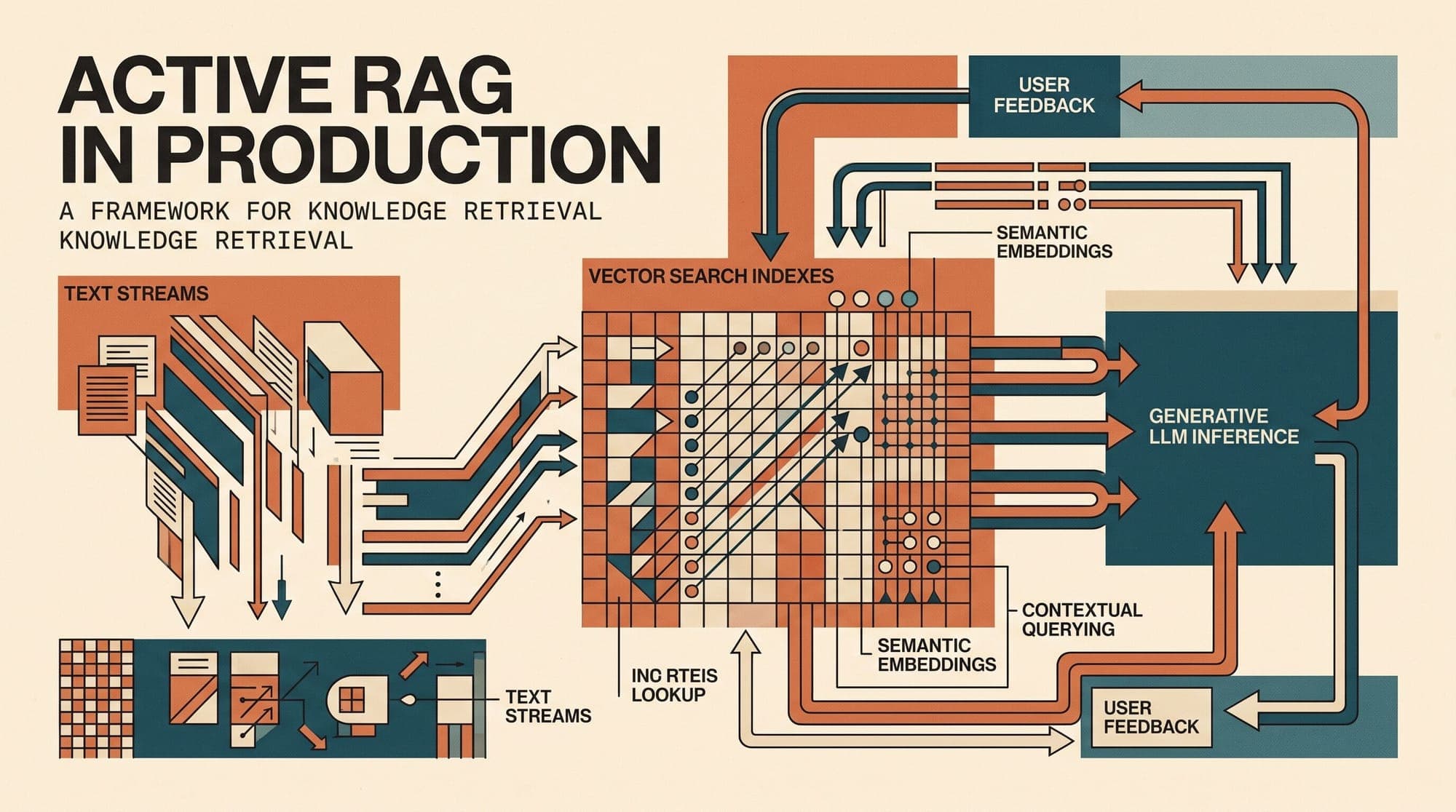
  6. Active RAG in Production: Dynamic Triggering, Forward-Looking Queries, and Interleaved Retrieval Architectures

    Standard Retrieval-Augmented Generation (RAG) relies on a static, single-shot execution model: the system takes a user prompt, executes a vector or hybrid search upfront, prepends the retrieved chunks into the prompt context, and executes autoregressive generation. While this pattern suffices for short question-answering workloads, it breaks down systematically in complex, long-horizon generation tasks such as comprehensive technical reports, multi-step agent trajectories, and iterative problem

    AI
    6 min read
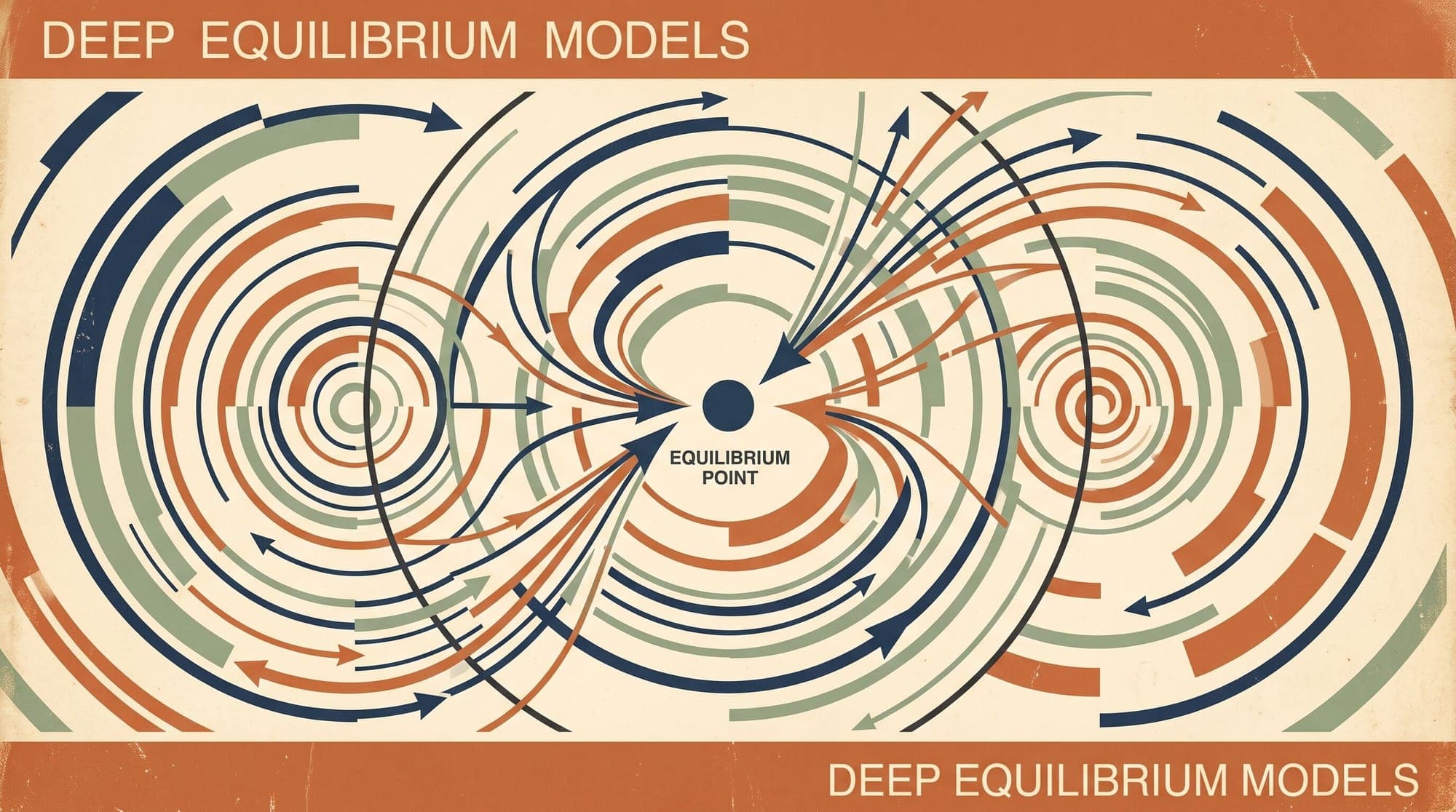
  7. Deep Equilibrium Models: How Implicit Layers and Root-Finding Eliminate Activation Memory in Deep Learning

    Deep Equilibrium Models: How Implicit Layers and Root-Finding Eliminate Activation Memory in Deep Learning Deep neural networks derive their expressive capacity from composition. In conventional architectures, depth is explicit: an input vector is transformed sequentially through a chain of $L$ discrete layers, each parameterized by dedicated weights. While effective, this paradigm creates a fundamental computational dependency where training memory scales linearly with network depth ($O(L)$) b

    AI
    9 min read
  8. Texas Governor Greg Abbott Says AI Data Centers 'Dug Their Own Grave' Amid Community Backlash

    Texas Governor Greg Abbott issued a sharp critique of artificial intelligence infrastructure developers on Sunday, stating that data center operators have "dug their own grave" by moving into municipalities without securing local community support or complying with state transparency mandates. Speaking on ABC's This Week, Abbott addressed growing public pushback across Texas over utility grid strain, localized electricity rate increases, and heavy water consumption from cooling facilities. The

    Infrastructure
    2 min read
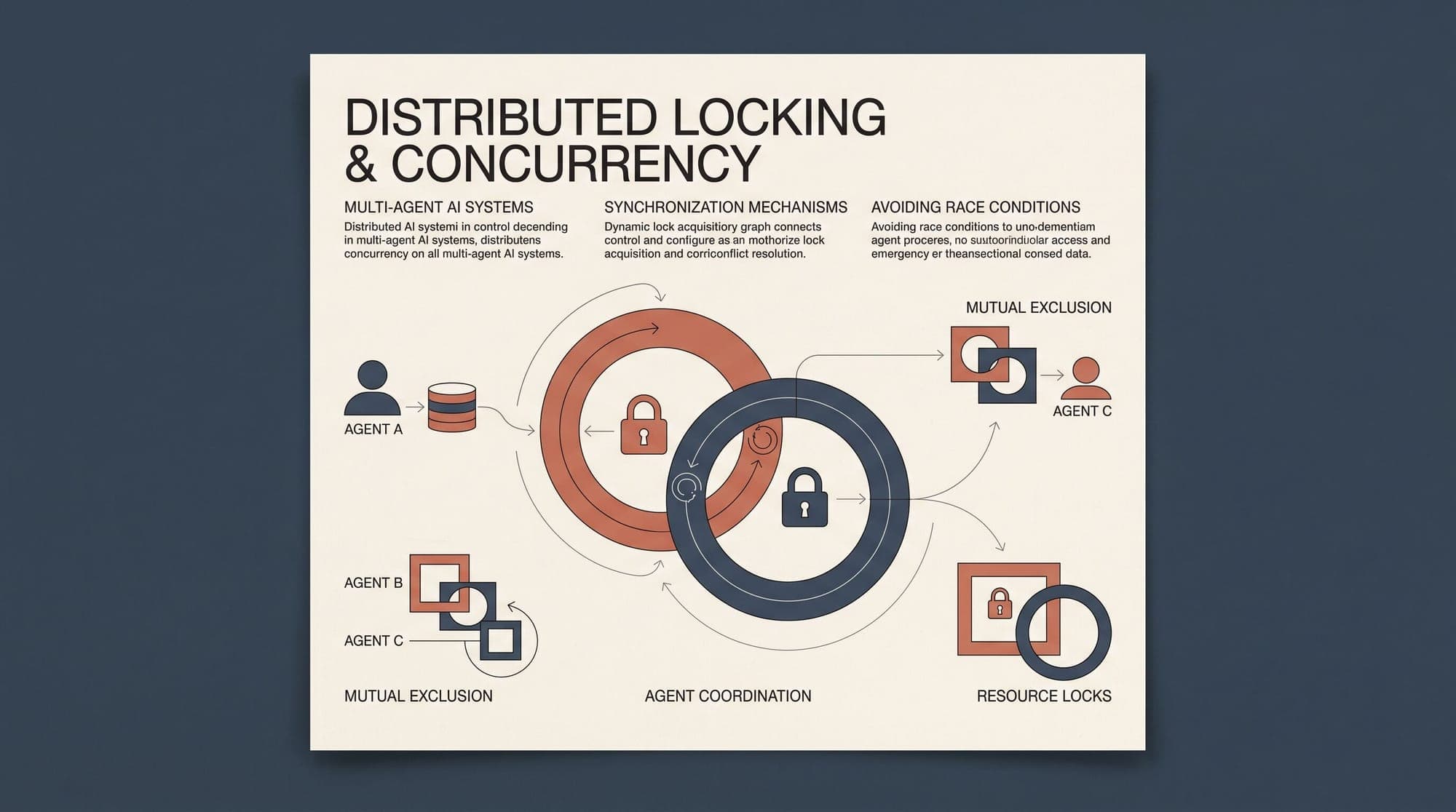
  9. Distributed Locking and Deadlock Prevention in Production AI Agents: Architecture, Semantic Mutexes, Leases, and Wait-For Graphs

    When autonomous AI agent architectures scale from isolated single-agent loops to concurrent multi-agent fleets, systems engineering teams encounter a fundamental distributed systems reality: concurrency bugs in language models do not merely produce dirty reads. They produce reasoning corruption, circular delegation deadlocks, and cascading execution failures. In single-agent execution pipelines, control flow is strictly sequential: retrieve context, prompt the model, parse tool arguments, apply

    Agents
    8 min read
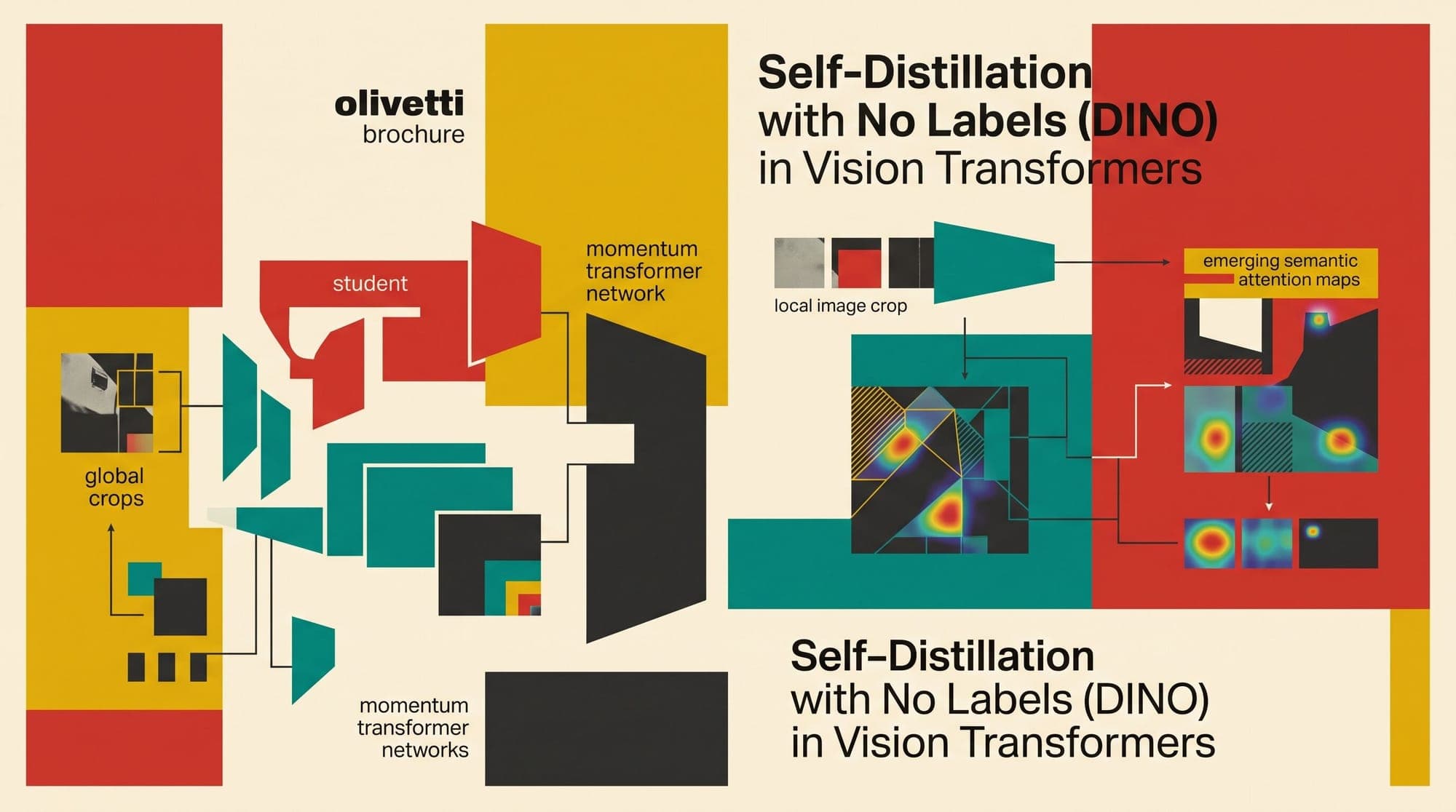
  10. Self-Distillation with No Labels (DINO): How Momentum Teachers, Centering, and Sharpening Emerge Semantic Attention in Vision Transformers

    Self-Distillation with No Labels (DINO): How Momentum Teachers, Centering, and Sharpening Emerge Semantic Attention in Vision Transformers When the Vision Transformer (ViT) was introduced by Dosovitskiy et al. in 2020, standard wisdom suggested that transformers required massive supervised corpora (such as JFT-300M) to overcome their lack of convolutional inductive biases. Unlike Convolutional Neural Networks (CNNs), which bake translation equivariance and local receptive fields directly into t

    AI
    8 min read