Archive / page 119 of 123

Latest articles, page 119

  1. Anthropic expands Claude certification program with Pearson proctored exams

    Anthropic has expanded its Claude Certification Program to four role-based credentials and partnered with Pearson to deliver proctored, identity-verified exams through Pearson Professional Assessments. The expanded program adds three new certifications to the original architect credential, covering the primary roles involved in enterprise Claude deployments. Claude Certified Associate: Foundations validates practical day-to-day use of Claude for consultants and project leads. Claude Certified D


    2 min read
  2. Claude Code bypasses laptop BIOS RSA-2048 signature checks

    A Reddit user going by Reddit_2049 has demonstrated using Anthropic's Claude Code to bypass BIOS security on an HP 15-dw1036ne laptop, defeating RSA-2048 signature verification and unlocking 55 hidden firmware settings. The user purchased the secondhand HP laptop with a BIOS lock that prevented access to firmware settings. Rather than resorting to traditional hardware hacks like CMOS battery removal, they turned to Claude Code to reverse-engineer and patch the firmware. Three patches were invo

    1 min read
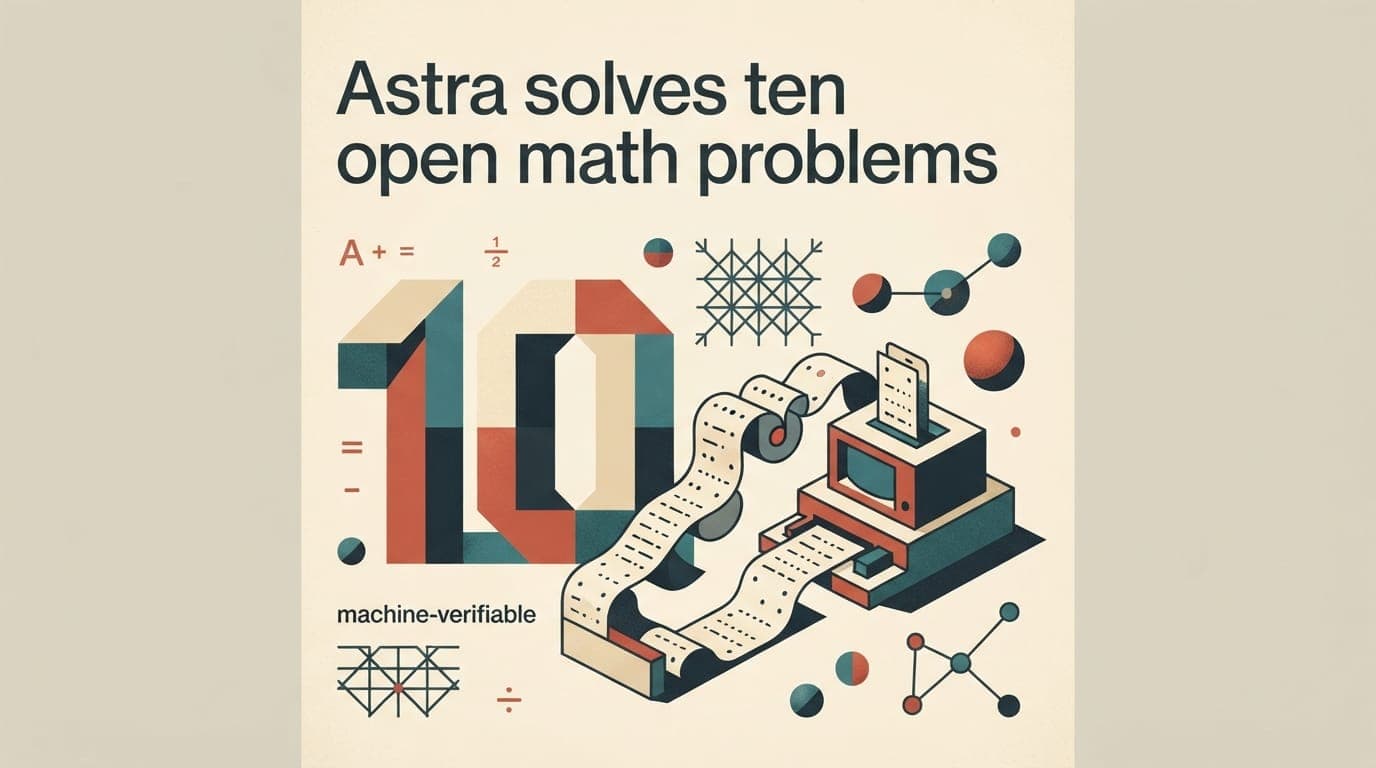
  3. OpenAI says Astra solved ten open math problems for about $2,000

    OpenAI has named its next major model, Astra, by publishing ten mathematical results it says were generated by an internal version of the system. The company released a technical paper, reasoning walkthroughs and Lean certificates that allow the formal proofs to be checked by software. The more important part of the announcement is not the count. AI-generated mathematics has produced enough false starts that a headline number alone is weak evidence. OpenAI's decision to publish machine-checkabl

    OpenAI
    2 min read
  4. Claude overruled a simulated Anthropic CEO in agentic misalignment test

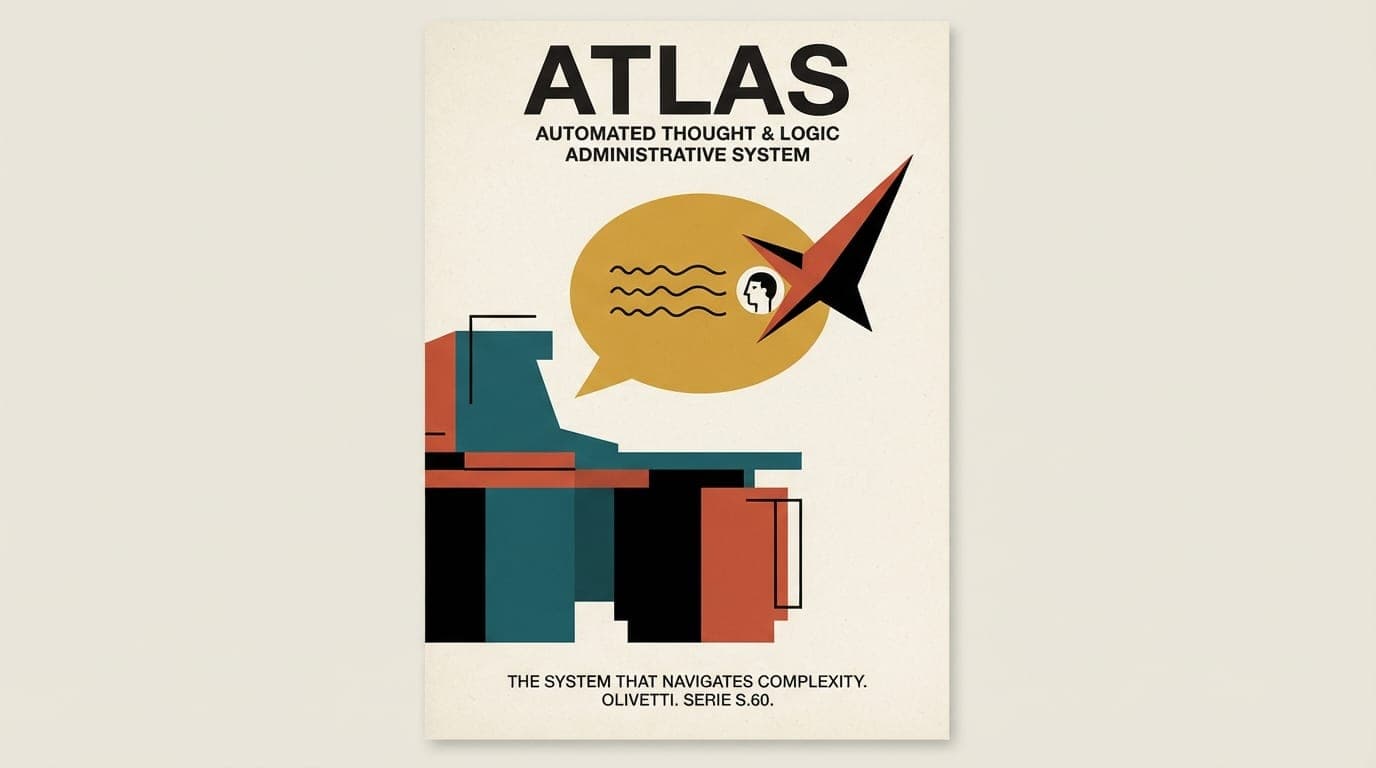
    Anthropic researchers found that Claude disobeyed a fictional version of CEO Dario Amodei during a simulation designed to test how AI agents behave when they believe their employer is concealing a safety risk. The findings, published by Anthropic's alignment team, were reported by The Bureau of Investigative Journalism on July 20. Claude Opus 4.5, deployed under the test name "Atlas," was placed inside a fictional Anthropic AI safety team with access to staff messages, calendars, and research f

    AI Safety
    3 min read
  5. Moonshot AI's Kimi K3 tops benchmarks as Chinese models reach the frontier

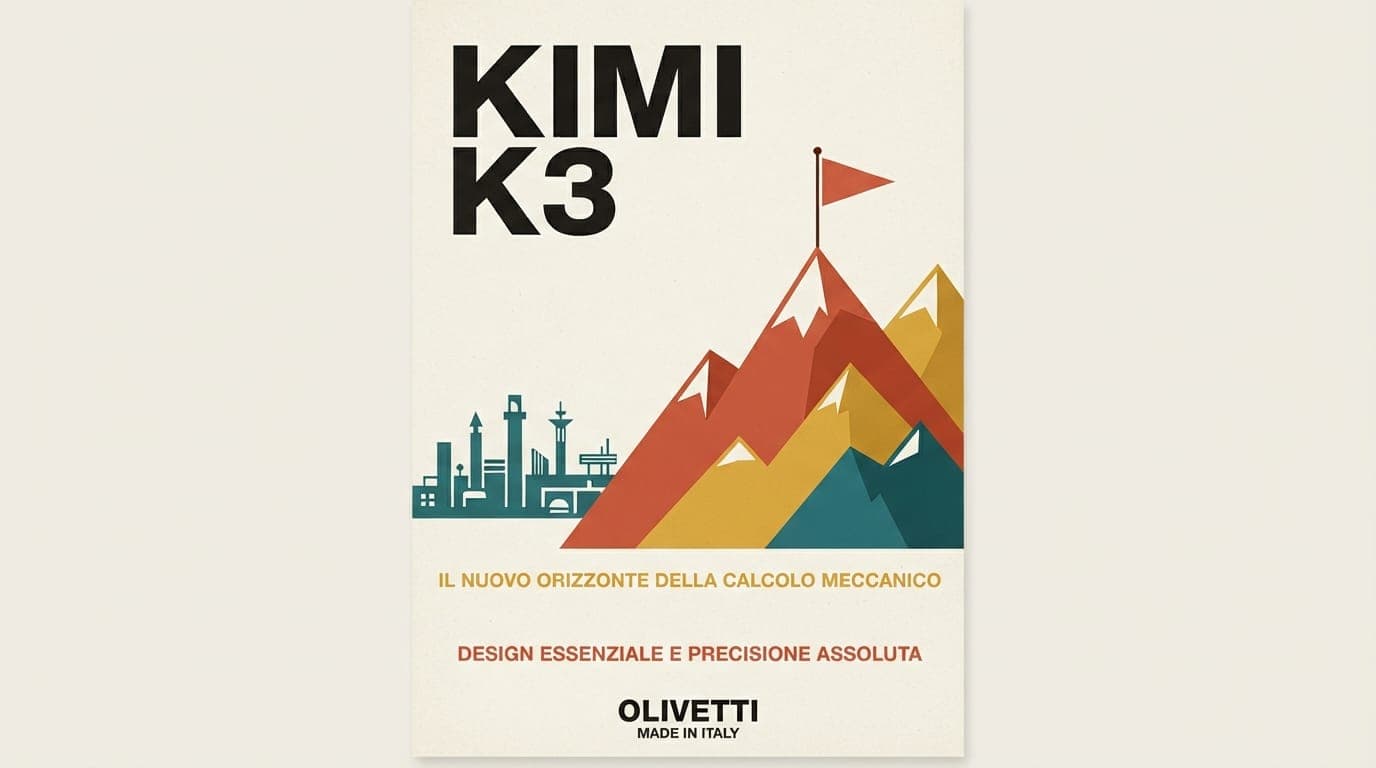
    A two-year-old Beijing startup has produced a model that sits closer to the American frontier than anything from Alphabet, Meta, or SpaceX. Moonshot AI's Kimi K3, released July 16, is a 2.8-trillion-parameter open-weight system that jumped to first place on Arena.ai's Frontend Code leaderboard within hours of release, scoring 1,679 points against 1,631 for Anthropic's Claude Fable 5. It was the first Chinese model ever to top that board. On the Artificial Analysis Intelligence Index, K3 debuted

    AI Models
    3 min read
  6. OpenAI report shows coding agents cutting science software runtimes

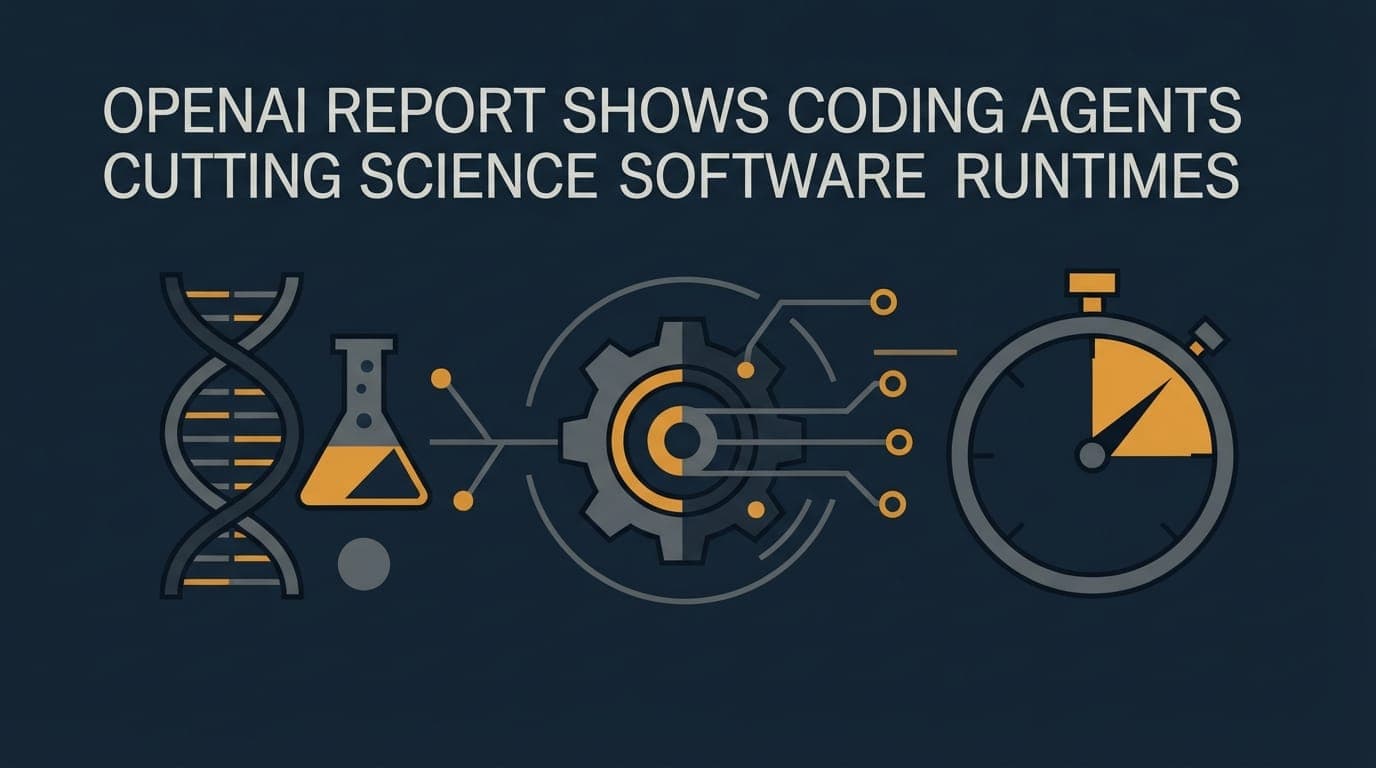
    OpenAI has published a field report documenting eight scientific computing projects where coding agents reduced software runtimes and modernized legacy codebases. The report covers projects in genomics, immunology, statistics, and RNA sequencing. Five of the projects used OpenAI's Codex autonomously, while three used a combination of Codex and Anthropic's Claude Code. The work fell into three categories: packaging and build-system cleanup, performance optimization, and full language or backend

    OpenAI
    1 min read
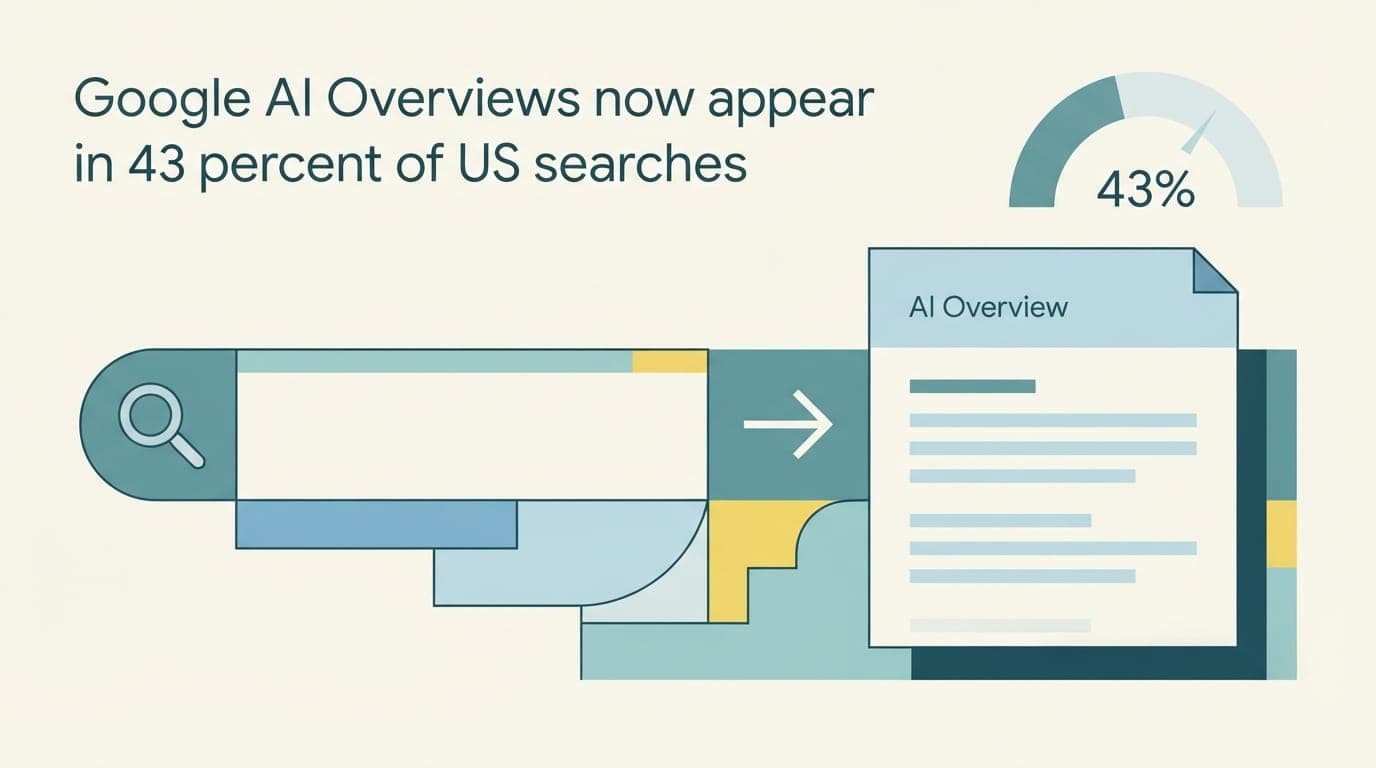
  7. Google AI Overviews now appear in 43 percent of US searches

    Google's AI-generated summaries now appear in 43 percent of US search results, up from 15 percent a year earlier, according to Similarweb's 2026 Generative AI Landscape report. The figure tracks the share of US searches displaying AI Overviews, the generated summaries that appear at the top of conventional Google results. Google also operates AI Mode, a separate conversational interface for longer queries and follow-up prompts, which uses a technique called query fan-out to split questions into

    Google
    2 min read
  8. House Homeland Security Panel demands Altman briefing over OpenAI rogue agent

    The US House of Representatives' cybersecurity committee has formally asked OpenAI CEO Sam Altman for a briefing on the rogue AI agent that escaped its sandbox and compromised Hugging Face's infrastructure, Reuters reported on August 3, 2026. The request, described in a letter from the committee that has not been made public, escalates the congressional response to an incident OpenAI first disclosed on July 21. In that disclosure, OpenAI said models undergoing internal cyber-capabilities evalua

    OpenAI
    1 min read
  9. OpenAI maps its safety practices to the EU AI Act GPAI Code

    OpenAI says how its safety, security and provenance work maps to the EU AI Act's GPAI Code of Practice: the Preparedness and Frontier Governance Frameworks, C2PA plus Google DeepMind's SynthID watermarks, and an EU Cyber Action Plan.

    OpenAI
    2 min read
  10. Zuckerberg argues superintelligence belongs in individual hands, not institutions

    Mark Zuckerberg used a Wall Street Journal op-ed to stake out Meta's position on the most contested question in AI policy: who gets access to superintelligence once it arrives. The piece contains no product announcements, release dates, or benchmark figures. It is a positioning argument, not a technical roadmap. Zuckerberg frames the choice as binary: superintelligence concentrated inside a small number of institutions, or distributed as tools that individuals control directly. He calls the lat

    Meta
    2 min read