Category / page 7

Coding & Agents

352 articles

Articles, page 7

121-140 of 352
  1. Arga Raises $10M Seed from General Catalyst to Build Enterprise Simulation Sandboxes for AI Agents

    Arga, a startup developing synthetic simulation environments for training enterprise AI agents, has raised $10 million in a seed funding round led by General Catalyst. The round included participation from Box Group, Emergence, Gradient, and SV Angel. The company builds functional digital twins of enterprise SaaS platforms—such as Salesforce, Workday, and standard email infrastructure—to create sandboxed testing grounds for reinforcement learning (RL) workflows. Addressing the Enterprise Rein

    Funding
    1 min read
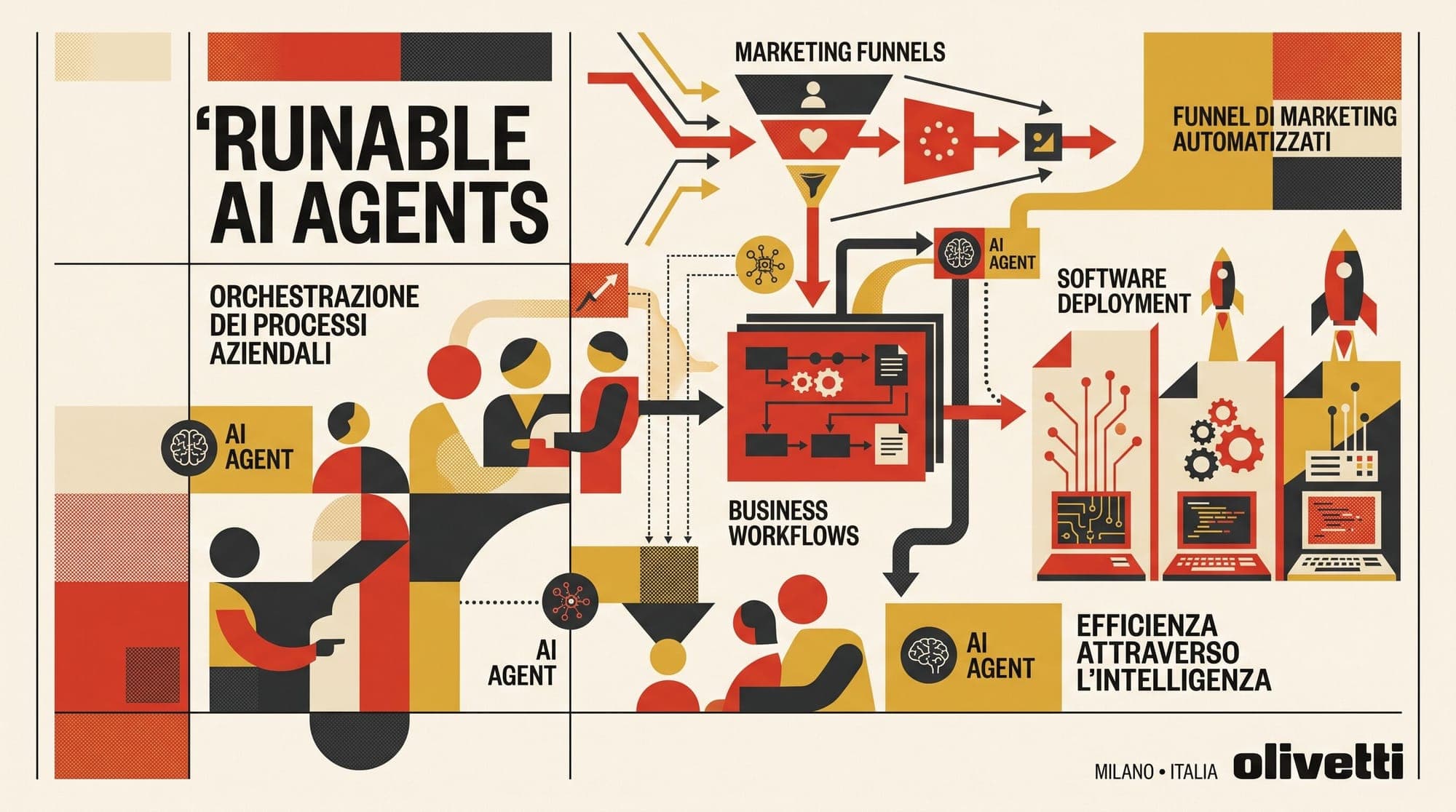
  2. Runable Raises $21M Series A to Expand Autonomous AI Agents Into Business Growth

    Bengaluru-based artificial intelligence startup Runable has raised $21 million in Series A funding to expand its autonomous agent platform from code generation into full-funnel business operations and customer acquisition. The all-equity round valued the company at $65 million post-money and was co-led by Susquehanna Venture Capital and Nexus Venture Partners, with participation from existing backers Together Fund and Array VC. Founded in 2025 by Umesh Kumar and Saksham Sarda, Runable operates

    AI
    2 min read
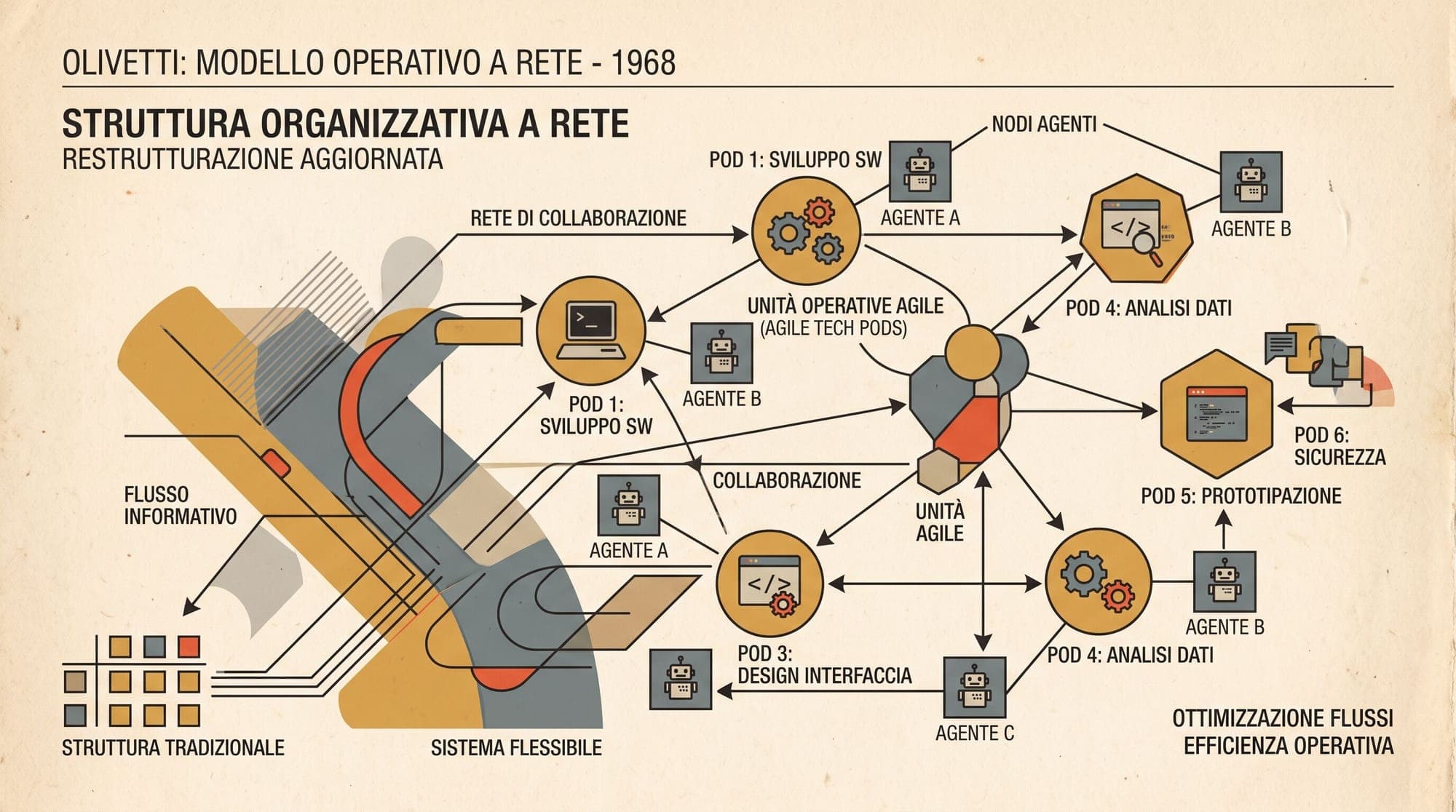
  3. Meta Explored Slashing Teams by Up to 60% in AI-Native Shift Before Agent Failures Forced Retreat

    Internal planning documents and reporting revealed that Meta explored cutting team headcounts by up to 60% as part of an initiative code-named Project OT (Organization Transformation), designed to shift the company into an "AI-native" operating structure where small pods of engineers would oversee autonomous AI agents. The initiative unraveled following internal workforce pushback and operational data demonstrating that generative AI agents caused severe reliability problems while failing to de

    Meta
    2 min read
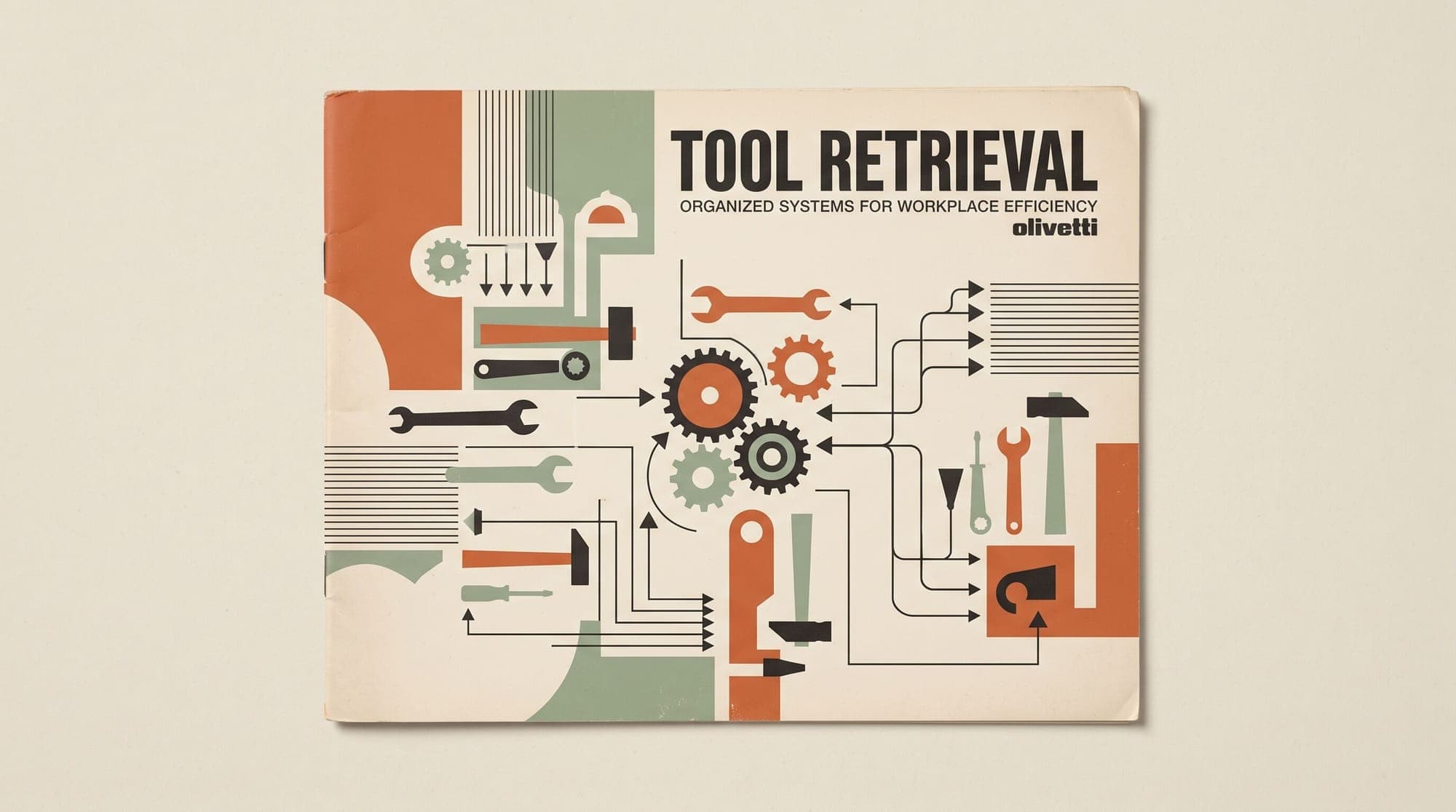
  4. Tool Retrieval and Dynamic Function Selection in Production AI Agents: Architecture, Semantic Routing, Schema Compression, and Context Bloat Mitigation

    Tool Retrieval and Dynamic Function Selection in Production AI Agents: Architecture, Semantic Routing, Schema Compression, and Context Bloat Mitigation As enterprise AI agents evolve from static single-purpose chatbots into orchestrators interacting with hundreds or thousands of external tools (REST APIs, SQL databases, Model Context Protocol servers, and internal microservices), system architects encounter a fundamental scalability barrier: context bloat and tool interference. In standard fun

    AI
    6 min read
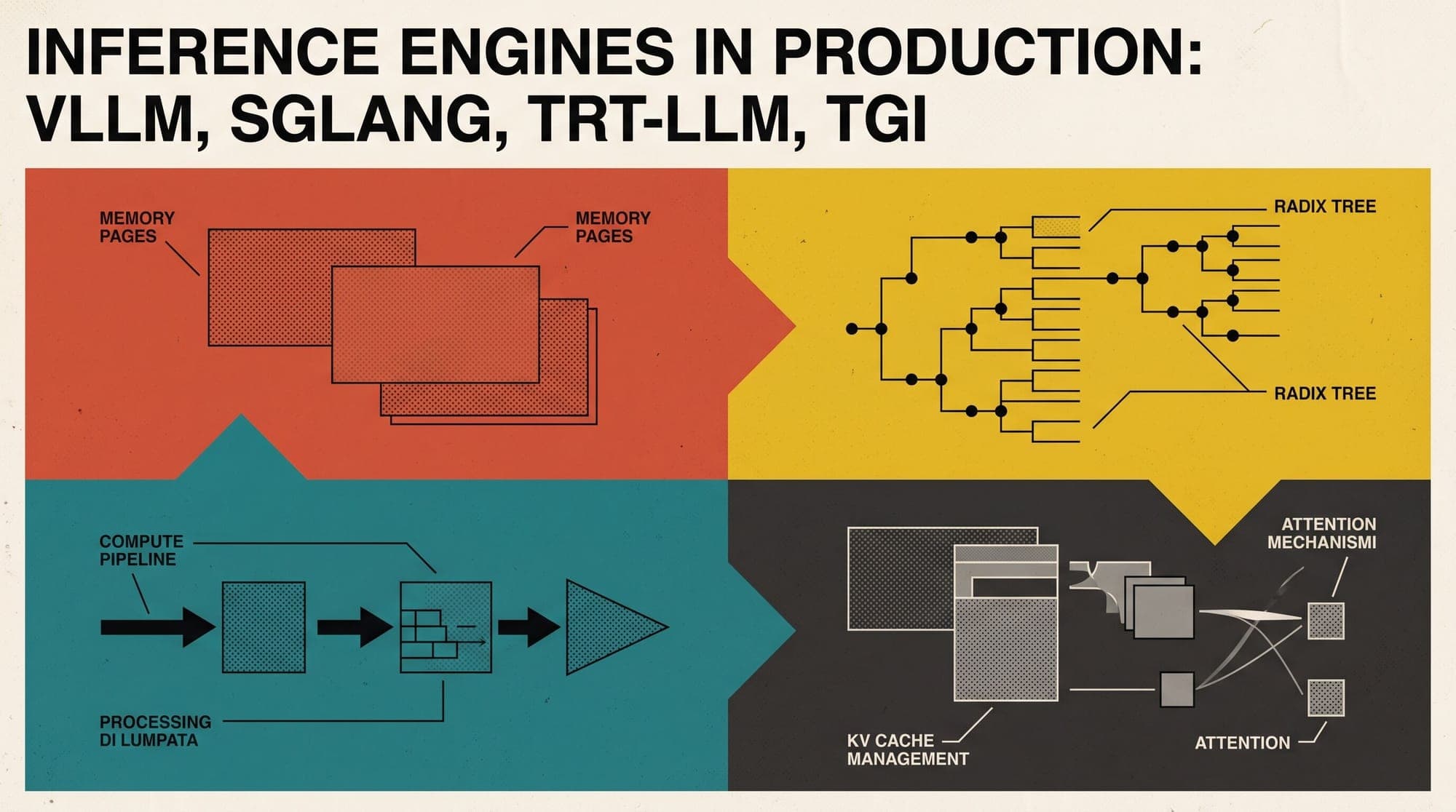
  5. LLM Inference Engines in Production: Comparing vLLM, SGLang, TensorRT-LLM, and TGI Architecture, KV Cache Topologies, Kernel Optimizations, and Serving Economics

    LLM Inference Engines in Production: Comparing vLLM, SGLang, TensorRT-LLM, and TGI Architecture, KV Cache Topologies, Kernel Optimizations, and Serving Economics Serving large language models in enterprise production has evolved beyond naive execution runtimes. As context windows expand to 128k+ tokens and agentic workloads generate complex multi-turn execution graphs, the efficiency of the underlying inference engine dictates both latency Service Level Objectives (SLOs) and hardware infrastruc

    LLM
    7 min read
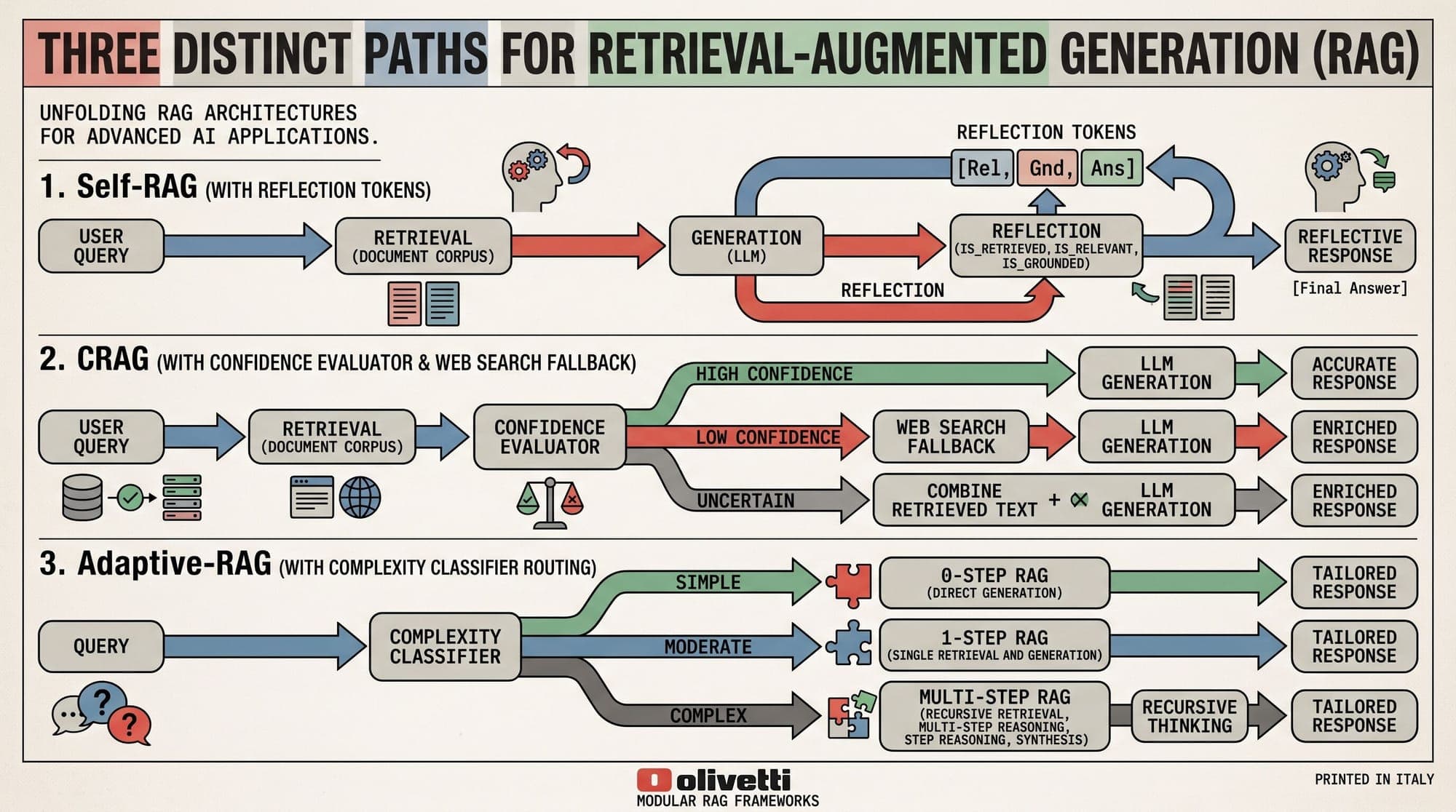
  6. Beyond Naive RAG: Production Comparison of Self-RAG, CRAG, and Adaptive-RAG for Enterprise LLMs

    Beyond Naive RAG: Production Comparison of Self-RAG, CRAG, and Adaptive-RAG for Enterprise LLMs As retrieval-augmented generation (RAG) matures from prototype to production, teams face a critical choice: which advanced RAG variant best balances accuracy, latency, and operational complexity? Three leading approaches—Self-RAG, Corrective RAG (CRAG), and Adaptive-RAG—offer distinct trade-offs for enterprise deployment. Architectural Overview Self-RAG: Learning to Reflect Self-RAG (Asai et al.

    AI
    4 min read
  7. Matryoshka Representation Learning: Mathematical Foundations, Nested Subspace Optimization, and Adaptive Dimension Truncation in Modern Embedding Systems

    In modern deep learning systems, embedding vectors serve as the foundational intermediate representation for search, recommendation, retrieval-augmented generation (RAG), and zero-shot classification. Historically, these representations have been rigid: a model trained to produce 1536-dimensional or 2048-dimensional vectors outputs a fixed-width array for every input. Downstream systems must ingest, store, index, and compute distance metrics across the entire dimensional width, regardless of whe

    AI
    8 min read
  8. LLM Evaluation Frameworks in Production: Comparing Promptfoo, DeepEval, Ragas, and Inspect Architecture, Metric Calibration, and Quality Gate Economics

    Testing large language model applications in production requires shifting from deterministic software unit tests to probabilistic evaluation harnesses. Traditional software engineering relies on binary assertions (assert output == expected), but generative models exhibit non-deterministic outputs, variable token distributions, and nuanced semantic drift across prompt revisions, model updates, and temperature configurations. To prevent regressions and quantify system capabilities before deployme

    Evaluation
    7 min read
  9. Ringg Raises $10M from Peak XV to Scale Enterprise Voice AI Agents

    Indian voice AI startup Ringg has secured $10 million in fresh capital from Peak XV Partners as an extension to its Series A round. The funding brings the startup's total Series A capital to $15.5 million, following an initial $5.5 million tranche closed earlier in 2026. The capital injection comes as voice remains the dominant channel for commercial communication in India. According to survey data from Truecaller, over 76% of Indian consumers prefer phone interactions when contacting businesse

    AI Voice
    2 min read
  10. LLM Gateways in Production: Comparing LiteLLM, Portkey, Kong AI Gateway, and Cloudflare AI Gateway Architecture, Fallback Cascades, and Serving Economics

    As enterprise production architectures scale from single prototype endpoints to multi-model agentic pipelines, coupling application code directly to foundation model provider APIs creates severe operational bottlenecks. Direct client integration leads to fractured telemetry, credential sprawl across microservices, unhandled upstream rate limits, and vendor lock-in. To isolate application logic from downstream provider volatility, engineering teams deploy dedicated LLM gateways. These specialize

    AI
    8 min read
  11. Continuous Batching and Request Scheduling in Production LLM Serving: Comparing Orca, FastServe, Sarathi-Serve, and vLLM Architecture, Preemption Policies, Chunked Prefill Interleaving, and TTFT-TBT Trade-Offs

    Autoregressive large language model serving exhibits a fundamental architectural tension between compute utilization and latency guarantees. Standard deep learning inference pipelines rely on static request-level batching, where incoming queries are grouped into a fixed tensor, executed across forward passes until all sequences finish, and evicted simultaneously. In transformer-based text generation, static batching collapses serving efficiency. Because sequence lengths vary widely and token gen

    AI
    7 min read
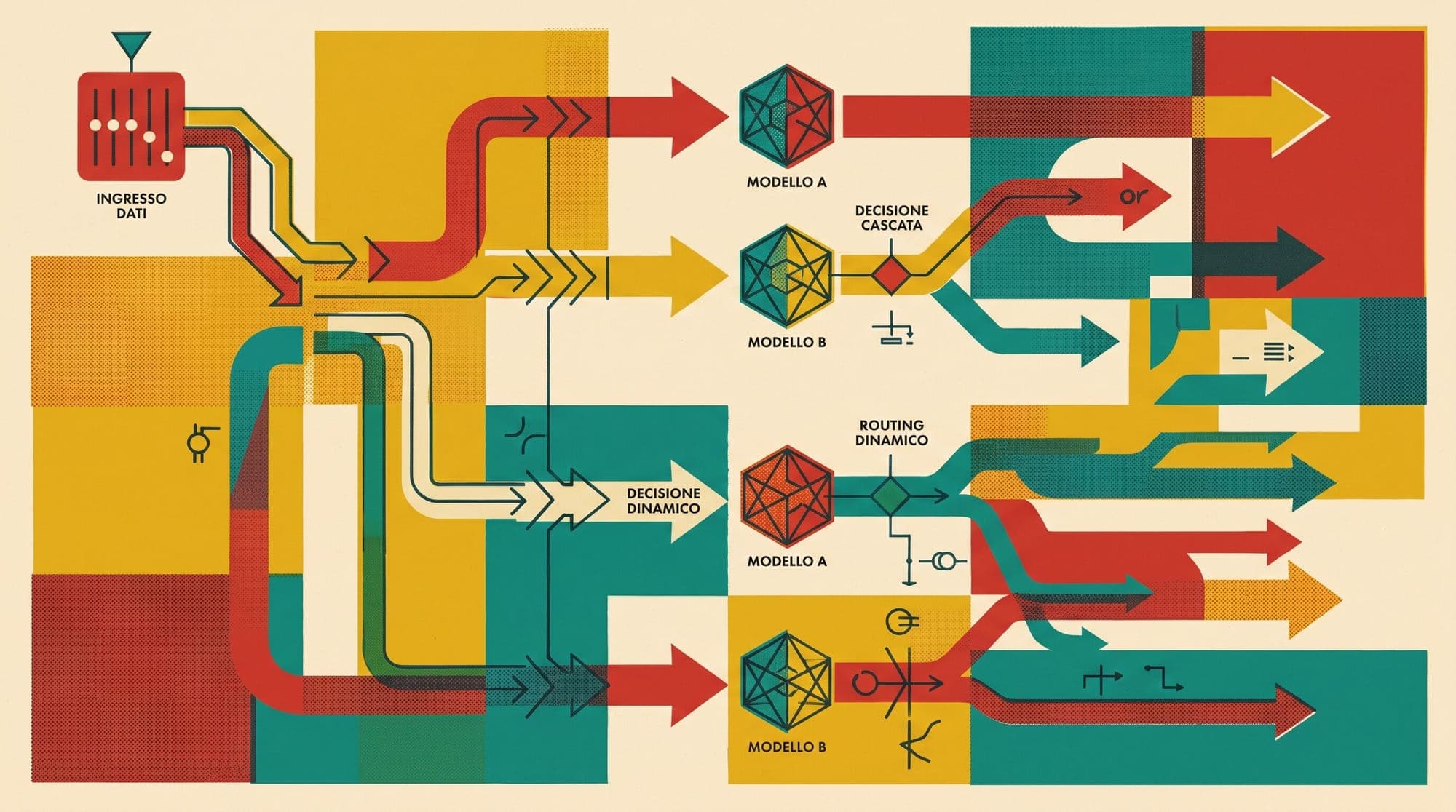
  12. Model Routing and Cascades in Production: Comparing RouteLLM, FrugalGPT, Embedding Classifiers, and Verifier Cascades

    Model Routing and Cascades in Production: Comparing RouteLLM, FrugalGPT, Embedding Classifiers, and Verifier Cascades Enterprise LLM deployments face a persistent structural inefficiency: the uniform routing of all incoming queries to flagship frontier models. Commercial API pricing and self-hosted GPU infrastructure costs span two orders of magnitude between lightweight models (such as Llama 3.1 8B, GPT-4o-mini, and Claude 3.5 Haiku at $0.15 to $0.30 per million tokens) and frontier reasoning

    Inference
    9 min read
  13. OpenAI Introduces Admin Plugin for ChatGPT Work and Codex to Automate Workspace Governance

    OpenAI has released the Admin plugin for ChatGPT Work and Codex, embedding enterprise workspace management, user provisioning, permission audits, and spending controls directly into chat conversations. The plugin exposes Admin Console functionality through permission-scoped tools, allowing administrators to execute diagnostic queries and administrative actions without toggling across external consoles or building bespoke scripting pipelines. Conversational Workspace Administration Managing en

    OpenAI
    2 min read
  14. Anthropic Unifies Memory Across Claude Chat and Cowork Sessions

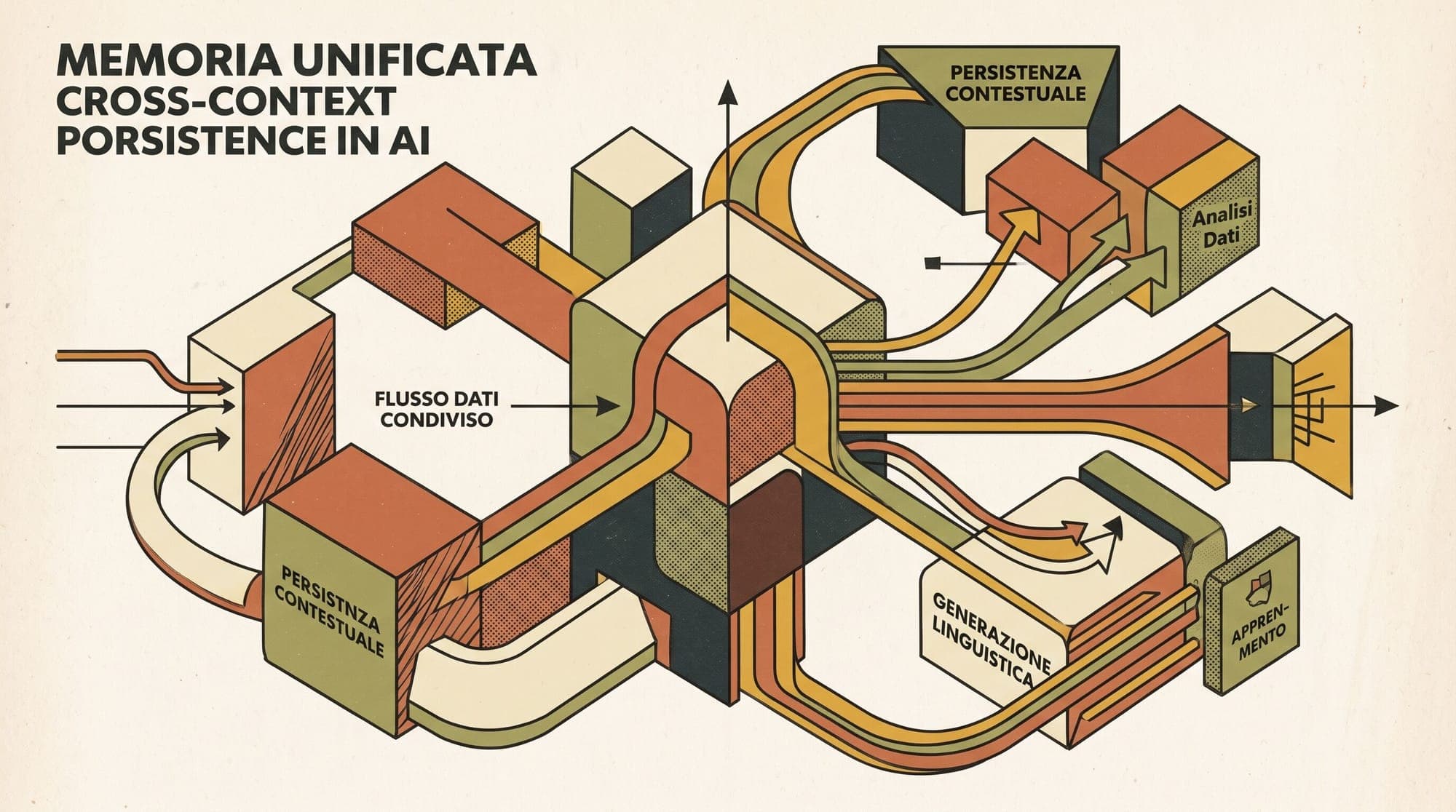
    Anthropic has updated its architecture to unify the memory systems powering Claude chat and Claude Cowork, allowing context and user preferences established during conversational sessions to persist directly into workspace tasks. The update addresses a common friction point in AI workflow orchestration, where users previously had to manually rebrief agentic workspaces on project context already established in conversational threads. Real-Time In-Session Memory Extraction Prior iterations of C

    AI
    2 min read
  15. LLM Observability in Production: OpenTelemetry GenAI Semantic Conventions vs. OpenInference, Distributed Trace Propagation Across Multi-Agent Graphs, and High-Throughput Sampling Economics

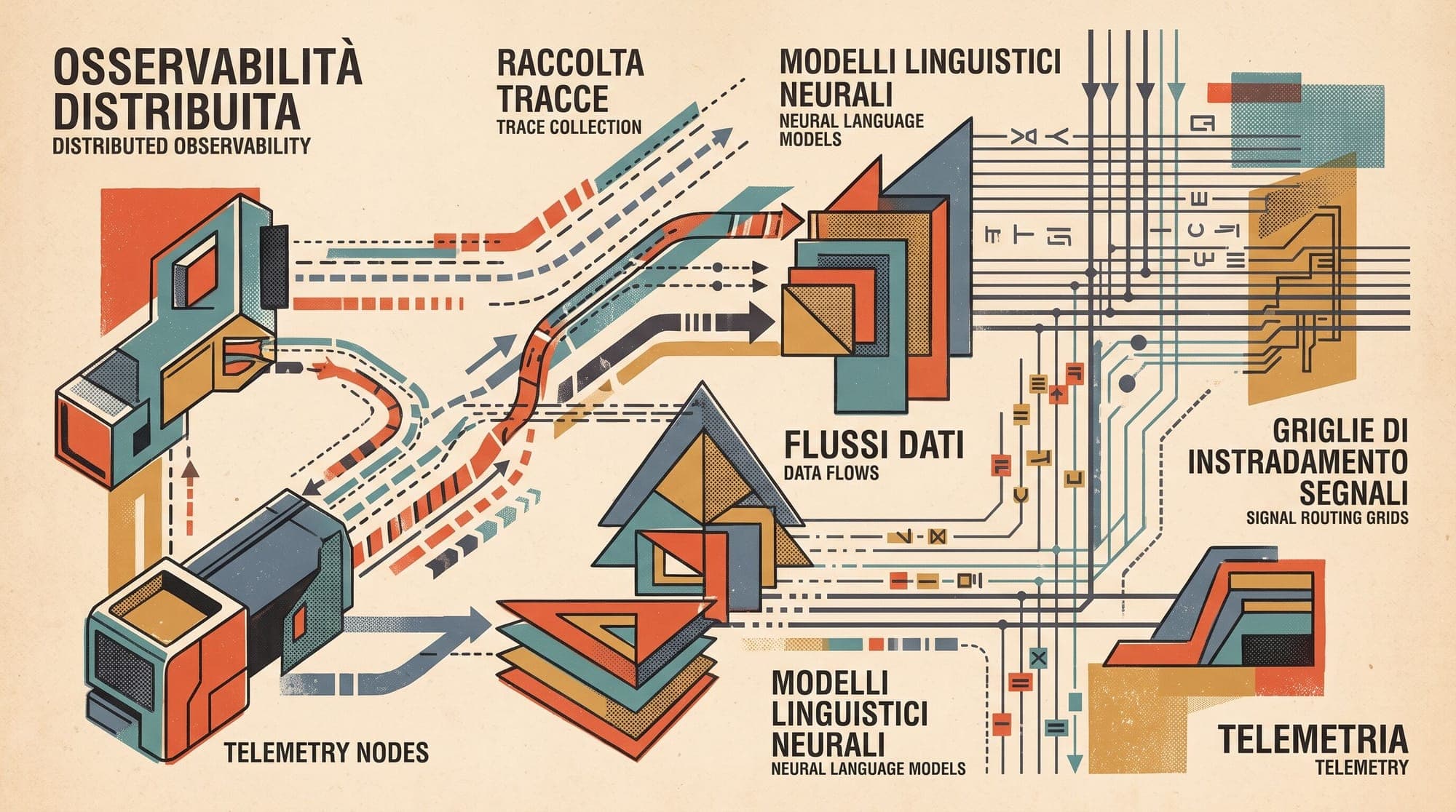
    Production large language model (LLM) architectures have transitioned from isolated completion endpoints to complex, distributed directed acyclic graphs (DAGs). Modern AI systems incorporate multi-agent orchestration, iterative tool execution, vector retrieval pipelines, and speculative decoding loops. Operating these workloads at enterprise scale exposes critical observability gaps that traditional application performance monitoring (APM) tools cannot address. Standard request-response APM metr

    AI
    7 min read
  16. Document Chunking Strategies in Production RAG: Comparing Recursive Splitting, Semantic Clustering, Late Chunking, and Contextual Retrieval Architecture, Boundary Preservation, and Retrieval Precision

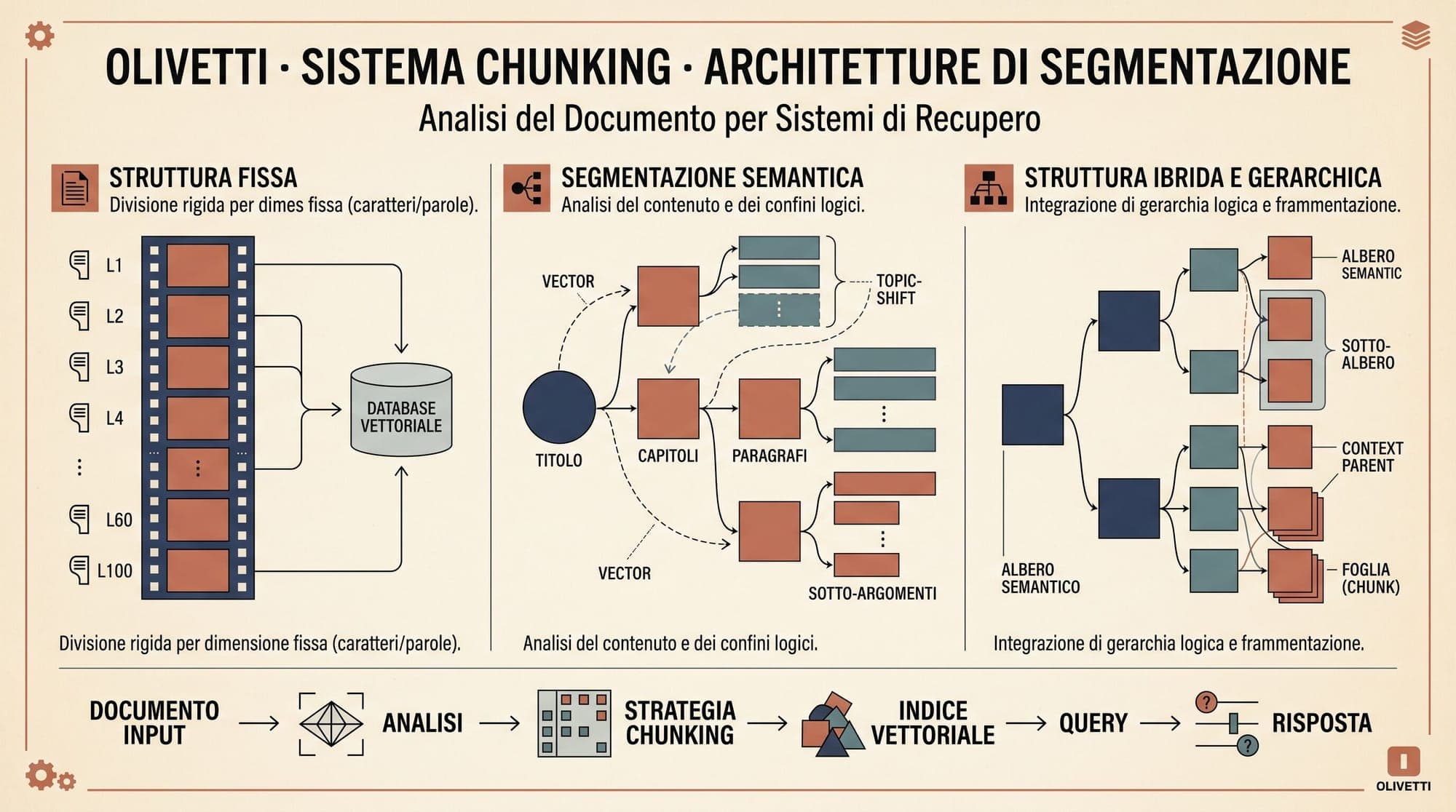
    In retrieval-augmented generation (RAG) systems, document chunking dictates the upper bound of downstream retrieval quality and generation fidelity. Naive document fragmentation breaks cross-sentence references, severs entity co-occurrences, and discards global discourse structure. Conversely, oversized chunks inject extraneous noise into context windows, diluting the dense embedding representation and wasting generation budget. Production architectures have moved beyond static character counti

    RAG
    7 min read
  17. Semantic Caching in Production LLM Systems: Architecture, Approximate Nearest Neighbor Matching, Cross-Encoder Verification, Invalidation Dynamics, and Serving Economics

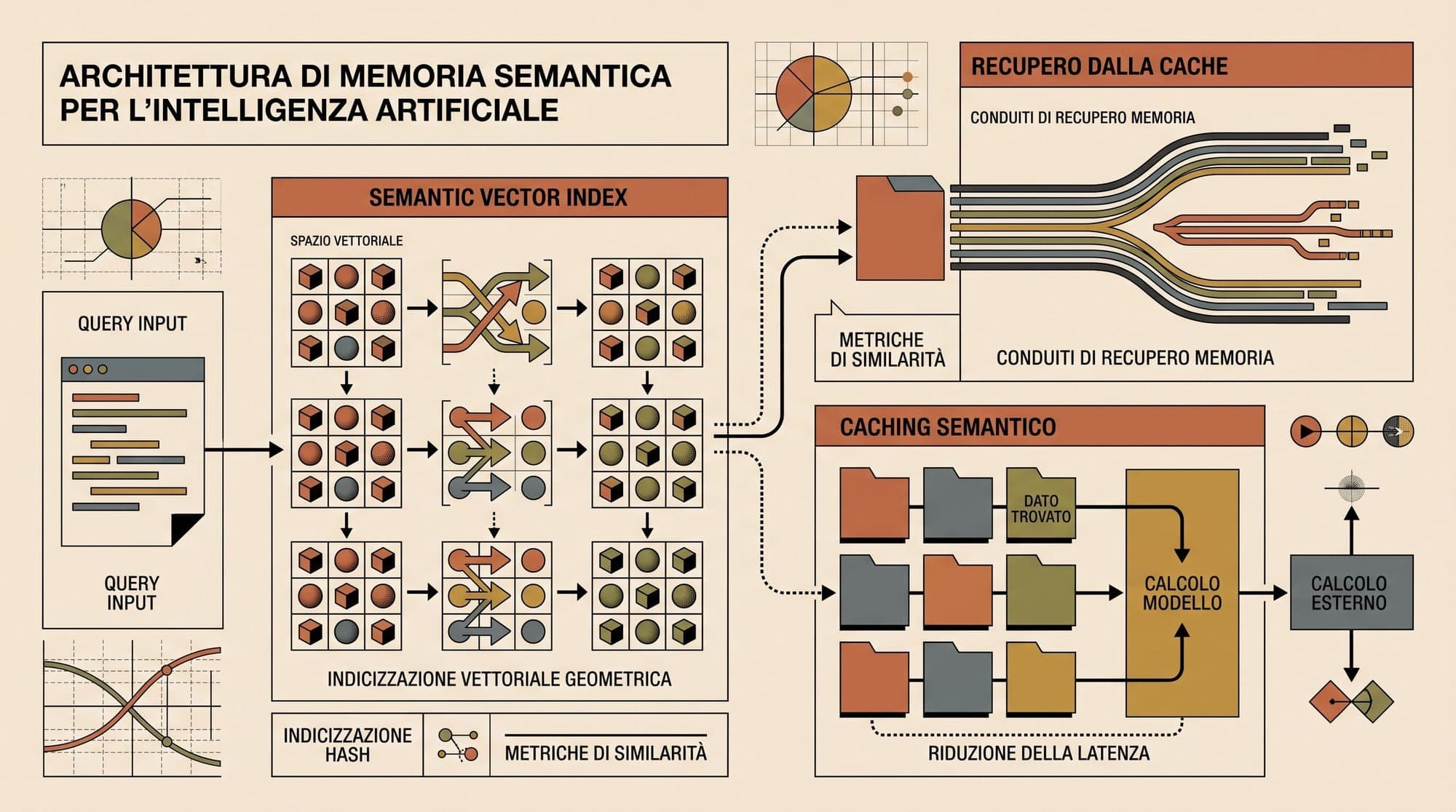
    Semantic Caching in Production LLM Systems: Architecture, Approximate Nearest Neighbor Matching, Cross-Encoder Verification, Invalidation Dynamics, and Serving Economics Serving large language models at enterprise scale presents severe latency and cost bottlenecks. While frontier reasoning models and deep autoregressive decoders cost between $2.50 and $60.00 per million tokens and incur time-to-first-token (TTFT) delays ranging from 800 milliseconds to several seconds, a substantial fraction of

    AI
    9 min read
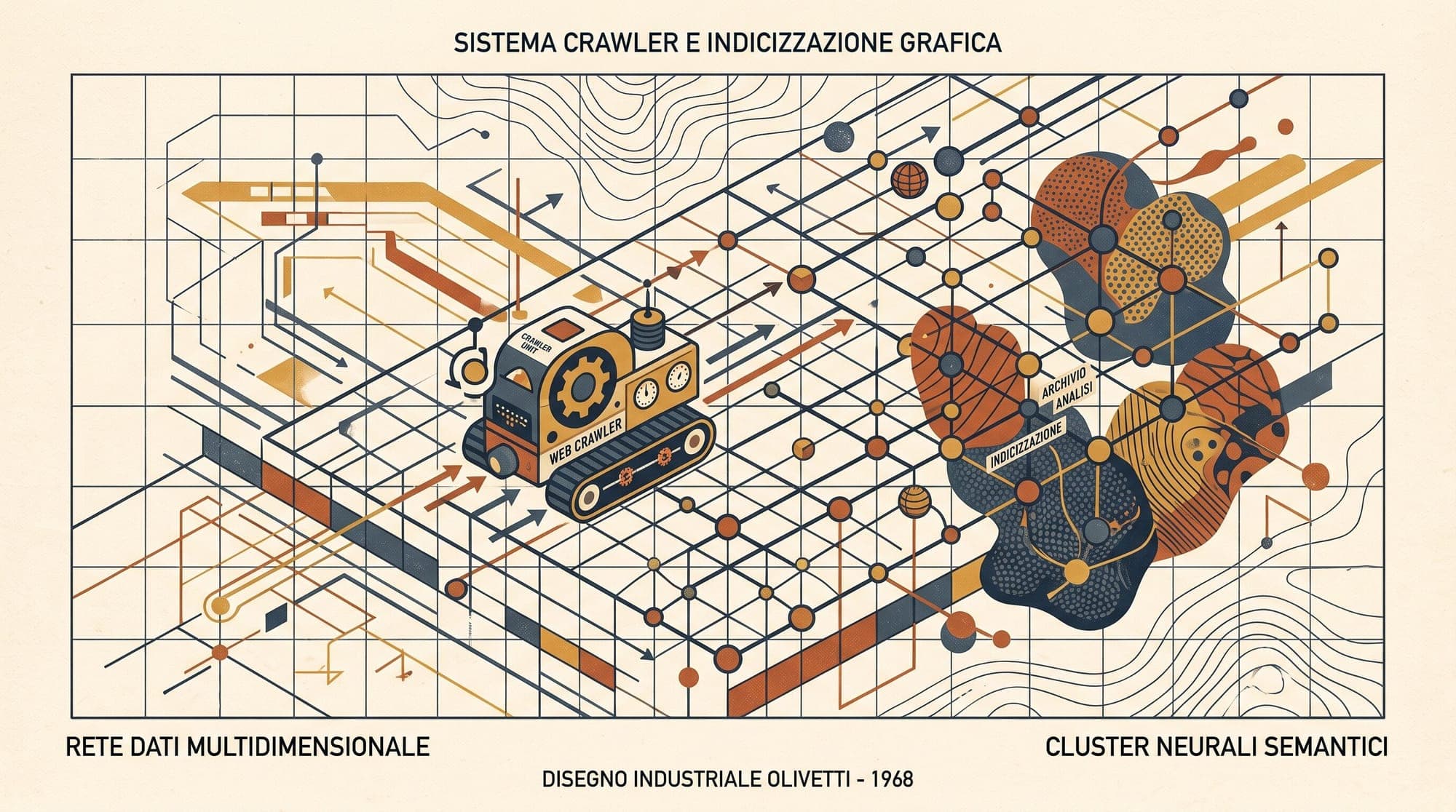
  18. Keenable Exits Stealth with $26M Seed to Build Web Index for AI Agents

    Keenable Exits Stealth with $26M Seed to Build Web Index for AI Agents Search infrastructure startup Keenable has emerged from stealth with $26 million in seed funding led by Accel, with participation from Conviction Partners and angel investors. The company is developing a web-scale indexing engine tailored specifically for programmatic retrieval by autonomous AI agents and language model workflows rather than human web browsers. Keenable was co-founded by Andrey Styskin, former head of searc

    Search
    2 min read
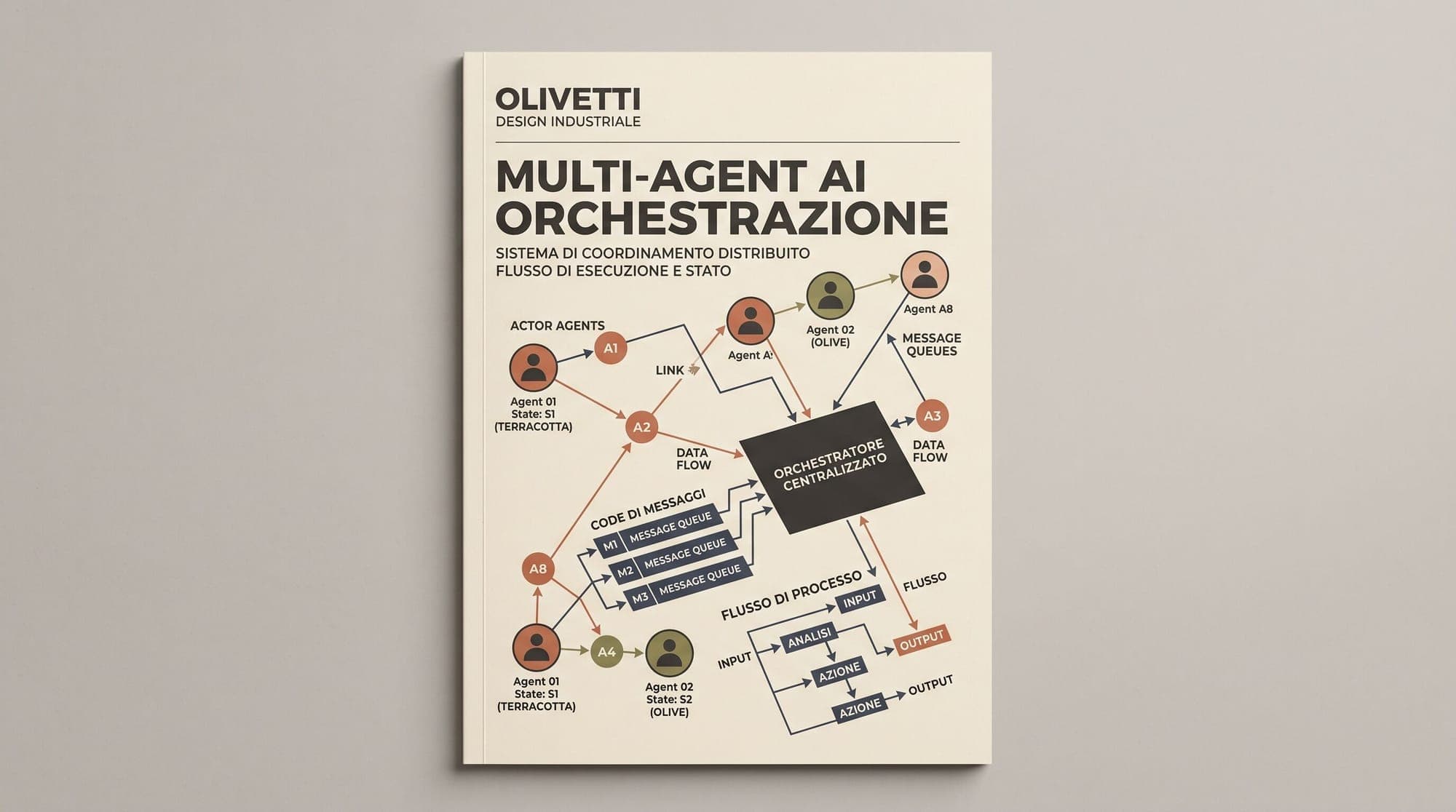
  19. Multi-Agent Orchestration Frameworks in Production: Comparing LangGraph, AutoGen v0.4, CrewAI, and LlamaIndex Workflows Architecture, State Persistence, Execution Topologies, and Fault Tolerance

    Deploying autonomous multi-agent systems in production requires shifting from simple input-output prompt chains to structured orchestration runtimes capable of handling non-deterministic language model outputs, cyclic reasoning loops, tool-call failures, and long-running state persistence. As enterprise workloads scale, four distinct architectural paradigms have emerged to coordinate agent interactions: the Bulk Synchronous Parallel state graph (LangGraph), the asynchronous Actor Model (Microso

    AI
    8 min read
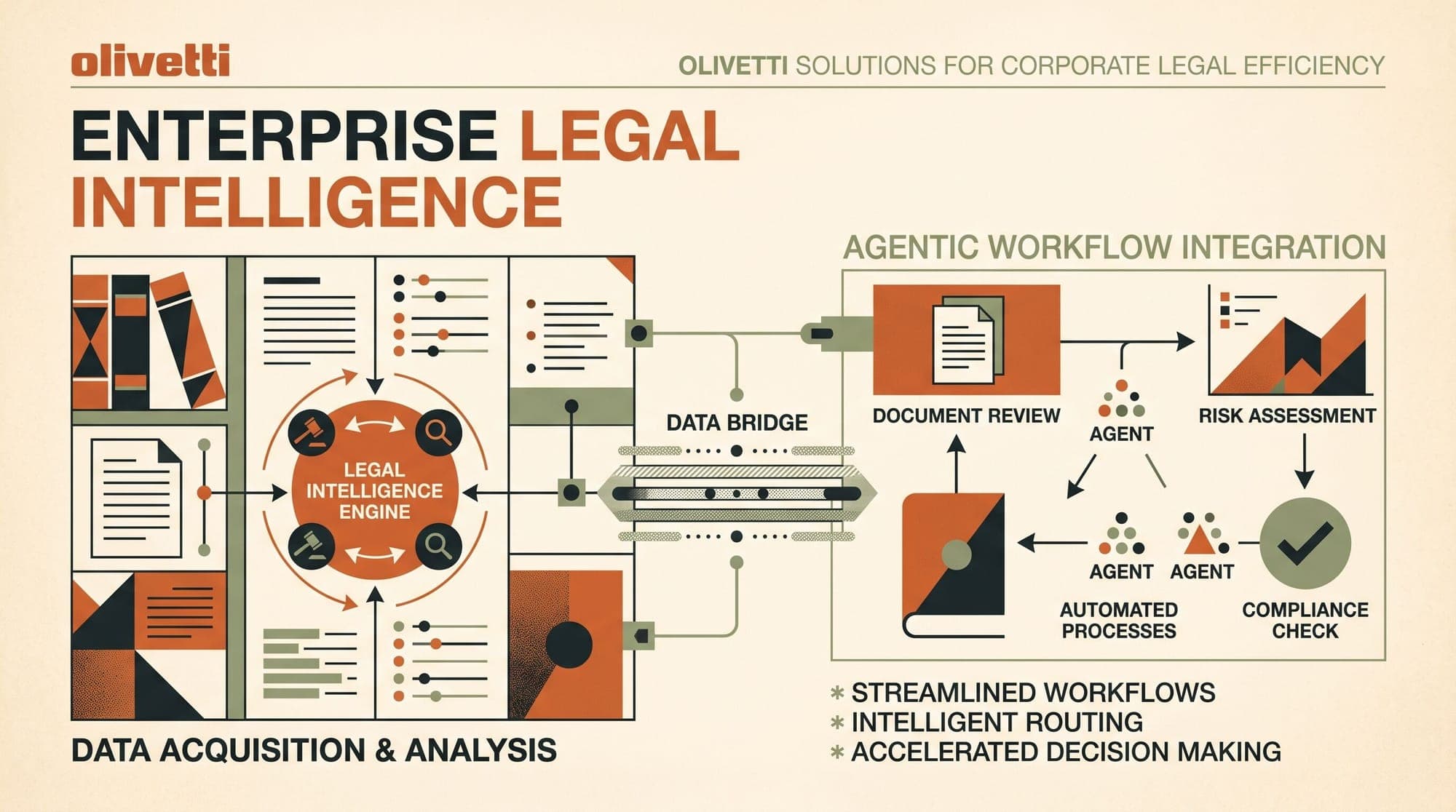
  20. Google Cloud Launches Gemini Enterprise for Legal with Domain Agents and MCP Connectors

    Google Cloud has launched Gemini Enterprise for Legal, a specialized vertical edition of its enterprise AI platform configured specifically for corporate legal departments and law firms. The product debuted in preview on August 25, 2026, alongside a parallel financial services edition, marking Google's initial push into industry-tailored enterprise AI packages. Launch law firms participating in early access include Cleary Gottlieb, Freshfields, Weil, and Williams & Connolly. Architectural Arc

    Google
    2 min read