Retrieval7 articles

Retrieval

Articles

  • Chunking Strategies in Production RAG: Comparing Fixed-Size, Semantic Chunking, Late Chunking, and Contextual Retrieval

    In production Retrieval-Augmented Generation (RAG) pipelines, the chunking strategy determines the theoretical ceiling of retrieval quality. Splitting documents into discrete text spans transforms continuous discourse into isolated segments. When chunks are indexed in isolation, critical context disappears: pronoun antecedents lose their referents, domain-specific acronyms lose their definitions, and propositions spanning arbitrary token boundaries become fragmented. Selecting an appropriate ch

    1 min

  • Keenable Exits Stealth with 6M Seed to Build Web Index for AI Agents

    Keenable Exits Stealth with $26M Seed to Build Web Index for AI Agents Search infrastructure startup Keenable has emerged from stealth with $26 million in seed funding led by Accel, with participation from Conviction Partners and angel investors. The company is developing a web-scale indexing engine tailored specifically for programmatic retrieval by autonomous AI agents and language model workflows rather than human web browsers. Keenable was co-founded by Andrey Styskin, former head of searc

    1 min
  • Sparse-Dense Hybrid Retrieval in Production: Learned Lexical Weights, SPLADE vs. BGE-M3, Inverted Index Pruning, and Serving Economics

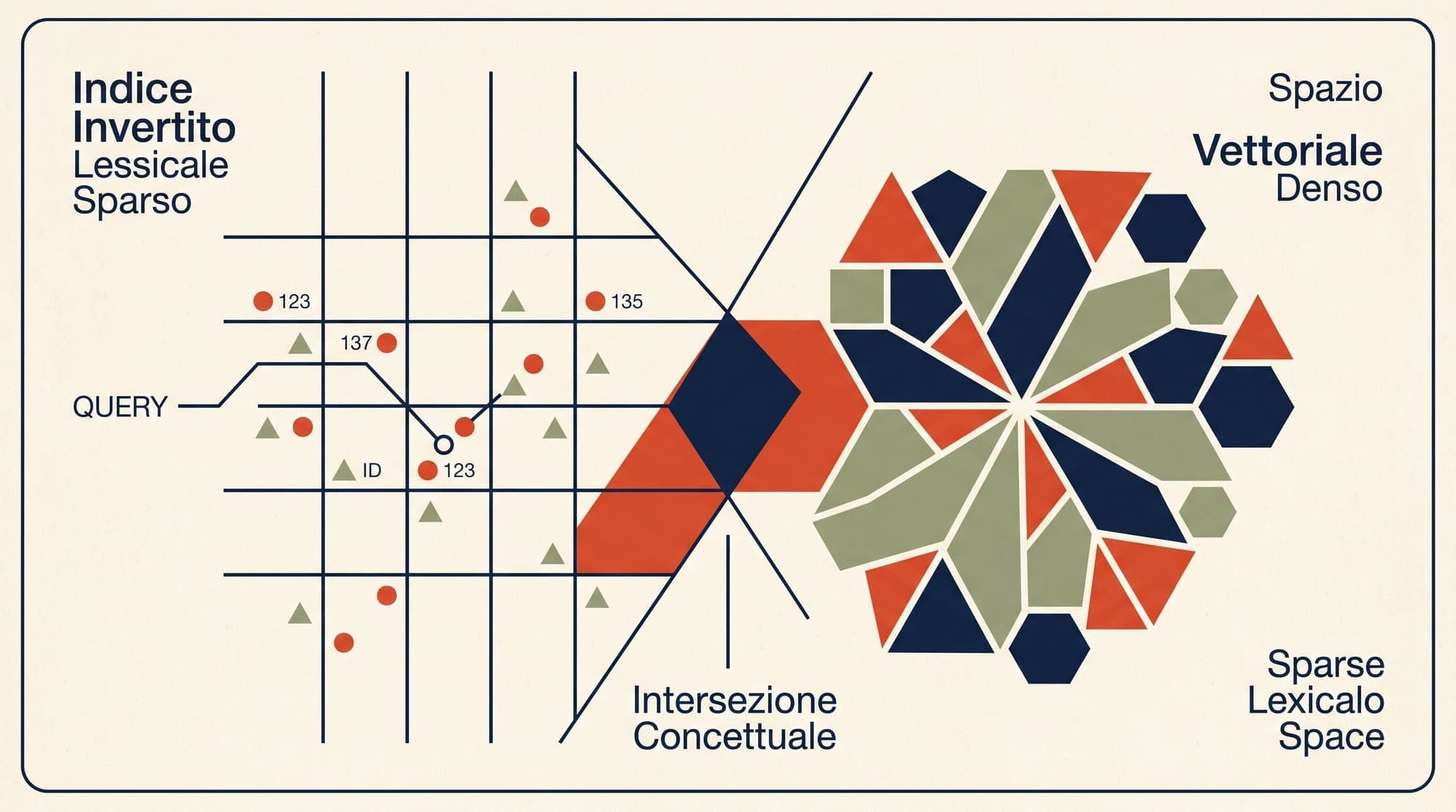
    Modern Retrieval-Augmented Generation (RAG) and enterprise search architectures increasingly encounter the operational limits of pure dense vector search. Dense bi-encoders project text passages into continuous latent spaces (typically 768 to 3,072 dimensions). While dense representations excel at conceptual matching and paraphrasing, they systematically struggle with exact keyword precision, rare alphanumeric tokens, product SKUs, and domain-specific jargon. Furthermore, serving dense vectors a

    1 min
  • Binary Quantization and Matryoshka Embeddings in Production: Two-Stage Rescoring, Hamming Distance Acceleration, and Vector Storage Economics

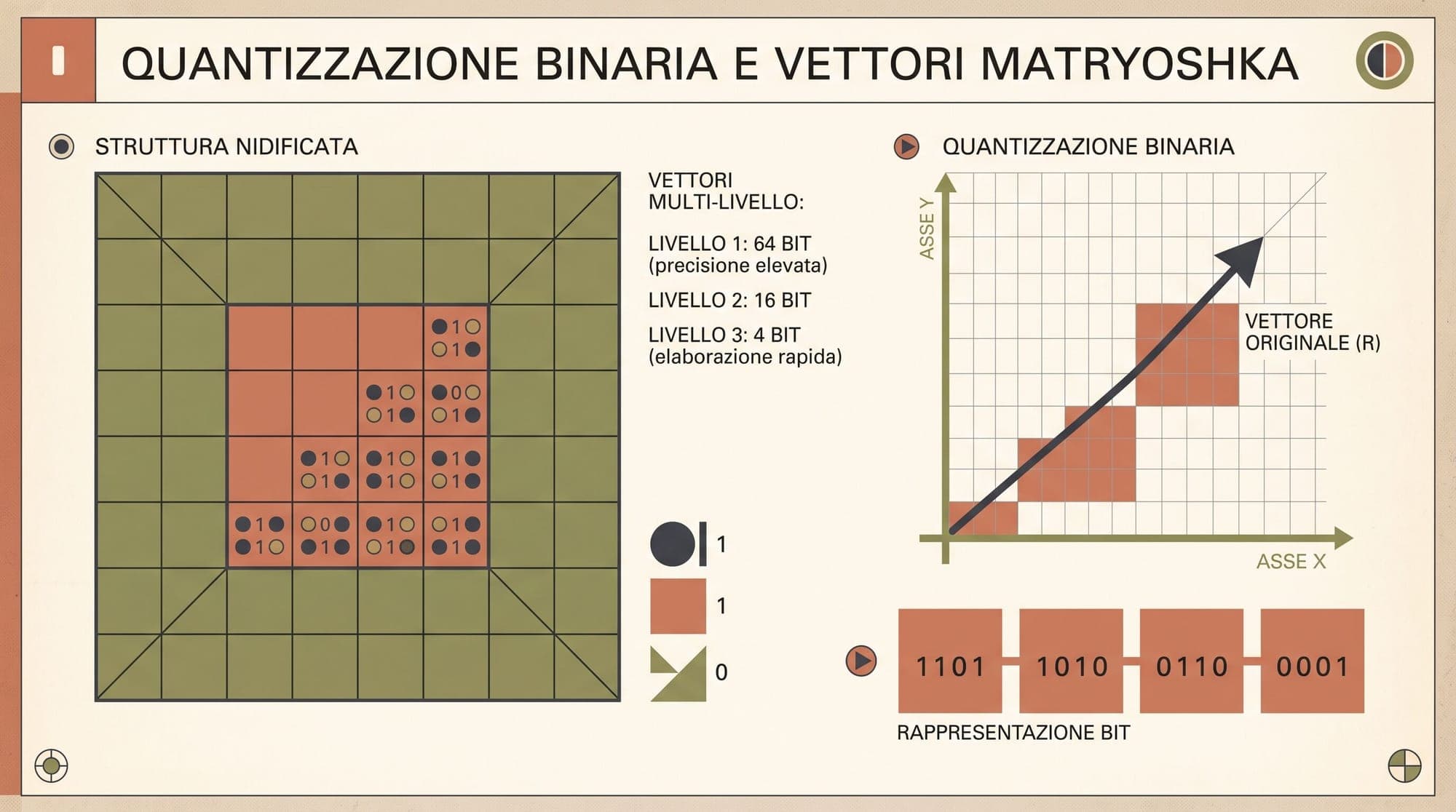
    Production vector search workloads face a severe memory scaling bottleneck. In retrieval-augmented generation (RAG) and semantic search architectures, indexing tens of millions of high-dimensional embeddings in raw 32-bit floating-point (FP32) format exhausts memory capacity and drives up infrastructure costs. Indexing 100 million 1536-dimensional vectors requires 614.4 GB of RAM purely for vector payloads, before accounting for graph edges and memory fragmentation in Approximate Nearest Neighbo

    1 min
  • Corrective RAG and Adaptive Retrieval in Production: Architecture, Confidence Scoring, and Web Fallback Loops

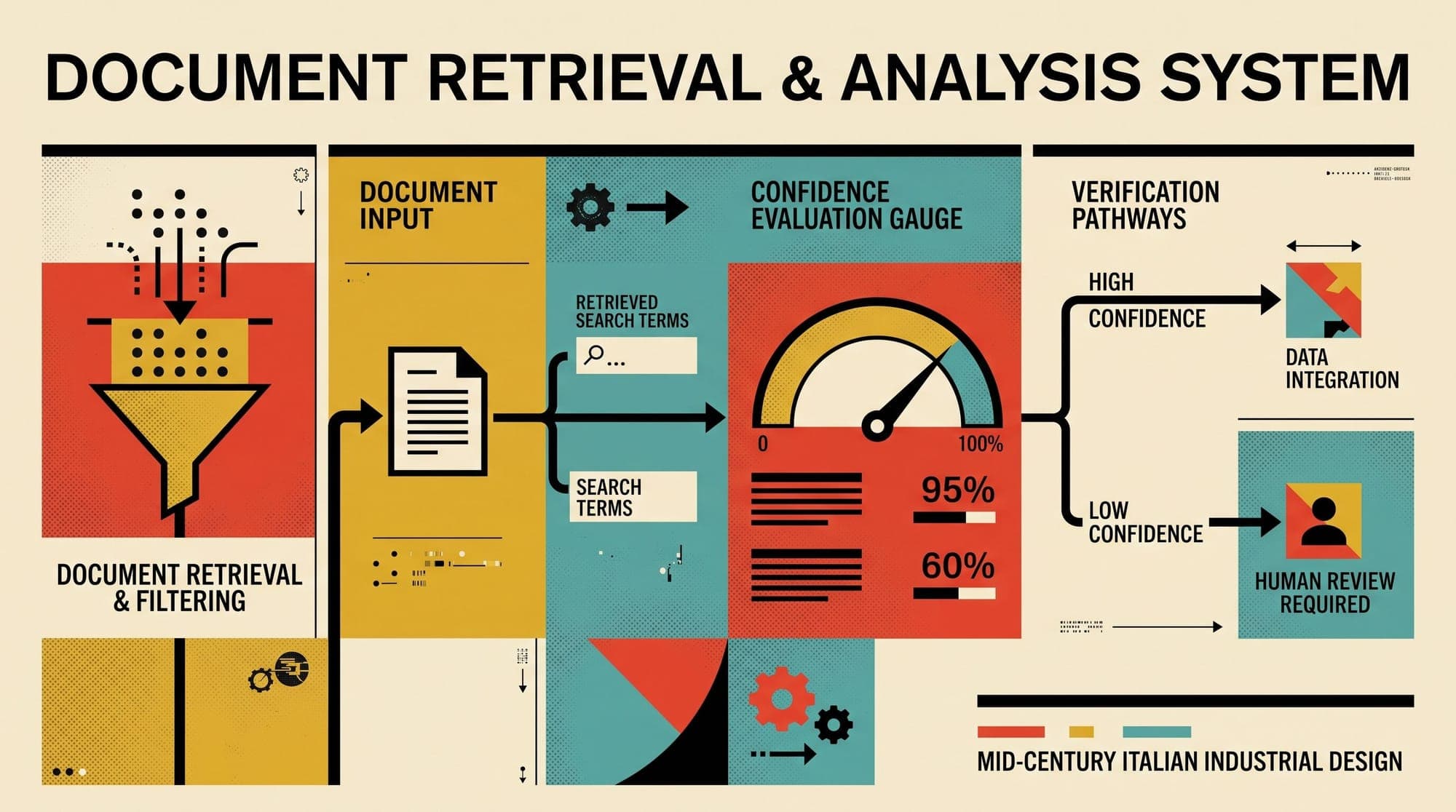
    Standard retrieval-augmented generation (RAG) pipelines follow a rigid, feed-forward paradigm: embed the query, fetch top-$k$ chunks via vector or hybrid search, inject the raw chunks into the prompt context, and sample a completion. While functional for homogeneous corpora with high semantic overlap, this naive retrieve-and-generate approach degrades rapidly in production environments. When a vector index returns irrelevant, noisy, or out-of-domain chunks, the generator inevitably suffers from

    1 min
  • Contextual Retrieval in Production RAG: Architecture, Prompt Caching Economics, Hybrid Fusion, and Reranking Pipelines

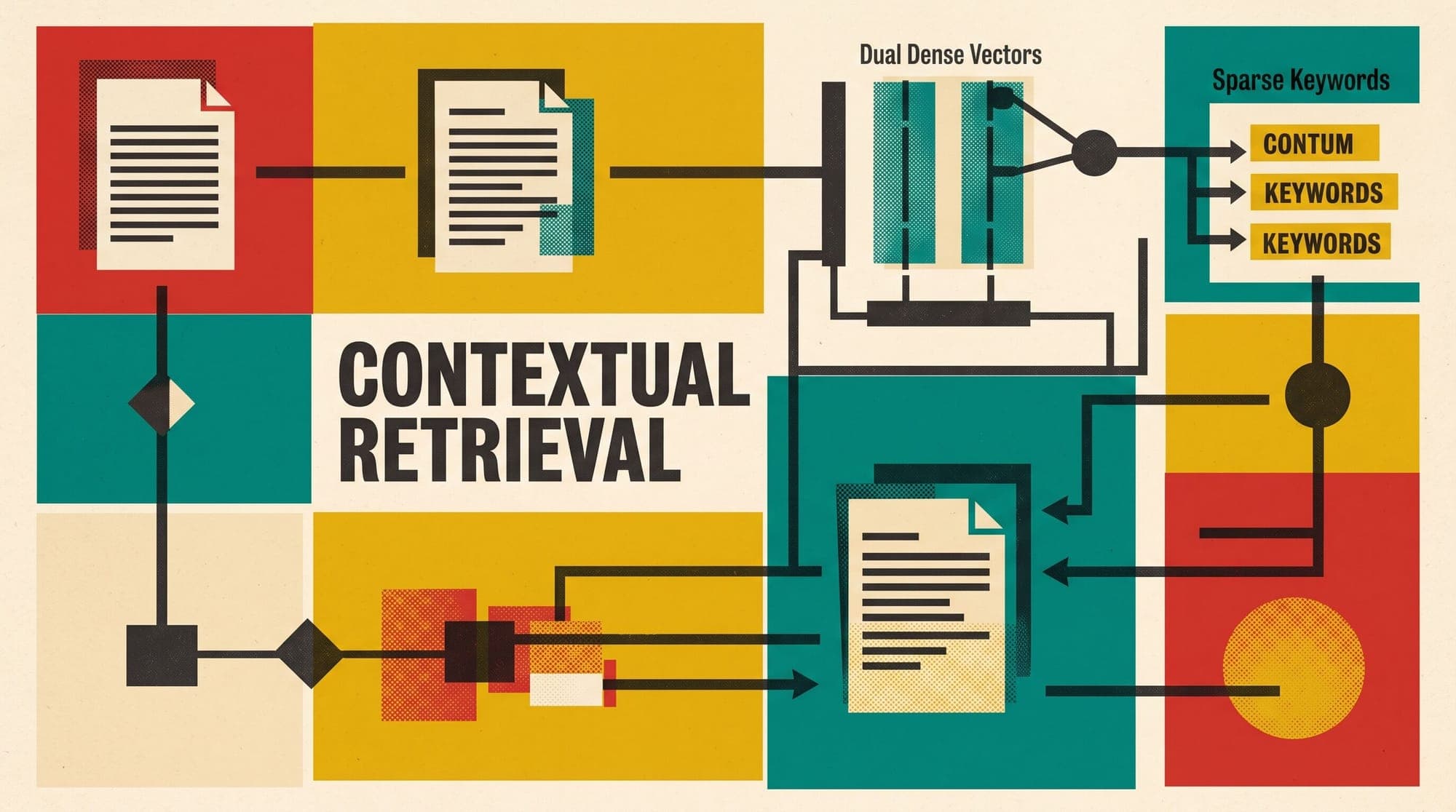
    Contextual Retrieval in Production RAG: Architecture, Prompt Caching Economics, Hybrid Fusion, and Reranking Pipelines Standard Retrieval-Augmented Generation (RAG) architectures suffer from an inherent design flaw at the preprocessing stage: chunking destroys document hierarchy. When a system divides a large document corpus into fixed-size passages (such as 300 to 800 tokens) or applies semantic boundaries, the resulting chunks lose their surrounding narrative, parent headings, entity definiti

    1 min
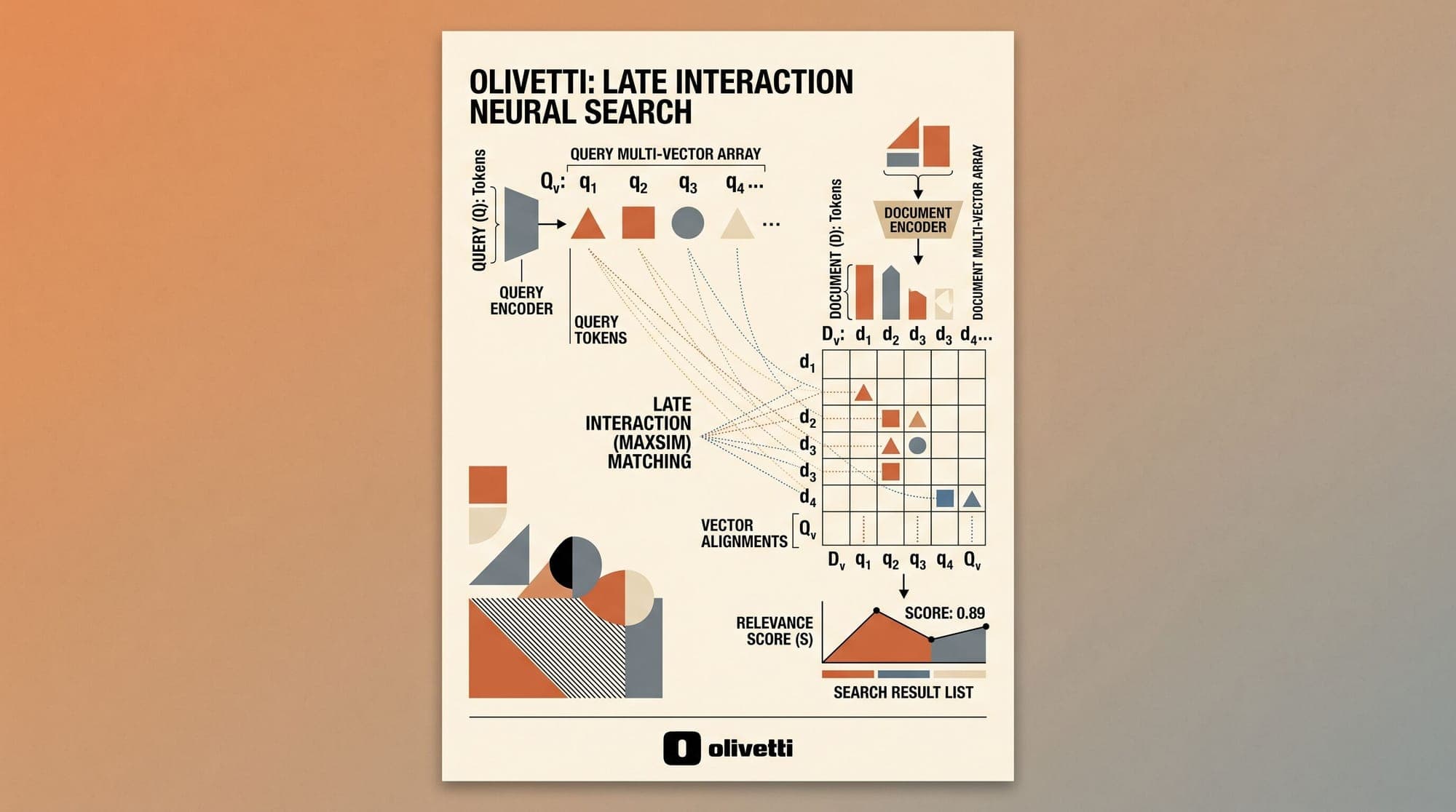
  • Late Interaction and ColBERT: How Multi-Vector Embeddings and the MaxSim Operator Transform Neural Retrieval

    Information retrieval systems have long wrestled with a fundamental tension between computational efficiency and semantic expressiveness. Traditional dense bi-encoders like DPR compress an entire passage into a single dense vector, allowing sub-linear approximate nearest neighbor (ANN) search over millions of documents. However, forcing multi-sentence passages into a single vector representation creates an information bottleneck that discards fine-grained token-level nuances, entities, and keywo

    1 min