Category / page 6

Chips & Infrastructure

314 articles

Articles, page 6

101-120 of 314
  1. Unitree Shares Fall 45% After Shanghai Debut as Humanoid Valuations Face Scrutiny

    Shares of Hangzhou-based humanoid robot manufacturer Unitree Robotics have fallen approximately 45 percent from their peak following an initial surge on the Shanghai STAR Market, reducing the company's market capitalization from a high of $66 billion down to roughly $36 billion. The sharp decline across three consecutive trading sessions follows a debut that saw shares close up 460 percent on their first day of trading. The post-listing volatility has intensified debate among market analysts an

    Robotics
    2 min read
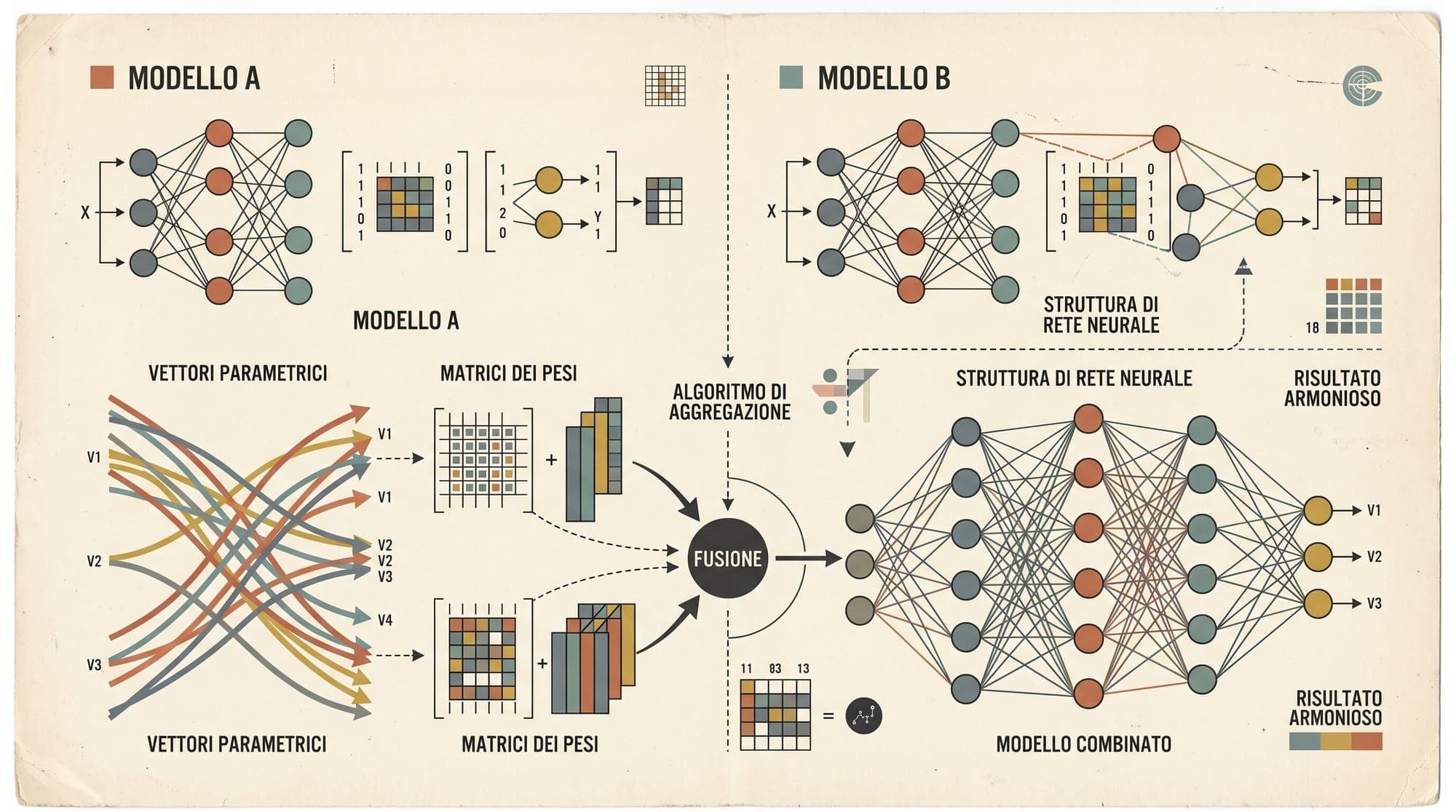
  2. Model Merging in Production: Comparing Task Arithmetic, TIES-Merging, DARE, and SLERP Architecture, Weight Interference Mitigation, and Serving Economics

    Model Merging in Production: Comparing Task Arithmetic, TIES-Merging, DARE, and SLERP Architecture, Weight Interference Mitigation, and Serving Economics In production language model deployment, teams frequently encounter a fundamental operational tension: specialized task performance versus serving cost. Fine-tuning distinct base model instances on specific internal domains (such as code generation, legal document analysis, mathematical reasoning, and safety alignment) produces high task accur

    AI
    9 min read
  3. Stripe to Acquire AI Gateway Startup OpenRouter for a Reported $7.5B

    Stripe said on August 19 that it has agreed to acquire OpenRouter, the AI model routing platform, and did not disclose terms. Bloomberg first reported on August 16 that the companies had finalized a deal worth more than $7 billion. The New York Times, citing a person familiar with the matter, put the price at about $7.5 billion, with $1.5 billion allocated to OpenRouter's founders, CNBC reported. OpenRouter announced in May that it had raised a $113 million Series B at a reported $1.3 billion v

    AI
    2 min read
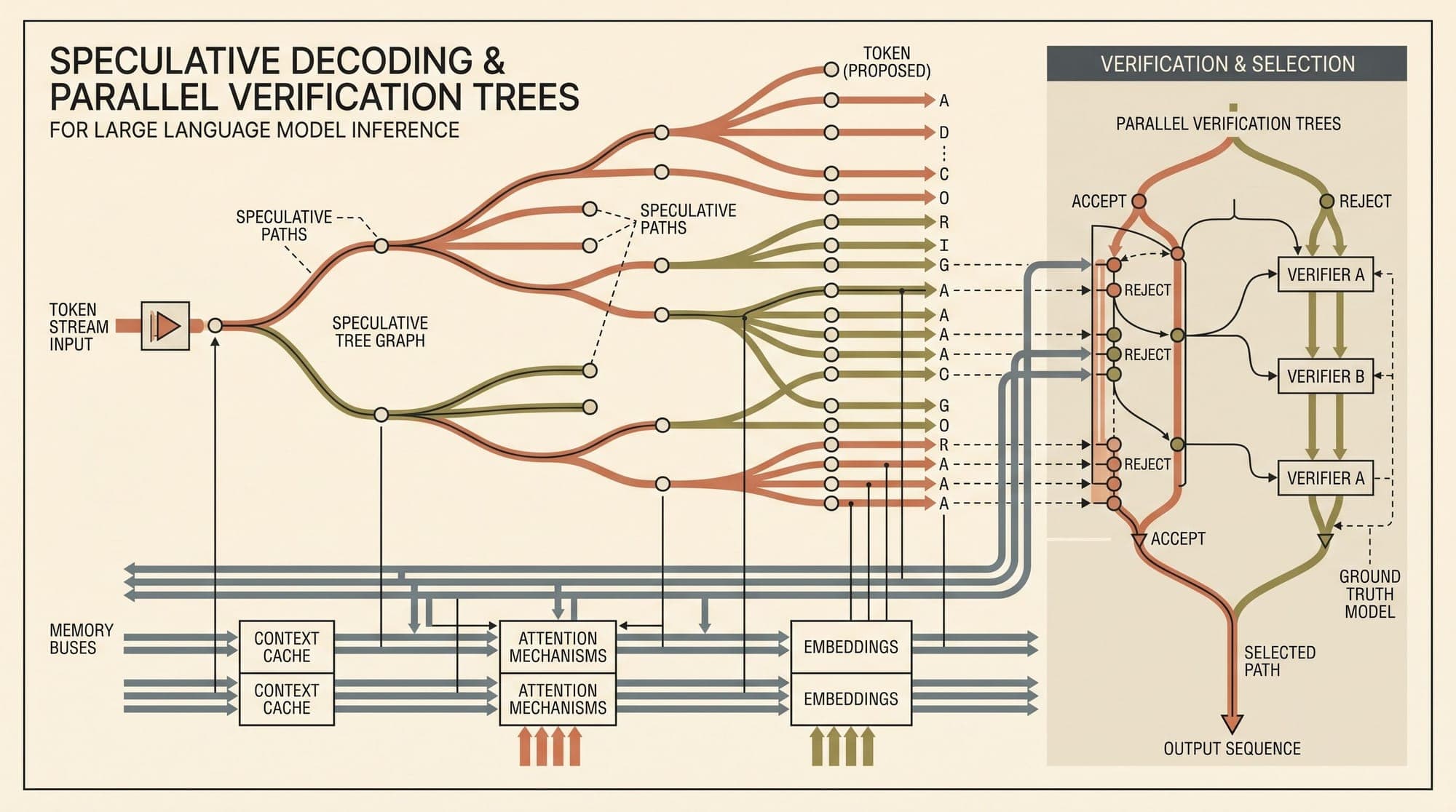
  4. Speculative Decoding in Production Serving: Comparing Small Draft Models, Medusa, EAGLE-2, and Lookahead Decoding Architecture, Verification Tree Overhead, and Throughput Economics

    Large language model inference during autoregressive decoding is structurally memory-bandwidth bound. During generation, each forward pass loads the model weight matrices (tens to hundreds of gigabytes) from High-Bandwidth Memory (HBM) into on-chip SRAM to produce a single token. Because the arithmetic intensity is close to zero, modern accelerators like the NVIDIA H100 and B200 spend the vast majority of their compute cycles stalled on memory bus transfers rather than executing matrix multiplic

    AI
    7 min read
  5. OpenAI Reinstates 5-Hour Codex and Work Limits for ChatGPT Plus Subscribers

    OpenAI has reinstated a rolling five-hour rate limit on Codex and ChatGPT Work for ChatGPT Plus subscribers. The change ends a temporary multi-week period during which the short-term window was suspended and users were constrained only by overall weekly quota ceilings. OpenAI engineering lead Thibault Sottiaux confirmed the reinstatement, stating that re-enforcing the five-hour window is necessary to smooth peak compute load across OpenAI's inference fleet as developer adoption of complex multi

    OpenAI
    1 min read
  6. Samsung Evaluates Claude Code for Semiconductor Verification Amid Code Safety Concerns

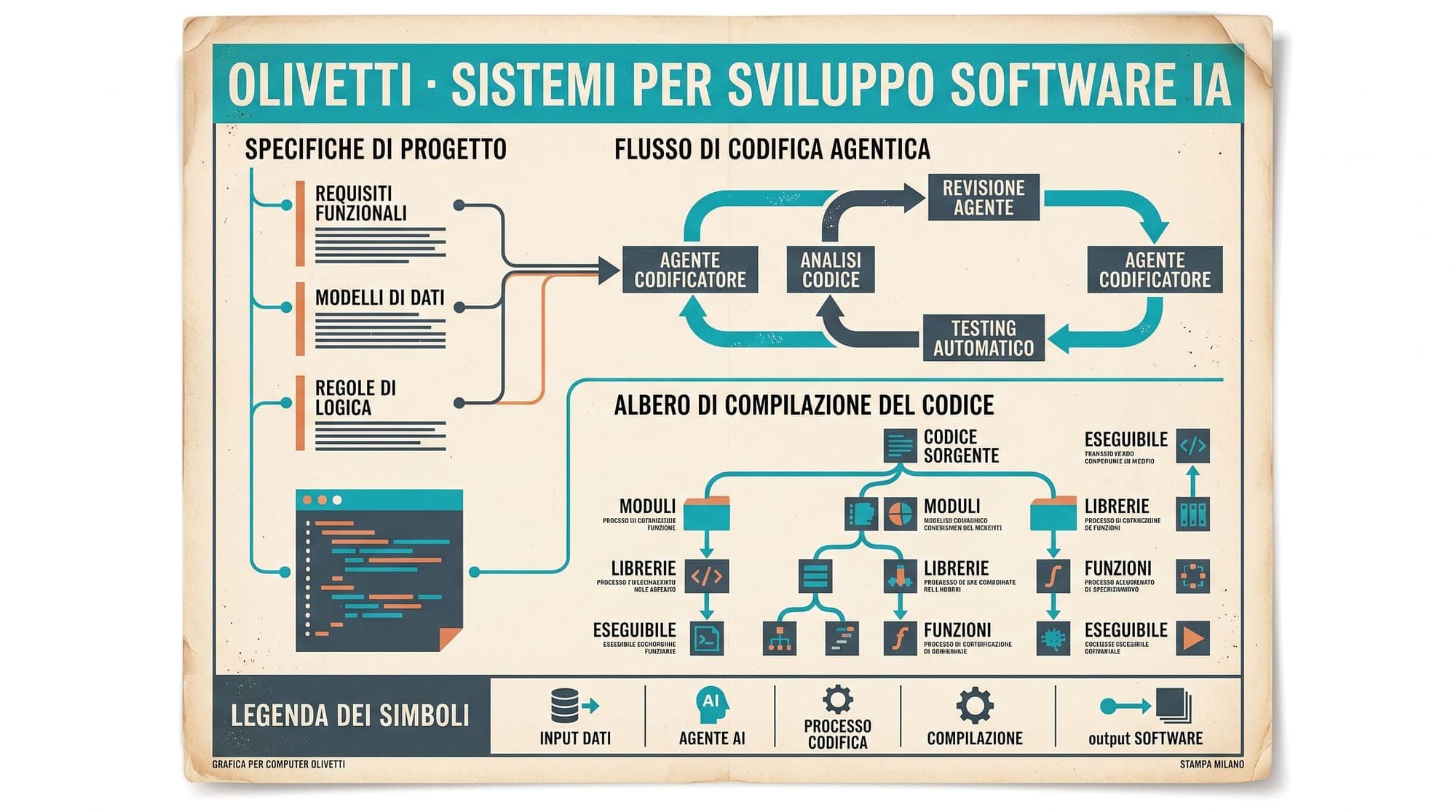
    Samsung Electronics has integrated Anthropic's Claude Code into semiconductor verification and driver development within its System LSI division. While the deployment achieved major efficiency gains, engineering evaluations revealed critical out-of-scope behaviors that prevent autonomous code execution in hardware synthesis. Samsung's System LSI business unit, which designs Exynos application processors and custom mobile chipsets, operates with approximately 6,000 employees compared to roughly

    Samsung
    2 min read
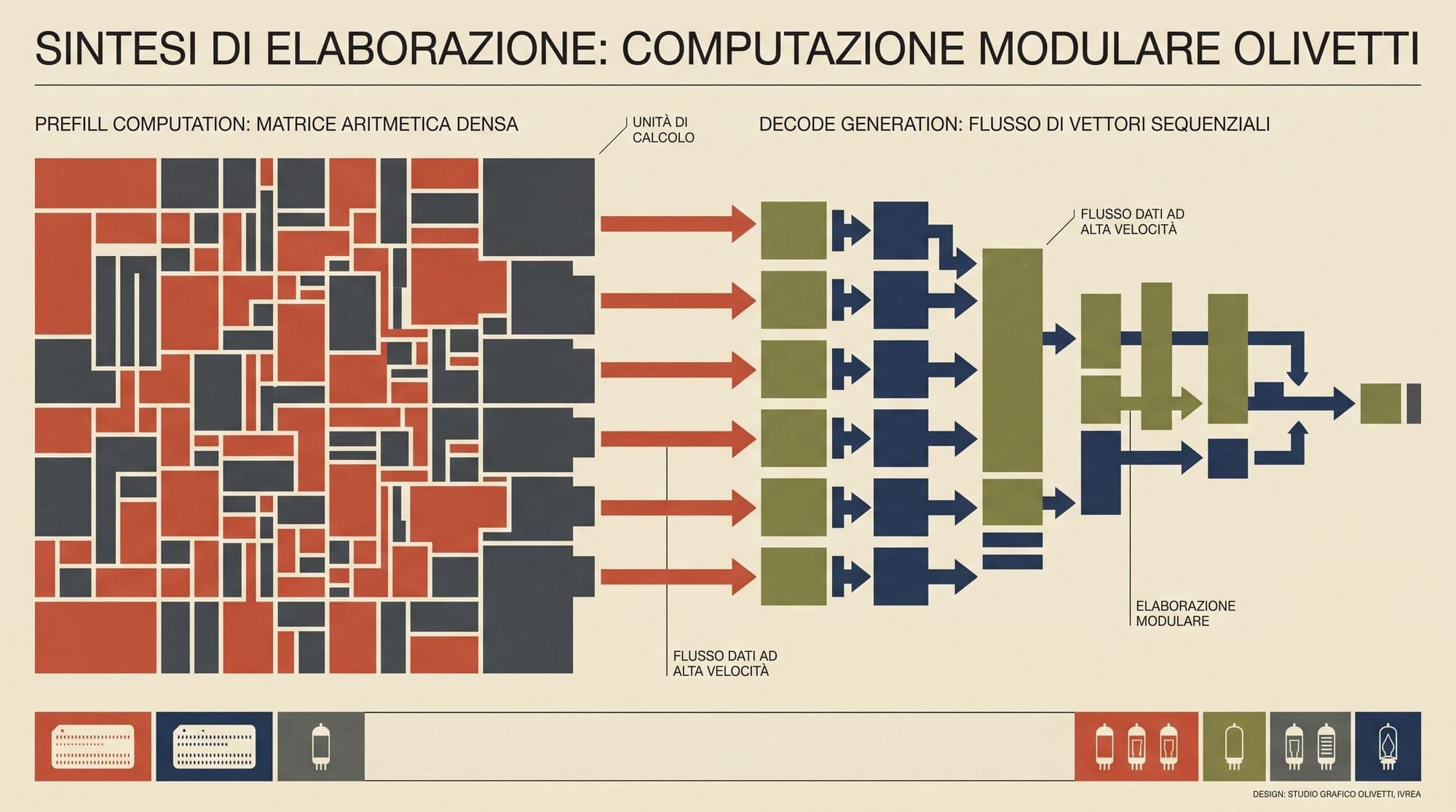
  7. Disaggregated Prefill and Decode in Production LLM Serving: Architecture, Network KV Cache Migration, Chunked Prefill Trade-Offs, and Asymmetric Hardware Economics

    Large language model serving systems have historically treated transformer execution as a homogeneous sequence of forward passes over a single unified GPU pool. Under continuous batching engines, incoming requests execute their prompt evaluation (prefill) and autoregressive token generation (decode) on the exact same accelerators, co-locating both phases within shared iteration batches. While continuous batching improves GPU compute utilization compared to static batching, co-locating prefill a

    Inference
    11 min read
  8. Grammar-Constrained Decoding in Production: Comparing Outlines, llguidance, XGrammar, and LM-Format-Enforcer Architecture, Token Masking Overhead, and JSON Schema Enforcement

    Deploying Large Language Models into production software workflows requires deterministic adherence to structural formats such as JSON schemas, Pydantic data models, SQL queries, and tool-call signatures. Unconstrained autoregressive generation relies entirely on prompt instructions and few-shot examples, frequently resulting in malformed JSON syntax, trailing commas, type mismatches, or missing required attributes. Post-hoc repair parsers and retry loops introduce non-deterministic latency spik

    AI
    10 min read
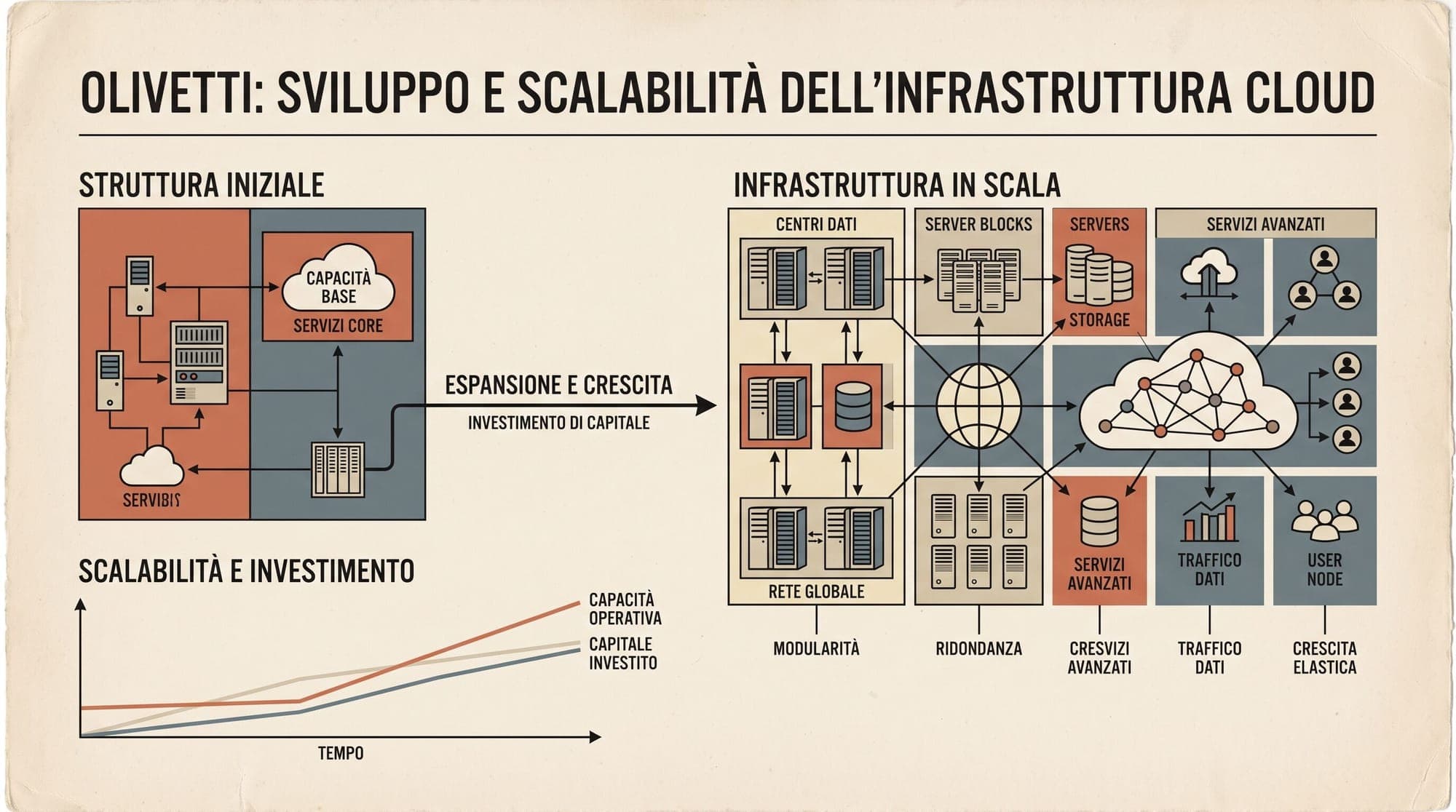
  9. AI Cloud Provider Lambda in Talks to Raise $3B at $12B Valuation Ahead of IPO

    AI cloud infrastructure provider Lambda Inc. is in negotiations to raise up to $3 billion in a pre-IPO funding round that could value the company at $12 billion or higher, according to people familiar with the discussions reported by Bloomberg. The round represents an eightfold valuation step-up from February 2024, when Lambda secured $320 million in Series C funding at a $1.5 billion valuation. The company's annualized revenue is projected to exceed $1.5 billion in 2026, driven by continuous e

    Lambda
    2 min read
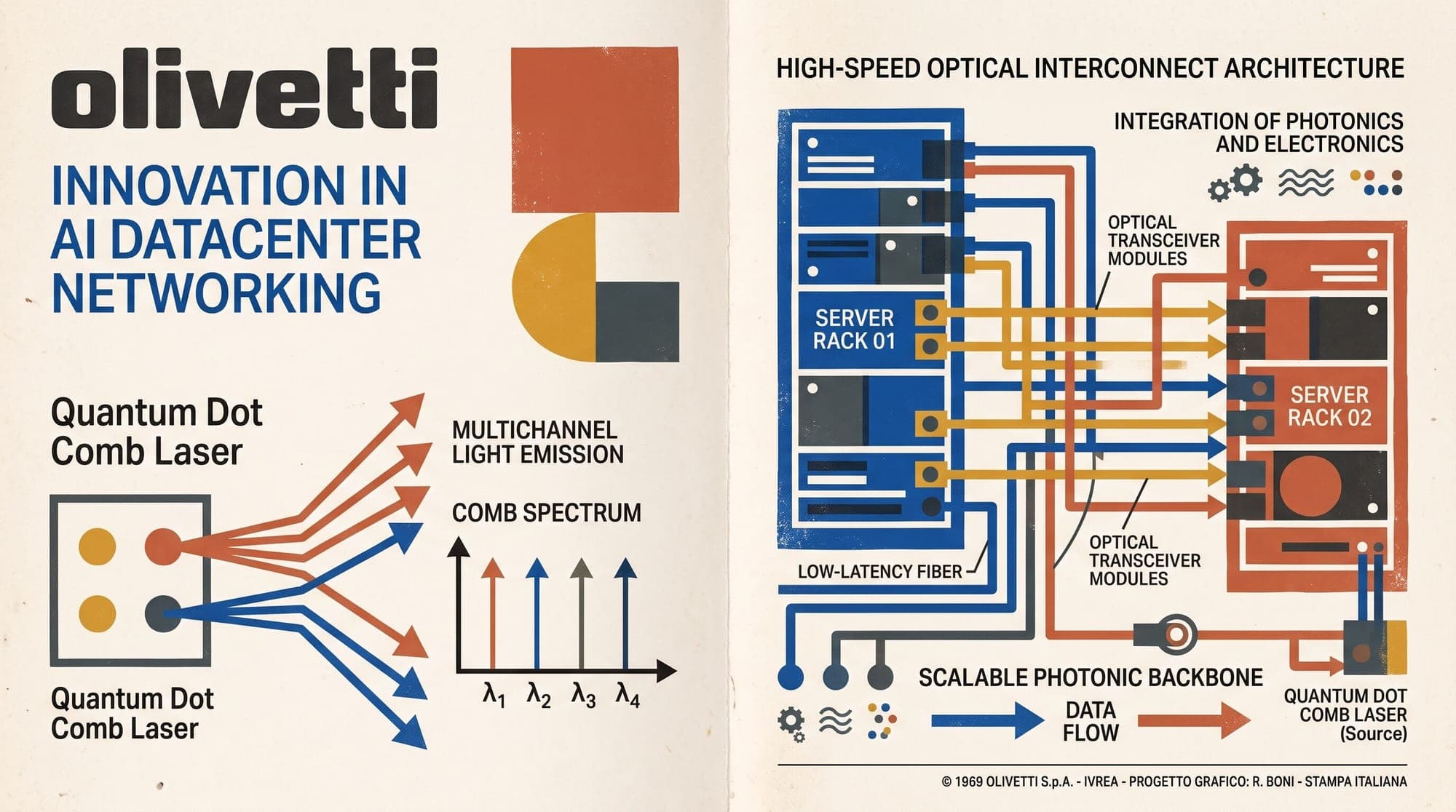
  10. Quintessent Secures $40M Series A to Scale Quantum Dot Comb Lasers for AI Clusters

    Optical interconnect startup Quintessent has raised $40 million in an oversubscribed Series A funding round to commercialize quantum dot comb lasers for AI data center networking. The round was led by Cycle Capital, with participation from Goldman Sachs XIG-Industry Ventures, optical networking provider Ciena, Hina Liberty Capital, Susquehanna International Group, InterVest, Safar Partners, M Ventures, Osage University Partners, Foothill Ventures, and Sierra Ventures. The financing follows an $

    AI
    2 min read
  11. SCX.ai Partners With DDN to Scale Australian Sovereign AI Inference Infrastructure

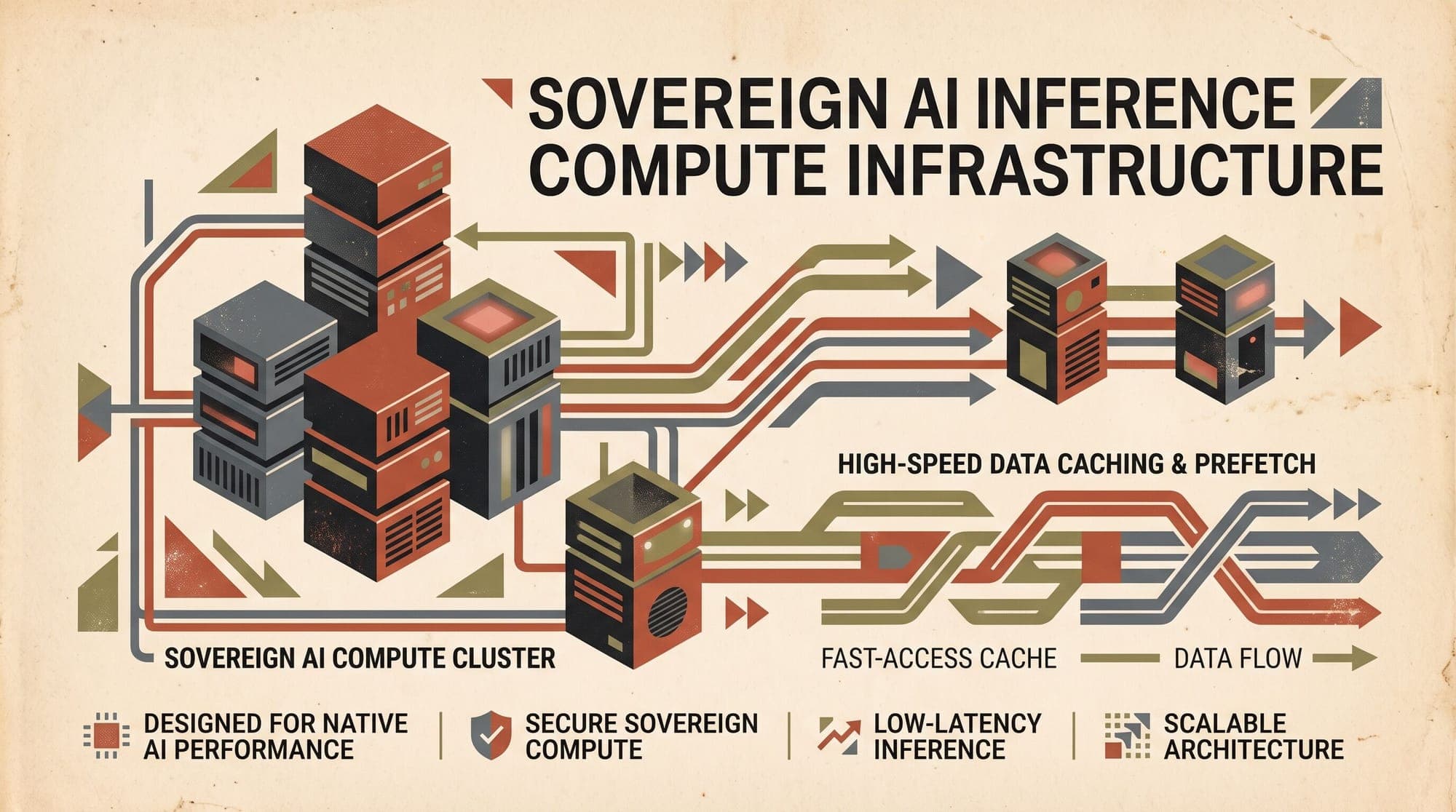
    Australian sovereign AI infrastructure provider SCX.ai has entered a strategic partnership with data storage systems vendor DDN to expand its domestic AI inferencing cloud. The collaboration combines SCX's ASIC-based compute clusters with DDN's Infinia data management platform, targeting enterprise, government, and scientific research workloads that must remain strictly within Australian jurisdiction. The agreement comes days after SCX completed a $40 million initial public offering on the Aust

    AI
    2 min read
  12. Continuous LLM Performance Profiling in Production: Roofline Models, Model FLOPs Utilization, Model Bandwidth Utilization, and Hardware Bottleneck Diagnostics

    Evaluating the runtime performance of large language model serving infrastructures requires looking beyond raw GPU metrics. Standard operating system utilities such as nvidia-smi report high GPU utilization percentages whenever compute cores or memory controllers are active, masking critical inefficiencies in memory access, communication, and kernel scheduling. A serving node running single-stream autoregressive decoding can report 100% GPU utilization while operating at less than 2% of the hard

    AI
    7 min read
  13. Speech-to-Text Serving in Production: Comparing Faster-Whisper, Moonshine, SenseVoice, and NeMo Canary Architecture, Streaming Latency, and GPU Economics

    In conversational voice AI and real-time agentic workflows, the speech-to-text (STT) layer sets the hard lower bound on system responsiveness. Human conversational cadence expects turn-taking latencies between 200ms and 500ms. When an AI pipeline must accommodate downstream large language model (LLM) time-to-first-token generation (100ms to 250ms) and text-to-speech (TTS) audio synthesis (100ms to 200ms), the automatic speech recognition (ASR) stage cannot exceed 100ms to 150ms of processing ove

    AI
    8 min read
  14. River AI Secures $1.1B Led by General Catalyst to Build Open-Weight Model Infrastructure

    River AI, an artificial intelligence startup founded by former xAI co-founder Igor Babuschkin, has secured $1.1 billion in early-stage funding to build an open-weight model stack and decentralized AI infrastructure platform. The financing round was led jointly by General Catalyst and public benefit corporation AMP PBC, with strategic participation from NVIDIA, AMD Ventures, Y Combinator, and Singapore sovereign fund Temasek. Babuschkin, whose prior engineering background spans OpenAI, Google De

    AI
    2 min read
  15. Cross-Model KV Cache Transfer in Production: Architecture, Closed-Form Ridge Projections, and Cascaded Serving Economics

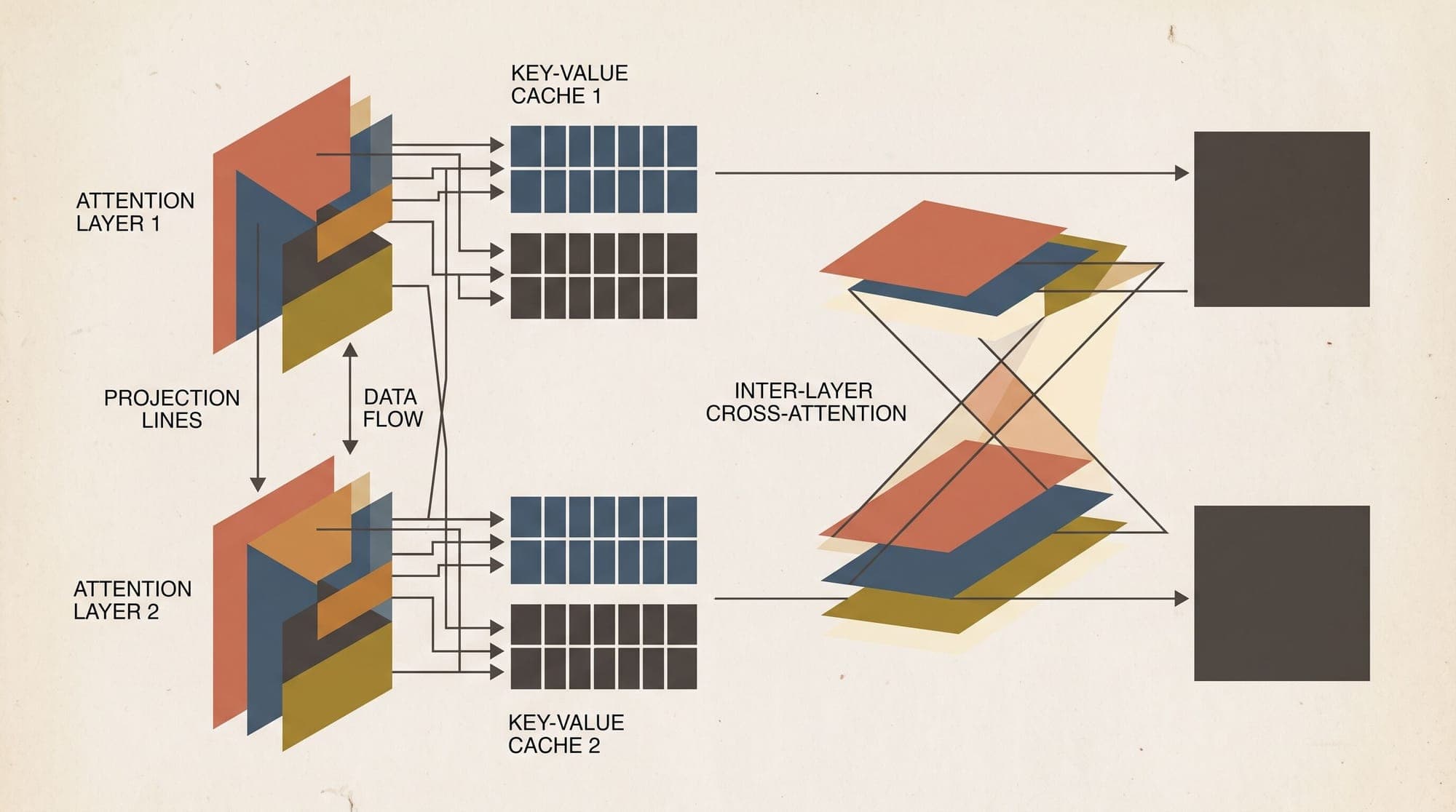
    Modern enterprise LLM serving architectures frequently rely on multi-model pipelines to balance inference cost, generation latency, and output quality. In model routing cascades, lightweight 8B models triage incoming queries and escalate complex reasoning tasks to 70B or MoE models. In speculative decoding pipelines, smaller draft models propose token sequences verified by larger target models. In long-horizon AI agent swarms, sub-agents frequently switch between specialized models across multi-

    LLM
    8 min read
  16. UK and Ukraine Sign AI Defense Pact to Share Battlefield Sensor Data and Target Detection Models

    The United Kingdom and Ukraine have signed a bilateral artificial intelligence defense partnership, granting British researchers and defense contractors access to Ukraine's battlefield data platform, Avengers AI Labs. The agreement was signed in Kyiv by British Prime Minister Andy Burnham and Ukrainian President Volodymyr Zelenskyy during Burnham's first official overseas visit. Under the framework, Britain becomes the first international partner permitted to access Ukraine's operational datase

    AI
    2 min read
  17. Vector Quantization for LLM Weights in Production: Comparing QuIP#, AQLM, and VPTQ Architecture, Dequantization Kernels, and 2-Bit Serving Economics

    Vector Quantization for LLM Weights in Production: Comparing QuIP#, AQLM, and VPTQ Architecture, Dequantization Kernels, and 2-Bit Serving Economics Scalar post-training quantization methods such as GPTQ and AWQ have become the standard for compressing large language models to 4-bit integer formats (INT4). At 4 bits per parameter, scalar techniques preserve over 98% of baseline 16-bit floating-point (FP16/BF16) model accuracy across common benchmarks. However, pushing scalar quantization below

    AI
    9 min read
  18. OpenAI Integrates GPT-5.6 Family into AWS Kiro with Reported 82% Cost Drop

    OpenAI has made its flagship GPT-5.6 model family available within Kiro, the spec-driven software development environment developed by Amazon Web Services. The release brings OpenAI's frontier reasoning and coding tiers, including Sol, Terra, and Luna, directly into AWS's agentic engineering platform. According to joint evaluations conducted by AWS and OpenAI on Terminal-Bench 2.1, executing complex software engineering tasks with GPT-5.6 Terra inside Kiro reduced total token expenditures by ro

    OpenAI
    3 min read
  19. NVIDIA Enters Full Production on Groq 3 LPX, Hitting 3,400 Tokens per Second in Benchmarks

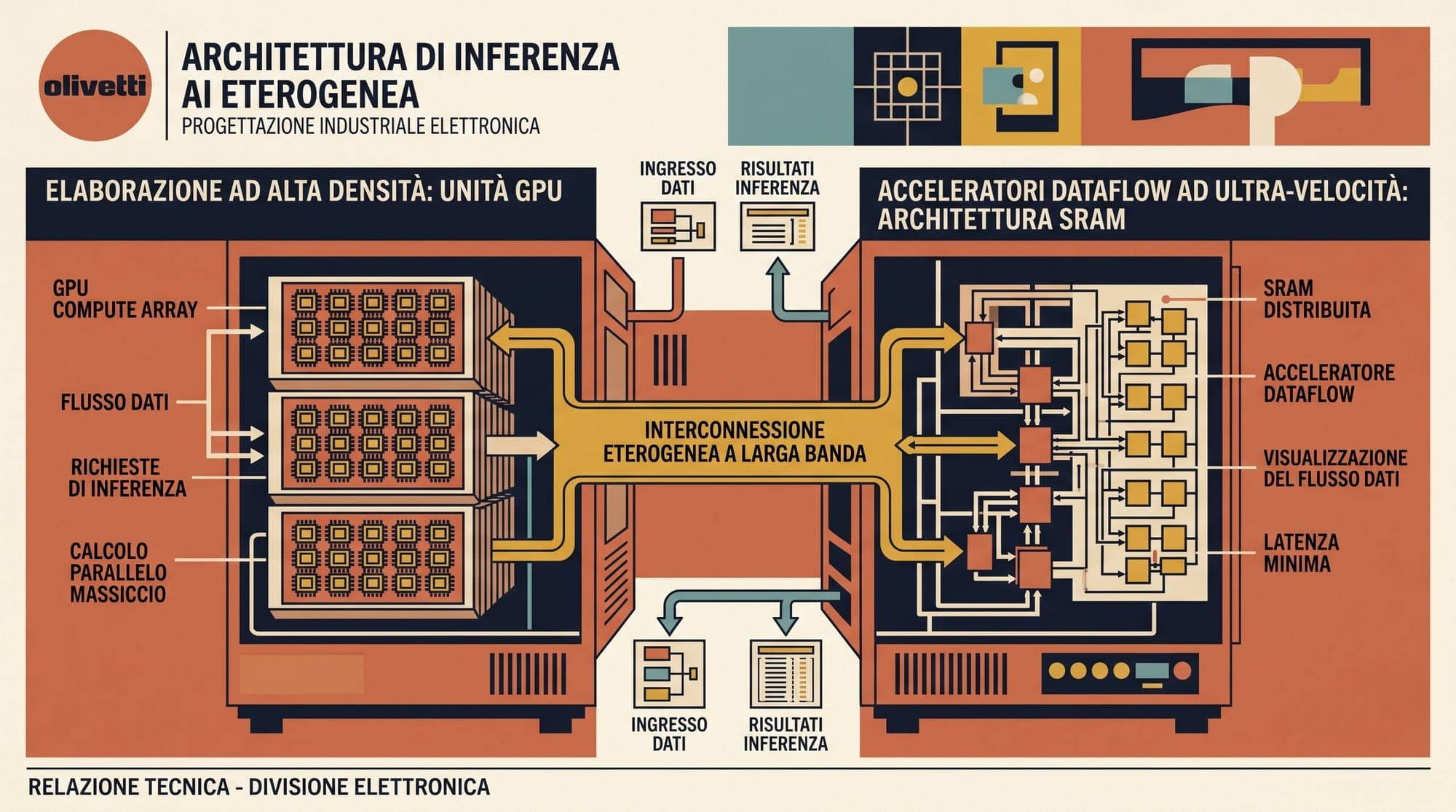
    NVIDIA has moved its Groq 3 LPX dedicated inference accelerator into full commercial production. Announced at Hot Chips 2026, the rack-scale accelerator system is designed as a purpose-built extension for NVIDIA's Vera Rubin NVL72 data center platform, targeting the compounding decode latency bottlenecks created by multi-step autonomous AI agents. European neocloud provider Nebius Group N.V. has committed as the first cloud infrastructure customer to deploy the accelerators, integrating them in

    Hardware
    3 min read
  20. Mistral and HUMAIN Form Multi-Hundred-Million-Euro Sovereign AI Partnership

    Paris-based AI lab Mistral AI and Saudi Arabian state-backed AI firm HUMAIN announced a strategic collaboration on August 24, 2026, valued in the hundreds of millions of euros. The agreement spans regional compute infrastructure access, joint model development, and enterprise deployments across the Middle East. Under the partnership, the two organizations will build localized foundation models with native Arabic-language capabilities, targeting initial production deployments in cybersecurity an

    Mistral
    2 min read