Category / page 7

Chips & Infrastructure

314 articles

Articles, page 7

121-140 of 314
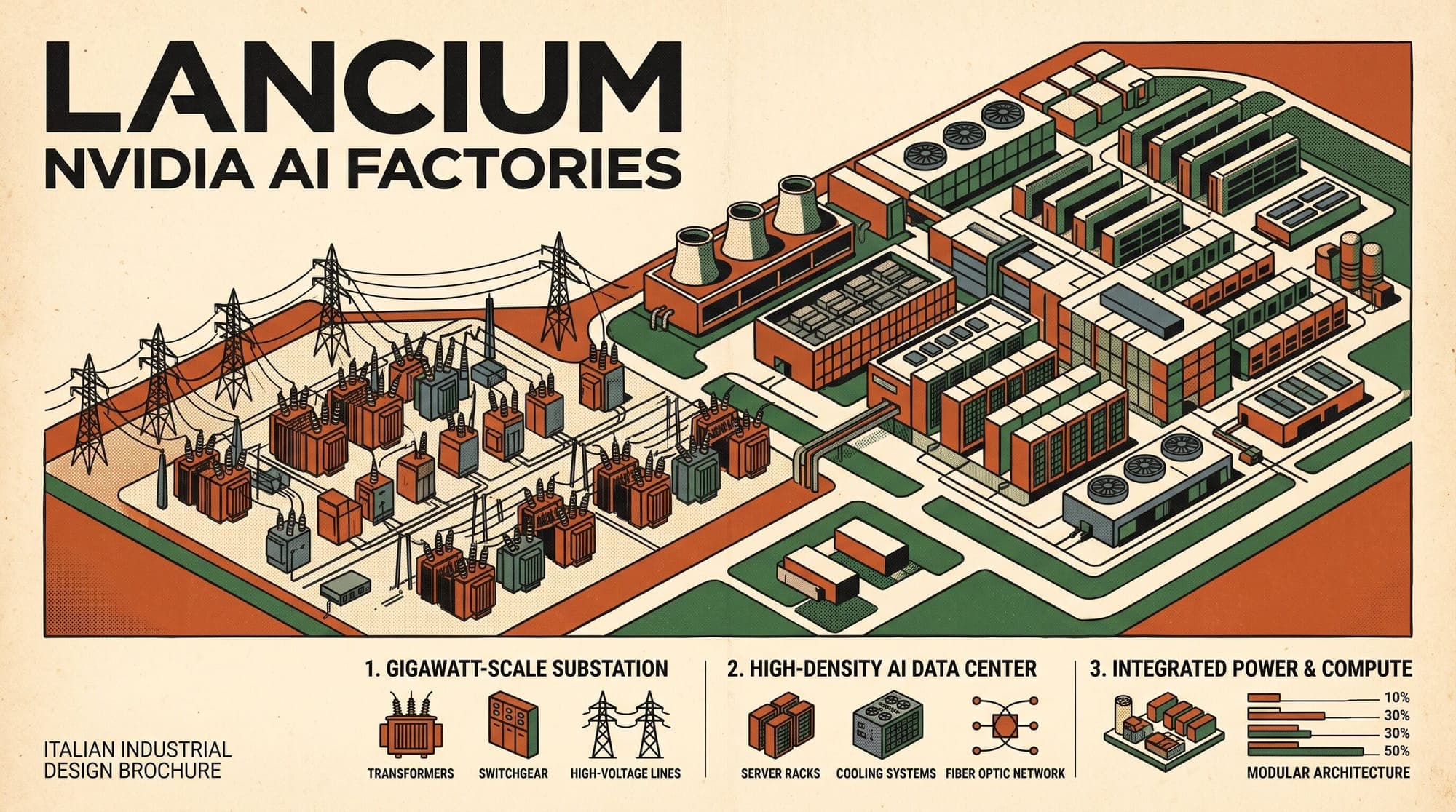
  1. Lancium and NVIDIA Partner on Gigawatt-Scale AI Factories Across 15GW Pipeline

    Texas energy infrastructure provider Lancium has entered a strategic partnership with NVIDIA to deploy NVIDIA's full AI factory technology stack across Lancium's multi-gigawatt clean energy data center portfolio. As part of the transaction, NVIDIA has taken a direct equity stake in Lancium, which is backed by funds managed by Blackstone Energy Transition Partners and Blackstone Multi-Asset Investing. The partnership combines Lancium's 4 gigawatts of operational and leased capacity and a pipelin
    AI
    2 min read
  2. AWS Backs Open Agentic Resource Discovery Specification for Agent Registry Federation

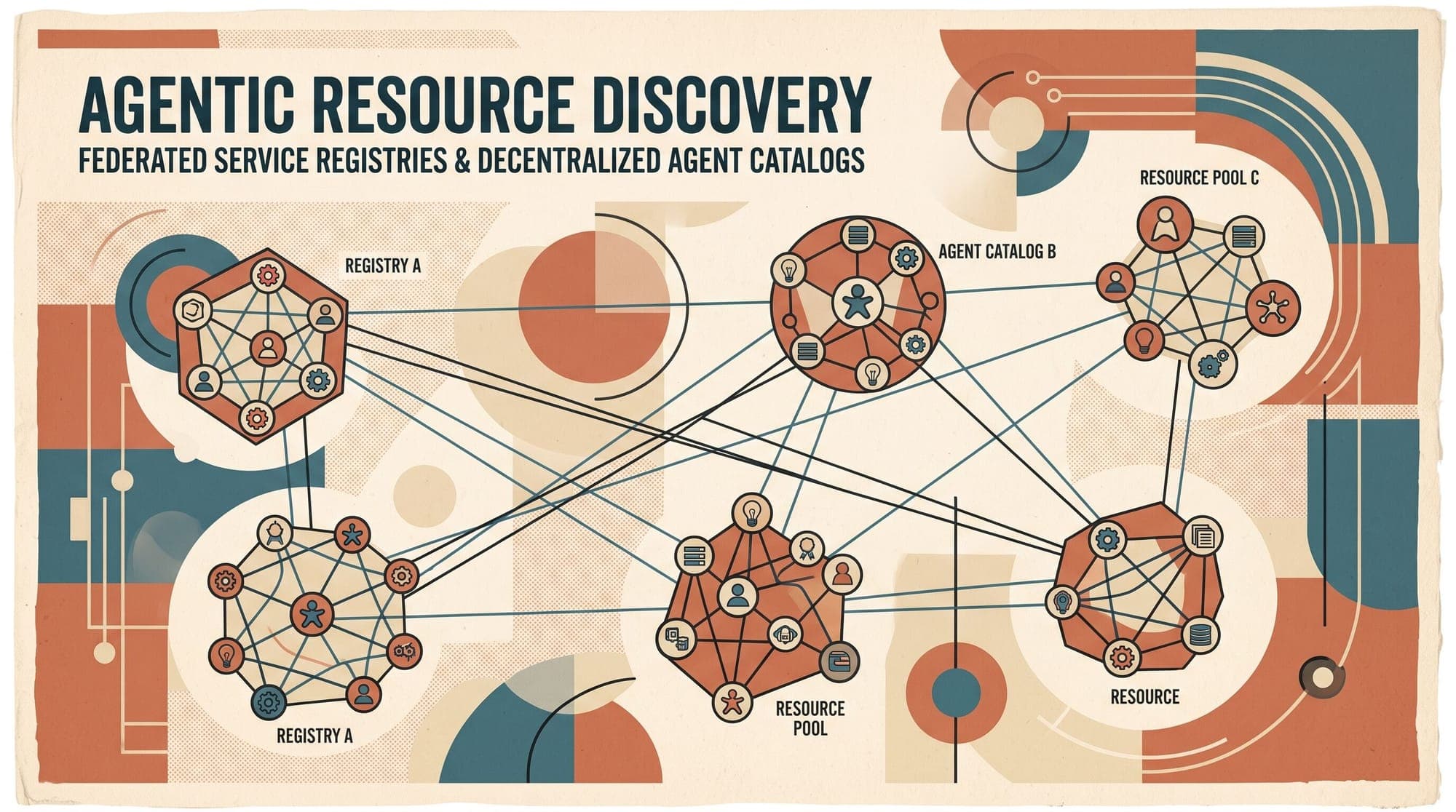
    Amazon Web Services announced support for the Agentic Resource Discovery (ARD) open specification, detailing how the federation standard will integrate with AWS Agent Registry, its managed catalog for AI agents, tools, and skills currently in preview within Amazon Bedrock AgentCore. The alignment targets cross-platform discovery across heterogeneous enterprise stacks. While AWS Agent Registry provides centralized indexing and access controls within an AWS environment, real-world deployments fre

    AWS
    2 min read
  3. SpaceXAI Deploys NVIDIA Vera CPUs for Gigawatt-Scale Agentic Infrastructure and Starmind Satellite

    SpaceXAI has selected NVIDIA's Vera central processing units to handle the CPU-bound orchestration and execution workloads powering its Grok models as its computing infrastructure expands toward gigawatts of capacity. The deployment spans both ground-based data centers and orbital systems, with SpaceXAI planning to base its first-generation Starmind AI satellite on an optimized Vera Rubin NVL72 rack architecture. While GPU clusters handle core model training and forward passes, agentic AI workf

    AI
    2 min read
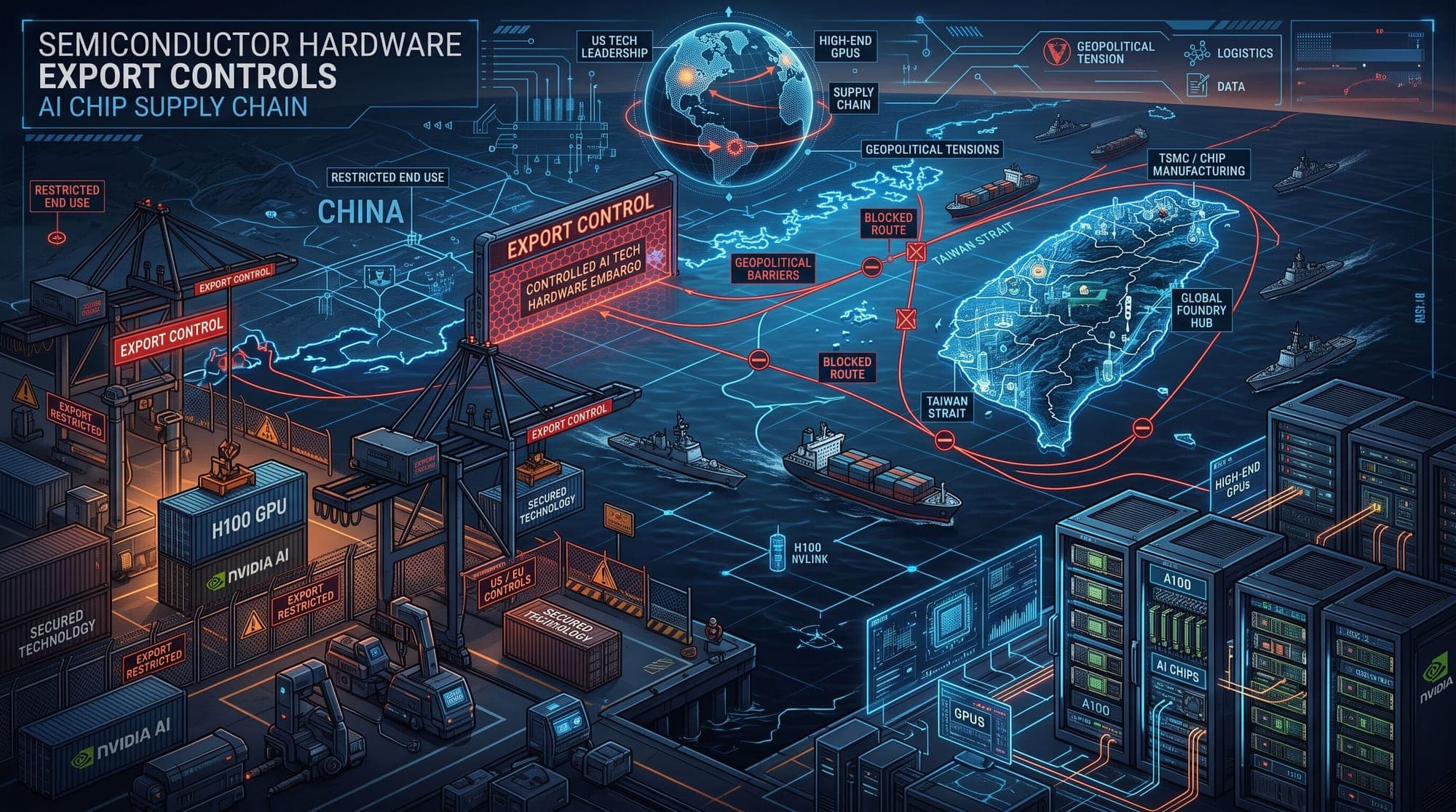
  4. Taiwan Indicts Nine in B300 AI Server Diversion Scheme to China

    Taiwan Indicts Nine in B300 AI Server Diversion Scheme to China Taiwan prosecutors have indicted nine individuals for allegedly circumventing international export controls to smuggle advanced AI servers equipped with Nvidia B300 GPUs into mainland China. The indictment, issued on August 24, 2026, by the Keelung District Prosecutors' Office, details an illicit sales channel that operated by falsifying compliance verifications from within the hardware supply chain. The defendants include a distr

    Hardware
    2 min read
  5. Ireland Reconsiders 1999 Nuclear Ban as Data Centers Consume 25% of Grid Power

    Irish lawmakers are moving to reconsider the country's statutory ban on nuclear energy as rapidly expanding data centers push national electricity demand to record levels. Data centers in Ireland now consume approximately 21% to 25% of the state's metered electricity, surpassing the combined consumption of all urban households. Grid operators project that share could rise to 30% or more by 2032, driven by hyperscale cloud expansions and artificial intelligence infrastructure. The mounting strai

    Infrastructure
    2 min read
  6. Ukrainian Officials Identify Nvidia Jetson Orin Modules in Autonomous Russian Strike Drones

    Ukrainian forensic examiners inspecting the wreckage of Russian strike drones have recovered Nvidia Jetson Orin microcomputers, confirming that Moscow is deploying commercial edge-computing hardware to run autonomous targeting systems on the battlefield. The findings, detailed in investigations by Ukrainian military specialists and reported by The New York Times, indicate that Russian engineers have integrated off-the-shelf edge AI accelerators into modified uncrewed aerial vehicles, including

    Hardware
    2 min read
  7. IBM Unveils 2nm Dual-Architecture Mainframe Processor with Native Arm and On-Chip AI Acceleration

    IBM unveiled the industry's first dual-architecture mainframe processor at the annual Hot Chips conference, detailing custom silicon capable of natively executing both IBM Z (s390x) and Arm (Arm64) instruction set architectures on the exact same physical cores. Fabricated on a leading-edge 2-nanometer process node, the upcoming processor is engineered to bridge traditional enterprise transaction processing with the modern, Arm-dominated software ecosystem, particularly containerized AI framewor

    IBM
    3 min read
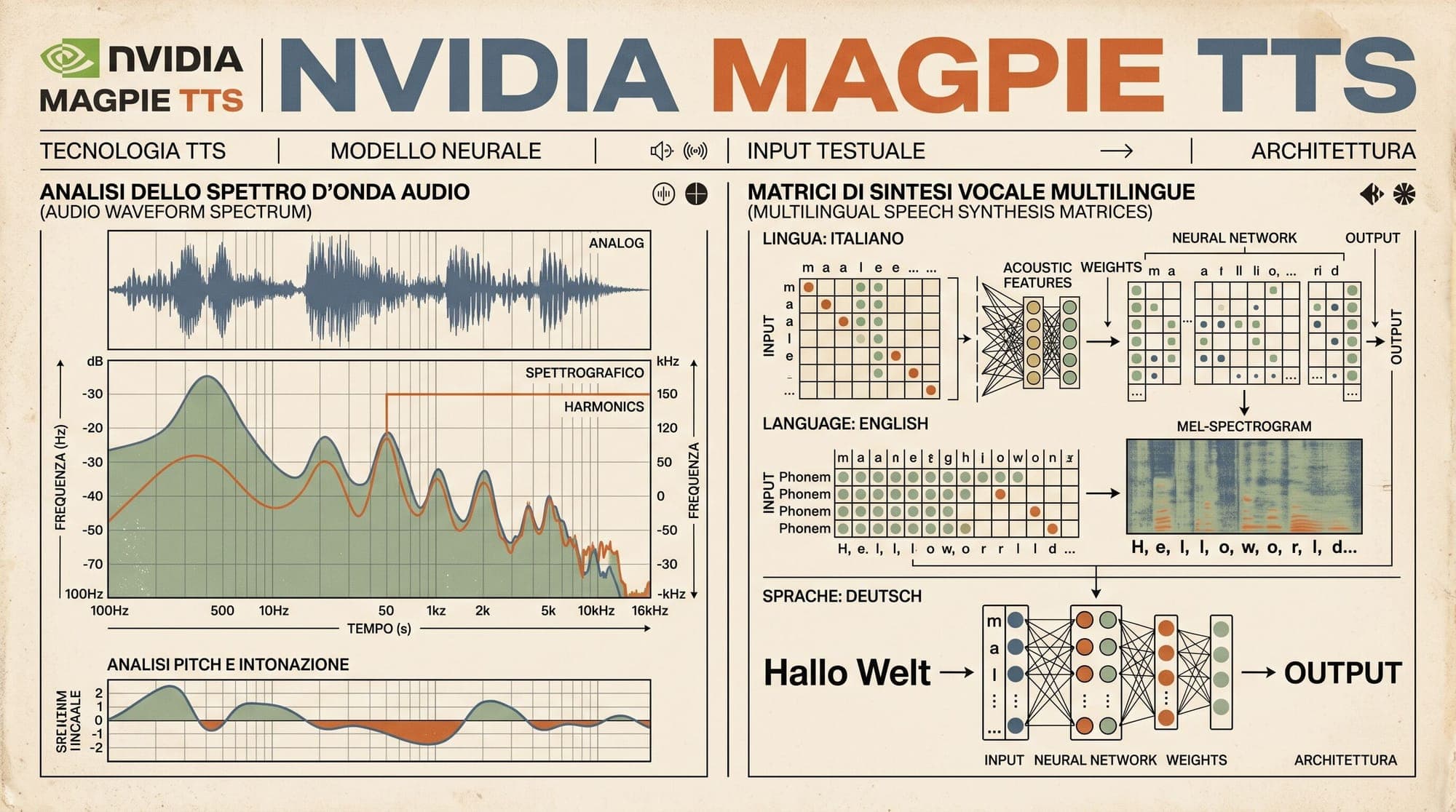
  8. NVIDIA Releases Magpie Multilingual TTS: 364M Open-Weight Model for Sub-200ms Voice Agents

    NVIDIA has released Magpie Multilingual TTS, a 364-million parameter open-weights text-to-speech model engineered for low-latency conversational AI agents. Released under the NVIDIA Open Model License, the model is available as open checkpoints on the Hugging Face Hub and as an optimized microservice container within NVIDIA NIM. The release expands language support to 12 languages: English, Spanish, French, German, Italian, Vietnamese, Mandarin, Hindi, Japanese, Modern Standard Arabic, Korean,

    AI
    2 min read
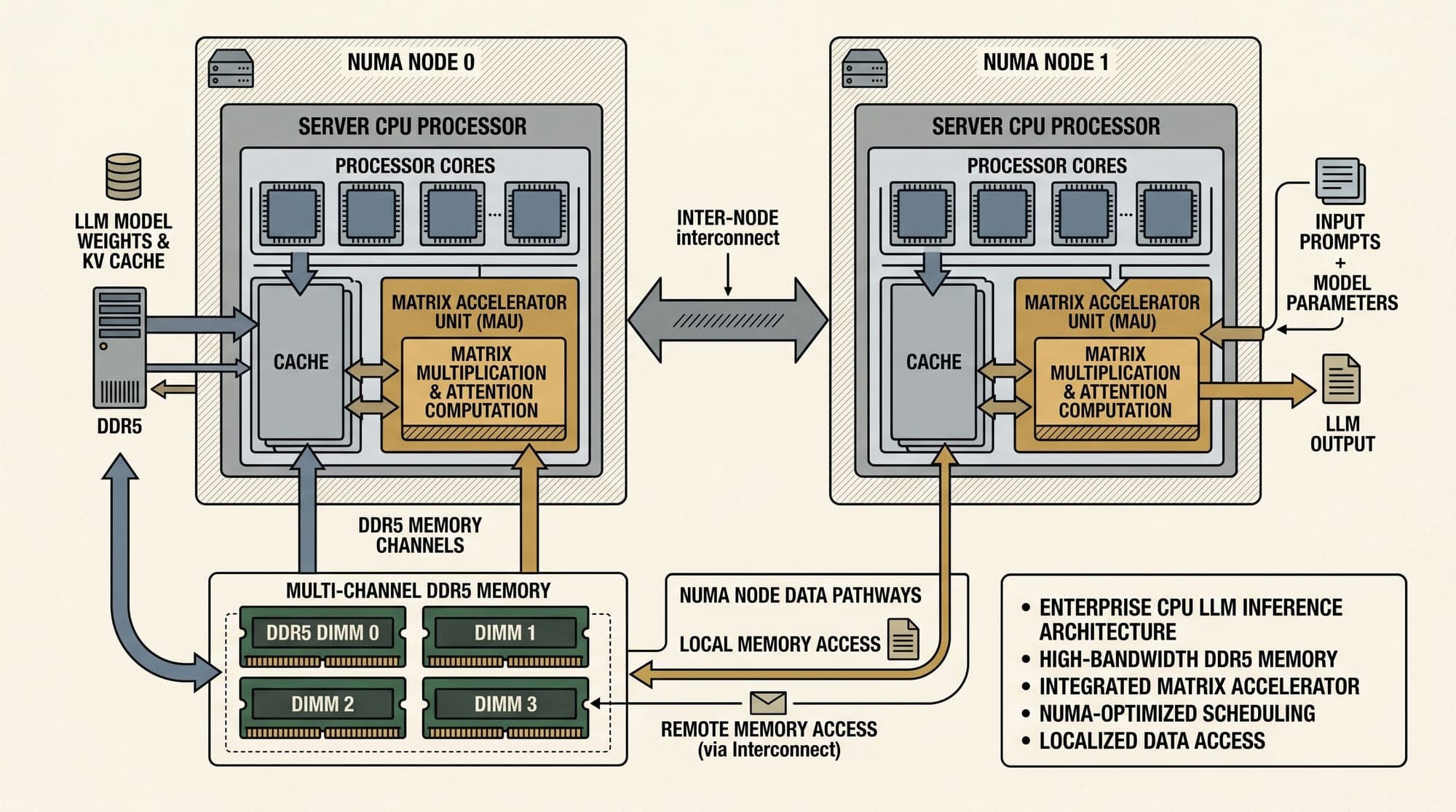
  9. LLM Inference on Enterprise CPUs in Production: Architecture, NUMA Topologies, Matrix Extensions, and Serving Economics

    Deploying large language models has historically been treated as an exclusively GPU-centric problem. Accelerators like NVIDIA H100 and A100 GPUs provide multi-terabyte-per-second High Bandwidth Memory (HBM) and tensor cores essential for training and high-concurrency serving. However, the operational economics of enterprise inference often diverge from frontier training requirements. Many enterprise applications, including internal code assistance, document extraction, low-concurrency agents, an

    AI
    6 min read
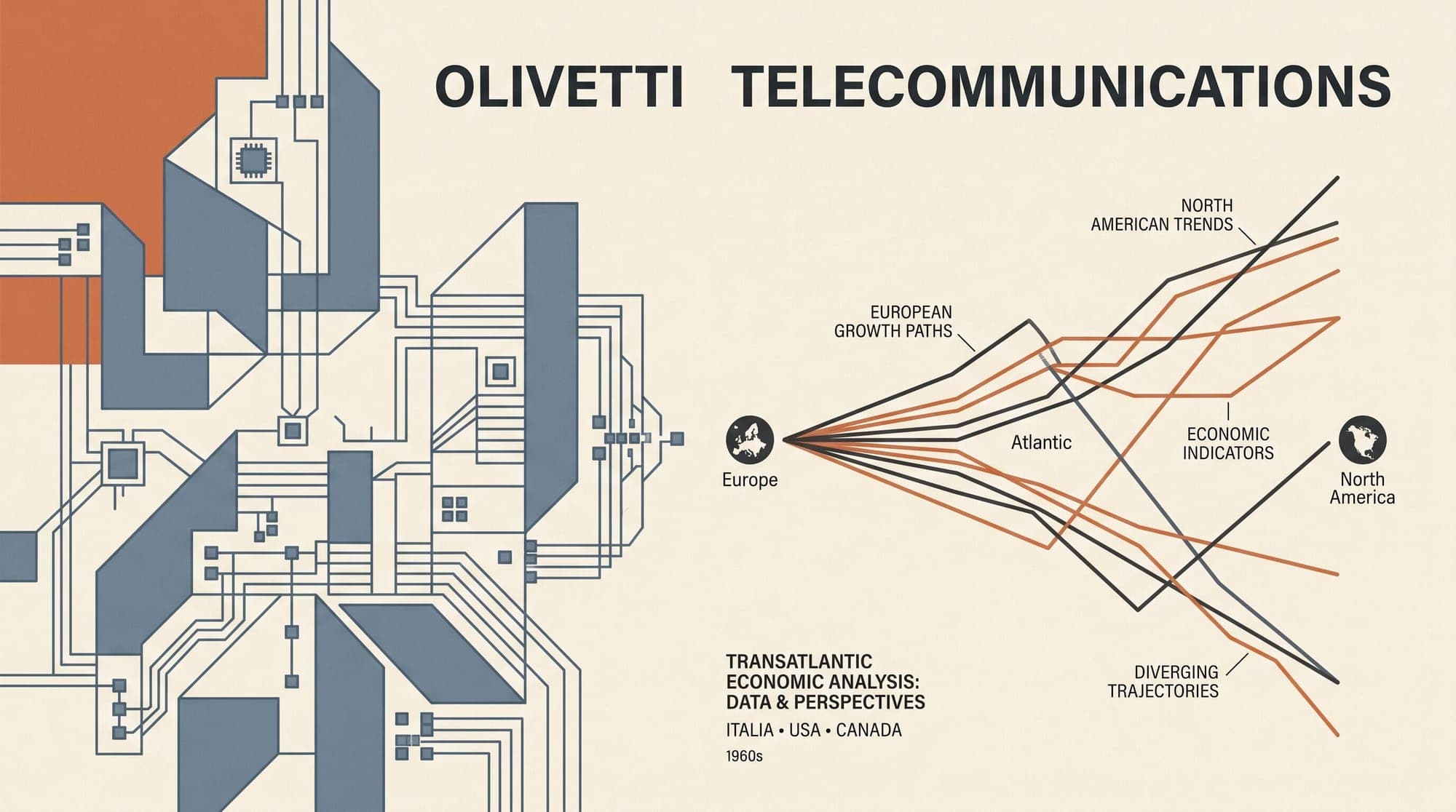
  10. Oxford Economics: US Corporate High-Tech Spending to Rise 40% by 2027, Tripling Europe's Pace

    A new macroeconomic forecast from Oxford Economics, reported by the Financial Times, projects that United States corporate capital expenditure on equipment, computing facilities, and structures will surge 40% between 2021 and 2027. This expansion rate is more than three times faster than equivalent capital investment across European economies over the same six-year window, driven primarily by private and hyperscaler investments in artificial intelligence infrastructure. The divergence underscor

    News
    2 min read
  11. Cross-Datacenter Distributed LLM Training in Production: DiLoCo, Local SGD, Communication Compression, and High-Latency Fault Tolerance

    Cross-Datacenter Distributed LLM Training in Production: DiLoCo, Local SGD, Communication Compression, and High-Latency Fault Tolerance Scaling frontier large language model pre-training within a single datacenter is encountering severe physical limits. Hyperscalers and AI laboratories increasingly face localized power grid saturation, where individual datacenter campuses cannot secure the 500 megawatt to multi-gigawatt utility allocations required for next-generation clusters. Consequently, in

    AI
    9 min read
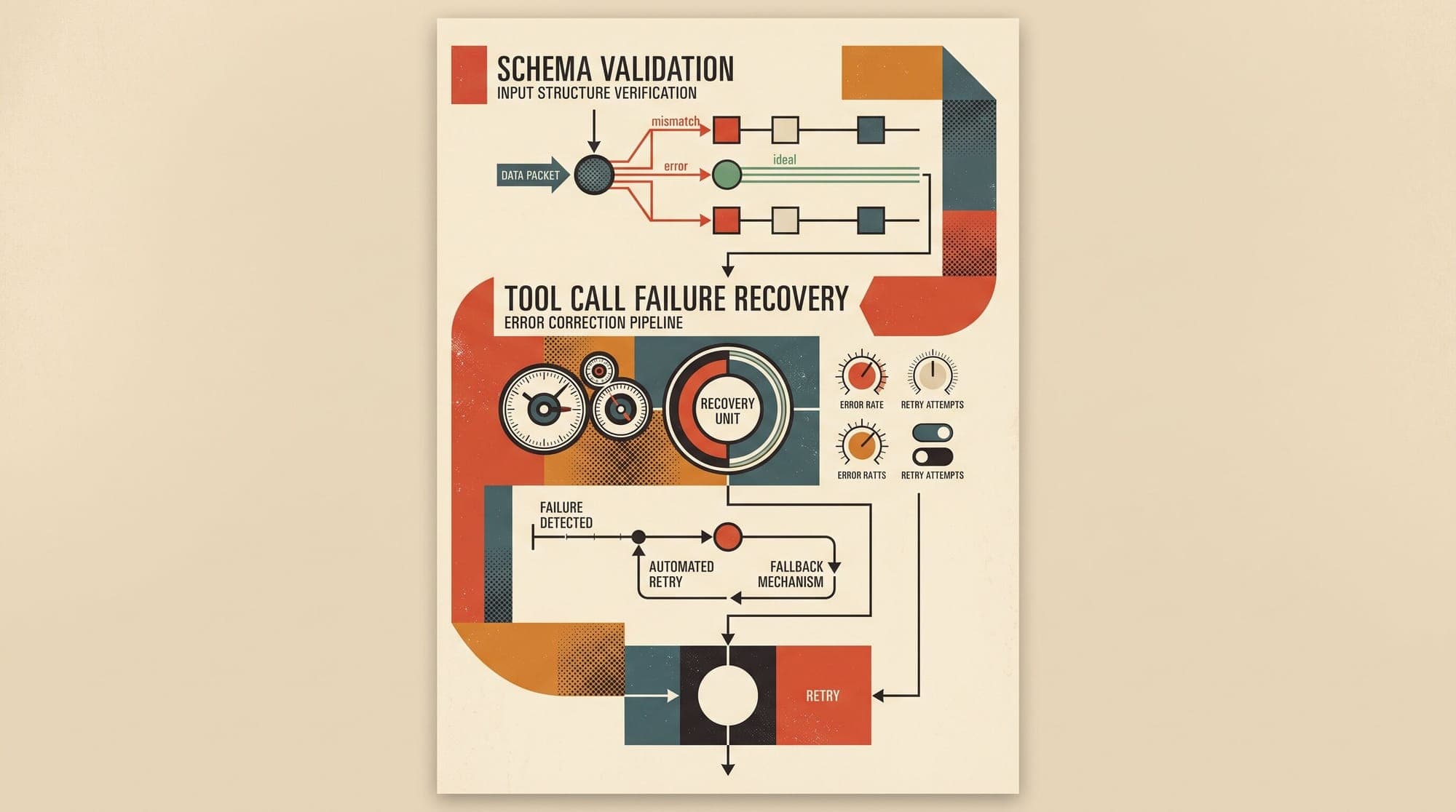
  12. Tool-Call Failure Recovery in Production AI Agents: Syntactic Repair, Schema Coercion, Parameter Inoculation, and Dynamic Fallback Architectures

    Tool-Call Failure Recovery in Production AI Agents: Syntactic Repair, Schema Coercion, Parameter Inoculation, and Dynamic Fallback Architectures Autonomous language model agents operate by interleaving natural language reasoning traces with structured tool invocations. However, when deployed in multi-turn production environments, raw tool calling exhibits significant fragility. Empirical studies from benchmark suites such as $\tau$-bench (arXiv:2406.12045) and the Berkeley Function Calling Lead

    Agents
    8 min read
  13. Nvidia in Talks to Invest in Perplexity at Over $30B Valuation as ARR Tops $750M

    Nvidia is in discussions to invest in AI search startup Perplexity in an equity funding round that would value the company at more than $30 billion, according to reporting by The Information. The proposed valuation represents an increase of more than 50% from the $20 billion valuation Perplexity finalized in late 2025. The investment discussions coincide with rapid revenue acceleration. Perplexity's annualized recurring revenue (ARR) has expanded to over $750 million, up from less than $250 mil

    AI
    1 min read
  14. LLM Evaluation Arenas in Production: Bradley-Terry Modeling, Active Matchmaking, Style Bias Control, and Bootstrapped Elo Calibration

    LLM Evaluation Arenas in Production: Bradley-Terry Modeling, Active Matchmaking, Style Bias Control, and Bootstrapped Elo Calibration Static benchmarks such as MMLU, GSM8K, and HumanEval face severe limitations in production machine learning environments. Modern foundation models rapidly saturate static multiple-choice questions, training datasets frequently suffer from benchmark contamination, and synthetic test suites fail to capture open-ended, multi-turn user intent. Consequently, engineeri

    AI
    9 min read
  15. SoftBank Plans Record $6.3B Retail Bond Sale to Fund OpenAI Commitments

    Japanese conglomerate SoftBank Group Corp. has announced plans for a record 1 trillion yen ($6.3 billion) retail bond sale in Japan. The offering represents the largest domestic retail bond issuance in Japanese history and marks SoftBank's third debt sale targeted at retail investors this year, as the firm mobilizes liquidity to fulfill its capital commitments to OpenAI. According to regulatory filings, the seven-year subordinated bonds carry an indicative coupon range between 4.3% and 4.9%. Th

    AI
    2 min read
  16. Context Structuring and Attention Placement in Long-Context LLMs: Mitigating Position Bias, Attention Dispersion, and Information Loss in Production

    Context Structuring and Attention Placement in Long-Context LLMs: Mitigating Position Bias, Attention Dispersion, and Information Loss in Production Modern foundation models support context windows ranging from 128,000 to over 2,000,000 tokens. Serving runtimes and API gateways routinely process entire codebases, multi-year financial statements, and sprawling legal filings in a single inference call. However, supporting a nominal sequence length does not guarantee that a transformer can effecti

    Architecture
    8 min read
  17. Trump Defends AI Data Center Expansion as Local Resistance Grows

    In a broadcast interview on Sunday, President Donald Trump defended the rapid expansion of artificial intelligence data centers across the United States, characterizing municipal and community opposition to new facilities as a significant economic mistake. Speaking on 77 WABC with Michael Cohen, Trump argued that high-density computing infrastructure provides essential local tax revenue, construction employment, and high-tech economic activity. Addressing concerns regarding regional electricity

    AI
    2 min read
  18. Serving Mixture-of-Experts Models in Production: Architecture, Distributed Parallelism, All-to-All Bottlenecks, and Serving Economics

    Serving Mixture-of-Experts Models in Production: Architecture, Distributed Parallelism, All-to-All Bottlenecks, and Serving Economics Mixture-of-Experts (MoE) architectures have become the standard structural paradigm for frontier open-weight and proprietary large language models. Architectures such as DeepSeek-V3, Mixtral 8x22B, and GLM-5 deliver frontier-grade reasoning and generation by activating only a fraction of their total parameter count on any given token. For example, DeepSeek-V3 rou

    AI
    8 min read
  19. Samsung Approves Record $80 Billion Shareholder Return on AI Memory Demand

    The board of directors at Samsung Electronics approved a shareholder return program estimated between 90 trillion and 110 trillion Korean won (approximately $65 billion to $80 billion USD), marking the largest capital distribution plan in South Korean corporate history. The payout is funded by expanding cash reserves generated from high-bandwidth memory (HBM) and conventional DRAM shipments tied to global AI infrastructure spending. Under the approved framework, approximately 30 trillion won wi

    AI
    2 min read
  20. Prompt Caching Across Cloud LLM Providers: Architecture, TTL Lifecycles, and Economic Break-Even for Anthropic, OpenAI, Gemini, and DeepSeek

    The primary latency and computational bottleneck in large language model inference is the prefill phase. When an application submits a request containing thousands of tokens of static system instructions, OpenAPI tool schemas, few-shot demonstrations, and retrieved document context, the inference server must process all input tokens through every transformer layer before generating the first output token. In high-concurrency production environments, repeating this full forward pass across identi

    LLM
    8 min read