AI Engineering3 articles

AI Engineering

Articles

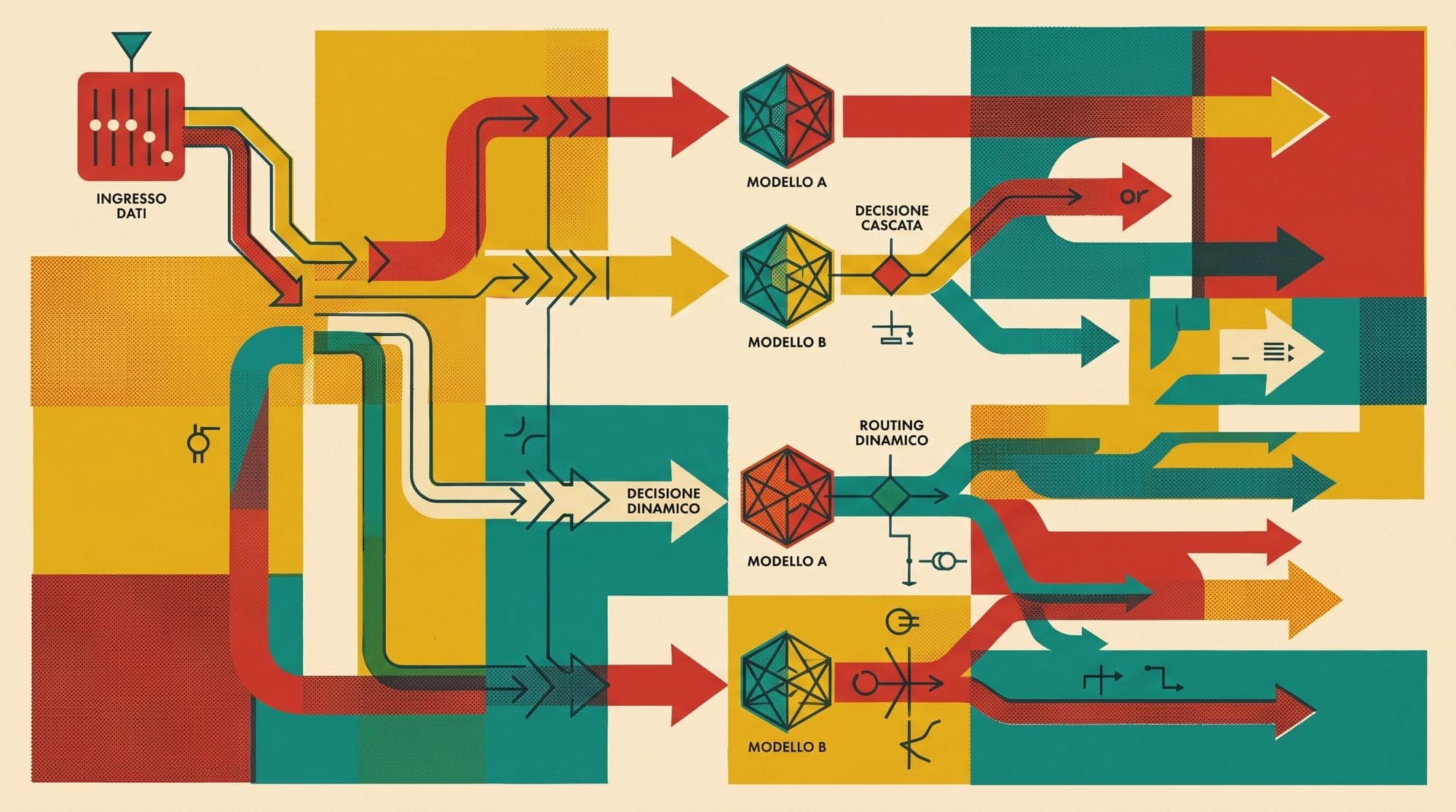
  • Model Routing and Cascades in Production: Comparing RouteLLM, FrugalGPT, Embedding Classifiers, and Verifier Cascades

    Model Routing and Cascades in Production: Comparing RouteLLM, FrugalGPT, Embedding Classifiers, and Verifier Cascades Enterprise LLM deployments face a persistent structural inefficiency: the uniform routing of all incoming queries to flagship frontier models. Commercial API pricing and self-hosted GPU infrastructure costs span two orders of magnitude between lightweight models (such as Llama 3.1 8B, GPT-4o-mini, and Claude 3.5 Haiku at $0.15 to $0.30 per million tokens) and frontier reasoning

    1 min

  • Hierarchical Tree-Organized Retrieval (RAPTOR) in Production RAG: Recursive Summarization, Gaussian Mixture Clustering, and Cross-Scale Querying

    Standard retrieval-augmented generation (RAG) architectures operate on flat document chunks. Corpora are split into fixed token windows (typically 256 to 1024 tokens), mapped into vector space via dense embedding models, and queried through approximate nearest neighbor (ANN) search. While this setup efficiently resolves localized factual lookups ("What is the termination clause in contract X?"), it systematically fails on thematic synthesis, cross-document comparison, and high-level aggregation

    1 min
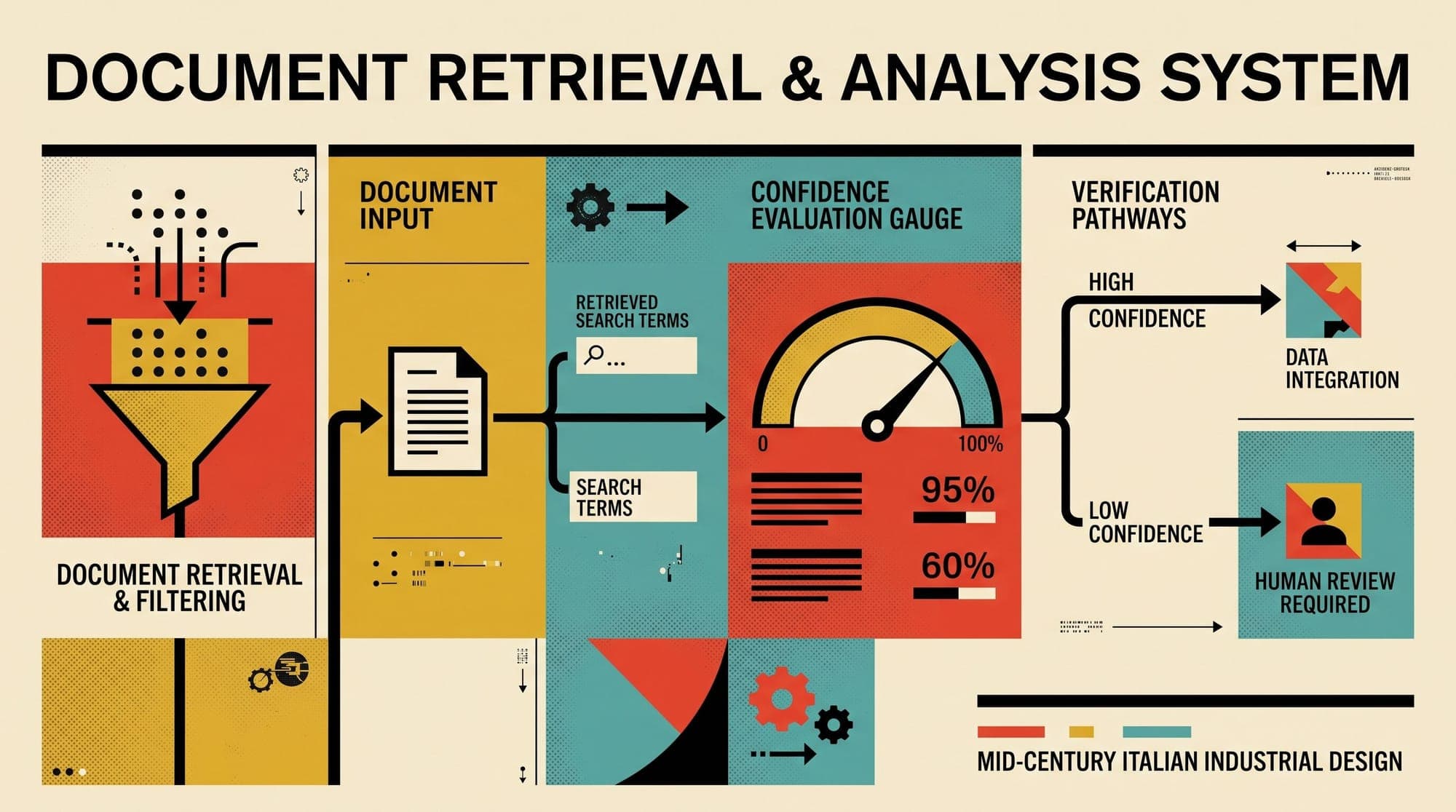
  • Corrective RAG and Adaptive Retrieval in Production: Architecture, Confidence Scoring, and Web Fallback Loops

    Standard retrieval-augmented generation (RAG) pipelines follow a rigid, feed-forward paradigm: embed the query, fetch top-$k$ chunks via vector or hybrid search, inject the raw chunks into the prompt context, and sample a completion. While functional for homogeneous corpora with high semantic overlap, this naive retrieve-and-generate approach degrades rapidly in production environments. When a vector index returns irrelevant, noisy, or out-of-domain chunks, the generator inevitably suffers from

    1 min