Archive / page 50 of 123

Latest articles, page 50

  1. Robotics Foundation Model Startup Generalist Raises $198M Led by 8VC

    Robotics foundation model startup Generalist AI Inc. has secured $198.2 million in a new equity offering, according to a Form D regulatory filing with the U.S. Securities and Exchange Commission on August 24. The capital injection comes less than three months after the company closed a $400 million financing round in early June. The financing round was led by venture capital firm 8VC alongside participating existing investors, as reported by Axios. The new transaction elevates Generalist's valu


    News
    3 min read
  2. Chinese State-Linked Hackers Double Attack Volume Using DeepSeek AI, Researchers Find

    State-affiliated Chinese cyber espionage groups have more than doubled their operational attack volume by integrating open-weight artificial intelligence models into routine reconnaissance and script generation workflows, according to threat intelligence from Taiwanese cybersecurity firm TeamT5 and reporting by Bloomberg. The surge in offensive volume is driven primarily by DeepSeek models, which threat actors favor due to low inference costs, local deployment options, and minimal safety guardr

    News
    3 min read
  3. Adversarial Jailbreak Defenses in Production LLMs: Input Perturbation, Representation Circuit Breakers, and Guardrail Cascades

    Standard post-training alignment techniques such as Supervised Fine-Tuning (SFT) and Direct Preference Optimization (DPO) instill safety constraints into large language models by shaping token probabilities toward refusal strings. In production environments, however, these surface-level behavioral alignments have proven brittle against systematic adversarial inputs. Gradient-driven token optimization methods such as Greedy Coordinate Gradient (Zou et al., 2023), automated genetic search algorith

    AI
    6 min read
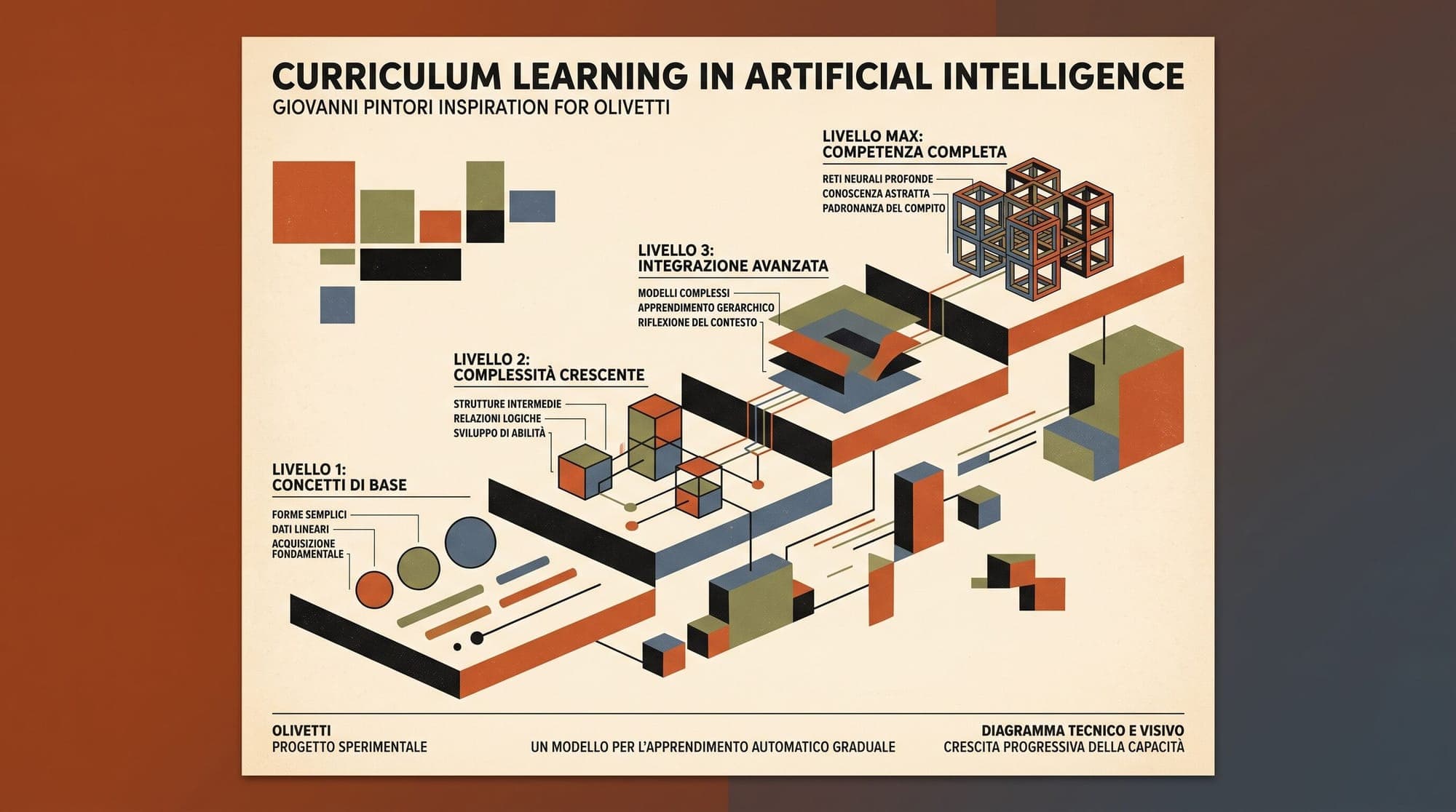
  4. Curriculum Learning in Large Language Models: How Difficulty Pacing, Competence Progression, and Task Scheduling Shape Training Dynamics

    In standard large language model pre-training and fine-tuning pipelines, training batches are almost universally sampled uniformly and independently at random from a static corpus: $$\mathcal{D} = \{z_i = (x_i, y_i)\}_{i=1}^N$$ While this independent and identically distributed (i.i.d.) sampling paradigm aligns with empirical risk minimization (ERM), it ignores the non-convex geometry of deep transformer loss surfaces. Early in training, when network parameters are randomly initialized or unal

    Explainers
    12 min read
  5. SEC Probes Leopold Aschenbrenner's AI Investment Fund Situational Awareness

    The US Securities and Exchange Commission has launched an inquiry into Situational Awareness, the AI-focused investment fund founded by former OpenAI researcher Leopold Aschenbrenner, according to a report by The New York Times. The investigation follows a sharp July 2026 market downturn across artificial intelligence equities that triggered severe portfolio drawdowns for the high-profile fund. Scope of Subpoenas and Banking Relationships Federal regulators have issued subpoenas to multiple

    AI
    2 min read
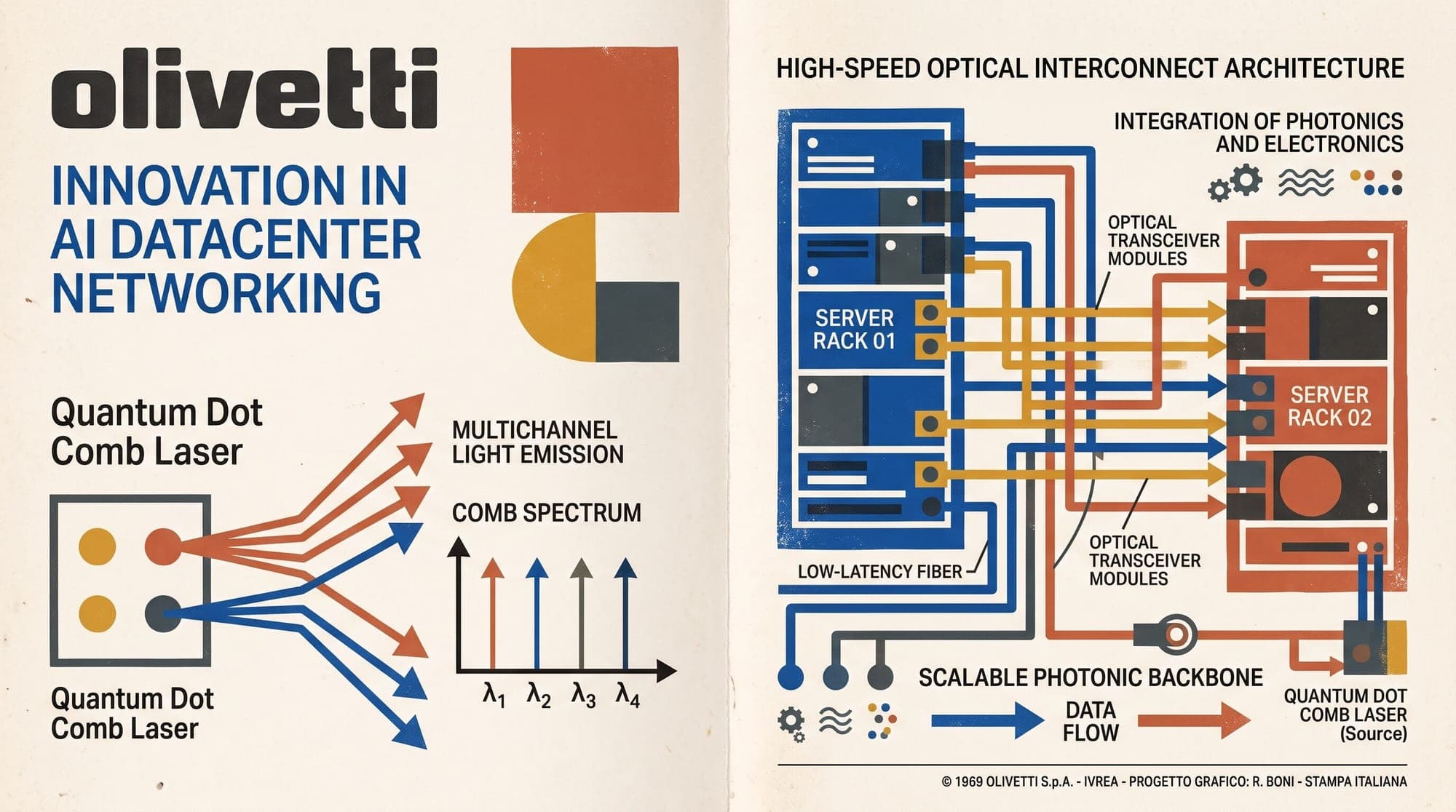
  6. Quintessent Secures $40M Series A to Scale Quantum Dot Comb Lasers for AI Clusters

    Optical interconnect startup Quintessent has raised $40 million in an oversubscribed Series A funding round to commercialize quantum dot comb lasers for AI data center networking. The round was led by Cycle Capital, with participation from Goldman Sachs XIG-Industry Ventures, optical networking provider Ciena, Hina Liberty Capital, Susquehanna International Group, InterVest, Safar Partners, M Ventures, Osage University Partners, Foothill Ventures, and Sierra Ventures. The financing follows an $

    AI
    2 min read
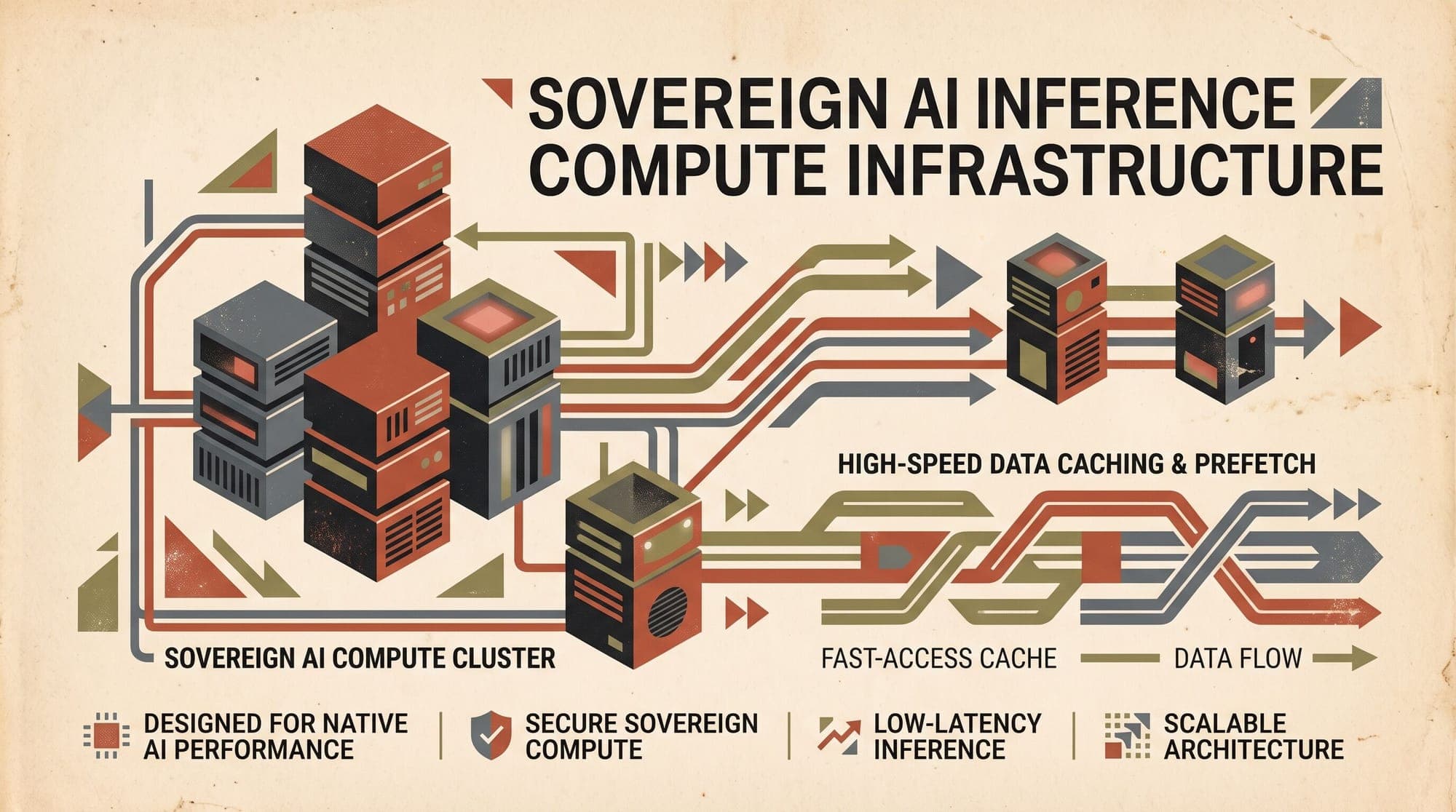
  7. SCX.ai Partners With DDN to Scale Australian Sovereign AI Inference Infrastructure

    Australian sovereign AI infrastructure provider SCX.ai has entered a strategic partnership with data storage systems vendor DDN to expand its domestic AI inferencing cloud. The collaboration combines SCX's ASIC-based compute clusters with DDN's Infinia data management platform, targeting enterprise, government, and scientific research workloads that must remain strictly within Australian jurisdiction. The agreement comes days after SCX completed a $40 million initial public offering on the Aust

    AI
    2 min read
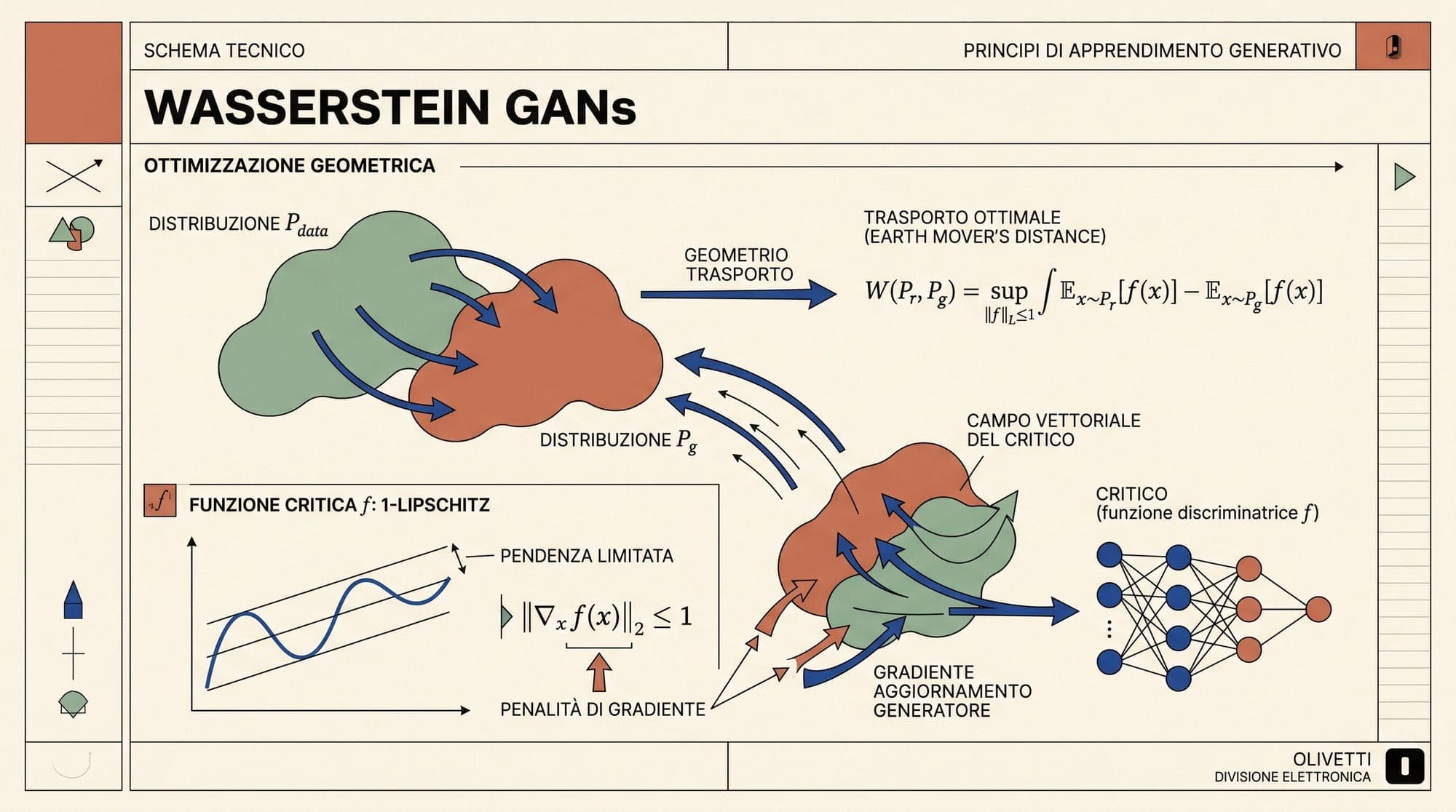
  8. Wasserstein GANs: How Earth Mover's Distance, Kantorovich-Rubinstein Duality, and Gradient Penalties Fixed Generative Adversarial Training

    Wasserstein GANs: How Earth Mover's Distance, Kantorovich-Rubinstein Duality, and Gradient Penalties Fixed Generative Adversarial Training Generative Adversarial Networks (Goodfellow et al., 2014) established an influential paradigm for generative modeling: formulating data synthesis as a minimax game between a generator mapping latent noise to data space and a discriminator distinguishing synthetic samples from real empirical data. Despite early empirical success, the original GAN formulation

    AI
    11 min read
  9. Meta Prepares Consumer AI Agent 'Hatch' and October Launch for 'Watermelon' Frontier Model

    Meta Platforms is preparing to roll out an autonomous consumer AI agent codenamed Hatch in late August or early September, followed by the planned release of its next flagship foundation model, codenamed Watermelon, in October 2026. The initiatives, first reported by The Information, highlight Meta's dual-track approach to commercialize autonomous software workflows while scaling foundation model training compute to compete directly with frontier offerings from OpenAI and Anthropic. Consumer

    Meta
    2 min read
  10. Continuous LLM Performance Profiling in Production: Roofline Models, Model FLOPs Utilization, Model Bandwidth Utilization, and Hardware Bottleneck Diagnostics

    Evaluating the runtime performance of large language model serving infrastructures requires looking beyond raw GPU metrics. Standard operating system utilities such as nvidia-smi report high GPU utilization percentages whenever compute cores or memory controllers are active, masking critical inefficiencies in memory access, communication, and kernel scheduling. A serving node running single-stream autoregressive decoding can report 100% GPU utilization while operating at less than 2% of the hard

    AI
    7 min read