Memory11 articles

Memory

Articles

  • Agentic Memory and Context Management Systems in Production: Comparing Letta, Zep, Mem0, and LangMem

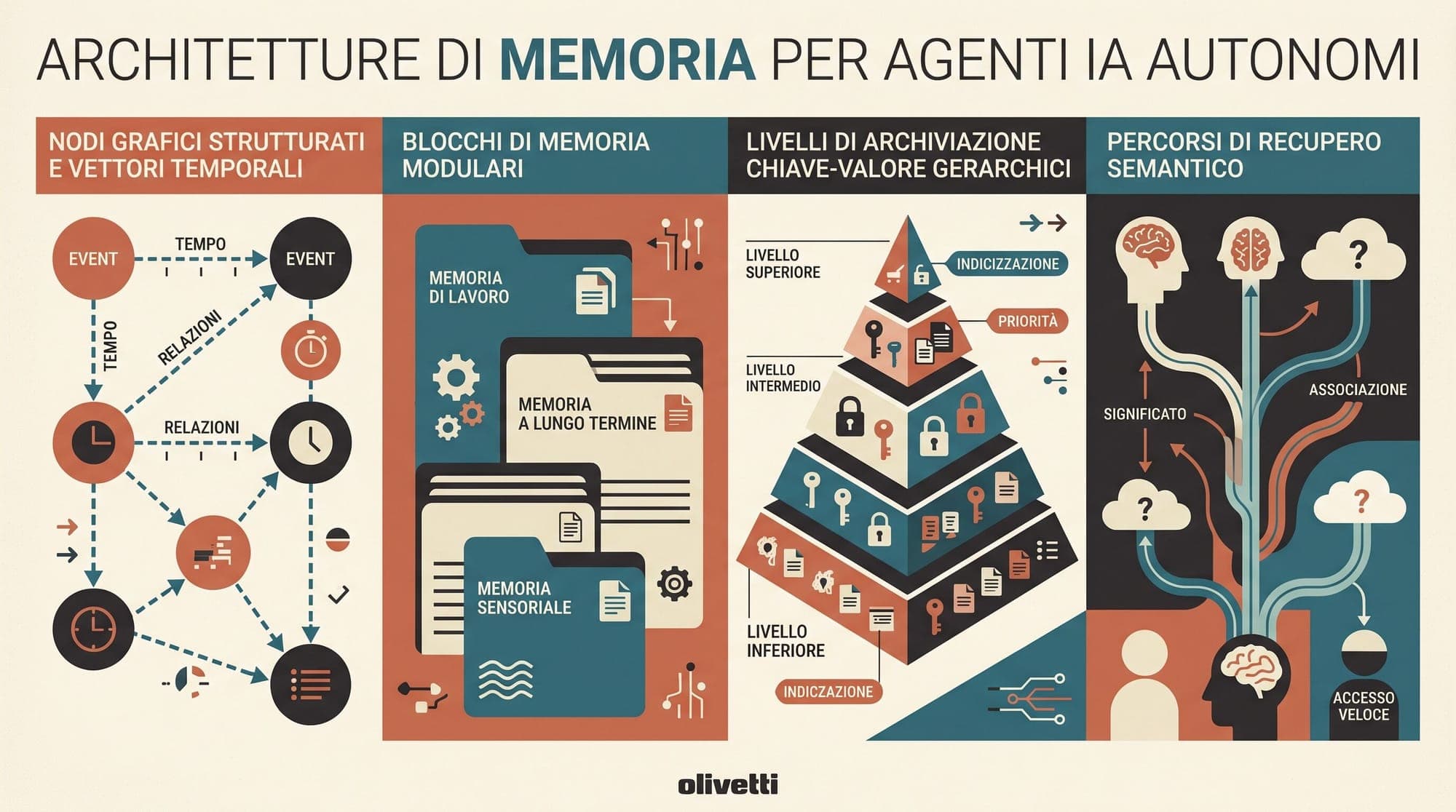
    Agentic Memory and Context Management Systems in Production: Comparing Letta, Zep, Mem0, and LangMem Stateless large language model APIs present a fundamental bottleneck for autonomous agents operating across extended multi-turn sessions: context window exhaustion, quadratic attention overhead, and memory drift. While standard Retrieval-Augmented Generation (RAG) retrieves static document chunks based on semantic similarity, autonomous agents require dynamic, stateful memory capable of updating

    1 min
  • Agent Memory Frameworks in Production: Comparing Mem0, Letta, Zep Graphiti, and Cognee — Architecture, Entity Extraction, Temporal Graph Indexing, and Serving Economics

    Large language model agents deployed in production environments face a fundamental architectural bottleneck: LLM context windows are stateless, ephemeral, and computationally expensive. While context window capacities have expanded to 1M+ tokens in modern frontier models, naive context stuffing (re-injecting unpruned conversational history on every turn) creates severe operational failure modes: quadratic attention compute overhead, high latency, rapid KV cache invalidation, and severe context d

    1 min
  • Anthropic Unifies Claude Memory Across Chat and Cowork Agent Sessions

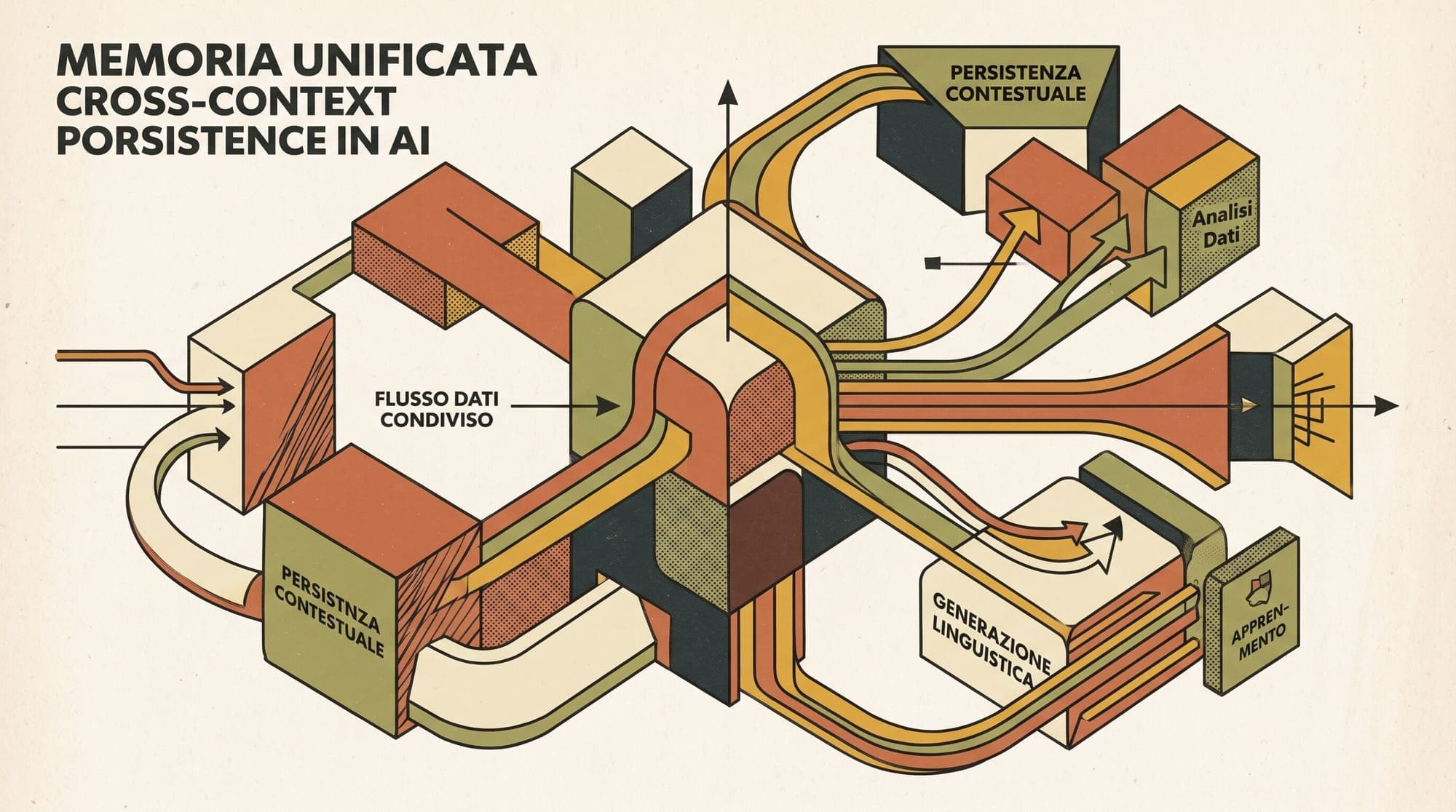
    Anthropic has updated Claude to unify memory across standard chatbot conversations and Claude Cowork sessions. The synchronization allows context gathered during interactive chats to persist when Claude Cowork executes autonomous, multi-step cloud tasks, reducing the need for repetitive prompting across desktop and browser interfaces. The update integrates with the Claude for Chrome extension, incorporating side-panel browsing interactions directly into a user's cross-surface memory bank. Gra

    1 min
  • Agent Memory Frameworks in Production: Comparing Mem0, Zep, Letta, and LangGraph Store Architecture, Fact Extraction Pipelines, Episodic Graphs, and Long-Term Retrieval Economics

    Agent Memory Frameworks in Production: Comparing Mem0, Zep, Letta, and LangGraph Store Architecture, Fact Extraction Pipelines, Episodic Graphs, and Long-Term Retrieval Economics As autonomous AI agents transition from single-session task executors to persistent systems operating across weeks or months, context window limits present a severe architectural bottleneck. While modern foundation models support context lengths exceeding one million tokens, feeding full conversation histories into eve

    1 min
  • PagedAttention: Mathematical Foundations, Virtual Memory Block Allocation, and Zero-Waste KV Cache Serving

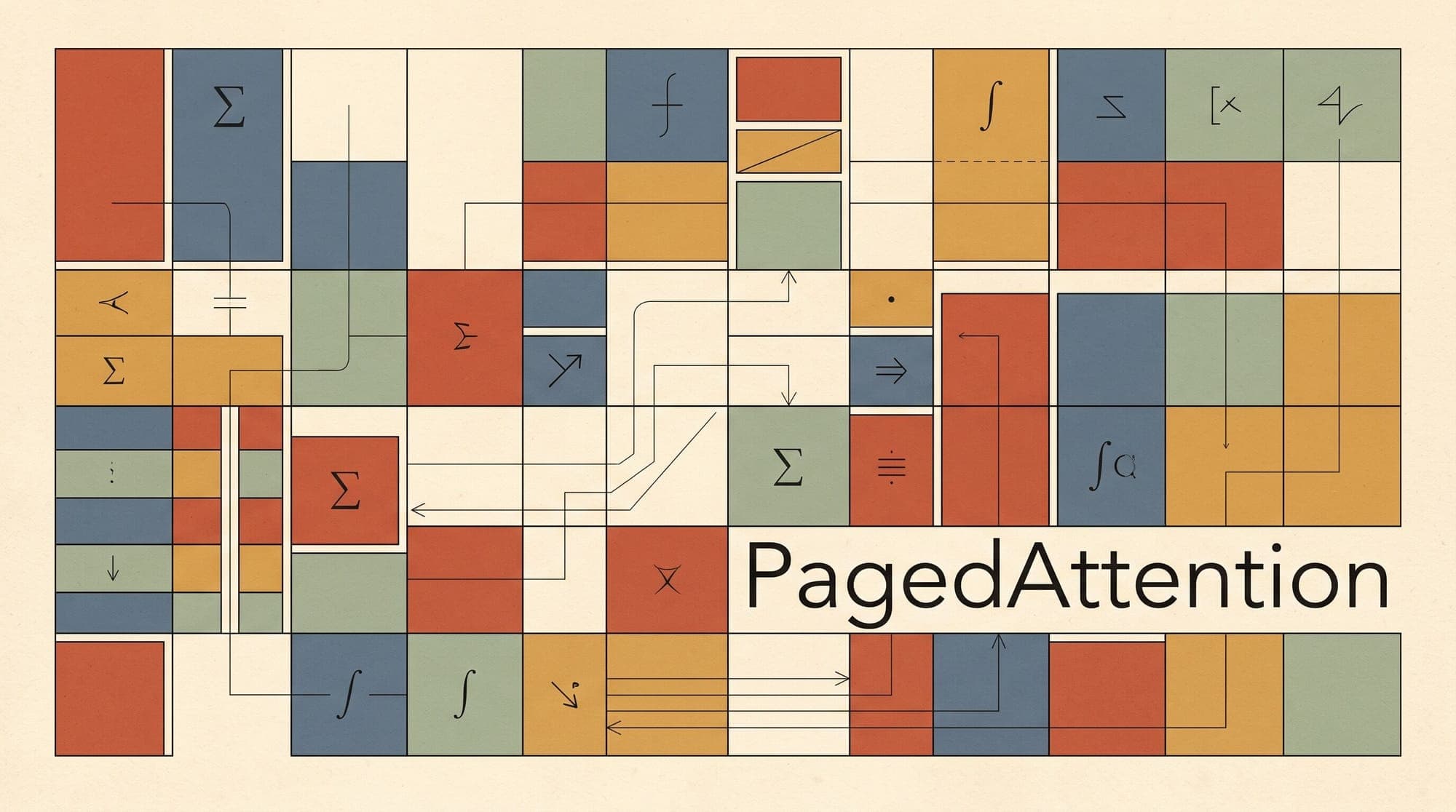
    PagedAttention: Mathematical Foundations, Virtual Memory Block Allocation, and Zero-Waste KV Cache Serving In autoregressive transformer inference, serving throughput is bounded primarily by high-bandwidth memory (HBM) capacity and memory bandwidth rather than raw floating-point operations. As large language models generate tokens sequentially, each newly sampled token requires caching the key and value projection vectors across all preceding tokens in the sequence. In legacy serving engines, t

    1 min
  • Anthropic Unifies Memory Across Claude Chat and Cowork Sessions

    Anthropic has updated its architecture to unify the memory systems powering Claude chat and Claude Cowork, allowing context and user preferences established during conversational sessions to persist directly into workspace tasks. The update addresses a common friction point in AI workflow orchestration, where users previously had to manually rebrief agentic workspaces on project context already established in conversational threads. Real-Time In-Session Memory Extraction Prior iterations of C

    1 min
  • Long-Term User Personalization in Production LLMs: Architecture, Dynamic Profiling, and Privacy Boundaries

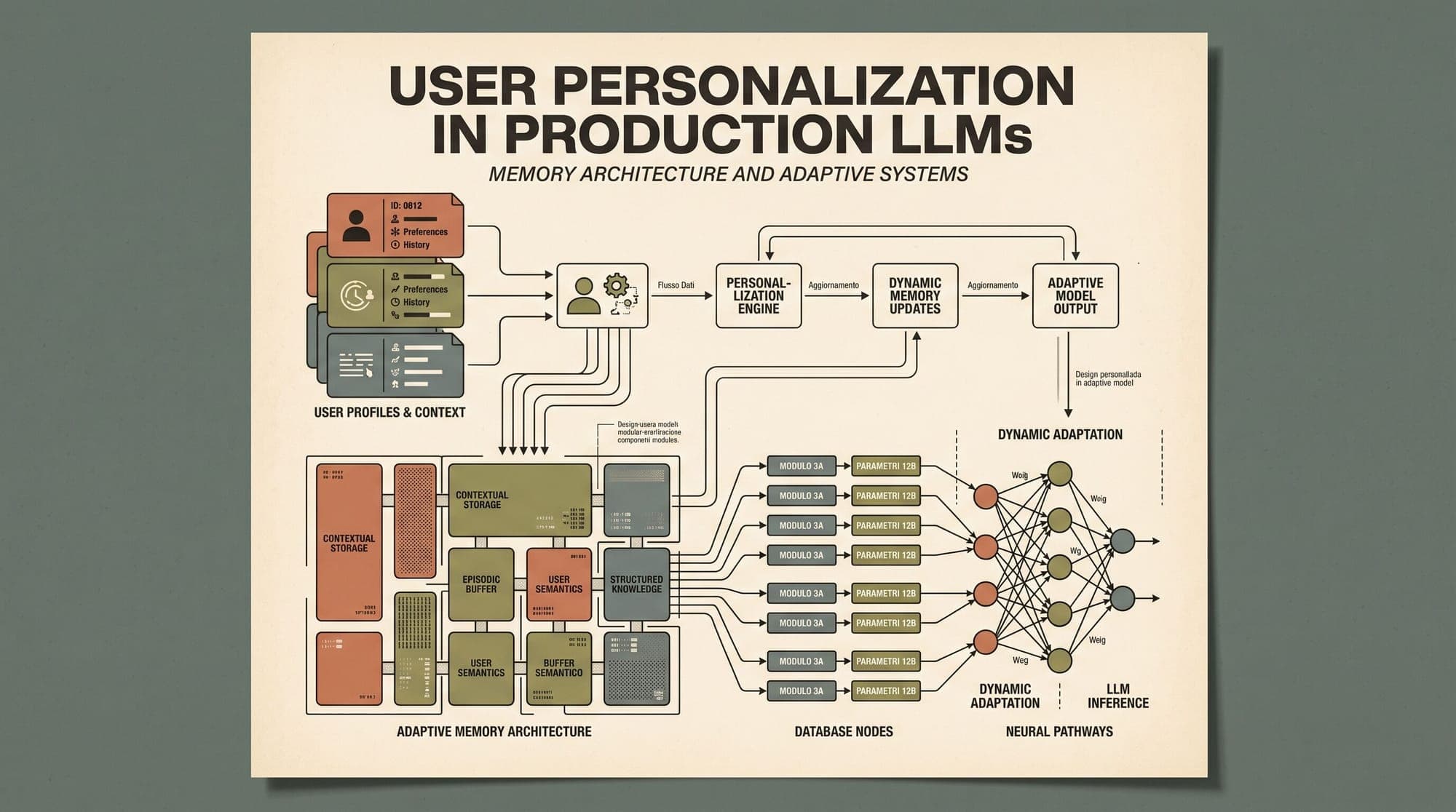
    Standard conversational AI deployments treat each user session as an isolated interaction or rely on naive sliding-window context histories. While extending context windows allows models to process thousands of tokens from previous turns, stuffing raw conversational history into prompt contexts introduces severe serving inefficiencies, inflates token economics, and fails to synthesize stable user profiles over time. Deploying long-term personalization in production large language model (LLM) ap

    1 min
  • Agent Memory Engines in Production: Comparing Mem0, Zep, and Letta Architecture, Graph Stores, and Retrieval Latency

    Large language models are inherently stateless functions. Every invocation begins with an empty memory register, relying entirely on the tokens packed into its context window. In production multi-turn applications, naive context management strategies quickly collapse: appending raw conversational logs inflates inference costs and eventually hits hard context limits, while standard semantic vector search (retrieval-augmented generation) lacks temporal awareness, treats contradictions blindly, and

    1 min
  • Micron Launches Micron Research Labs with $10B Commitment for AI Memory Architecture

    Micron Technology announced on August 20, 2026, the creation of Micron Research Labs, a domestic long-horizon research institution headquartered in Boise, Idaho. Backed by a planned $10 billion investment across the next decade, the entity is designed to conduct precompetitive semiconductor and architecture research positioned upstream of commercial fabrication roadmaps. The funding operates independently from the more than $250 billion in domestic manufacturing and commercial development that

    1 min
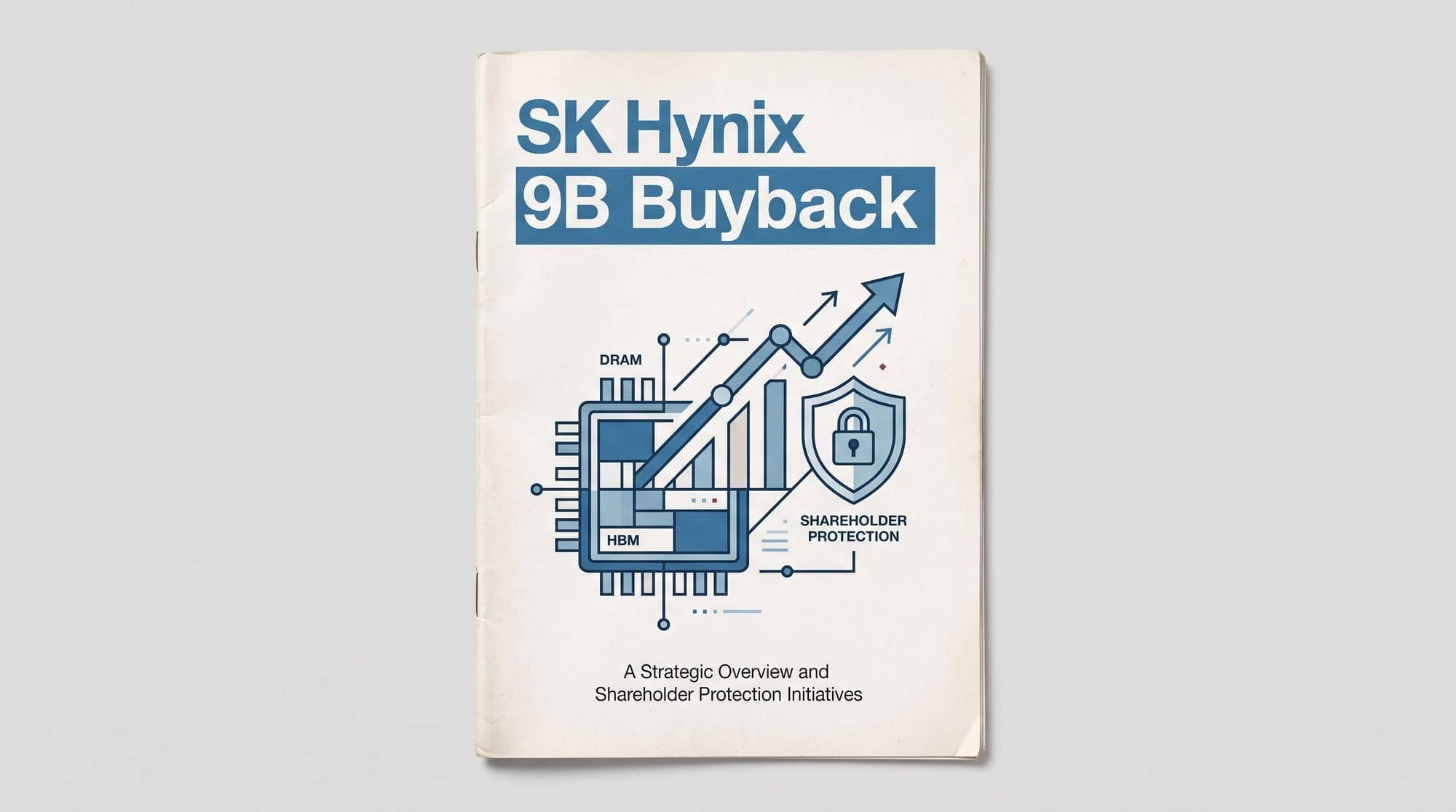
  • SK Hynix Announces 9 Billion Share Buyback to Calm AI Spending Worries

    SK Hynix announced Wednesday it will buy back and cancel 40 trillion won ($28.61 billion) worth of treasury shares, allocating more than 50 percent of free cash flow generated between 2025 and 2027 to shareholder returns. The buyback, to be executed between August 20 and November 19, represents roughly 24 million shares. The company also said it would pursue an expansion of its total shareholder return target from the previous "within 50 percent of cumulative FCF" to "over 50 percent of cumulat

    1 min
  • IBM Research Evaluates Agentic Memory Sizing Across 8 Models: Dosage Calibrations, Ceiling Effects, and Token Efficiency

    In a technical report published on August 18, 2026, researchers at IBM Research detailed empirical evaluations on sizing and calibrating agentic memory across eight large language models. The study, conducted using the open-source ALTK-Evolve framework across the AppWorld benchmark, demonstrates that agentic memory performance is governed by capability-dependent dosage rather than uniform prompt accumulation. Agentic memory architectures typically extract procedural guidelines from prior execut

    1 min