
Zscaler announced on November 20 that it is collaborating with Anthropic and Mistral, two deals with structurally different shapes, and together they say something about how frontier AI reaches the enterprise: increasingly through the security aisle rather than the chat window.
The Anthropic deal is a capability integration
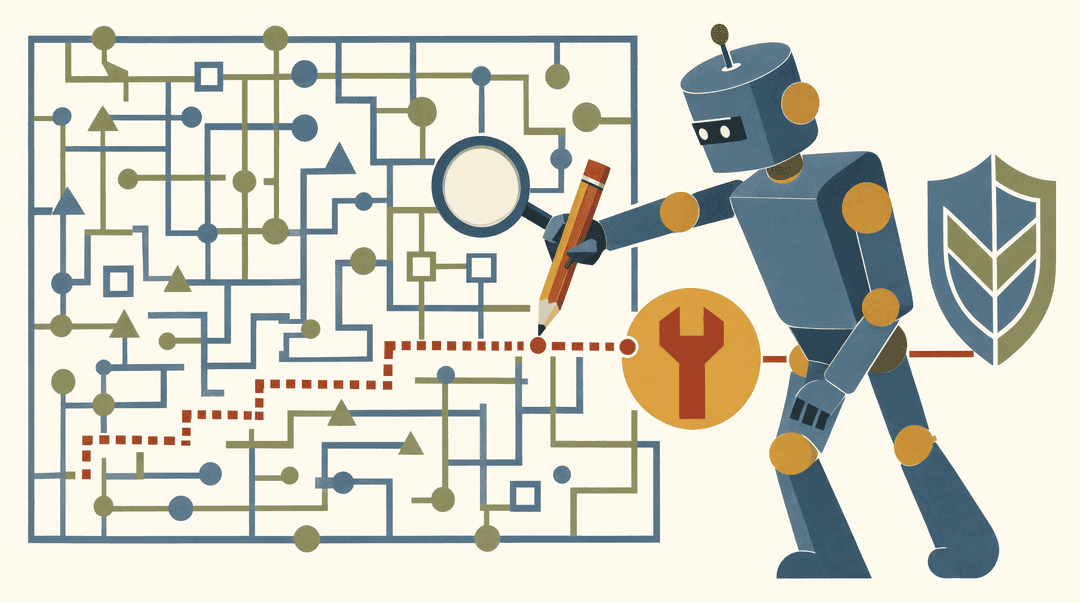
Two pieces. First, Zscaler has joined Anthropic's Cyber Verification Program, working on its own vulnerability discovery and security research. Second, and more concrete for buyers, Zscaler has integrated Anthropic's Claude Mythos 5.1 into its Endpoint AI Security product to power a capability called Exploit Paths.
Exploit Paths correlates security evidence across complex attack sequences, identifies potential threats and shows defenders where to break the attack chain. A limited preview is planned. The framing matters: the model is not answering analyst questions, it is reasoning over a graph of endpoint telemetry to surface causal chains a human SOC would take shifts to reconstruct. Zscaler is effectively reselling model reasoning as a detection feature, under its own product name.
The Mistral deal is a compliance pairing
The other collaboration carries no model capability claim. Zscaler's Security for AI solution, delivered through its sovereign Zero Trust Exchange in Europe, integrates Mistral so European enterprises can adopt AI while meeting security, data protection and data sovereignty requirements. The value proposition is jurisdictional: a European model behind a European-controlled exchange, so the data residency conversation ends before the prompt is sent.
One announcement, two archetypes. Labs now sell into enterprise security both as raw reasoning capacity (Anthropic) and as a sovereignty checkbox (Mistral), and platform vendors package whichever the customer's procurement actually fears more.
The context Zscaler supplies
The company frames both collaborations against AI-driven attacks as much as AI adoption: its Zero Trust architecture connects users, workloads, devices and AI agents directly to authorized applications rather than the broader corporate network, which it says reduces the risk of lateral movement by attackers. A product launch event is set for December 9, billed as unveiling capabilities to secure the agentic enterprise.
Zscaler is not alone in this posture; every endpoint vendor is now narrating the same two-sided story: AI helps defenders, AI arms attackers, buy the platform. The distinguishing detail in the Zscaler release is Exploit Paths running in limited preview with a named frontier model attached, which makes it one of the first shipping security products where customers can point at the model doing the reasoning.
What to watch is whether the preview converts. Security features named after models are easy to announce and hard to evidence; the SOC equivalent of a benchmark score is mean time to contain, and Zscaler published nothing like it. The December 9 event is the next date with numbers.
