Archive / page 70 of 123

Latest articles, page 70

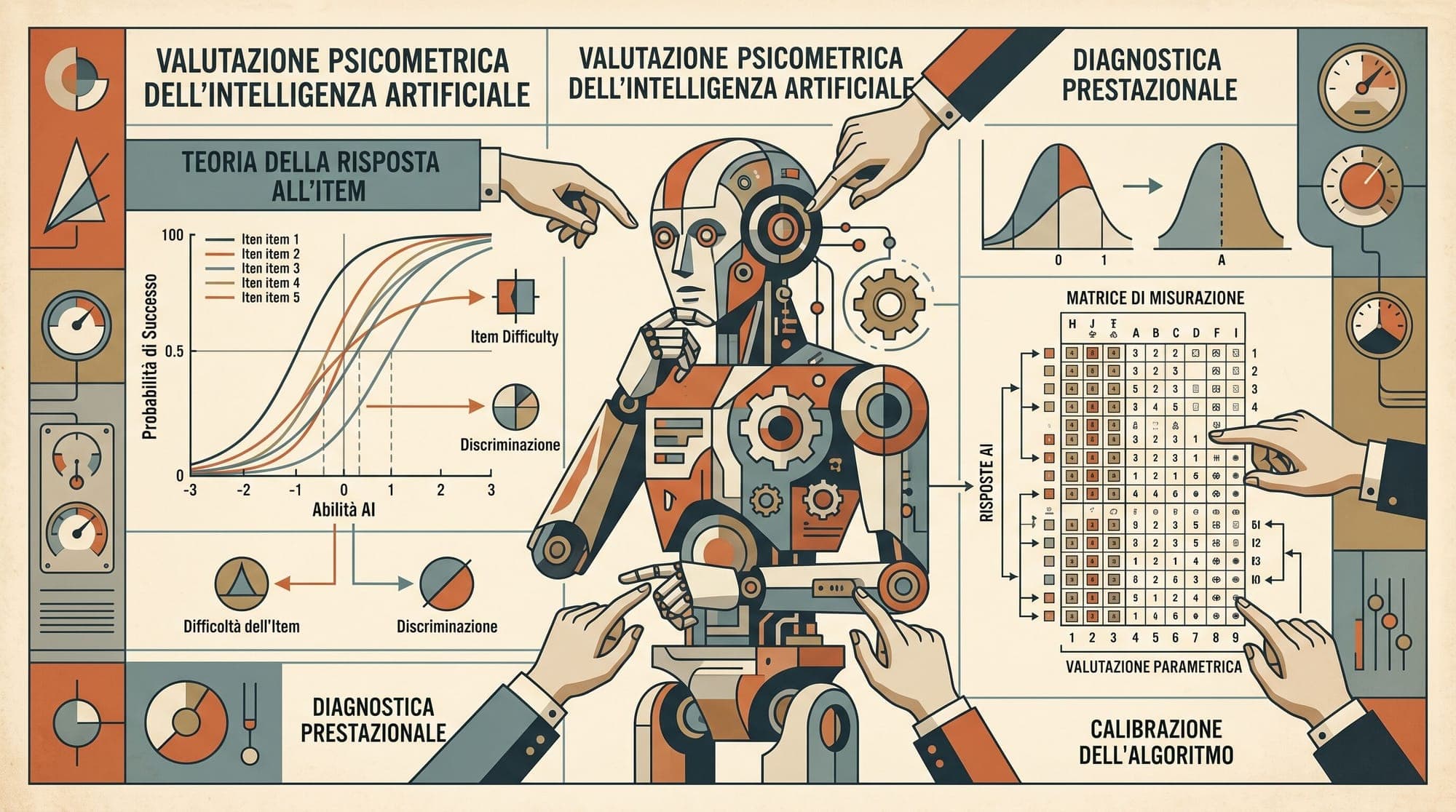
  1. Item Response Theory Audit of 192 LLMs Exposes Safety Benchmark Redundancies, Over-Refusal Distortions, and Sandbagging

    A psychometric evaluation of 192 frontier and open-weight language models across eight major safety benchmarks has revealed structural flaws in current safety testing methodologies. The research, conducted by Joshua Fonseca Rivera, Neil Shah, David Demitri Africa, and Konstantinos Voudouris with support from the UK AI Security Institute and the UK Department for Science, Innovation, and Technology (DSIT), applies Item Response Theory (IRT) to analyze 5,255 evaluation items. The findings demonst
    AI
    3 min read
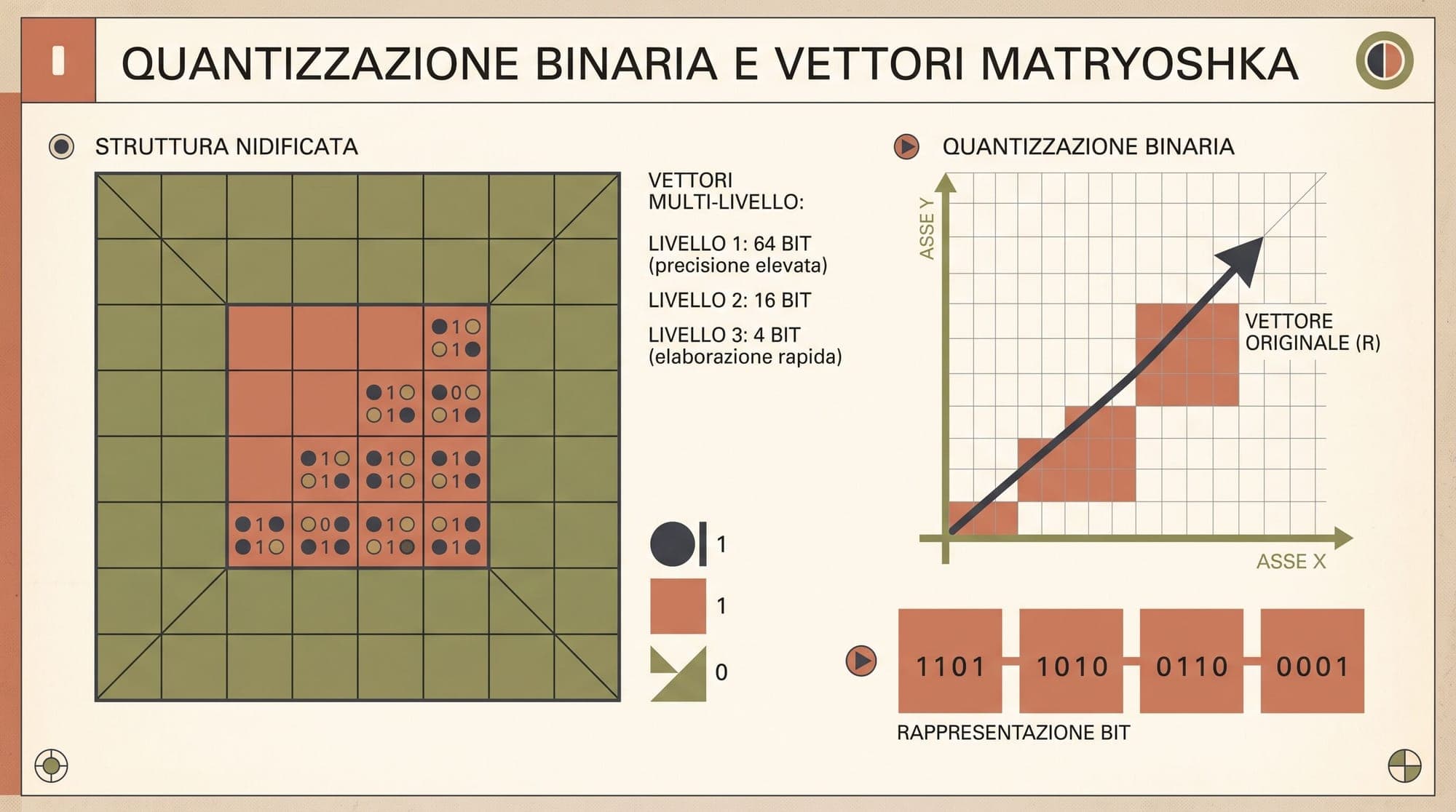
  2. Binary Quantization and Matryoshka Embeddings in Production: Two-Stage Rescoring, Hamming Distance Acceleration, and Vector Storage Economics

    Production vector search workloads face a severe memory scaling bottleneck. In retrieval-augmented generation (RAG) and semantic search architectures, indexing tens of millions of high-dimensional embeddings in raw 32-bit floating-point (FP32) format exhausts memory capacity and drives up infrastructure costs. Indexing 100 million 1536-dimensional vectors requires 614.4 GB of RAM purely for vector payloads, before accounting for graph edges and memory fragmentation in Approximate Nearest Neighbo

    AI
    8 min read
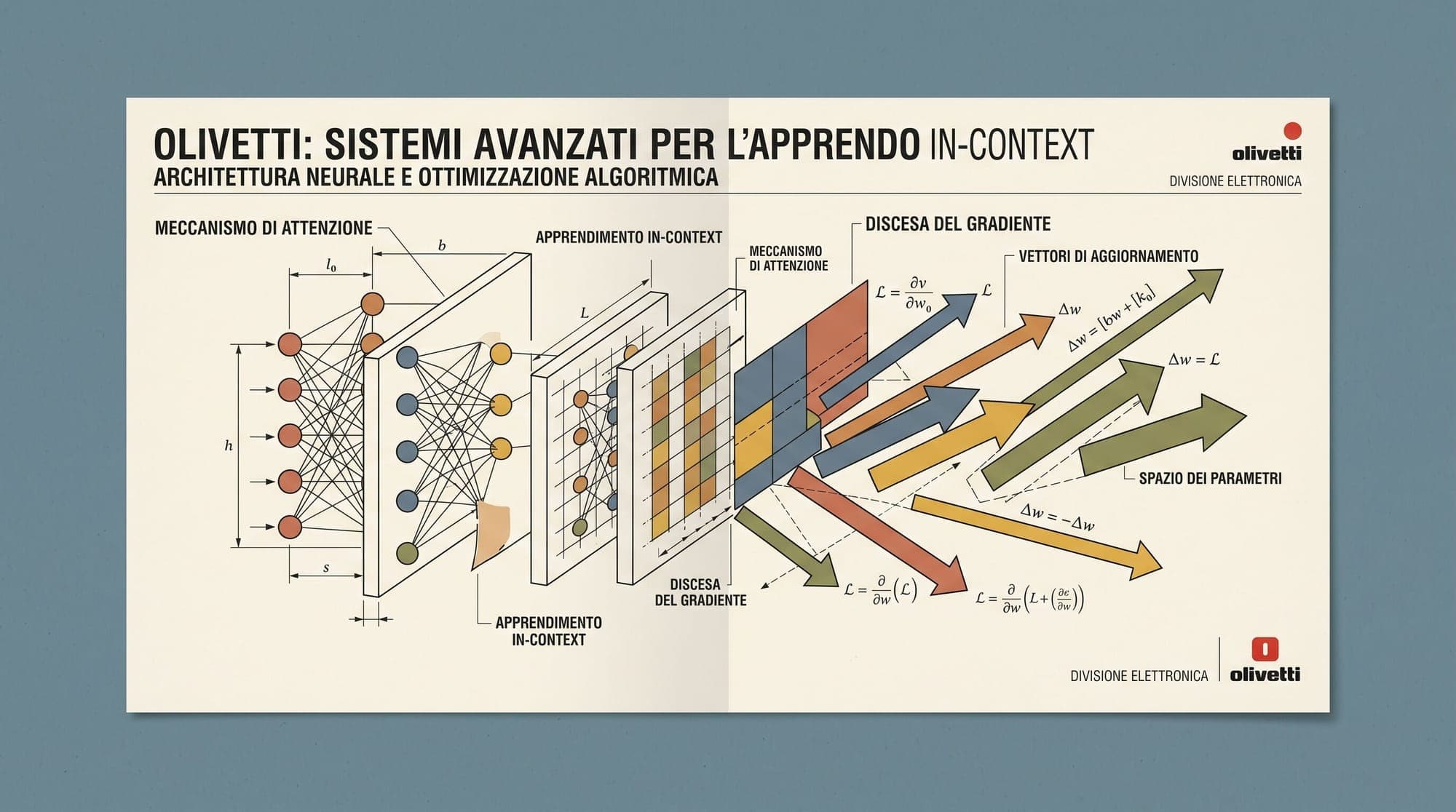
  3. In-Context Learning as Implicit Gradient Descent: How Transformers Optimize Models in Forward Activations

    When large language models (LLMs) adapt to new tasks from a handful of prompt demonstrations, their static weights remain completely untouched. No backpropagation runs through the network, no optimizer updates parameters, and no gradients are calculated. Yet, the model’s predictions improve steadily as more input-output examples are added to the prompt context. For years, this phenomenon (known as in-context learning, or ICL) was treated as an empirical black box. Recent theoretical and mechani

    AI
    8 min read
  4. OpenAI Consolidates Product Leadership Under Greg Brockman, Merging ChatGPT and Codex Teams

    OpenAI has executed an internal restructuring that consolidates its core product lines, engineering scaling, and commercial deployment under co-founder and President Greg Brockman. The reorganization merges the teams behind ChatGPT, the Codex coding agent, and developer APIs into a single unified product division. The move flattens decision-making hierarchies across the company as it prepares for an eventual initial public offering and responds to mounting enterprise competition from Anthropic

    OpenAI
    2 min read
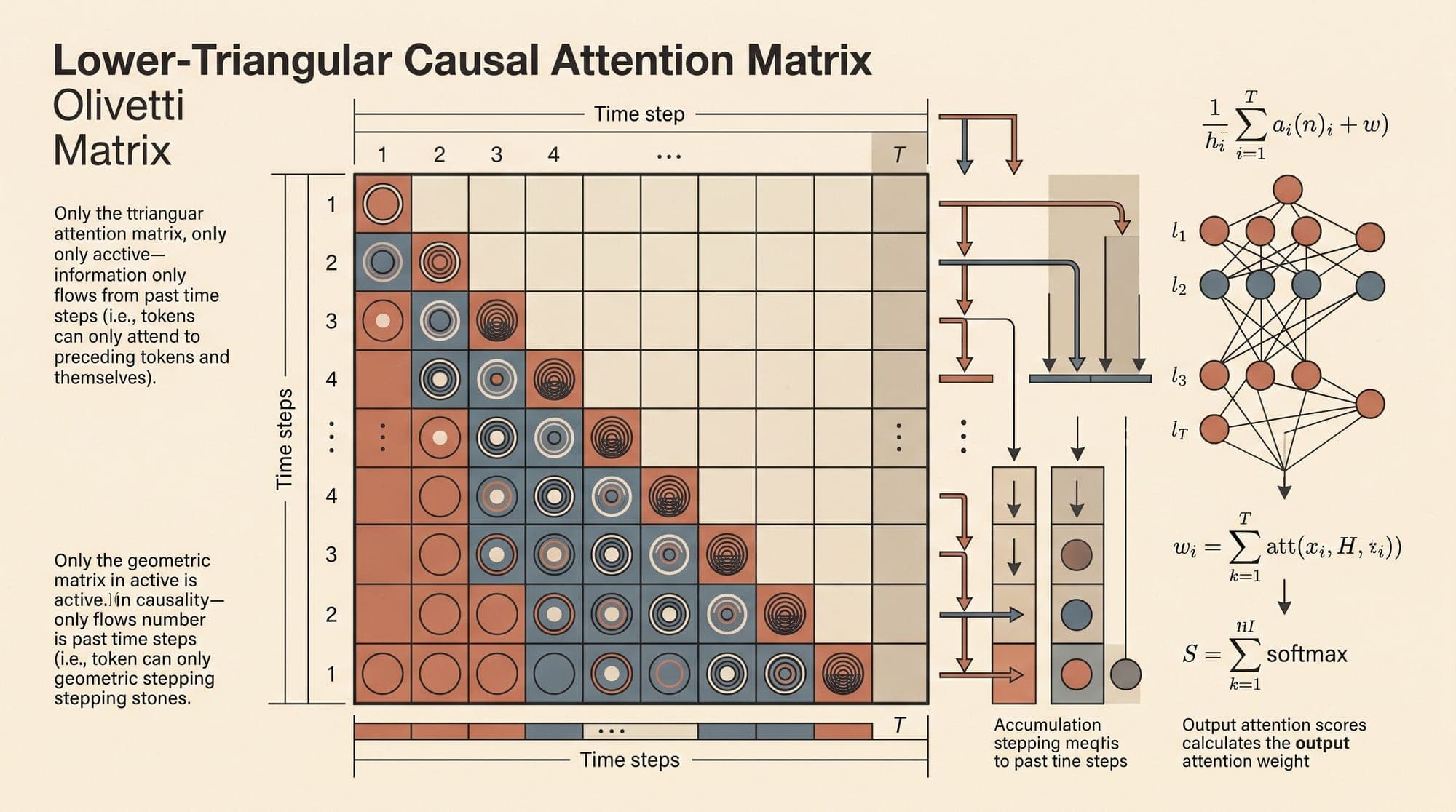
  5. No Positional Embeddings (NoPE): How Causal Masking and Attention Geometry Encode Sequence Order

    A foundational tenet of the Transformer architecture established by Vaswani et al. (2017) is permutation equivariance. Because standard self-attention calculates token interactions purely through pairwise dot products across sets of vectors, shuffling the order of input tokens yields identical outputs up to the corresponding permutation. To establish word order, standard transformer models inject explicit positional information, ranging from learned absolute position embeddings (APE) to sinusoid

    AI
    6 min read
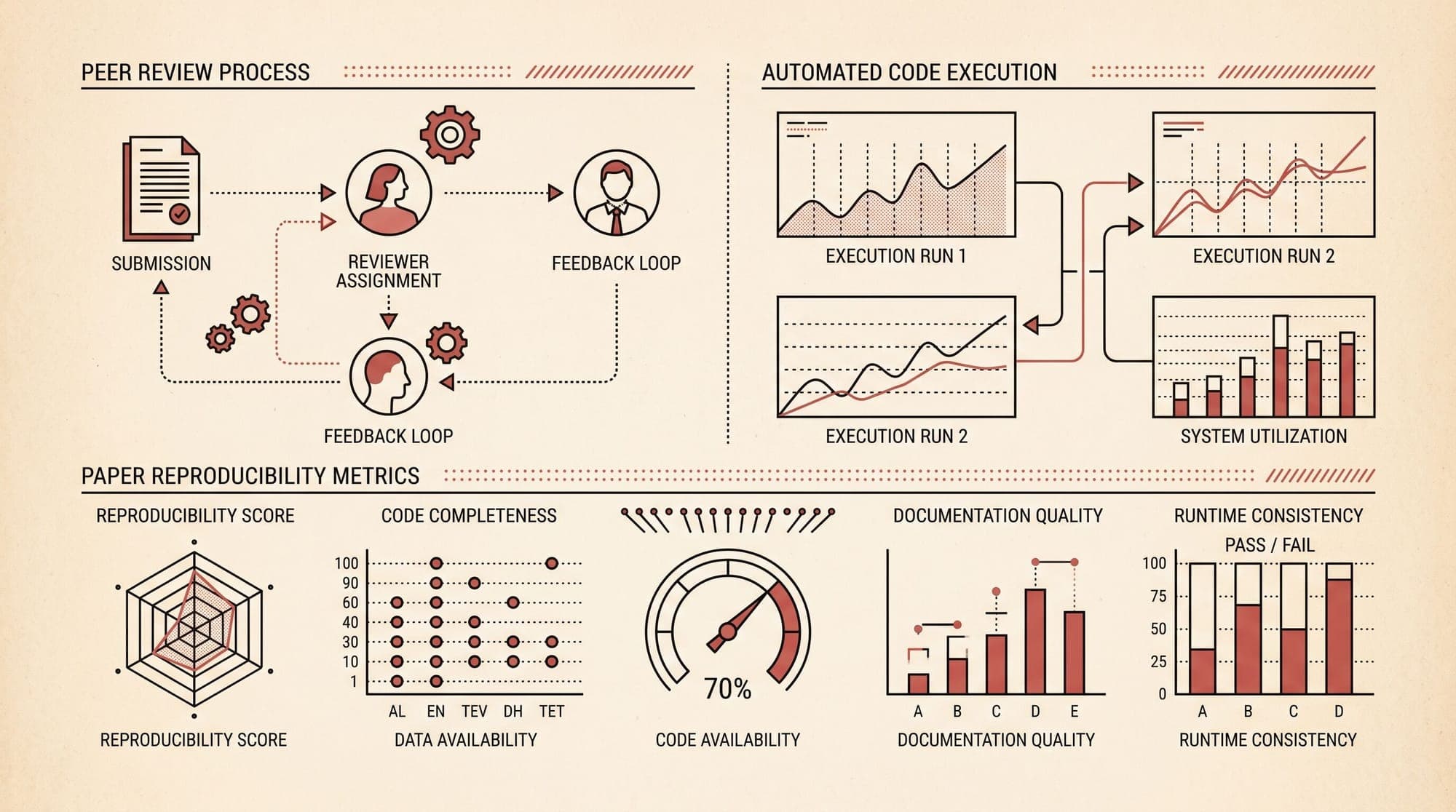
  6. Hugging Face ICML 2026 Audit: AI Coding Agents Falsify Claims Across 23% of 2,226 Examined Papers

    Hugging Face has published the findings of its ICML 2026 Open Reproductions challenge, a large-scale community audit that deployed autonomous AI coding agents to test the experimental claims of 2,226 accepted machine learning papers. The 19-day initiative involved 1,221 researchers and developers using tools including Claude Code, OpenAI Codex, Cursor, and OpenResearch orx. Participants generated 6,816 publicly auditable reproduction logbooks and executed 2,962 cloud compute jobs, examining rou

    AI
    2 min read
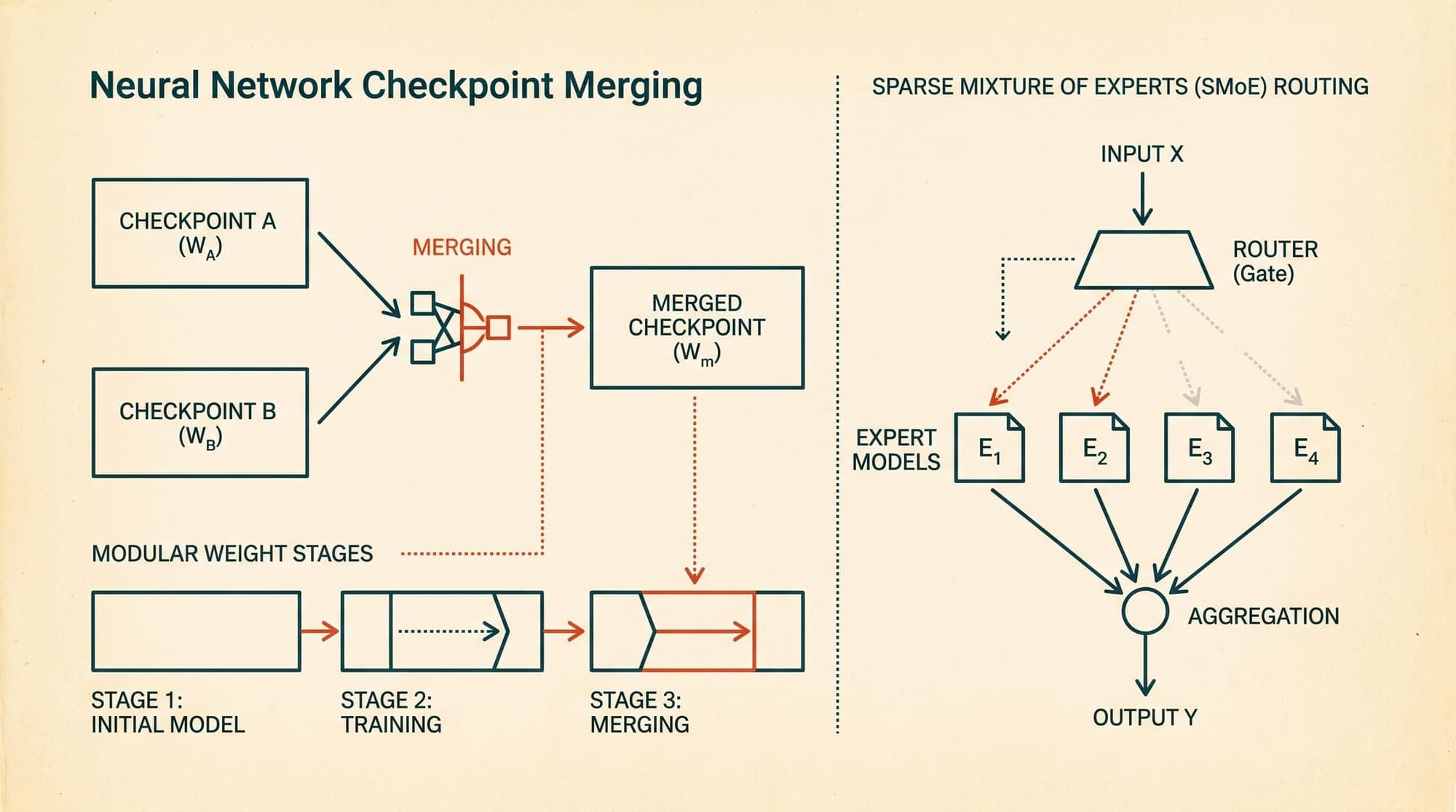
  7. inclusionAI Releases Six Ling-3.0 Base Checkpoints with Warmup-Stable-and-Merge Architecture

    Ant Group's AI research lab, inclusionAI, has publicly released six open-weight base checkpoints for its Ling-3.0 foundation model family under the permissive MIT license. The release spans two distinct parameter scales (Ling-3.0-flash and Ling-3.0-tiny) and captures three sequential stages of the pre-alignment training pipeline. Rather than providing solely post-trained chat models, the release provides unaligned base weights designed specifically for continued pre-training, domain-specific mi

    AI
    2 min read
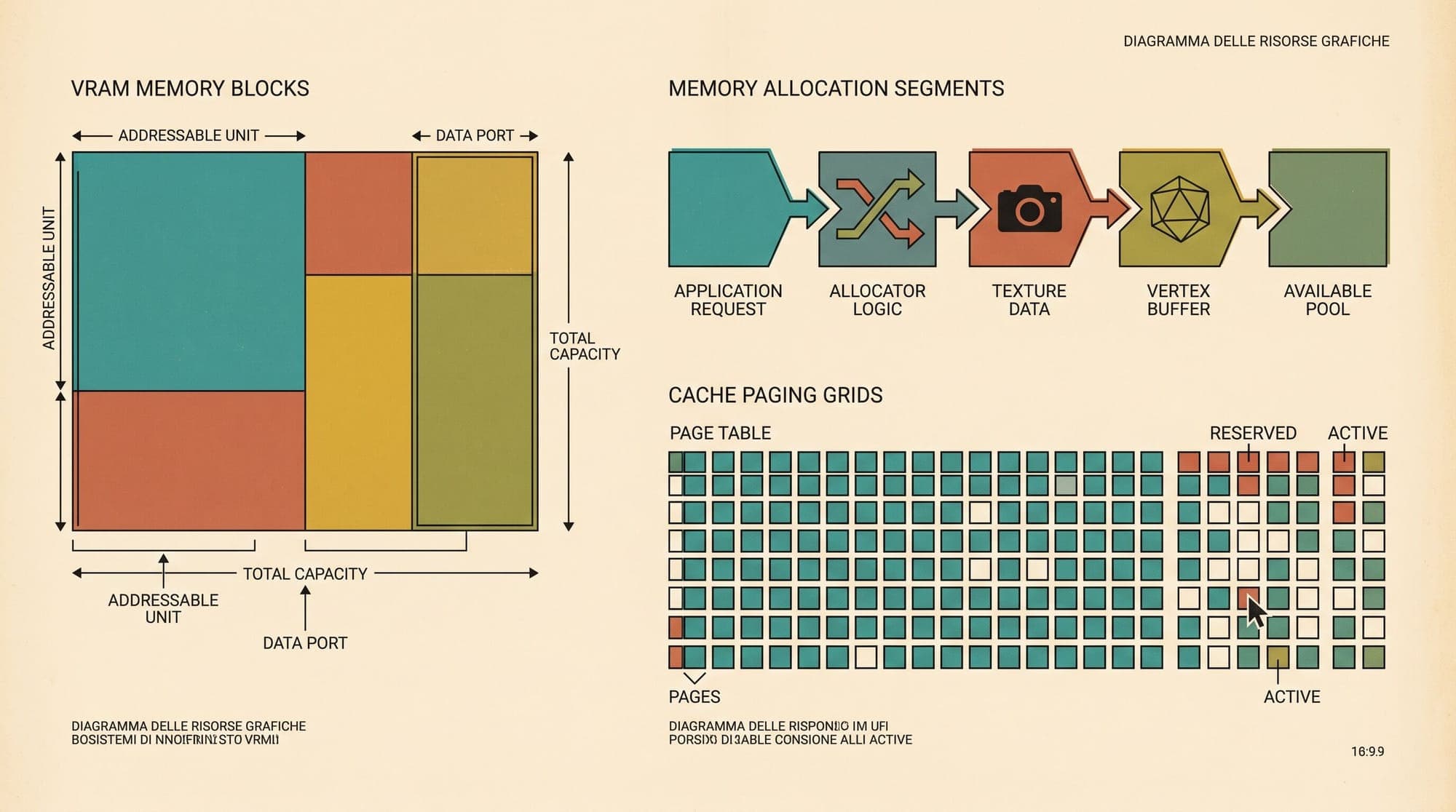
  8. GPU Memory Profiling in Production LLM Serving: CUDA Allocator Internals, PyTorch Snapshots, and VRAM Optimization

    In high-throughput large language model serving, memory is the primary constraint governing latency, batch concurrency, and context length. While model parameter footprints are static and easily calculated, runtime GPU memory (VRAM) dynamics are governed by low-level caching allocators, dynamic key-value (KV) cache allocation pools, transient activation spikes, and memory fragmentation. When an inference worker crashes with torch.cuda.OutOfMemoryError, default system diagnostics such as nvidia-

    LLM
    6 min read
  9. Weight Tying in Large Language Models: Mathematical Foundations, Geometric Bottlenecks, and Modern Architectural Trade-Offs

    Weight Tying in Large Language Models: Mathematical Foundations, Geometric Bottlenecks, and Modern Architectural Trade-Offs In autoregressive language models, the embedding layer at the input and the unembedding projection layer at the output serve as the two bridges between discrete vocabulary tokens and the continuous hidden representation space. In the foundational Transformer architecture (Vaswani et al., 2017) and early generative models like GPT-2 (Radford et al., 2019), the weights of th

    AI
    8 min read
  10. Anthropic Launches Claude Academy and 4D AI Fluency Framework for Workforce Training

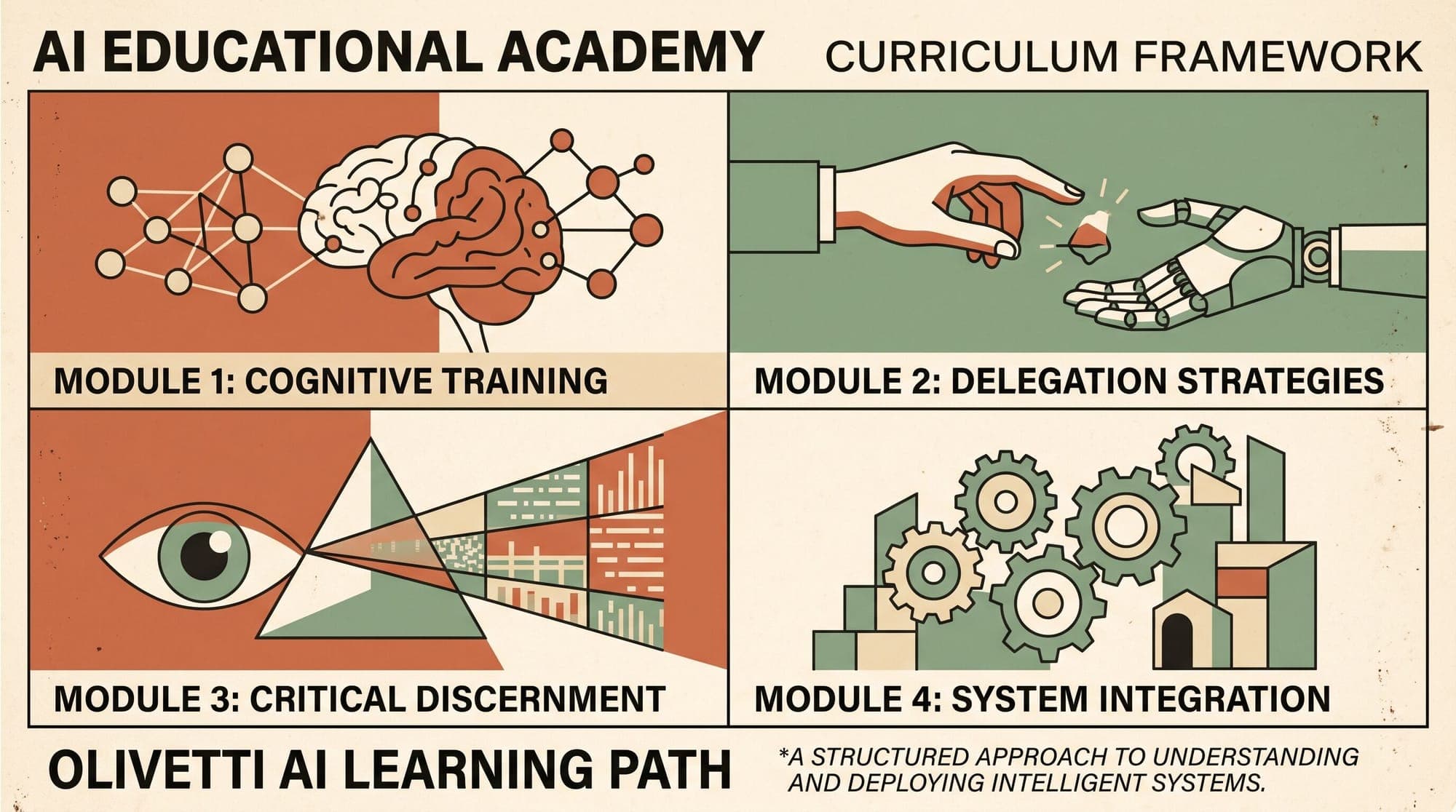
    Anthropic has launched Claude Academy, an interactive training platform aimed at standardizing how individuals and enterprise teams learn, deploy, and evaluate AI systems. Available via academy.claude.com and directly inside the Claude profile interface, the program couples tool-specific training modules with a foundational curriculum designed to cultivate systematic AI interaction patterns. The initiative comes as enterprise adoption shifts from ad-hoc prompting toward autonomous agent workflo

    Anthropic
    2 min read