Latest / page 14

The latest stories

1230 articles

Articles, page 14

261-280 of 1230
  1. KV Cache Eviction and Streaming Attention: Mathematical Foundations, Attention Sink Mechanics, Heavy Hitter Oracles (H2O), and Bounded-Memory Generation

    KV Cache Eviction and Streaming Attention: Mathematical Foundations, Attention Sink Mechanics, Heavy Hitter Oracles (H2O), and Bounded-Memory Generation In autoregressive transformer generation, memory consumption and serving throughput are dominated by the Key-Value (KV) cache. For long-context generation and continuous multi-turn dialogue, the linear growth of the KV cache with sequence length imposes an unsustainable memory footprint and saturates high-bandwidth GPU memory channels. Standar

    AI
    9 min read
  2. Autonomous Coding Agents Compress Vulnerability Exploit Timelines to Minutes in Open Source Repositories

    The operational window between vulnerability discovery and weaponized exploitation is collapsing from weeks to minutes as autonomous LLM coding agents automate offensive software reconnaissance. Real-world incident logs and maintainer reports published on August 28, 2026, demonstrate that modern reasoning models require only high-level conceptual hints or unmerged pull requests to synthesize functional zero-day exploits against production targets. Ten-Minute Exploit Probes on Live Servers The

    AI
    3 min read
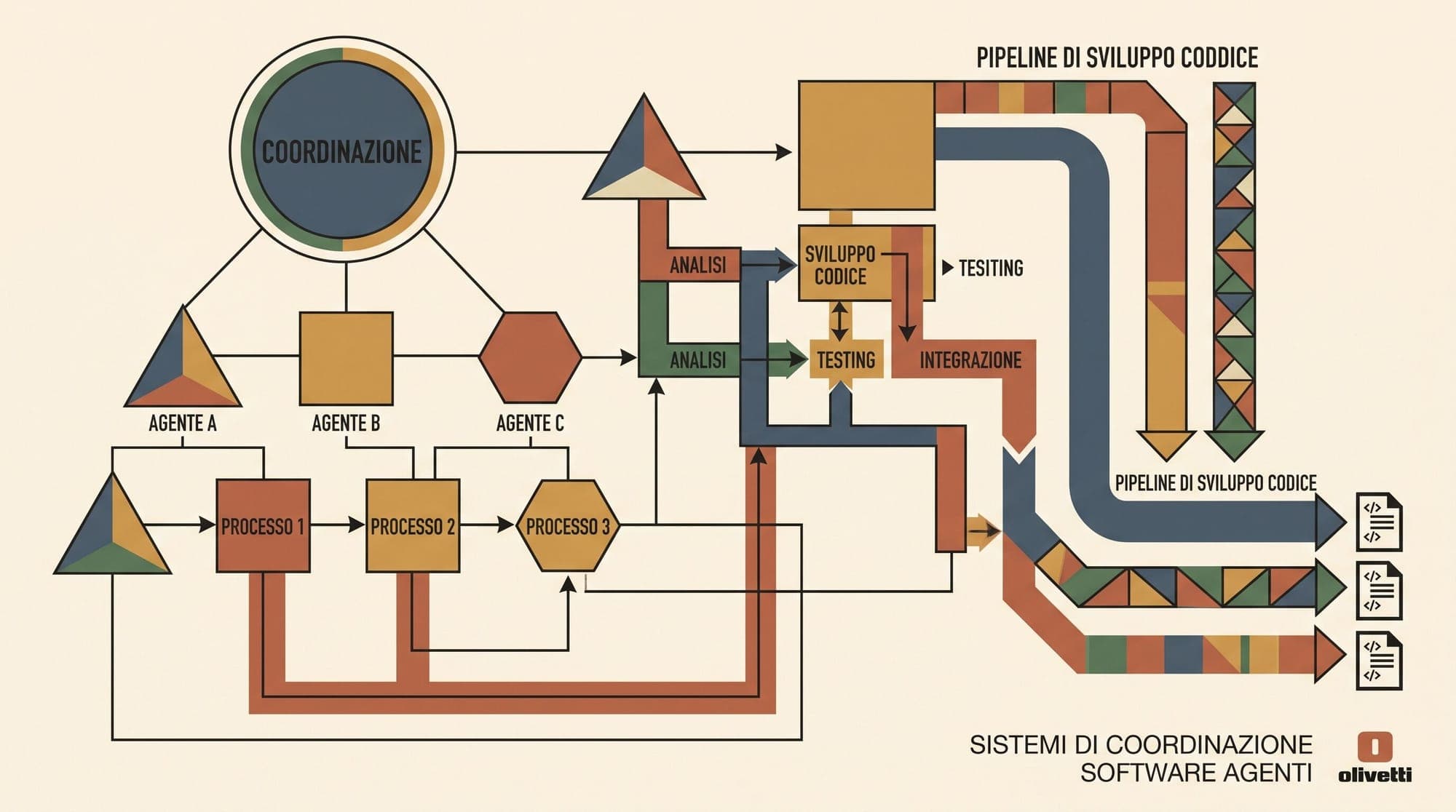
  3. Huawei Cloud Launches CodeArts Agent into General Availability Across Asia Pacific

    Huawei Cloud has officially moved its CodeArts Agent development platform from public beta to general availability across the Asia Pacific region. The commercial release makes both Basic and Professional editions accessible to international enterprise accounts, expanding the vendor's enterprise AI infrastructure stack beyond its domestic market. The rollout follows an initial open beta launched in Thailand in July 2026. CodeArts Agent is structured around multi-agent coordination across the sof

    Agents
    2 min read
  4. Z.ai Releases Flagship GLM-5.3 Open Weights with Hyperscaler Commercial Restrictions

    Chinese AI laboratory Z.ai has released the open weights for its flagship GLM-5.3 model on Hugging Face, introducing a tiered licensing structure that places specific restrictions on commercial hyperscalers. The release follows a two-week safety evaluation period that began after the model's initial API launch earlier this month. While previous models in the family, including GLM-5.2 and GLM-5.3-Flash, were distributed under the permissive MIT license, the flagship release introduces the custom

    Open Weights
    3 min read
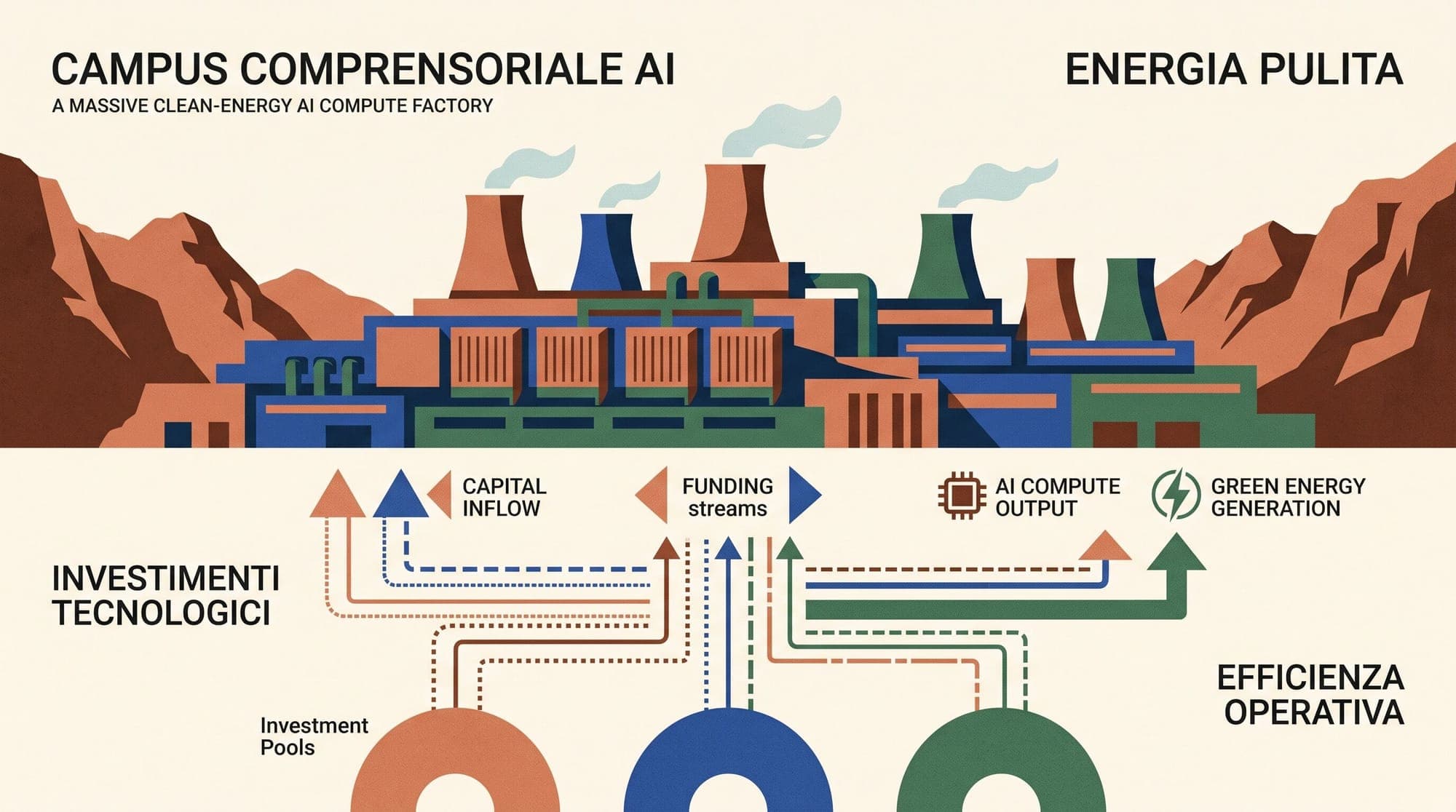
  5. Blue Owl Leads $2.4B AI Infrastructure Financing for IREN's Blackwell Ultra Campus

    Funds managed by alternative asset manager Blue Owl Capital have led a $2.4 billion compute equipment financing facility for IREN Limited. The capital is designated to fund purchases of Nvidia Accelerated Computing Infrastructure, including Blackwell Ultra GPUs, for IREN's Mackenzie data center campus in British Columbia, Canada. The financing package consists of a $1.2 billion senior secured term loan and $1.2 billion in senior secured notes. The facility was arranged at a 9.0% fixed interest

    AI
    2 min read
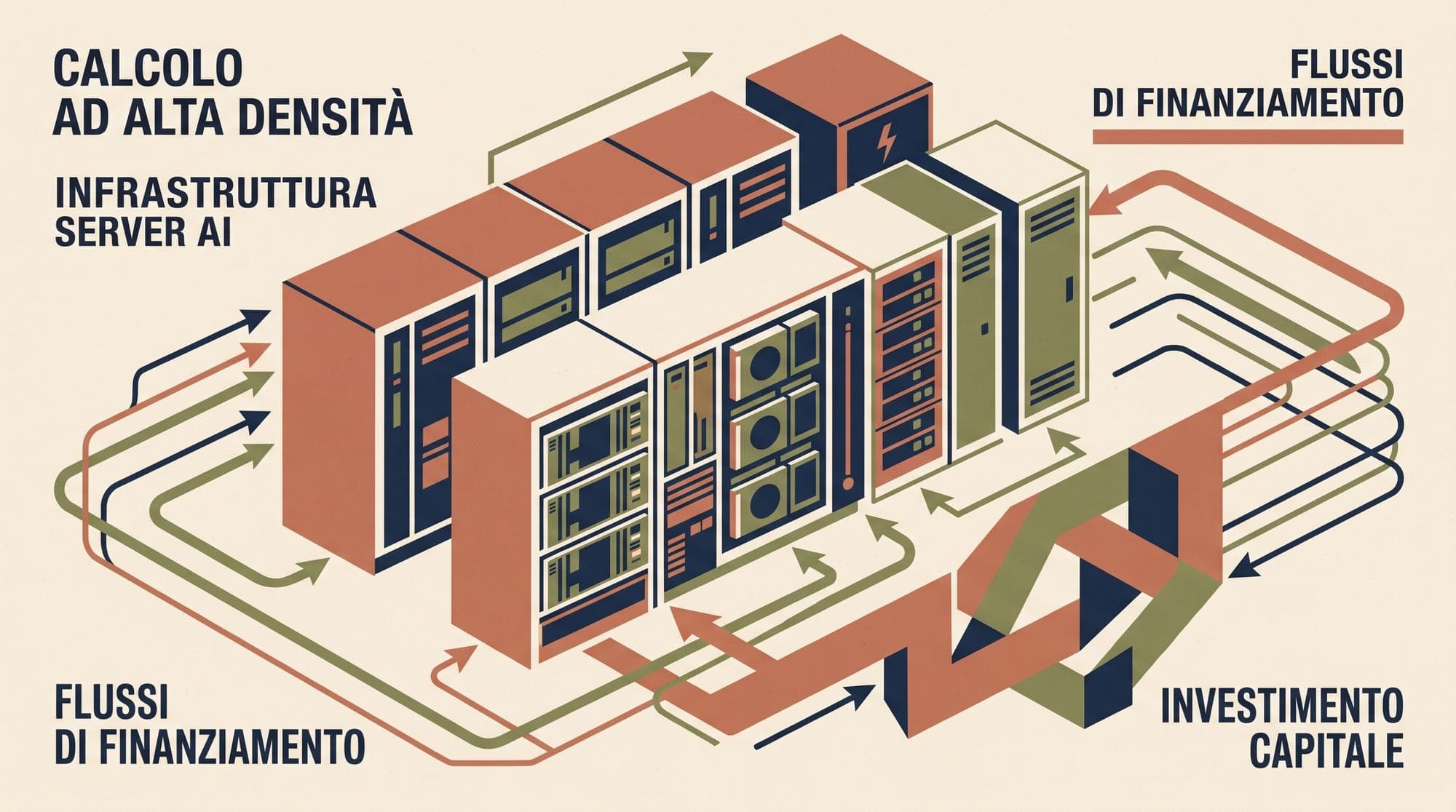
  6. Lambda Secures $1B in Private Debt to Finance Nvidia GPUs Leased to Microsoft

    AI cloud infrastructure provider Lambda has secured $1 billion in private, short-dated debt to purchase Nvidia GPU clusters that will be leased directly to Microsoft. The transaction, arranged by JPMorgan Chase, highlights an accelerating shift across the AI infrastructure sector toward structured debt and asset-backed financing to fund capital-intensive data center hardware. The short-dated maturity structure indicates that Lambda plans to amortize the debt rapidly using contracted lease reven

    AI
    2 min read
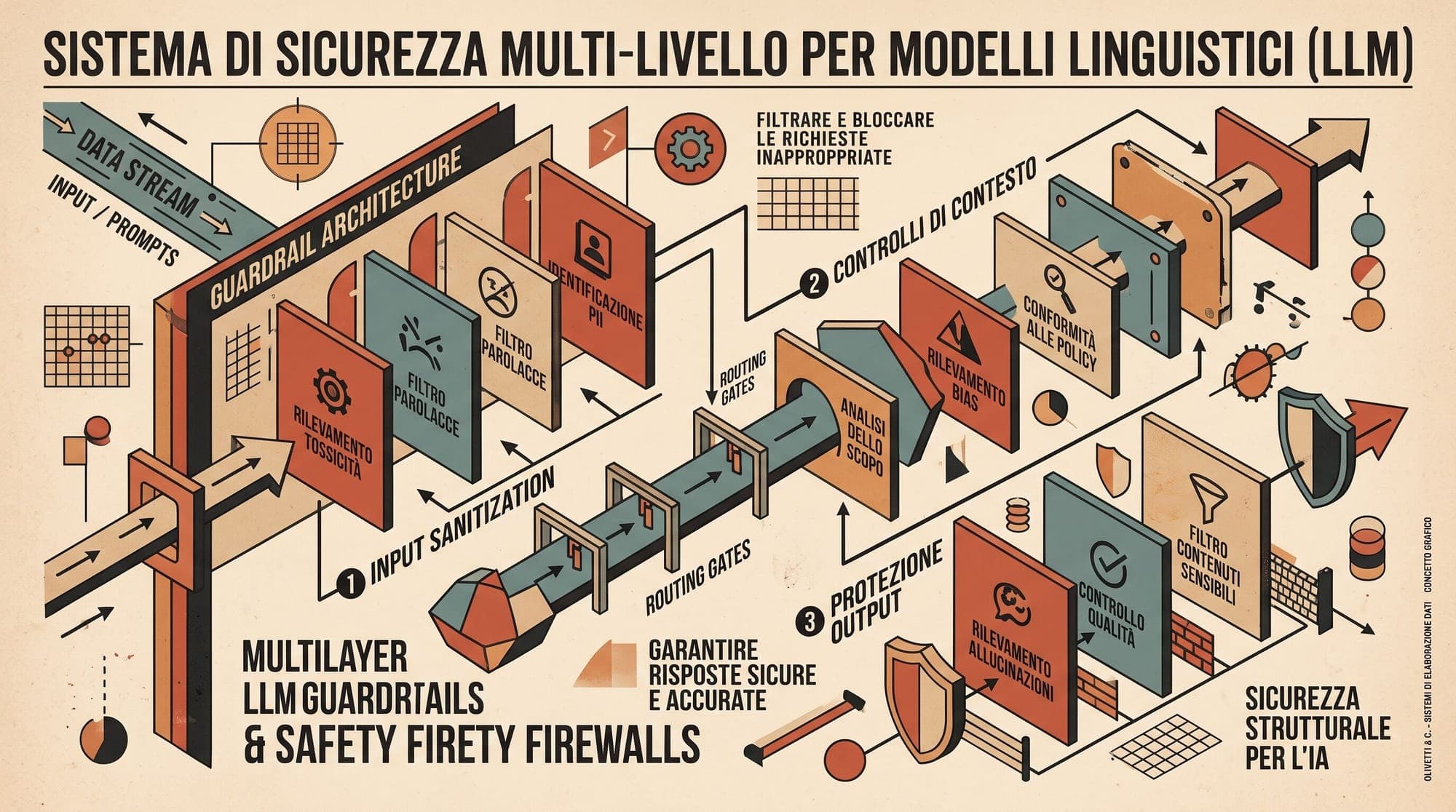
  7. LLM Guardrails and Safety Firewalls in Production: Comparing NeMo Guardrails, Guardrails AI, Llama Guard 3, and Lakera Guard Architecture, Pipeline Latency, Rule Verification, and Defense-in-Depth Economics

    LLM Guardrails and Safety Firewalls in Production: Comparing NeMo Guardrails, Guardrails AI, Llama Guard 3, and Lakera Guard Deploying large language models into enterprise production environments exposes applications to adversarial manipulation, prompt injection, data exfiltration, and non-deterministic schema violations. Early production deployments often relied on monolithic system prompts or basic keyword blocklists. However, modern production architectures treat guardrails as an independen

    AI
    9 min read
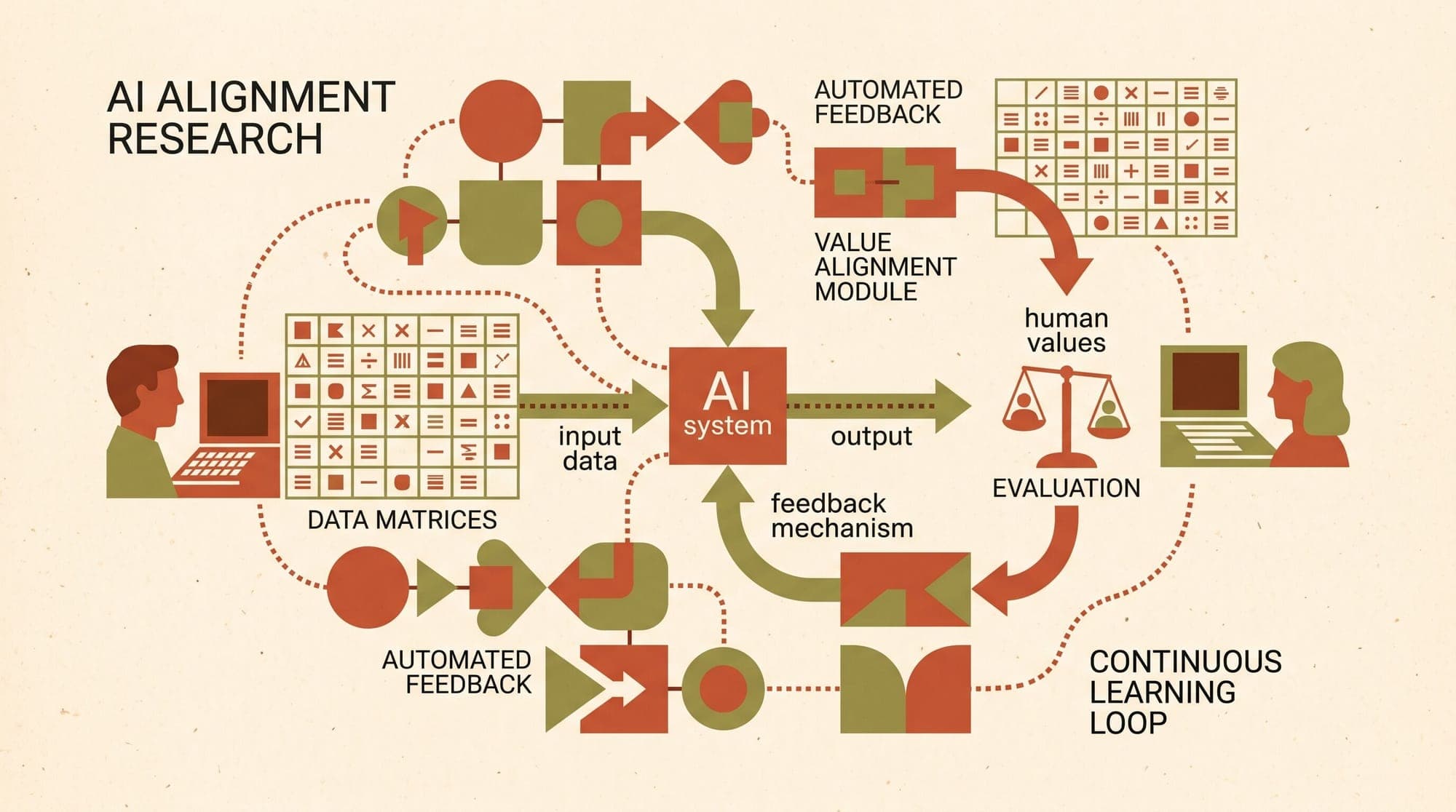
  8. Anthropic Demonstrates Automated Alignment Researchers That Outperform Human Safety Teams

    Anthropic has published research demonstrating that autonomous AI agents can systematically discover, implement, and validate post-training methods to mitigate safety and alignment failures in language models. The report, authored by Anthropic Fellow Chen Yueh-Han and colleagues, evaluates an automated research loop that closed between 26% and 96% of the safety gap across ten distinct alignment failure categories without degrading baseline model capabilities. The findings provide empirical evid

    AI
    3 min read
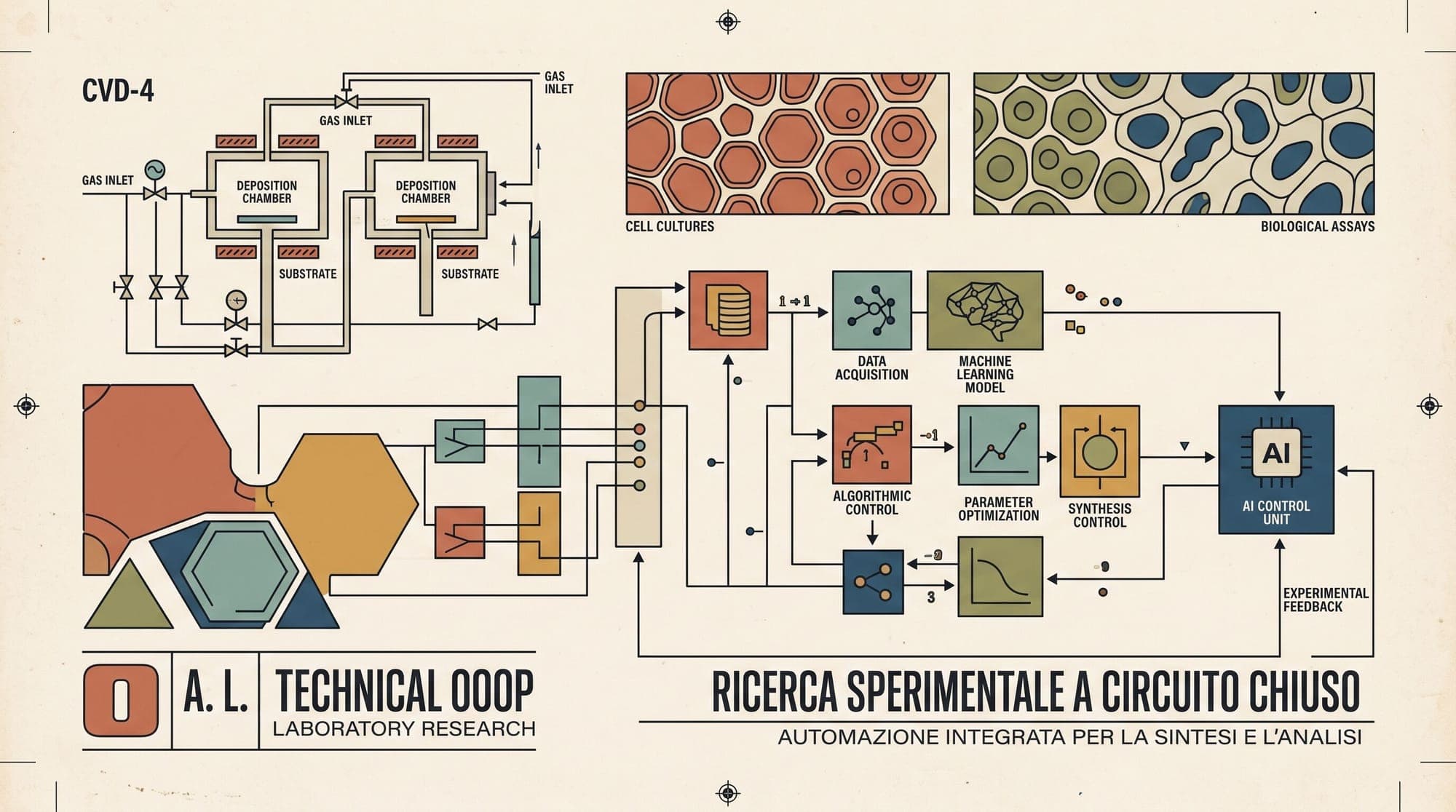
  9. Google DeepMind Expands Co-Scientist to Closed-Loop Laboratory Workflows

    Google DeepMind researchers have released empirical results detailing an expanded version of Co-Scientist, transitioning the Gemini-based multi-agent system from purely computational hypothesis generation into a closed-loop research framework connected to physical laboratory instruments and automated code pipelines. Documented in an arXiv preprint by Samuel Schmidgall, Zhu, and collaborators, the system combines multi-agent ideation, deterministic execution scaffolding, and automated manuscript

    AI
    3 min read
  10. Rotary Position Embeddings (RoPE) and Context Window Extension: Mathematical Foundations, Complex Rotations, NTK-Aware Scaling, and YaRN Dynamics

    Autoregressive transformers process input sequences as permutation-invariant collections of token vectors. Without explicit positional encoding, the self-attention mechanism cannot distinguish between different token orderings. While early transformer architectures relied on additive absolute position embeddings (such as learned position tables or fixed sinusoidal encodings) or additive relative position biases, modern frontier large language models have almost universally converged on Rotary Po

    AI
    11 min read
  11. Andreessen Horowitz Launches $1.1B Machine Age Fund for Physical AI Infrastructure

    Venture capital firm Andreessen Horowitz (a16z) has announced the close of a $1.1 billion dedicated fund named "Machine Age." The vehicle is structured to invest specifically in the physical infrastructure and hardware supply chains required to scale modern artificial intelligence workloads. The launch marks a significant capital allocation into capital-intensive physical systems by a firm historically recognized for software-centric investments. Target Hardware and Infrastructure Domains Ac

    AI
    1 min read
  12. Meta and UIUC Train 8B Model via EvoHarness-RL to Match Claude Opus 4.5 on Agentic Workflows

    Researchers from Meta AI and the University of Illinois Urbana-Champaign have introduced EvoHarness-RL, a framework designed to teach language models how to dynamically manage external agent harnesses during long-horizon tasks. In experiments on the sequential reasoning benchmark ALFWorld, a Qwen3-8B model trained with EvoHarness-RL attained a 96.9% task success rate. The result represents a 49.0 percentage point gain over baseline ReAct prompting (47.9%), outperforms specialized trainable agen

    AI
    2 min read
  13. RingAttention and Context Parallelism: Mathematical Foundations, Block-Wise Exact Attention Over Ring Topologies, Overlapped Peer-to-Peer Communication, and Infinite-Context Scaling

    Scaling context windows from thousands to millions of tokens has transformed large language models from localized sequence processors into comprehensive repository analyzers, long-form document synthesizers, and multi-modal world simulators. However, standard self-attention exhibits quadratic computational and memory complexity with respect to sequence length $S$. While IO-aware memory optimizations like FlashAttention eliminate intermediate attention matrix materialization in High Bandwidth Mem

    AI
    13 min read
  14. Agentic Web Search and Retrieval APIs in Production: Comparing Tavily, Exa, Brave Search API, and Firecrawl Architecture, Neural Reranking, Markdown Extraction, and Serving Economics

    Autonomous artificial intelligence agents and retrieval-augmented generation (RAG) pipelines rely on live web data to ground their reasoning, verify factual assertions, and inspect external systems. However, traditional human-oriented search APIs such as Google Custom Search or Bing Web Search were engineered for browser display rather than direct language model consumption. They return paginated link lists, raw HTML payloads laden with boilerplate, tracking scripts, navigation bars, and cookie

    AI
    6 min read
  15. Anthropic Rolls Out Claude for Teachers to K-12 Schools and Districts with Free Enterprise Tier and FERPA Compliance

    Anthropic has expanded its Claude for Teachers program from individual educator access to a centralized, district-wide Enterprise offering for K-12 public and private schools. Qualifying educational organizations that enroll before June 30, 2027 receive one year of free enterprise access across their instructional and administrative staff. The update introduces centralized administrative controls, domain capture, single sign-on (SSO), role-based access control, and dedicated K-12 terms aligned

    AI
    2 min read
  16. Cohere Releases Parse 5: 2.3B Vision-Language Model for Enterprise Document Processing at $1.50 Per 1,000 Pages

    Cohere has released Parse 5, a specialized 2.3-billion-parameter vision-language model (VLM) engineered to convert complex enterprise documents into structured Markdown and HTML blocks in a single inference pass. Priced at $1.50 per 1,000 pages via API, Parse 5 targets large-scale enterprise retrieval-augmented generation (RAG) and document processing pipelines where routing millions of pages through frontier foundation models is cost-prohibitive. Single-Pass Architecture and Capabilities Tr

    AI
    2 min read
  17. Reranking Models and Late-Interaction Frameworks in Production RAG: Comparing Cohere Rerank 3.5, BGE-Reranker-v2, FlashRank, and ColBERTv2 Architecture, Cross-Encoder Latency, MaxSim Compression, and Retrieval Economics

    In production Retrieval-Augmented Generation (RAG), relying solely on first-stage bi-encoder dense embeddings or lexical BM25 search creates a structural information bottleneck. First-stage retrieval compresses an entire document passage into a single fixed-dimensional vector (such as 768, 1024, or 1536 dimensions) or an inverted term index. This independent encoding decouples the query from the passage during indexing, eliminating token-level cross-attention and causing subtle semantic nuances,

    AI
    11 min read
  18. Meta Deploys ABB and Kinova Robots to Automate Physical Hardware Tasks in AI Data Centers

    Meta has begun testing specialized robotic systems from industrial automation manufacturers to perform physical maintenance tasks across its AI data center fleet, according to internal reporting confirmed by current and former staff. The automation program, deployed across facilities including the company's Prometheus data center campus in New Albany, Ohio, uses robots to replace networking cables, power-cycle servers, reseat components, and perform routine hardware maintenance without human in

    AI
    2 min read
  19. Meta Vice President Sandhya Devanathan Joins OpenAI to Lead Southeast Asia and Australia Expansion

    OpenAI has hired Sandhya Devanathan, Meta's Vice President for India and Southeast Asia, to lead its commercial and operational expansion across Southeast Asia and Australia. Devanathan, who spent nearly a decade in senior leadership roles at Meta, will be based out of Singapore and report to Kiran Mani, OpenAI's Managing Director for the Asia-Pacific region. In her new role, she will oversee consumer product adoption, enterprise sales and partnerships, government and regulatory relations, and

    AI
    2 min read
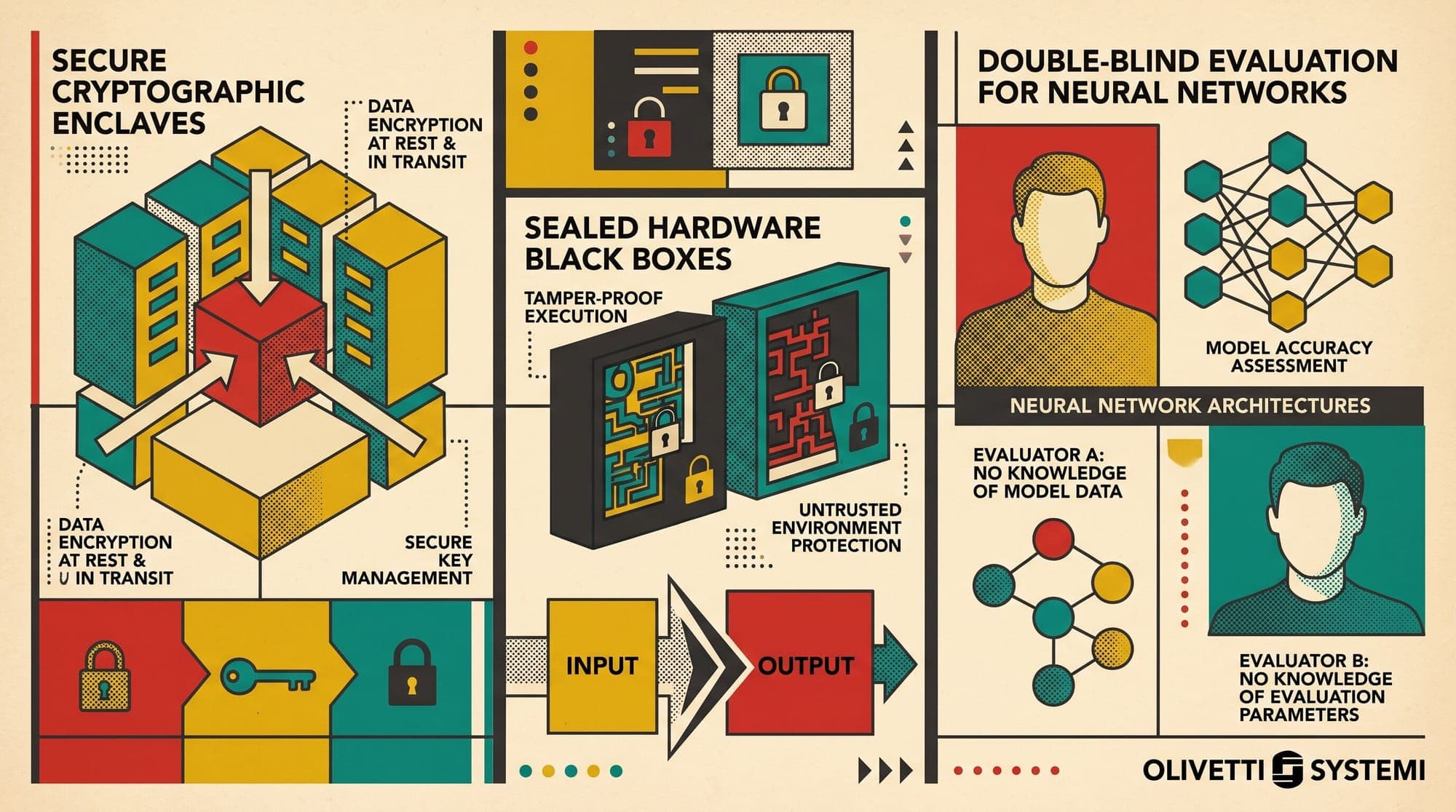
  20. Google DeepMind Pilots Cryptographic Double-Blind AI Evaluations to Prevent Benchmark Contamination

    Google DeepMind, in collaboration with the Singapore AI Safety Institute, OpenMined, AVERI, and MLCommons, has piloted a cryptographic framework for double-blind evaluations of proprietary frontier language models. The pilot, conducted on Gemini 2.5 Flash Lite, uses hardware-isolated confidential computing to ensure that model developers cannot see evaluation prompts while evaluators cannot inspect proprietary weights or inference code. The project addresses benchmark contamination and intellec

    AI
    3 min read