Category / page 4

Chips & Infrastructure

314 articles

Articles, page 4

61-80 of 314
  1. Zhipu's GLM-5.3-Flash Runs Fully on Domestic Chinese Chips, Challenges NVIDIA Dominance

    Zhipu's GLM-5.3-Flash Runs Fully on Domestic Chinese Chips, Challenges NVIDIA Dominance Zhipu AI's GLM-5.3-Flash model, initially released as the mysterious "Niu Lai" (Ox Alpha) model, has been confirmed to run entirely on domestically produced Chinese accelerator chips, marking a significant milestone in China's AI self-sufficiency efforts. The 320B parameter mixture-of-experts model activates only 18B parameters and achieves performance comparable to Claude Opus 4.8 while operating at 1/40th

    AI
    2 min read
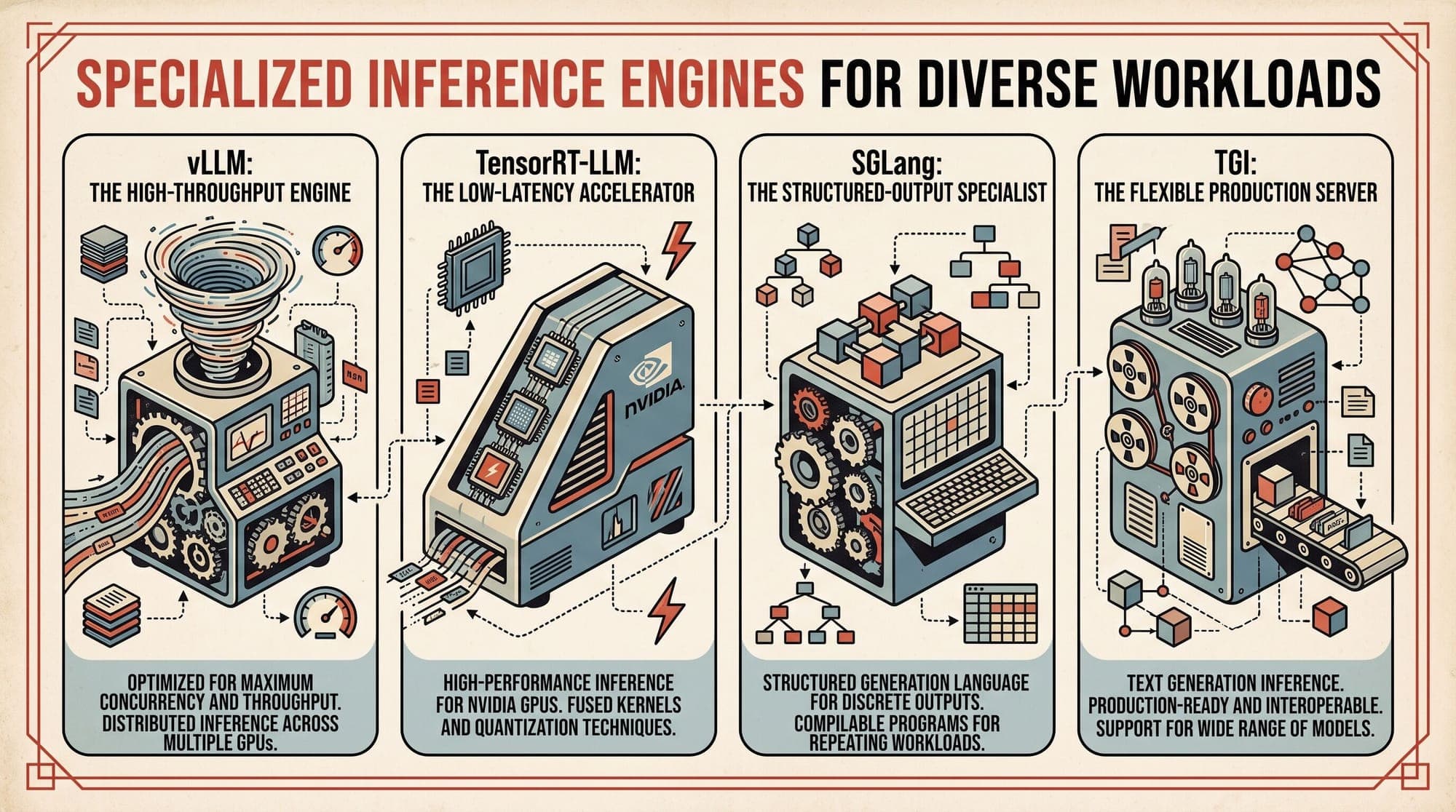
  2. LLM Inference Engines in 2026: Matching vLLM, TensorRT-LLM, SGLang, and TGI to Your Production Workload

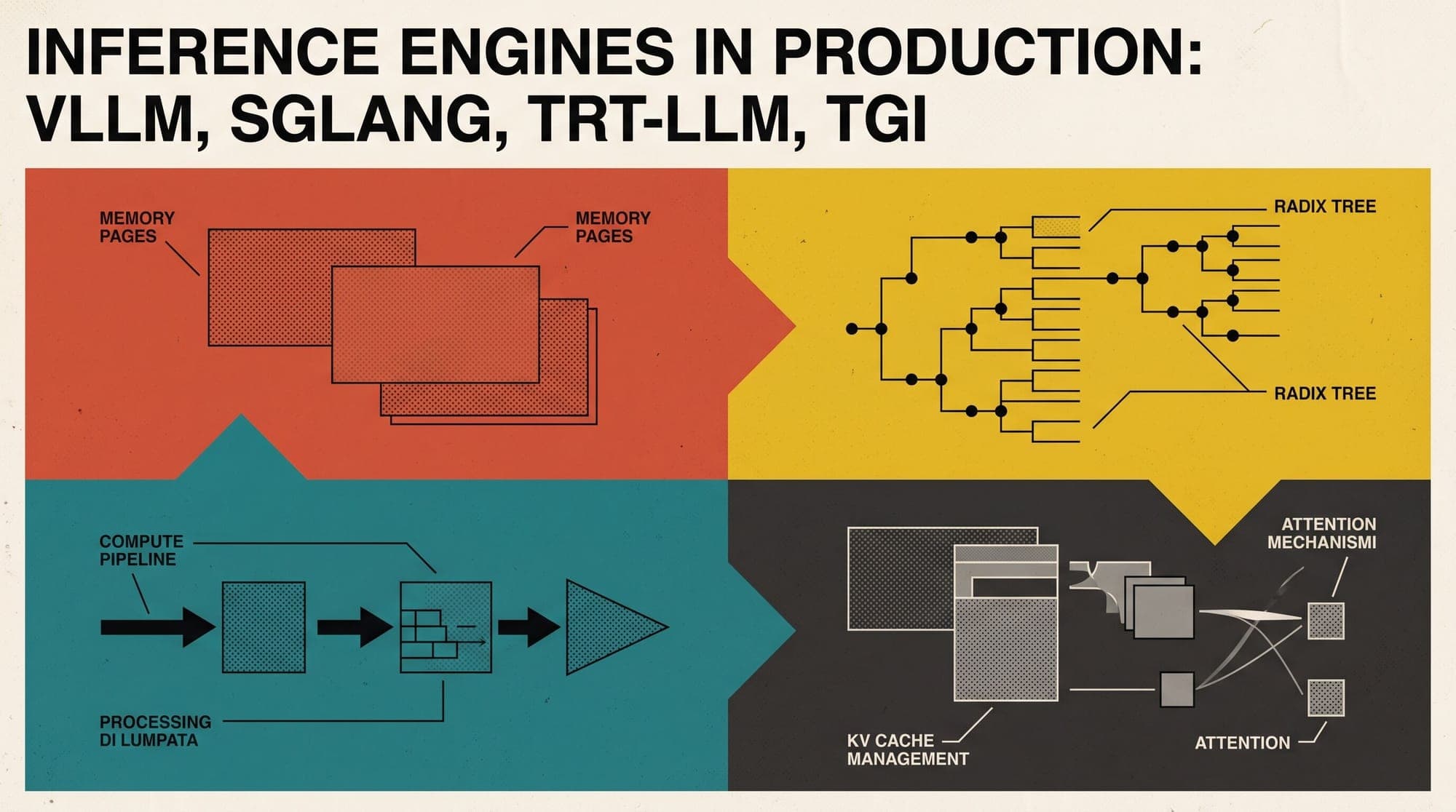
    Why Inference Engine Choice Is a Strategic Decision Large language models have moved from research prototypes to production systems powering real applications. Yet serving them efficiently remains one of the hardest challenges in AI infrastructure. The inference engine—the software layer that turns user requests into GPU workloads—has become as critical as model selection itself. Pick the wrong inference engine and you create unnecessary bottlenecks: excessive latency, underutilized GPUs, or i

    AI
    5 min read
  3. OpenAI Unveils Jalapeño Custom Inference Chip Benchmarks at Hot Chips 37

    OpenAI presented the first architecture and benchmark disclosures for its custom inference chip, code-named Jalapeño, during the 37th Hot Chips conference. In published test data and technical disclosures, OpenAI reported that Jalapeño achieves 1.5x to 1.9x higher performance per watt and 1.7x to 3.6x lower end-to-end latency compared to Nvidia Blackwell GB200 and GB300 systems on production LLM workloads. Developed in co-design partnership with Broadcom, Jalapeño represents OpenAI's initial ha

    AI
    2 min read
  4. Nvidia Agrees to Acquire Hugging Face for $12.9 Billion

    Nvidia has agreed to acquire Hugging Face for $12.9 billion, according to reporting from The Information. Parallel reports from Business Insider, Bloomberg, and Reuters confirm that the companies engaged in advanced acquisition negotiations valuing the open-source artificial intelligence hub between $12.9 billion and $13 billion. The transaction marks the largest software and developer platform acquisition in Nvidia's history, placing the primary distribution nexus for open-weight foundation mo

    AI
    3 min read
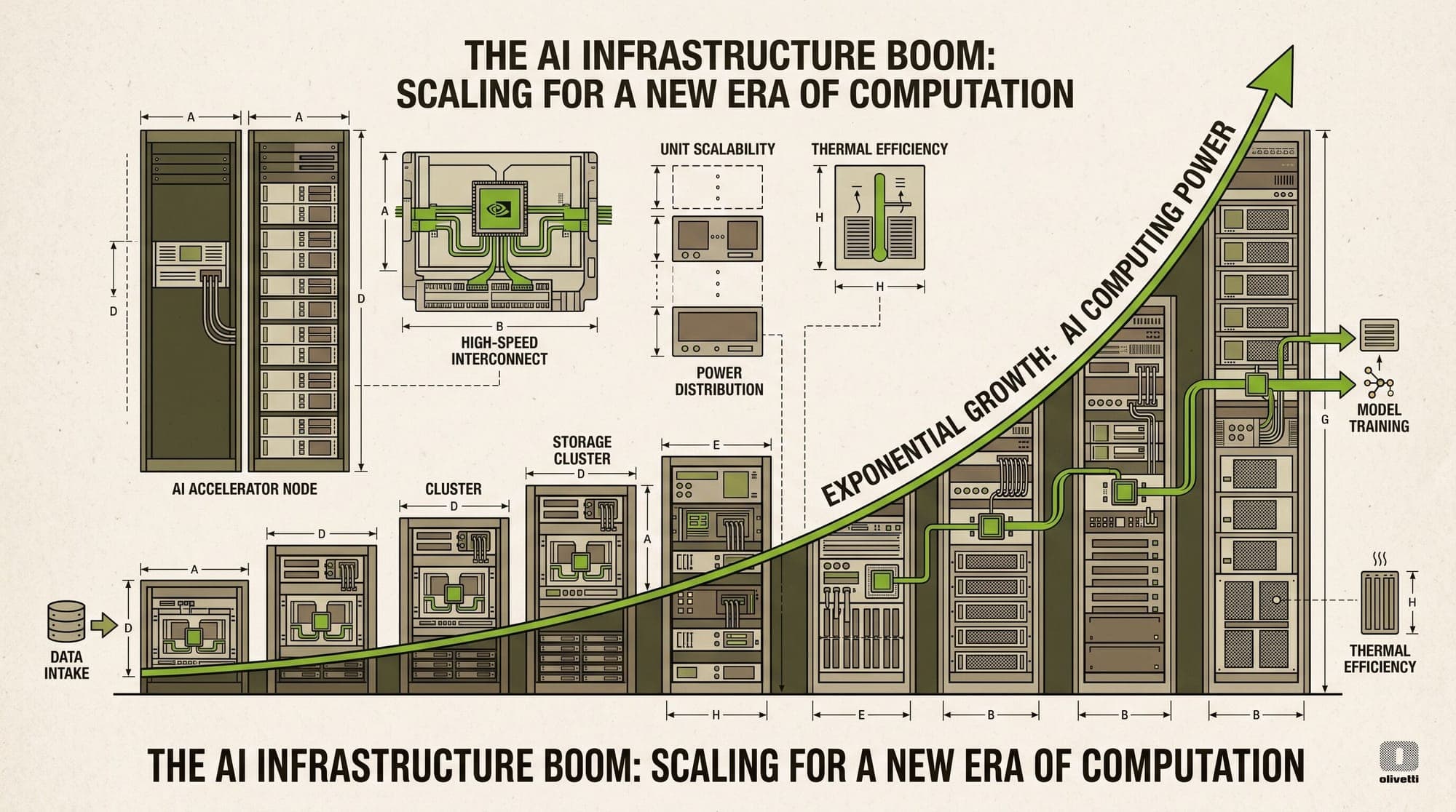
  5. AWS and NVIDIA Expand AI Partnership to Deploy 2 Million Additional Blackwell Ultra and Rubin GPUs

    Amazon Web Services (AWS) and NVIDIA have announced a major expansion of their cloud infrastructure partnership, committing to deploy two million additional high-end NVIDIA GPUs across AWS global data centers in 2027 and 2028. The deployment expands on AWS's previous commitment from GTC 2026 to add one million GPUs starting in 2026, bringing total forward allocations across the multi-year cycle to three million units. The upcoming capacity will comprise NVIDIA Blackwell Ultra, Rubin, and Rubin

    AI
    2 min read
  6. Amazon Acquires DuckLabs to Integrate DuckDB into AWS Analytics and AI Agent Workflows

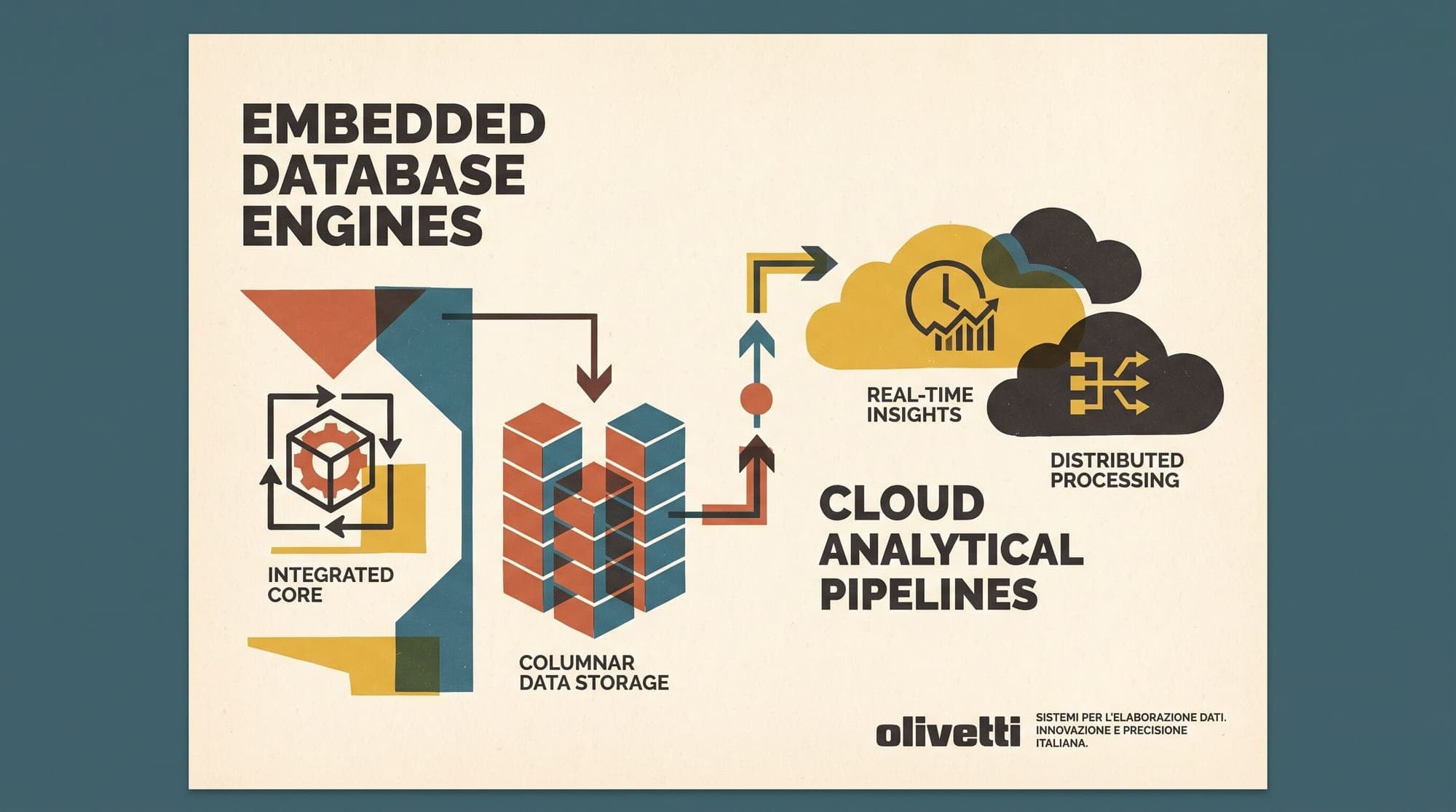
    Amazon has entered into a definitive agreement to acquire DuckLabs, the Amsterdam-based company behind the open-source columnar database DuckDB. The acquisition brings the DuckLabs development team into Amazon Web Services (AWS), where they will operate as a wholly owned subsidiary starting in early September. Financial terms of the transaction were not disclosed. DuckDB creators and DuckLabs co-founders Hannes Mühleisen and Mark Raasveldt will continue leading the team from Amsterdam, maintain

    AI
    2 min read
  7. NVIDIA Reports $96.2B Quarter as Data Center Revenue Reaches $89B

    NVIDIA Reports $96.2B Quarter as Data Center Revenue Reaches $89B NVIDIA reported second-quarter fiscal 2027 revenue of $96.2 billion, representing a 106% year-over-year increase, the company announced in its earnings release on August 26, 2026. The Data Center segment drove the results with $89.0 billion in quarterly revenue, up 117% from the prior year. Edge Computing contributed $7.2 billion, up 27% year over year. GAAP and non-GAAP gross margins both came in at 75.0%, while GAAP diluted e

    AI
    3 min read
  8. Activation-Aware Weight Quantization (AWQ): Mathematical Foundations, Salient Weight Protection, and INT4 Tensor Core Execution

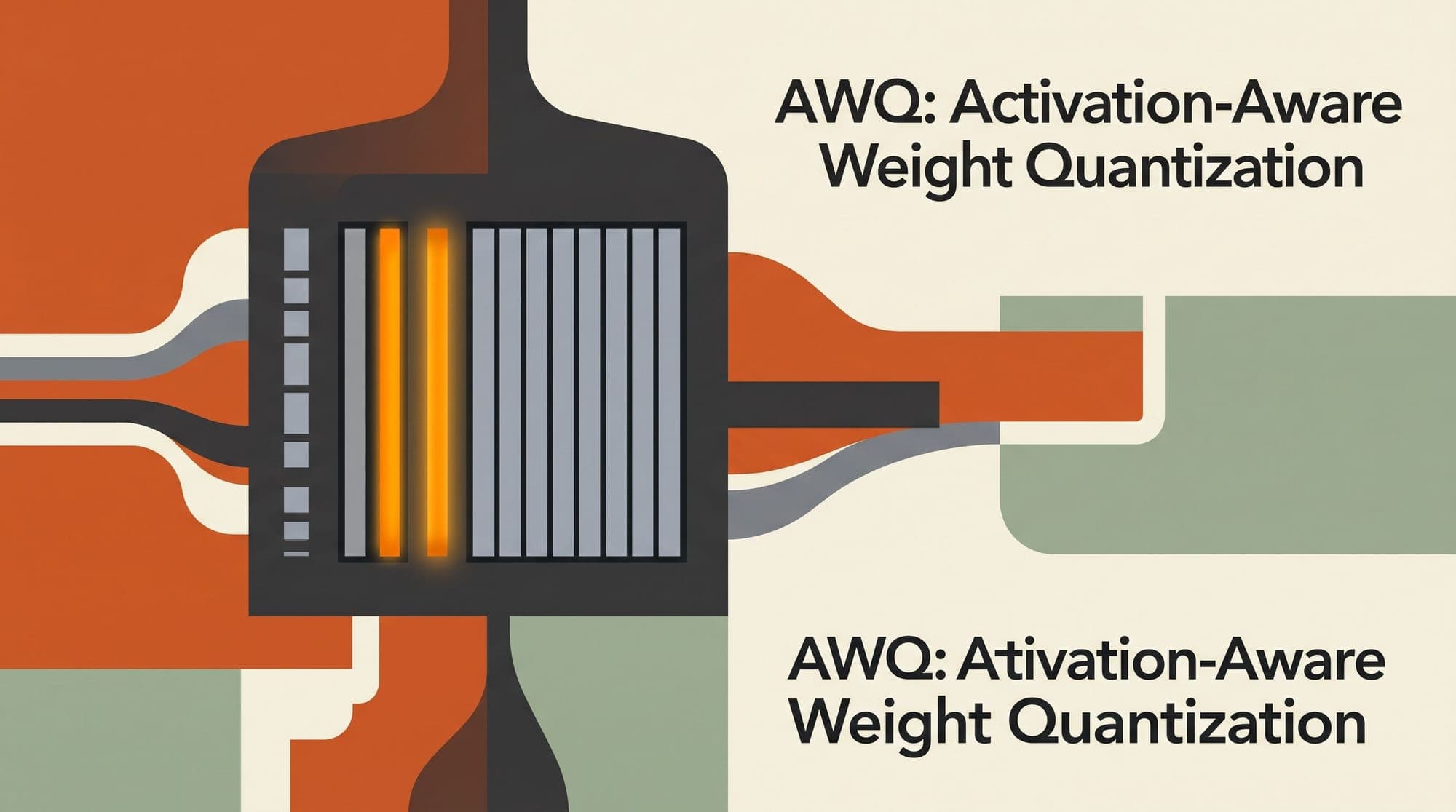
    Activation-Aware Weight Quantization (AWQ): Mathematical Foundations, Salient Weight Protection, and INT4 Tensor Core Execution Large language models have transformed AI applications, but their deployment remains constrained by memory and compute barriers. A 70B parameter model in FP16 occupies ~140 GB of VRAM — exceeding even the 192 GB of NVIDIA's flagship B200 GPU, let alone edge devices. Quantization addresses this by reducing weight precision from 16-bit floats to 4-bit integers, shrinking

    AI
    6 min read
  9. KV Cache Optimization and Prefix Caching in LLM Serving: Comparing RadixAttention, Automatic Prefix Caching, and Static Context Sharing

    Serving large language models in multi-turn conversational agents, complex retrieval-augmented generation (RAG) pipelines, and few-shot reasoning workflows presents a fundamental memory and compute asymmetry. During autoregressive decoding, every newly generated token must attend to all previous tokens in the sequence. To avoid recomputing Key and Value projection matrices at each decoding step, inference engines store intermediate activations in high-bandwidth GPU memory (HBM) as the KV cache.

    AI
    7 min read
  10. Vector Databases in Production RAG: Comparing Qdrant, Milvus, Weaviate, and pgvector Architecture, HNSW vs DiskANN, Filter Pipelines, Quantization, and Serving Economics

    In production Retrieval-Augmented Generation (RAG) systems, vector retrieval is rarely a simple nearest-neighbor lookup across unconstrained float32 embeddings. Real-world enterprise workloads require strict multi-tenant metadata filtering, low p99 latency under concurrent load, high write throughput for continuous ingestion, and strict memory budgeting. While synthetic benchmarks frequently test unconstrained recall on static datasets, production teams encounter severe operational divergence a

    AI
    9 min read
  11. Huawei Proposes 2,000 Ascend 950 AI Chips for Egyptian Government Cloud in Key Export Test

    Huawei Technologies has submitted a proposal to build sovereign artificial intelligence infrastructure for the Egyptian government, offering to export more than 2,000 of its proprietary Ascend AI accelerators. The tender represents China's most significant known push to export its highest-end AI silicon to international public sector clients. The proposal has drawn immediate attention in Washington, prompting the U.S. State Department to contact American semiconductor and cloud providers to ass

    Huawei
    2 min read
  12. Moonshot AI in Revenue-Sharing Talks with Microsoft, Amazon, and Google to Host Kimi K3

    Beijing-based artificial intelligence developer Moonshot AI is negotiating revenue-sharing partnerships with Microsoft, Amazon, and Alphabet's Google to host its flagship open-weight model, Kimi K3, across major cloud platforms. According to reporting from Reuters, the startup is seeking up to a 30 percent share of revenue generated from Kimi K3 inference services hosted on Microsoft Azure, Amazon Web Services (AWS), and Google Cloud. Moonshot released Kimi K3 in July 2026 as a 2.8-trillion par

    AI
    2 min read
  13. LLM Inference Engines in Production: Comparing vLLM, SGLang, TensorRT-LLM, and TGI Architecture, KV Cache Topologies, Kernel Optimizations, and Serving Economics

    LLM Inference Engines in Production: Comparing vLLM, SGLang, TensorRT-LLM, and TGI Architecture, KV Cache Topologies, Kernel Optimizations, and Serving Economics Serving large language models in enterprise production has evolved beyond naive execution runtimes. As context windows expand to 128k+ tokens and agentic workloads generate complex multi-turn execution graphs, the efficiency of the underlying inference engine dictates both latency Service Level Objectives (SLOs) and hardware infrastruc

    LLM
    7 min read
  14. Navitas to Acquire Claros for Up to $232.8M to Expand Grid-to-xPU AI Power Infrastructure

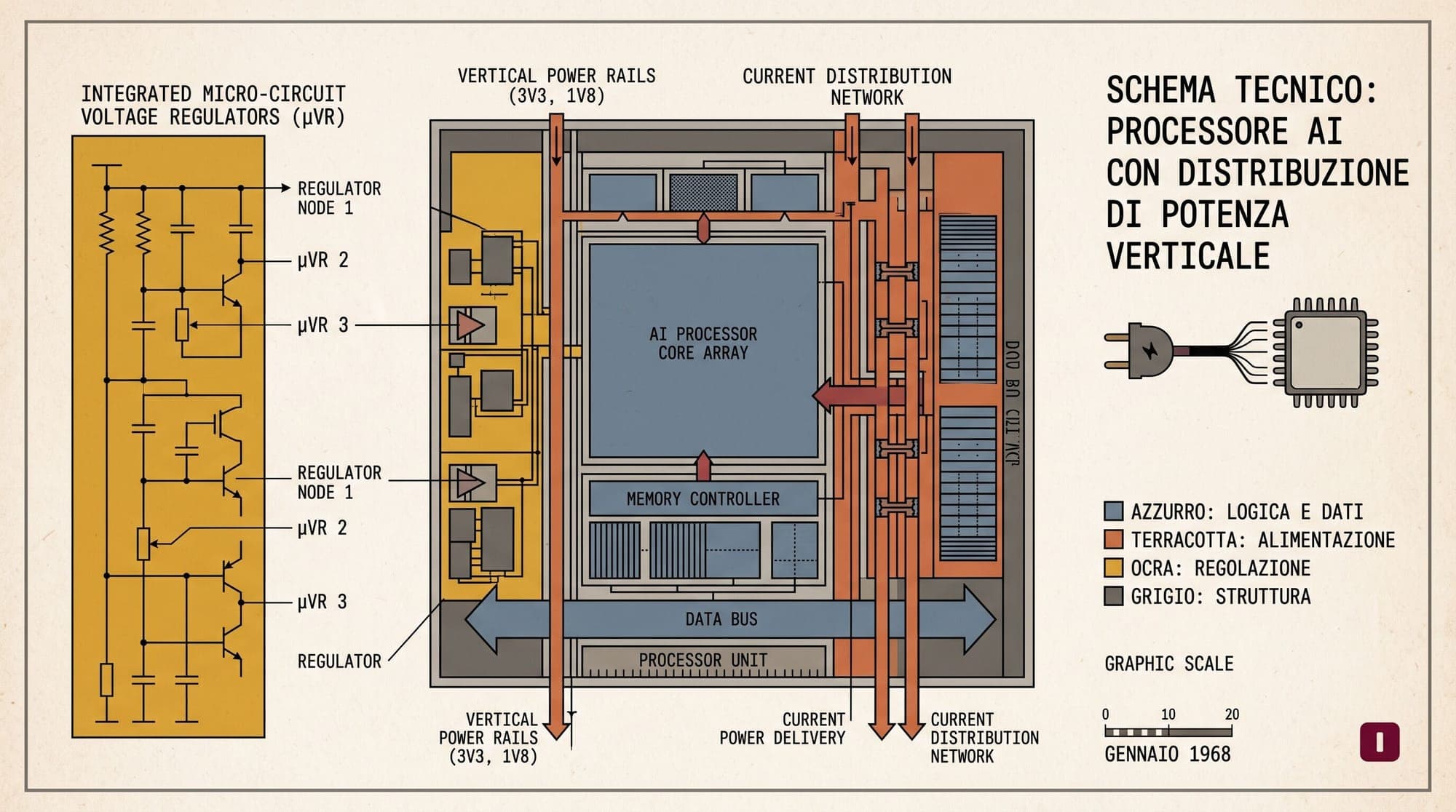
    Navitas Semiconductor has entered into a definitive merger agreement to acquire power-management startup Claros in a deal valued at up to $232.8 million. The transaction brings vertical power delivery (VPD) and integrated voltage regulator (IVR) technology under Navitas's portfolio, targeting the physical bottlenecks limiting power transmission in modern AI hardware accelerators. Under the agreed terms, Navitas will provide approximately $216.0 million at closing through a mix of cash and Class

    Hardware
    2 min read
  15. DeepSeek Generates $70.7M in Revenue with $106M Net Loss in First Seven Months of 2026

    Hangzhou-based artificial intelligence laboratory DeepSeek generated approximately 475 million yuan ($70.7 million) in revenue and recorded a net loss of $106 million during the first seven months of 2026, according to financial figures reported by The Information. The performance marks a roughly tenfold revenue surge compared to the lab's full-year 2025 revenue, alongside a modest contraction in net burn from the $139 million net loss reported for all of 2025. The disclosures provide a rare ac

    AI
    3 min read
  16. Intel Details 256-Core Xeon 7 and 480GB Crescent Island Inference GPU at Hot Chips 2026

    At the Hot Chips 2026 conference, Intel outlined architectural disclosures for three upcoming computing platforms tailored for AI workflows: the Xeon 7 enterprise processor (codename Diamond Rapids), the Crescent Island data center inference GPU, and the Wildcat Lake client processor (Intel Core Series 3). The announcements detail Intel's shift toward modular multi-die packaging, open chiplet interconnect standards, and expanded on-chip memory to meet the computational demands of multi-agent AI

    AI
    3 min read
  17. AM Intelligence Orders 9,000 Nvidia Vera Rubin Systems for $8B AI Infrastructure Project

    Indian AI infrastructure platform AM Intelligence (AMI) has placed a binding purchase order for 9,000 Nvidia Vera Rubin computing systems. The procurement represents one of the earliest hyperscale commitments for Nvidia's next-generation Rubin architecture across Asia and anchors an $8 billion capital expenditure initiative to build 1 gigawatt (GW) of dedicated AI computing capacity. The first phase of the deployment will take place at AMI's upcoming data center facility in Hyderabad, India. Th

    AI
    2 min read
  18. SmoothQuant: Mathematical Foundations, Per-Channel Outlier Migration, and Hardware-Efficient W8A8 Inference in Large Language Models

    SmoothQuant: Mathematical Foundations, Per-Channel Outlier Migration, and Hardware-Efficient W8A8 Inference in Large Language Models Serving large language models (LLMs) in production environments presents two distinct hardware bottlenecks. During the autoregressive generation (decode) phase with small batch sizes, inference is memory-bandwidth bound, as billions of parameters must be streamed from High Bandwidth Memory (HBM) to on-chip SRAM for every generated token. Conversely, during the pro

    Quantization
    12 min read
  19. XPeng Robotics Raises $900M at $6.3B Valuation to Scale IRON Humanoid Production

    XPeng announced that its robotics subsidiary has secured over $900 million in private capital at a post-money valuation exceeding $6.3 billion. The transaction marks the largest single-round private financing in China's physical AI and humanoid robotics sector to date. The funding round was led by IDG Capital, with participation from Gaorong Ventures as well as strategic backing from internet conglomerates Tencent and Alibaba. Concurrently, XPeng Chairman and Chief Executive Officer He Xiaopeng

    Physical AI
    2 min read
  20. FP8 Mixed-Precision Serving in Production: Comparing E4M3 vs. E5M2 Formats, Per-Tensor vs. Block-Wise Dynamic Scaling, FP8 KV Cache, and Tensor Core GEMM Economics

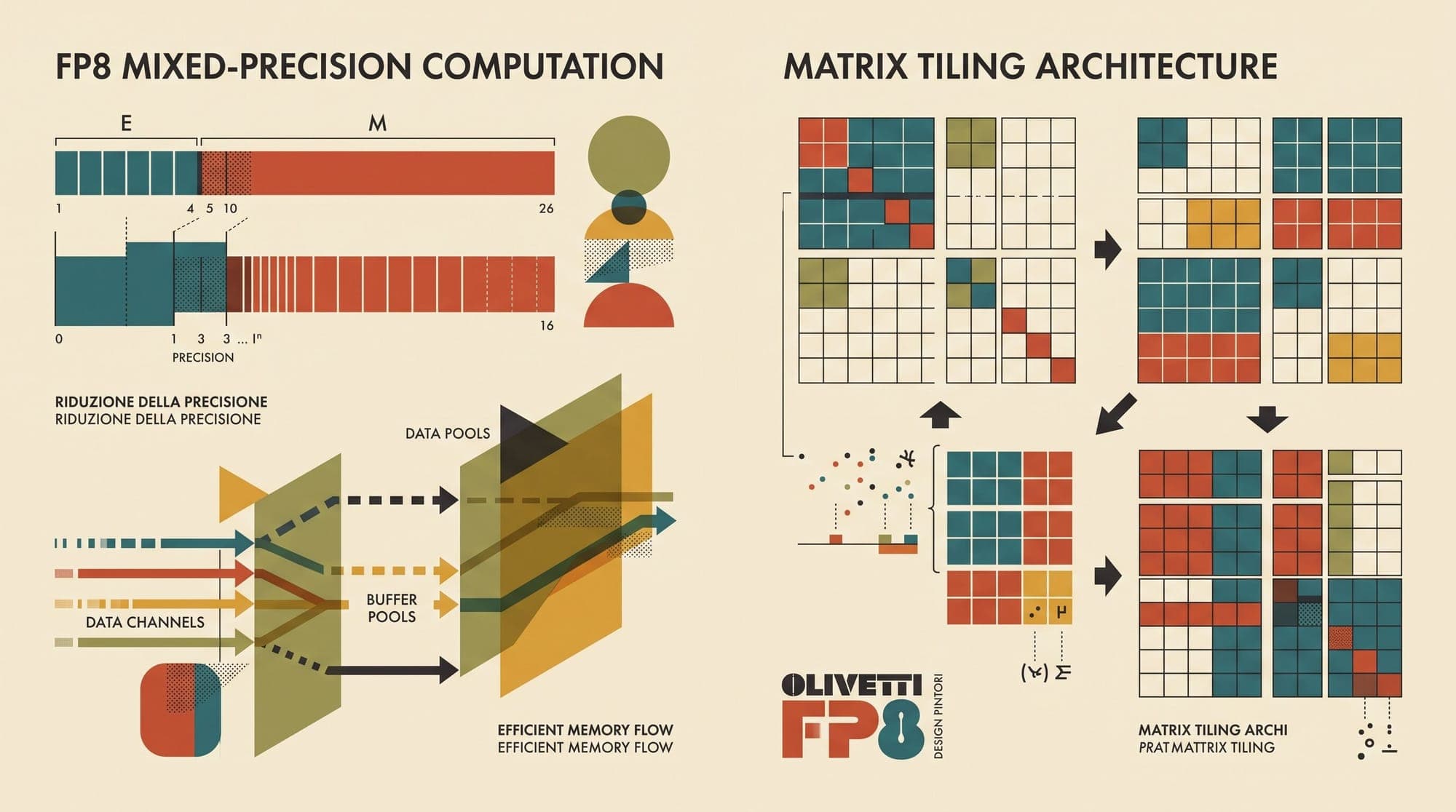
    FP8 Mixed-Precision Serving in Production: Comparing E4M3 vs. E5M2 Formats, Per-Tensor vs. Block-Wise Dynamic Scaling, FP8 KV Cache, and Tensor Core GEMM Economics Serving large language models at enterprise scale requires balancing computational throughput against high-bandwidth memory (HBM) capacity. While 16-bit floating-point formats (FP16 and BF16) remain the standard for model pre-training and fine-tuning, their memory footprint and arithmetic bandwidth create severe bottlenecks during hi

    Inference
    6 min read