Category / page 13

Chips & Infrastructure

314 articles

Articles, page 13

241-260 of 314
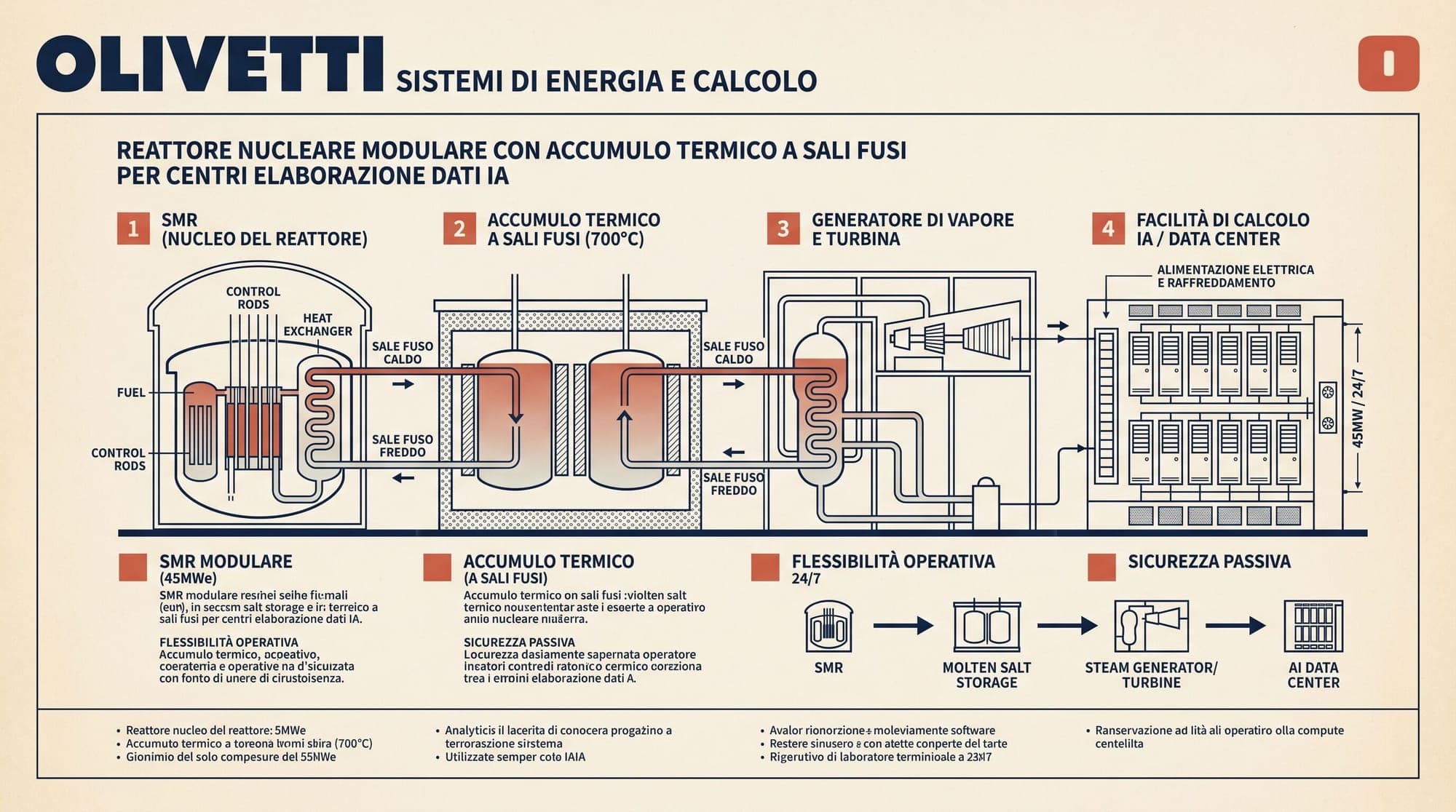
  1. TerraPower Targets AI Data Centers with Natrium SMR and Molten Salt Thermal Storage

    Nuclear technology developer TerraPower announced plans to finalize its first dedicated data center power project this year, positioning its Natrium sodium-cooled fast reactor architecture to meet the volatile power demands of artificial intelligence infrastructure. The project, slated to break ground in 2027, marks the company's second commercial deployment following its initial facility currently under construction in Kemmerer, Wyoming. In January, Meta signed an agreement with TerraPower to
    AI
    2 min read
  2. Replit Launches Free Mode Powered by OpenAI's GPT-5.6 Luna

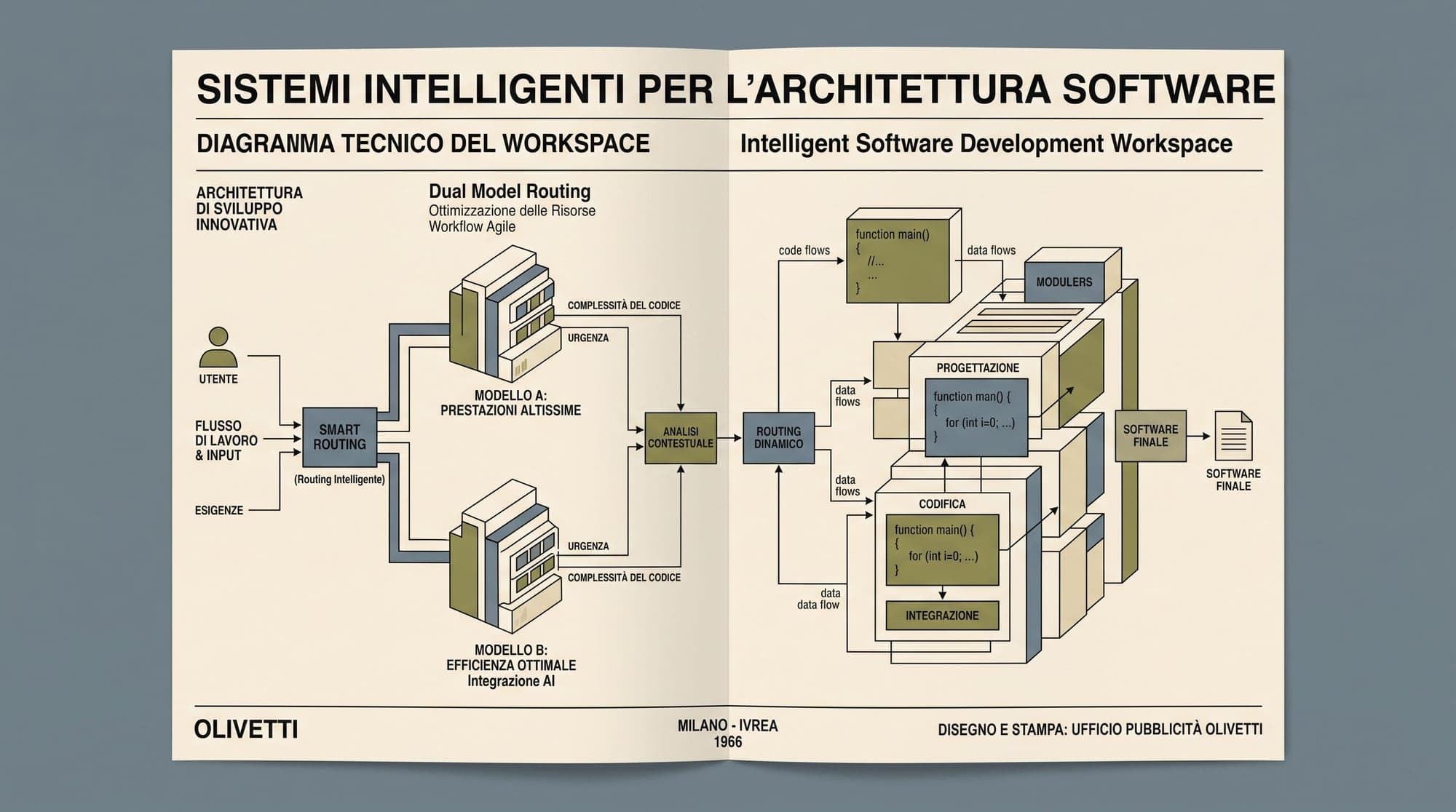
    Software development platform Replit announced the rollout of Free Mode, a tier powered by OpenAI's GPT-5.6 Luna model designed to support zero-cost planning, exploration, and codebase assistance. The integration utilizes recent inference cost reductions and efficiency improvements within the GPT-5.6 model family to provide unmetered conversational assistance without drawing from paid compute budgets. Model Routing and Persistent Project Context Replit Free Mode integrates directly into the

    AI
    1 min read
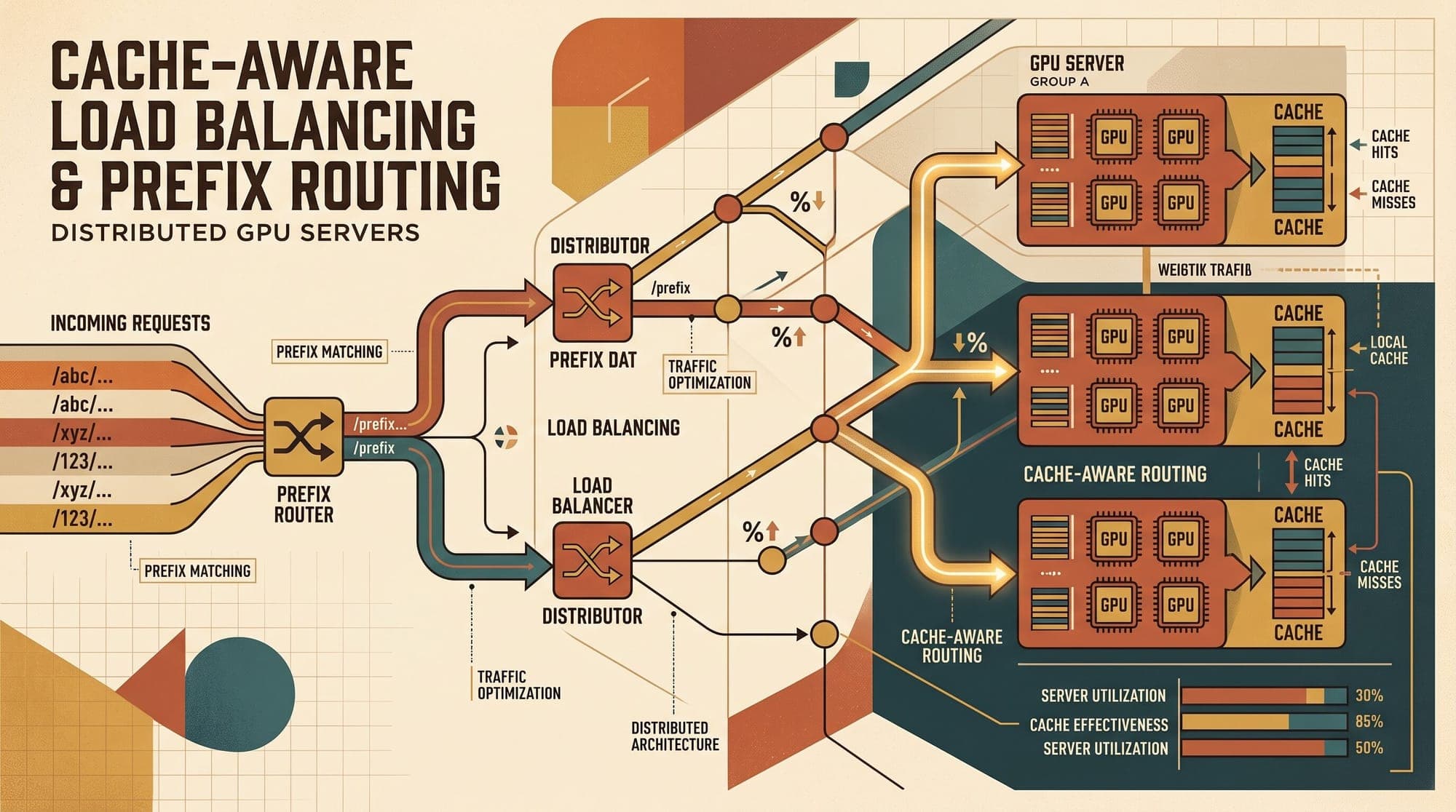
  3. Cache-Aware Load Balancing in Production LLM Serving: Architecture, Prefix Affinity, and Multi-Replica Routing Trade-Offs

    Cache-Aware Load Balancing in Production LLM Serving: Architecture, Prefix Affinity, and Multi-Replica Routing Trade-Offs When scaling large language model inference across multiple GPU worker nodes, standard Layer-4 and Layer-7 load balancing algorithms create an unseen performance cliff. Round-robin, least-connections, and random routing distribute HTTP/gRPC requests uniformly across compute replicas. However, modern LLM inference engines rely on prompt caching mechanisms, such as vLLM Automa

    AI
    6 min read
  4. Nvidia Acts as Matchmaker for Nordic Datacenter Capacity to Ease AI Compute Bottlenecks

    Nvidia is directly brokering compute infrastructure deals by connecting enterprise customers holding graphics processing units with datacenter operators in the Nordic region that possess available power, cooling, and floor capacity, according to reporting by CNBC. The matchmaking initiative reflects Nvidia's efforts to mitigate severe power grid bottlenecks in North America and Western Europe that threaten to stall AI cluster deployments. By pairing hardware buyers directly with site operators

    AI
    2 min read
  5. Marvell Issues Google $12.2B Stock Warrant in Custom AI Silicon Deal

    Marvell Technology has granted Alphabet's Google a warrant to purchase up to 58.9 million shares of common stock at an exercise price of $206.58 per share, establishing an equity arrangement valued at up to $12.18 billion. The agreement expands the companies' partnership to co-develop custom artificial intelligence silicon, specialized networking, and next-generation datacenter infrastructure. Following the announcement, Marvell shares rose more than 11% in premarket trading, while primary cust

    AI
    1 min read
  6. Cloud Browser Infrastructure for AI Agents: Architecture, Anti-Bot Bypassing, Session State, and Fleet Scaling

    Autonomous AI agents require interactive web environments to navigate single-page applications, authenticate across complex portals, fill multi-step forms, and extract dynamic client-rendered data. However, running headless browsers at scale introduces severe operational bottlenecks. Ephemeral container instances (such as Docker containers or AWS Lambda functions) frequently suffer from cold starts, memory leaks, fingerprint leakage, and instant IP blacklisting by bot-detection networks. To sol

    AI
    6 min read
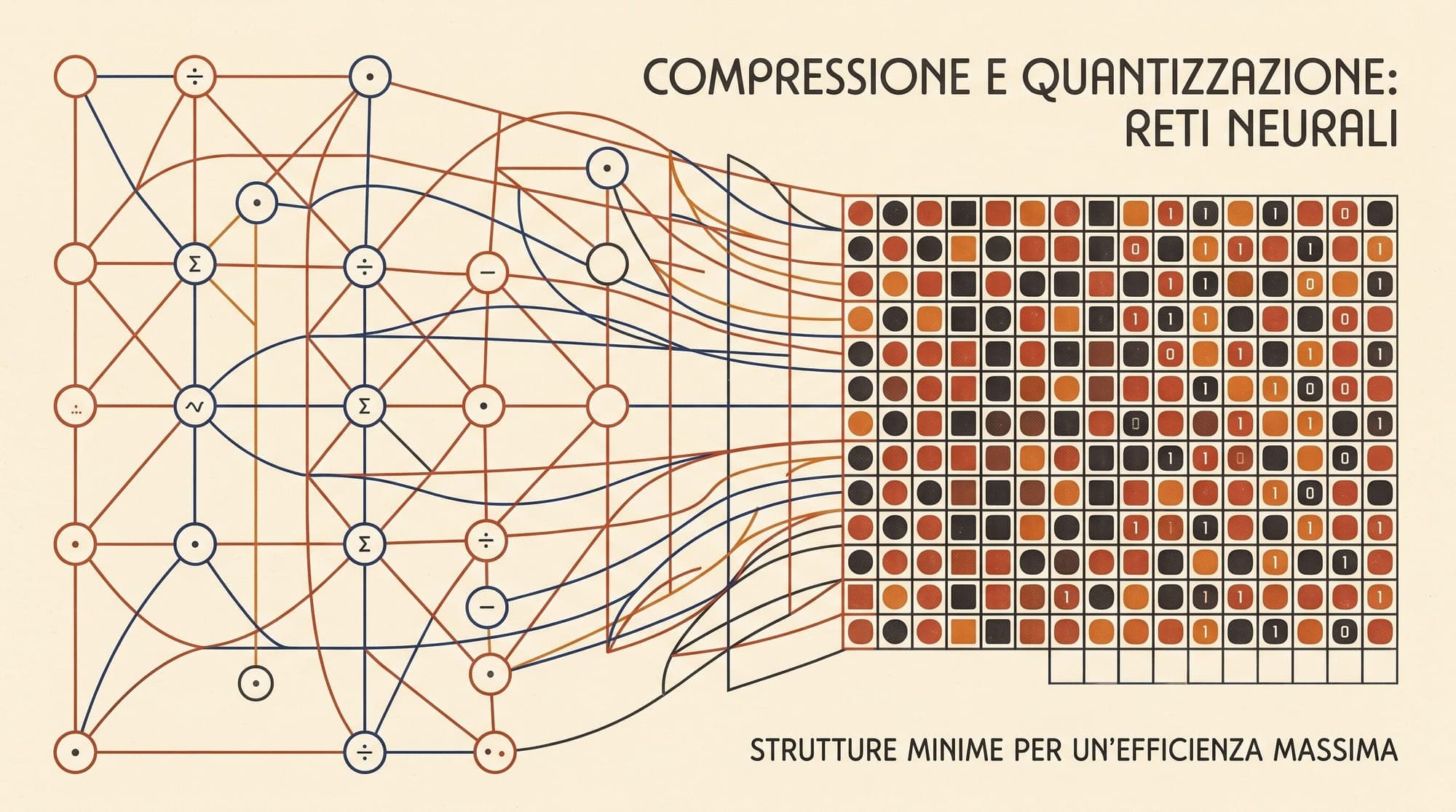
  7. Liquid AI Releases Quantization-Aware Distilled Q4_0 Checkpoints for LFM2.5 Models

    Liquid AI has released Quantization-Aware Distillation (QAD) Q4_0 GGUF checkpoints for its LFM2.5 model series, allowing edge runtimes to execute 4-bit quantized non-transformer architectures without the accuracy degradation typically associated with standard post-training quantization (PTQ). The release covers four models in the LFM2.5 family: LFM2.5-230M, LFM2.5-350M, LFM2.5-1.2B-Instruct, and LFM2.5-2.6B. The checkpoints are packaged in the standard GGUF format and run across llama.cpp and c

    AI
    2 min read
  8. Long-Context LLMs vs. RAG in Production: Break-Even Economics, Attention Degradation, and Hybrid Architectures

    The emergence of production models supporting context windows of 1 million tokens or more, including Google Gemini 1.5 Pro, Anthropic Claude 3.5 Sonnet, and OpenAI GPT-4o, has disrupted conventional enterprise retrieval architectures. For several years, Retrieval-Augmented Generation (RAG) served as the mandatory workaround for strict context limits, forcing engineering teams to build chunking pipelines, embedding indices, and vector database infrastructures. With massive context windows and th

    AI
    6 min read
  9. On-Device LLM Inference in Production: Architecture, Runtimes, and Hardware Constraints

    Deploying generative language models directly onto edge devices such as smartphones, laptops, embedded systems, and browser sandboxes marks a fundamental shift in AI systems engineering. Moving inference from centralized GPU clusters to client silicon eliminates cloud API costs, cuts network latency to zero, guarantees data privacy by keeping user inputs local, and enables offline functionality. However, executing modern autoregressive models on resource-constrained client hardware presents str

    AI
    7 min read
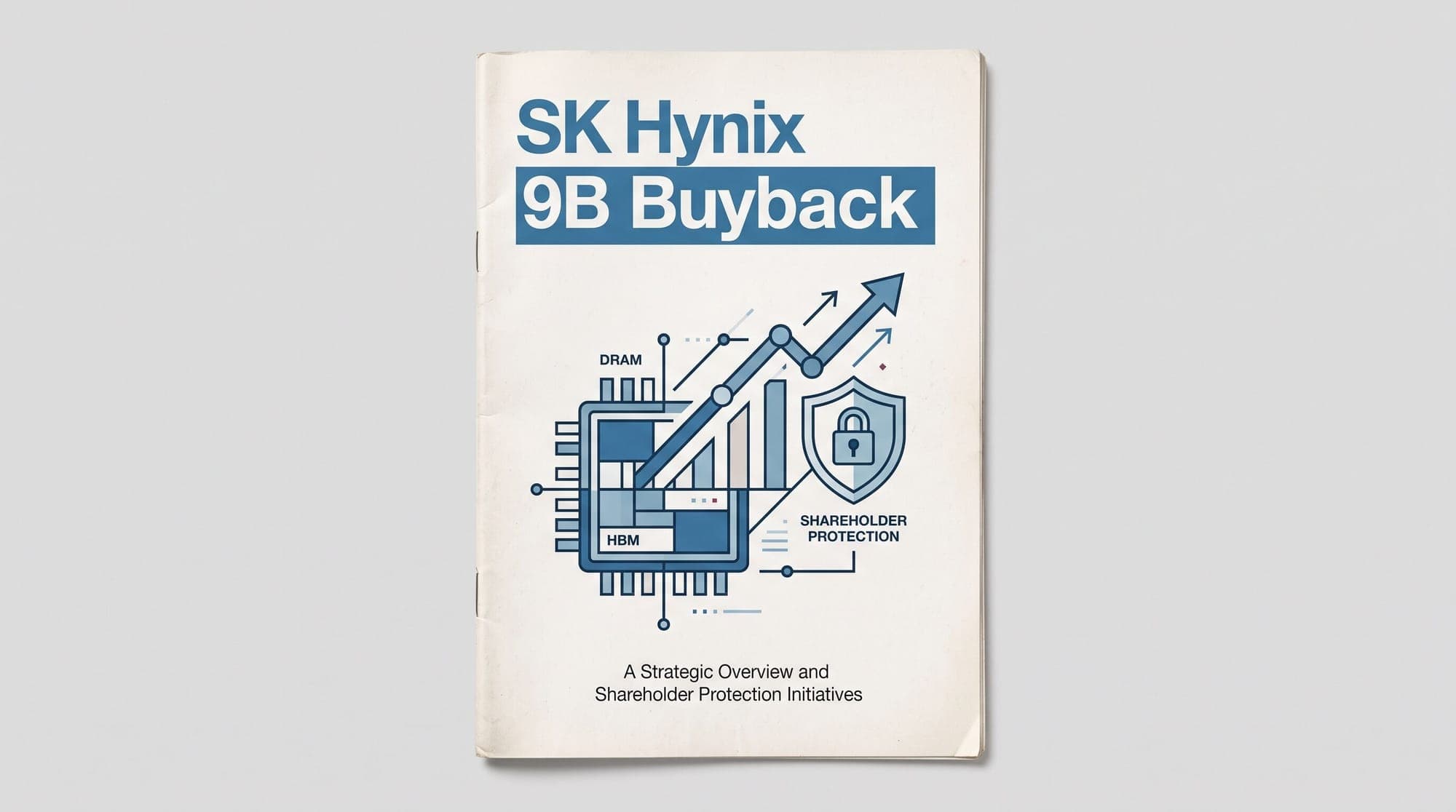
  10. SK Hynix Announces $29 Billion Share Buyback to Calm AI Spending Worries

    SK Hynix announced Wednesday it will buy back and cancel 40 trillion won ($28.61 billion) worth of treasury shares, allocating more than 50 percent of free cash flow generated between 2025 and 2027 to shareholder returns. The buyback, to be executed between August 20 and November 19, represents roughly 24 million shares. The company also said it would pursue an expansion of its total shareholder return target from the previous "within 50 percent of cumulative FCF" to "over 50 percent of cumulat

    AI
    1 min read
  11. Samsung Raises 4nm and 5nm Foundry Prices up to 15% on AI Chip Demand

    Samsung Electronics has raised prices for its most advanced contract chipmaking services by up to 15 percent for new orders, according to two sources familiar with the matter, as demand for AI chips tightens capacity at the South Korean foundry. The increases apply to Samsung's 4-nanometer SF4 and 5-nanometer SF5 process nodes. Prices for SF4 wafers rose 10 to 15 percent for customers in China and the United States from the previous month, while customers in Taiwan saw increases of 5 to 10 perc

    AI
    1 min read
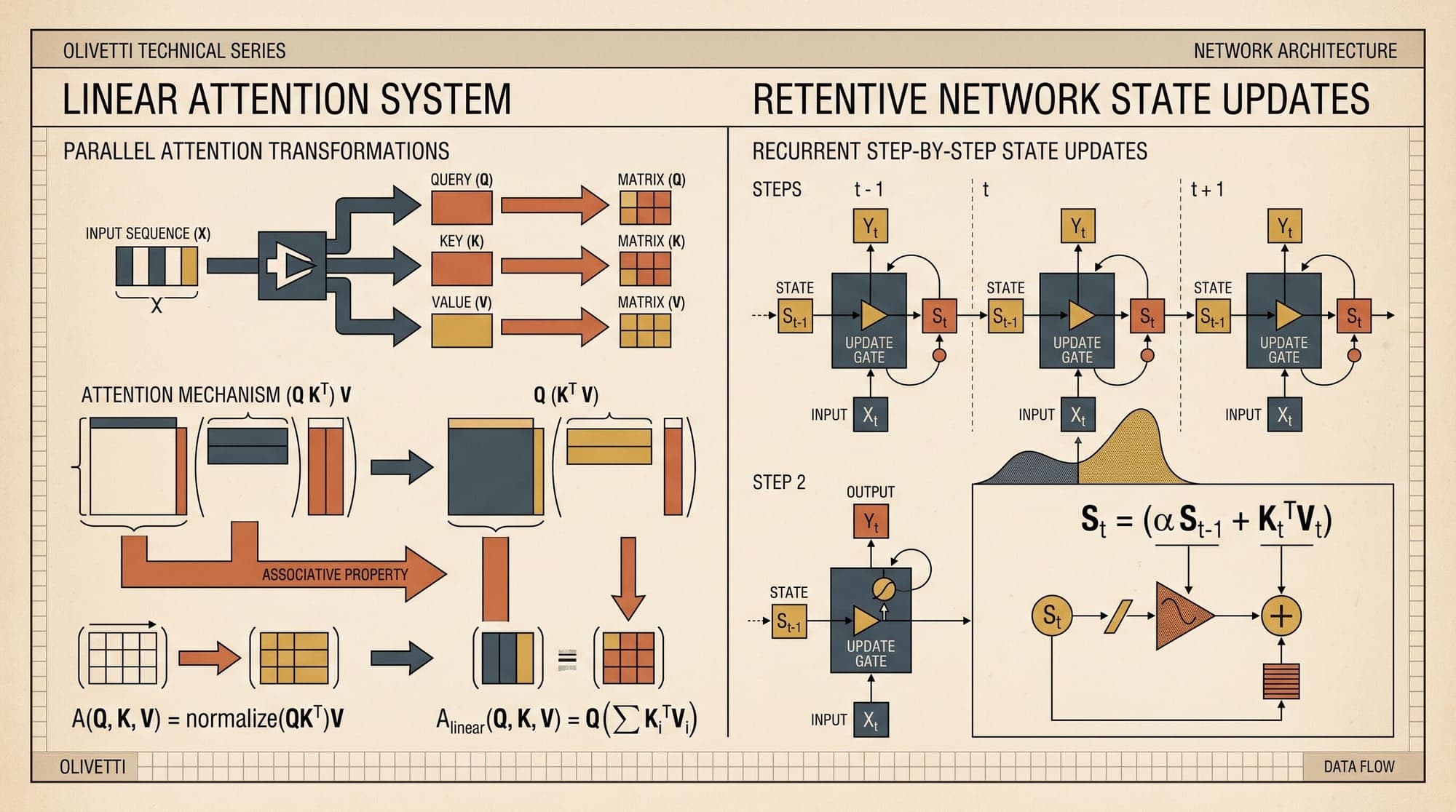
  12. Linear Attention and Retentive Networks: How Recurrent Duals and Chunkwise Tiling Eliminate the Quadratic Bottleneck

    Linear Attention and Retentive Networks: How Recurrent Duals and Chunkwise Tiling Eliminate the Quadratic Bottleneck Autoregressive large language models built on standard multi-head self-attention face two fundamental scaling ceilings: quadratic compute and memory complexity during pre-training, and linearly expanding key-value (KV) cache memory footprints during autoregressive generation. While optimizations such as FlashAttention reduce memory access overheads and Grouped-Query Attention (GQ

    Architecture
    8 min read
  13. Relativity Networks Raises $22M and Lands $40M Hyperscaler Deal for Hollow-Core AI Data Center Fiber

    Optical fiber startup Relativity Networks has secured $22 million in SAFE note funding and booked a $40 million follow-on order from an unnamed hyperscaler to deploy hollow-core fiber across distributed AI data center facilities. The funding round included participation from Rhapsody Venture Partners, Bell Ventures Inc., and Faster Than Glass LLC. The capital will support scaling production and deployment of hollow-core fiber cables engineered specifically for low-latency interconnects between

    AI
    2 min read
  14. DDR5 Memory Prices Climb 500% in 12 Months as AI Hyperscalers Corner Global DRAM Capacity

    Spot and contract prices for standard DDR5 dynamic random-access memory (DRAM) have climbed by up to 500 percent over the past 12 months, driven by hyper-scaler procurement teams reserving global semiconductor fabrication lines for enterprise AI accelerator memory. Historical retail and channel tracking data compiled by PCPartPicker and reported by Tom's Hardware highlights severe price spikes across high-density modules. A 128GB DDR5-6400 kit that carried an all-time low of $329 now retails fo

    Hardware
    2 min read
  15. Temporal in Talks to Raise $500M at $12B+ Valuation as Agent Orchestration Surges

    Developer infrastructure platform Temporal Technologies is in discussions to raise approximately $500 million in a new funding round that would value the company at over $12 billion pre-money, according to reports from Bloomberg. The financing represents a rapid increase in valuation from its $5 billion Series D round earlier this year, driven by accelerating adoption of durable execution runtimes for multi-step AI agents. The Shift Toward Durable Execution Runtimes While foundational model d

    AI
    2 min read
  16. Nvidia's AI Moat Shifts to Capital with $48.5B Free Cash Flow and $500B Wall Street Financing Engine

    Nvidia's AI Moat Shifts to Capital with $48.5B Free Cash Flow and $500B Wall Street Financing Engine Nvidia is executing a structural transition in its competitive strategy, moving beyond silicon performance leadership to construct an institutional capital moat. With quarterly free cash flow expanding 18-fold over the past three years to reach $48.5 billion, the company is deploying its balance sheet liquidity, investment-grade credit rating, and strategic equity investments to lock in multi-gi

    AI
    3 min read
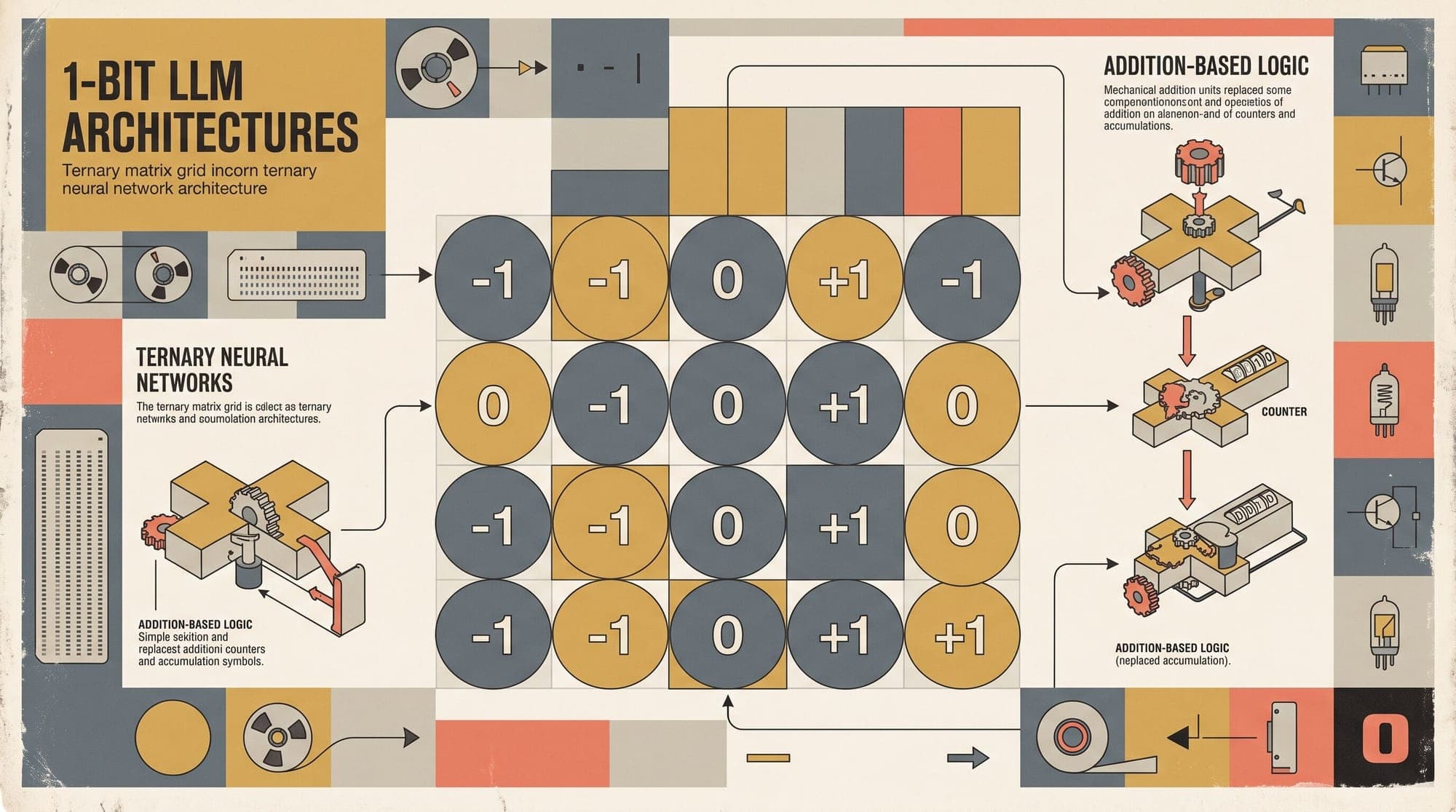
  17. 1-Bit Large Language Models and BitNet b1.58: How Ternary Weights and Additive Kernels Eliminate Matrix Multiplications

    Standard large language model architectures run on high-precision floating-point arithmetic. Foundation models are typically pre-trained in 16-bit bfloat16 or 8-bit FP8 formats, requiring compute-heavy Multiply-Accumulate (MAC) units inside GPU Tensor Cores. During autoregressive decoding, these models face a severe memory-bandwidth bottleneck: every generated token requires streaming gigabytes of model weights from high-bandwidth memory (HBM) into on-chip cache and registers. The 1-bit model p

    AI
    6 min read
  18. ICE Prohibits Staff from Wearing Meta AI Smart Glasses Over Security and Data Risks

    U.S. Immigration and Customs Enforcement (ICE) has issued an agency-wide policy prohibiting employees from wearing Meta smart glasses and comparable consumer optical recording devices while on duty. The directive, outlined in an internal memorandum from Acting Director David Venturella and reported by The New York Times, cites security and legal risks associated with consumer hardware capturing or transmitting unvetted audio and visual data. Scope of the Prohibition The policy applies to all

    Meta
    2 min read
  19. Smack Technologies Raises $61M Series B to Scale Tactical Edge AI for the Joint Force

    Austin-based defense AI startup Smack Technologies has raised $61 million in a Series B funding round to accelerate deployment of its tactical edge decision systems across the U.S. military. The round was co-led by Costanoa Ventures and First In, with participation from Point72 Ventures, Geodesic Capital, Nomi Capital, Felicis, Sapphire Ventures, Scribble Ventures, Fortitude Ventures, Bloomberg Beta, and Palumni VC. The financing brings Smack's total capital raised to over $90 million and follo

    Defense AI
    2 min read
  20. Tree-Structured Speculative Decoding: How Multi-Candidate Trees and Tree Attention Accelerate LLM Serving

    Tree-Structured Speculative Decoding: How Multi-Candidate Trees and Tree Attention Accelerate LLM Serving Large language model inference is fundamentally constrained by memory bandwidth during the auto-regressive decoding phase. Because each token generation step requires loading billions of model parameters from high-bandwidth memory (HBM) to compute units for a single token, standard auto-regressive generation operates at low arithmetic intensity. Speculative decoding addresses this bottlene

    Speculative Decoding
    7 min read