Subscribe
Topic

Reranking

Rerankers reorder retrieved documents so the best context reaches the LLM. Posts compare reranking models like Cohere Rerank 3.5 and BGE-Reranker-v2 with late-interaction frameworks, and weigh pointwise, pairwise and listwise LLM reranking.

Articles

1-2
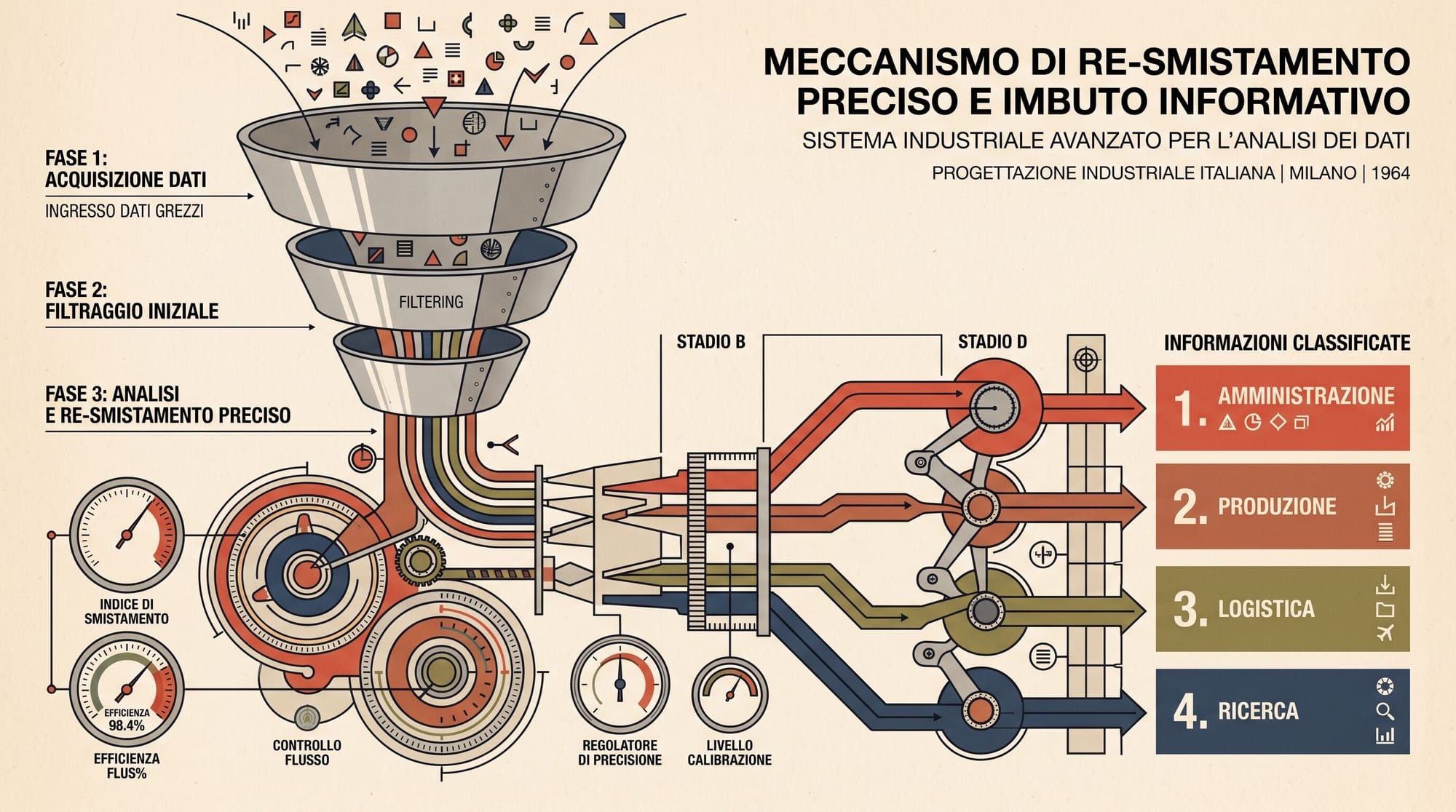
  1. Reranking Models and Late-Interaction Frameworks in Production RAG: Comparing Cohere Rerank 3.5, BGE-Reranker-v2, FlashRank, and ColBERTv2 Architecture, Cross-Encoder Latency, MaxSim Compression, and Retrieval Economics

    In production Retrieval-Augmented Generation (RAG), relying solely on first-stage bi-encoder dense embeddings or lexical BM25 search creates a structural information bottleneck. First-stage retrieval compresses an entire document passage into a single fixed-dimensional vector (such as 768, 1024, or 1536 dimensions) or an inverted term index. This independent encoding decouples the query from the passage during indexing, eliminating token-level cross-attention and causing subtle semantic nuances,
    AI
    11 min read
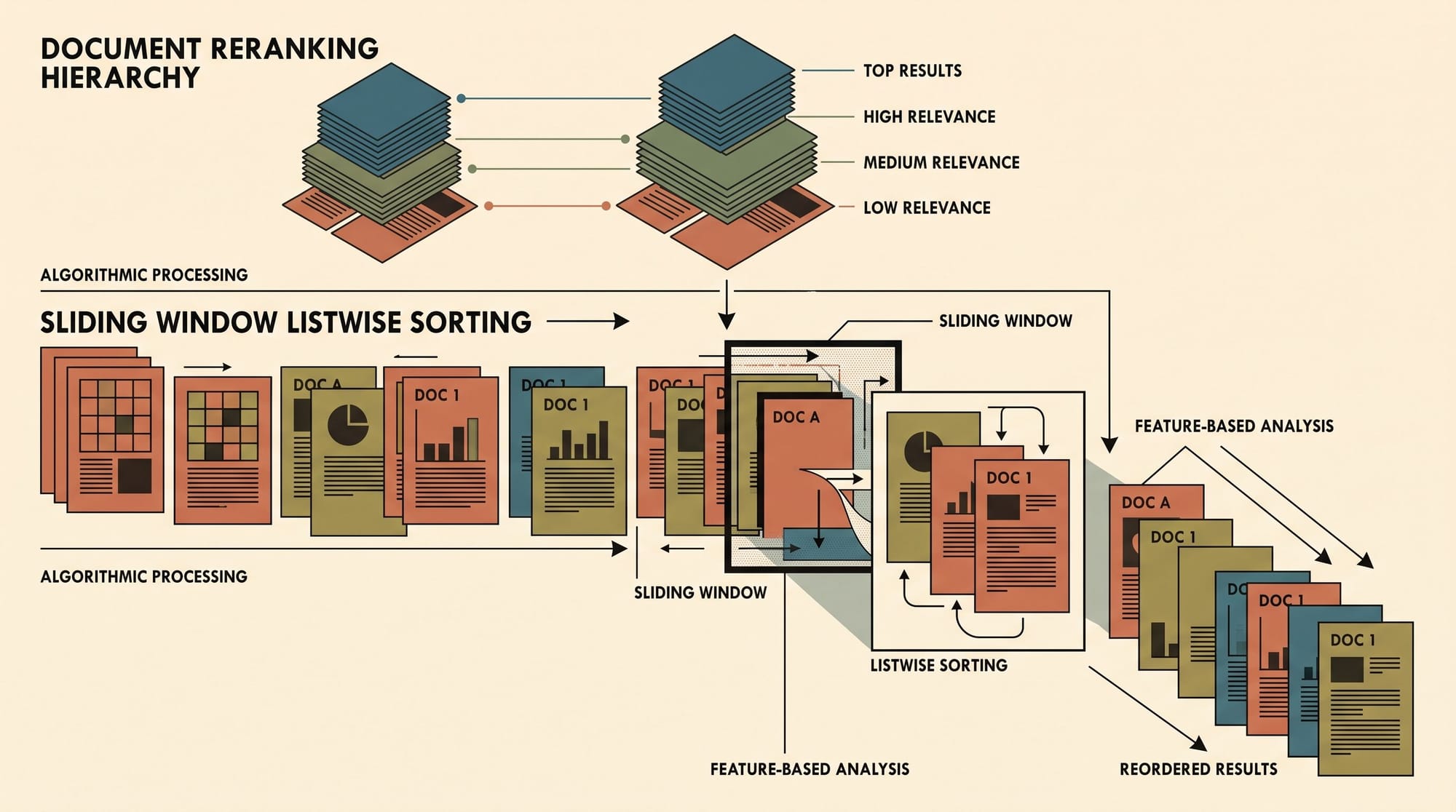
  2. Listwise Reranking in Production: Comparing Pointwise, Pairwise, and Listwise LLM Architectures, Sliding-Window Permutations, and Serving Economics

    Information retrieval systems in production Retrieval-Augmented Generation (RAG) and enterprise search have transitioned through multiple reranking paradigms. While first-stage retrieval (dense vector embeddings and sparse lexical BM25/SPLADE) retrieves candidate sets of 50 to 200 documents in under 20 milliseconds, the precision of downstream generation depends heavily on the reranking stage. Traditional neural rerankers evaluate candidates through pointwise scoring or pairwise classification.

    Information Retrieval
    5 min read