
Meta opened its personal AI agent Muse to adults in the UK on Tuesday, November 24. The pitch, in Meta's own words, is a "helping hand" with chasing refunds, renewing car insurance and doing the Christmas shopping. Politico noted the milestone: it is the first AI agent product launched in the UK by a Big Tech company. The more revealing detail is not the launch itself. It is the partner list that came with it.
What shipped
Muse is available to anyone 18 and over on iOS, Android, muse.ai and WhatsApp, with rollout to Meta's AI glasses promised "in the months ahead." Most of it is free; Meta sells subscription plans for heavier use. The agent is powered by Muse Spark, which Meta describes as the first model from its Superintelligence Labs built for real-world agentic work.
The architecture is the same as in the US: every user's Muse runs in its own virtual computer in the cloud, a dedicated VM where logins and personal data live instead of inside Meta's other services. Meta says the agent has "no visibility into people's passwords or payment methods."
The commerce layer is where the UK launch differs. Muse checks out with Link, the agent wallet built by Stripe that generates a unique digital version of your card for agent use, and with Shop Pay from Shopify at supported stores. PayPal is "coming soon." And before launch, Meta signed UK connector partners by name: Marks & Spencer, Debenhams Group, Currys, Ocado Retail, Trainline, Argos, Sainsbury's, ASOS, Jet2, LOOKFANTASTIC, MyProtein, JustPark, easyJet and JD Sports, alongside global partners like Spotify and OpenTable. With some, users can connect their own accounts so Muse reorders the weekly shop or pulls up a booking.
Why the list exists
In the US, Muse got no list. Twelve days after its September 8 launch, Amazon began blocking the agent from its storefront, serving users a popup that read: "Continued access by an unauthorized AI agent violates Amazon's Conditions of Use, to which our customers have agreed." An Amazon spokesperson said the company "did not realize" Muse would access its store, had not authorized it to touch customer accounts, scrape data or process transactions, and had asked Meta to remove Amazon from the experience. "Agentic third-party applications such as Muse have the same obligations," the spokesperson said.
The legal backdrop makes the block smarter than it looks. In March, Amazon won a preliminary injunction against Perplexity's Comet browser agent, and the Ninth Circuit threw it out in August, ruling that under the federal anti-hacking law it is the user, not the AI company, who accesses Amazon's computers. The court denied a rehearing on September 10 but left contract claims alive. Amazon's notice to Muse users cites exactly that: terms of use, not hacking.
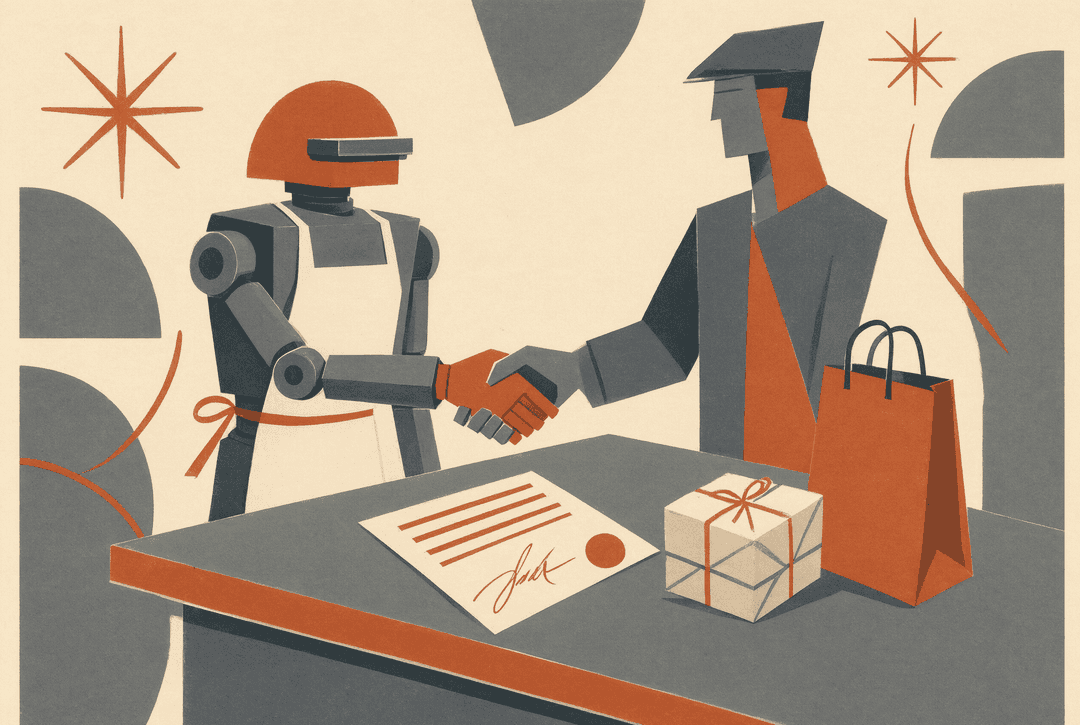
Meta's UK launch inverts the sequence. Instead of scraping storefronts first and litigating later, it arrived with retail integrations already negotiated, payment rails from Stripe and Shopify already wired, and purchase approvals kept with the user. Whether that is a lesson learned from the Amazon standoff or a pre-emptive answer to British regulators, the effect is the same: in the UK, agentic commerce is being sold as a partnership, not tolerated as a scrape.
The regulators are watching
Four UK bodies - the Competition and Markets Authority, the Financial Conduct Authority, Ofcom and the Information Commissioner's Office - published a joint statement last month under the Digital Regulation Cooperation Forum, warning that AI agent products "may amplify and accelerate risks" to consumers. The specifics that will draw attention: Muse's conversations and VM data are excluded from Meta's advertising systems, but interactions are used to train Meta's AI unless the user switches that off. It is an opt-out default, the kind of setting that tends to interest the ICO.

Meta said in the launch post it has "engaged constructively with the appropriate regulatory authorities and will continue to do so." Shruti Dube, Meta's UK country director, framed the partner strategy as trust: "Partnering with beloved British brands and retailers means Muse works seamlessly with services people here use every day," she said.
The agent race has so far been scored in downloads and benchmarks. The UK launch suggests the next scoreboard is signature pages. You cannot scrape your way into a walled garden; you have to be invited. And the company that gets invited first gets the Christmas shopping.
Sources
- Politico: Meta's AI agent Muse launches in UK
- Meta Newsroom: Introducing Muse in the UK
- GeekWire: Amazon blocks Meta's Muse AI assistant in new standoff over agentic shopping
- Yahoo Finance/Bloomberg: Amazon kicks out Meta's Muse in split over AI shopping
- PBS/AP: Meta launches personal AI agent, Muse, to help with everyday tasks
- Techmeme: Meta rolls out Muse to UK adults
