Archive / page 78 of 123

Latest articles, page 78

  1. Deterministic Replay for Production AI Agents: Architecture, Event Sourcing, and State Playback

    Deterministic Replay for Production AI Agents: Architecture, Event Sourcing, and State Playback Debugging multi-step autonomous AI agents in production is notoriously difficult. Unlike traditional deterministic software systems where a stack trace and a fixed set of inputs reproduce an error, autonomous agent workflows suffer from compound non-determinism across multiple infrastructure layers. A failure occurring at step 24 of a coding or research agent cannot reliably be reproduced simply by r

    AI
    6 min read
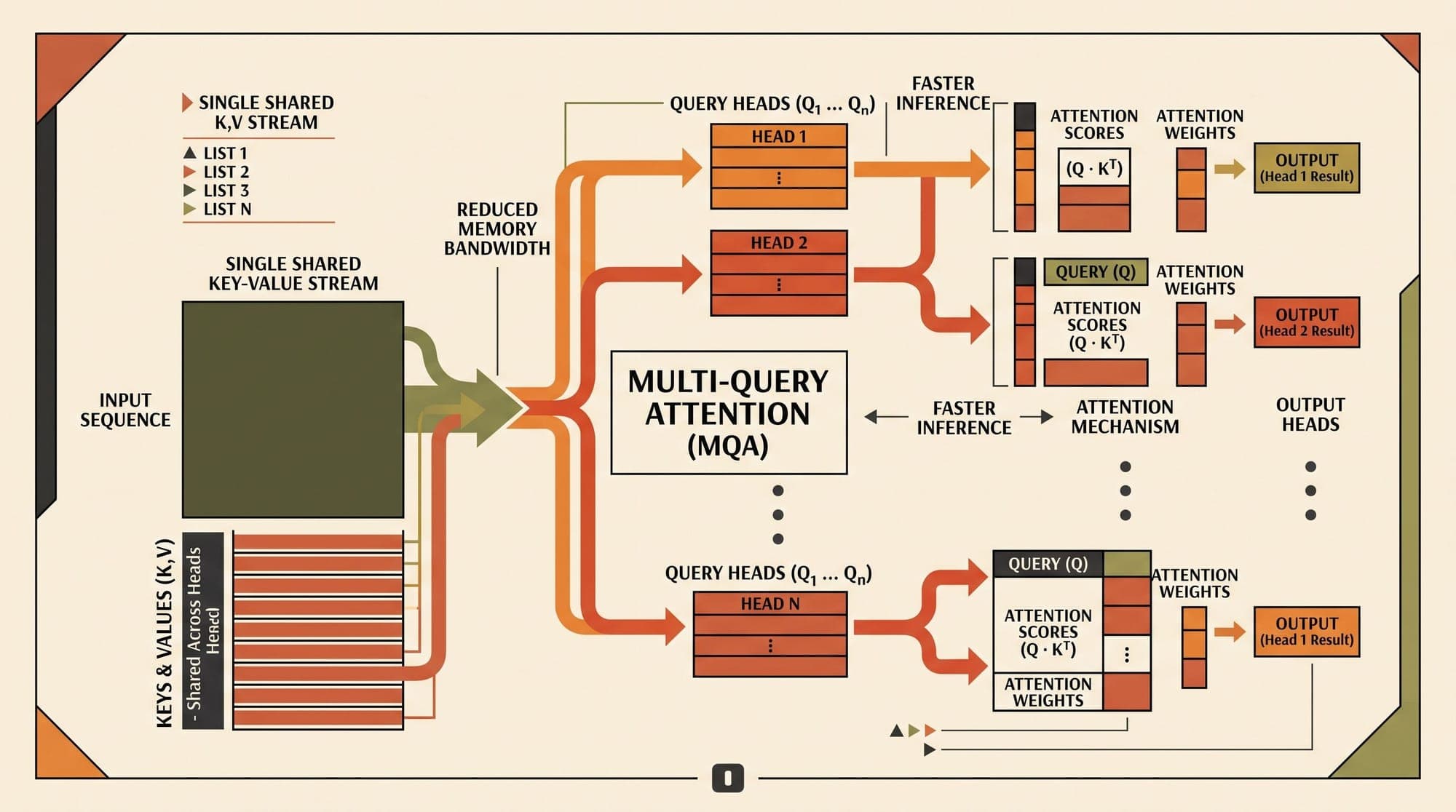
  2. Multi-Query Attention: How Single Key-Value Head Sharing Slashed Transformer Serving Bottlenecks

    Multi-query attention (MQA) is an architectural modification to the Transformer attention mechanism designed to resolve the memory bandwidth bottleneck during autoregressive token generation. First proposed by Noam Shazeer in the 2019 paper Fast Transformer Decoding: One Write-Head is All You Need, MQA alters the ratio of query, key, and value heads by sharing a single key head and a single value head across all query heads in each Transformer layer. While standard multi-head attention (MHA) pr

    AI
    7 min read
  3. Anthropic Prepares Historic IPO Targeting SpaceX Record Offer Size

    Anthropic is preparing an initial public offering designed to match or exceed the scale of SpaceX's record-setting market debut, according to report details from Bloomberg News. The artificial intelligence firm is evaluating preliminary filing schedules that could see public registration documents submitted as early as late August, with underwriting led by Morgan Stanley, Goldman Sachs Group, and JPMorgan Chase. Target Offer Size and Market Context SpaceX raised $75 billion at the launch of

    Anthropic
    2 min read
  4. Brazil Commits 44M to Sovereign AI, Splitting Compute Between Huawei, iFlytek, and US Suppliers

    Brazil has launched a national artificial intelligence infrastructure program totaling 2.3 billion reais ($444.2 million), dividing major compute and development contracts between Chinese and American technology providers to maintain technological sovereignty and avoid vendor lock-in. The initiative, announced by the administration of President Luiz Inacio Lula da Silva, allocates resources through the National Fund for Scientific and Technological Development (FNDCT). The funding structure est

    AI
    2 min read
  5. Dynamic Context Assembly and Token Budget Allocation in Production: Priority Packing, Prefix Cache Alignment, and Degradation Fallbacks

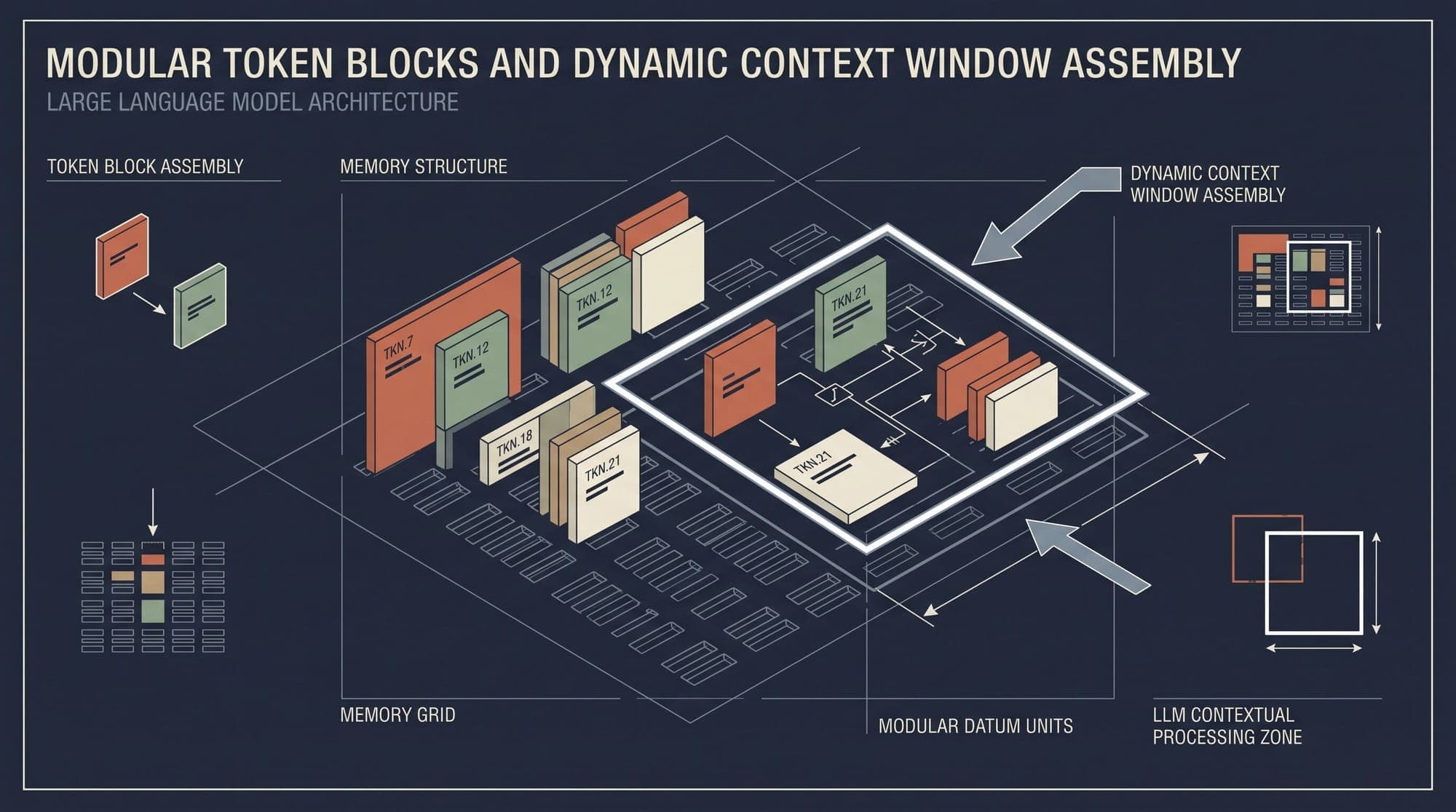
    In production large language model systems, prompt construction is frequently treated as simple string concatenation. Engineers assemble system instructions, tool schemas, retrieved document snippets, memory state, and multi-turn conversational history using template strings. In low-throughput prototypes, this approach functions adequately. In high-throughput production systems and multi-agent workflows, naive assembly introduces critical failure modes: abrupt context window overflows triggering

    LLM
    6 min read
  6. Cross-Layer Attention: How Sharing Key-Value Tensors Across Transformer Layers Slashes KV Cache Memory

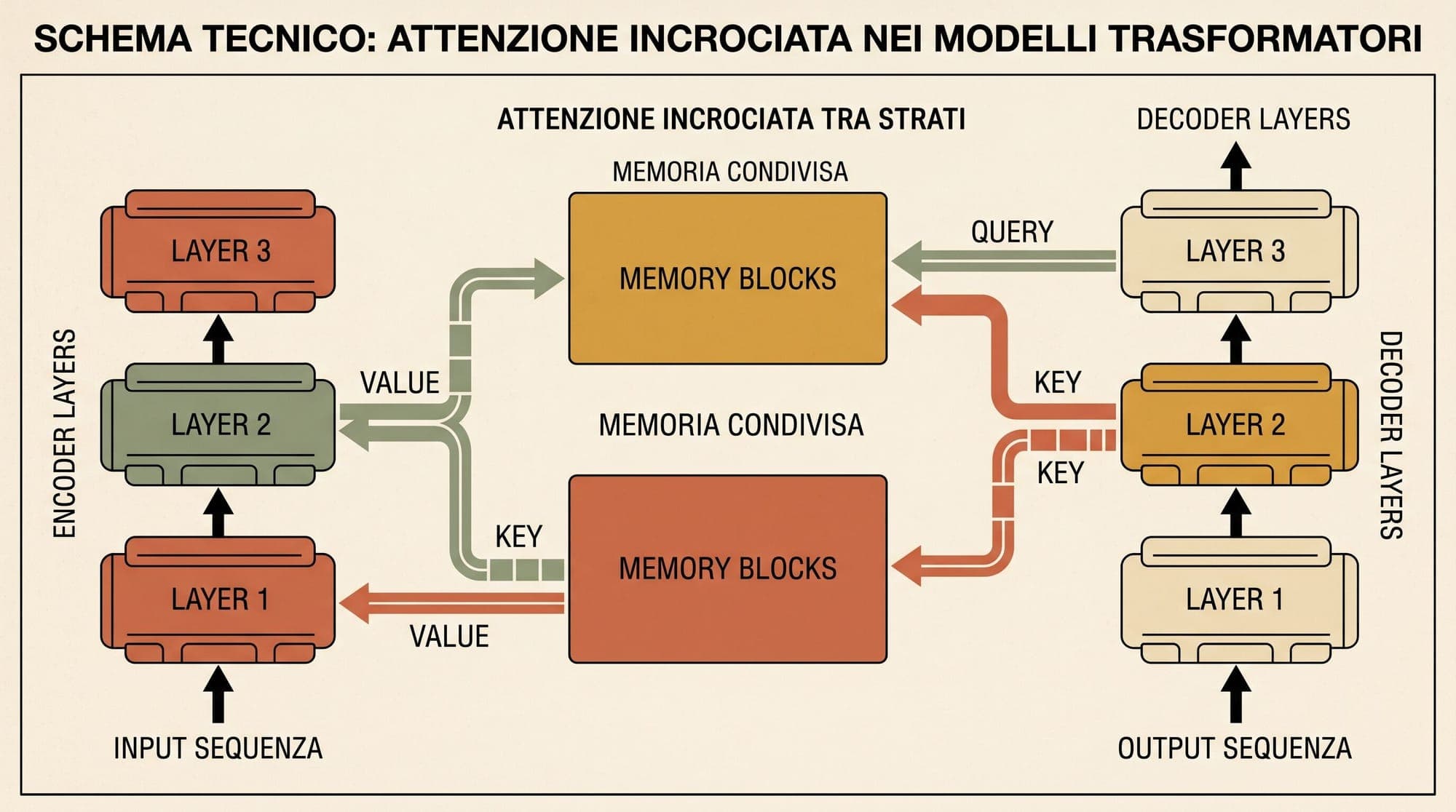
    In autoregressive large language models, the primary operational ceiling for serving long sequences and high batch concurrency is the Key-Value (KV) cache. During standard generation, every transformer layer computes and stores key and value activations for every token in the sequence to prevent quadratic recomputation during subsequent autoregressive decoding steps. While this mechanism transforms inference time complexity from $O(N^2)$ to $O(N)$ per generated token, it introduces a massive me

    AI
    9 min read
  7. Nevada Approves Commercial Robotaxi Permits for Up to 8,000 Vehicles Across Tesla, Waymo, and Uber

    The Nevada Transportation Authority (NTA) has unanimously approved commercial robotaxi operating permits for Tesla, Waymo, and Uber across Clark County, establishing the regulatory foundation for up to 8,000 autonomous passenger vehicles in the Las Vegas metropolitan area over the next 12 months. The regulatory decision marks one of the largest single-county autonomous vehicle authorizations in the United States, distributing operating rights across three primary commercial applicants: * Tesl

    Autonomous Vehicles
    2 min read
  8. Distributed Checkpointing in Production: PyTorch DCP, Asynchronous Staging, and Dynamic Topology Resharding

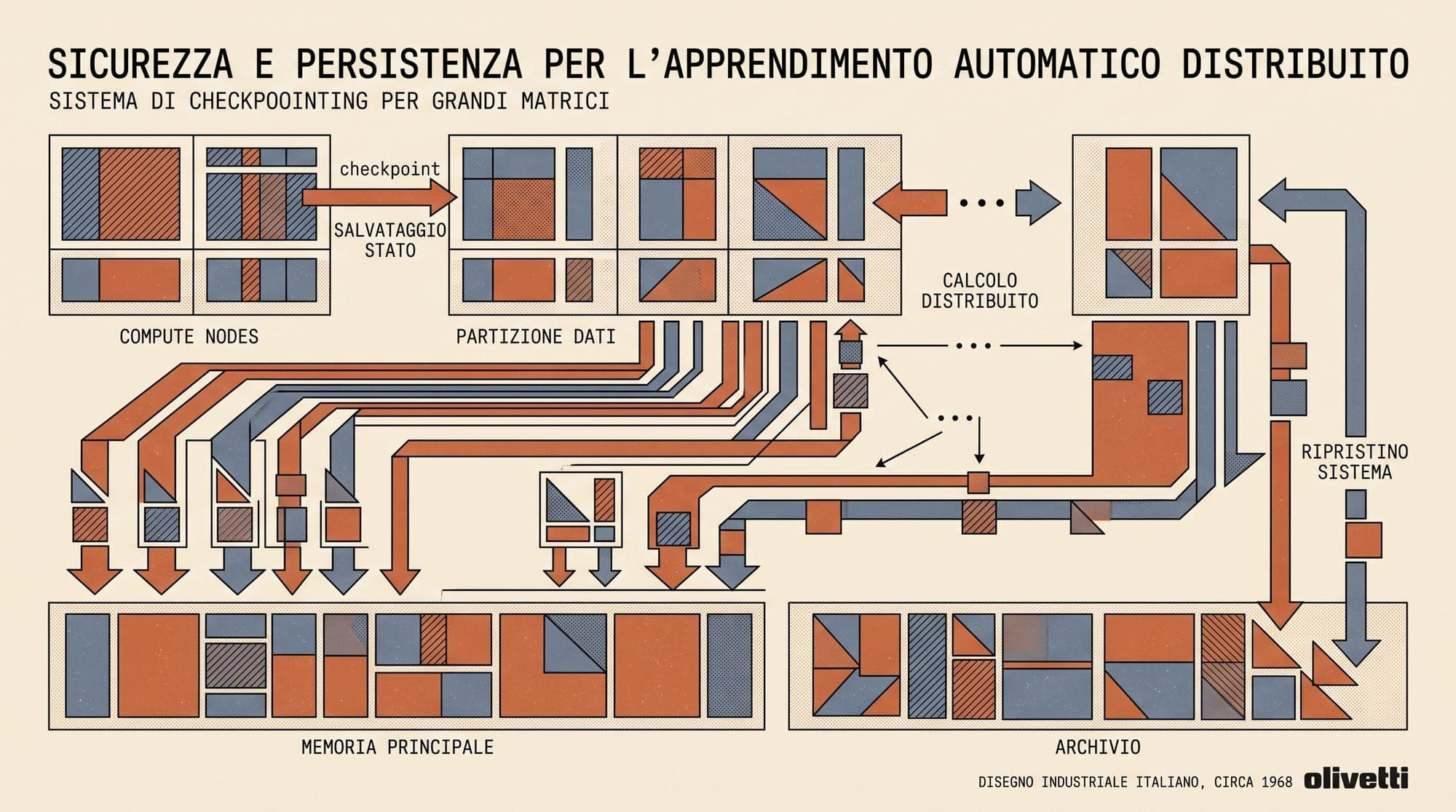
    Distributed Checkpointing in Production: PyTorch DCP, Asynchronous Staging, and Topology Resharding In multi-node distributed deep learning, checkpointing is often the largest single source of unforced downtime and degraded Model Flops Utilization (MFU). As models scale to tens or hundreds of billions of parameters across thousands of GPUs, saving model weights and optimizer states using traditional serialization primitives creates severe cluster stalls, memory exhaustion on root ranks, and rig

    AI
    6 min read
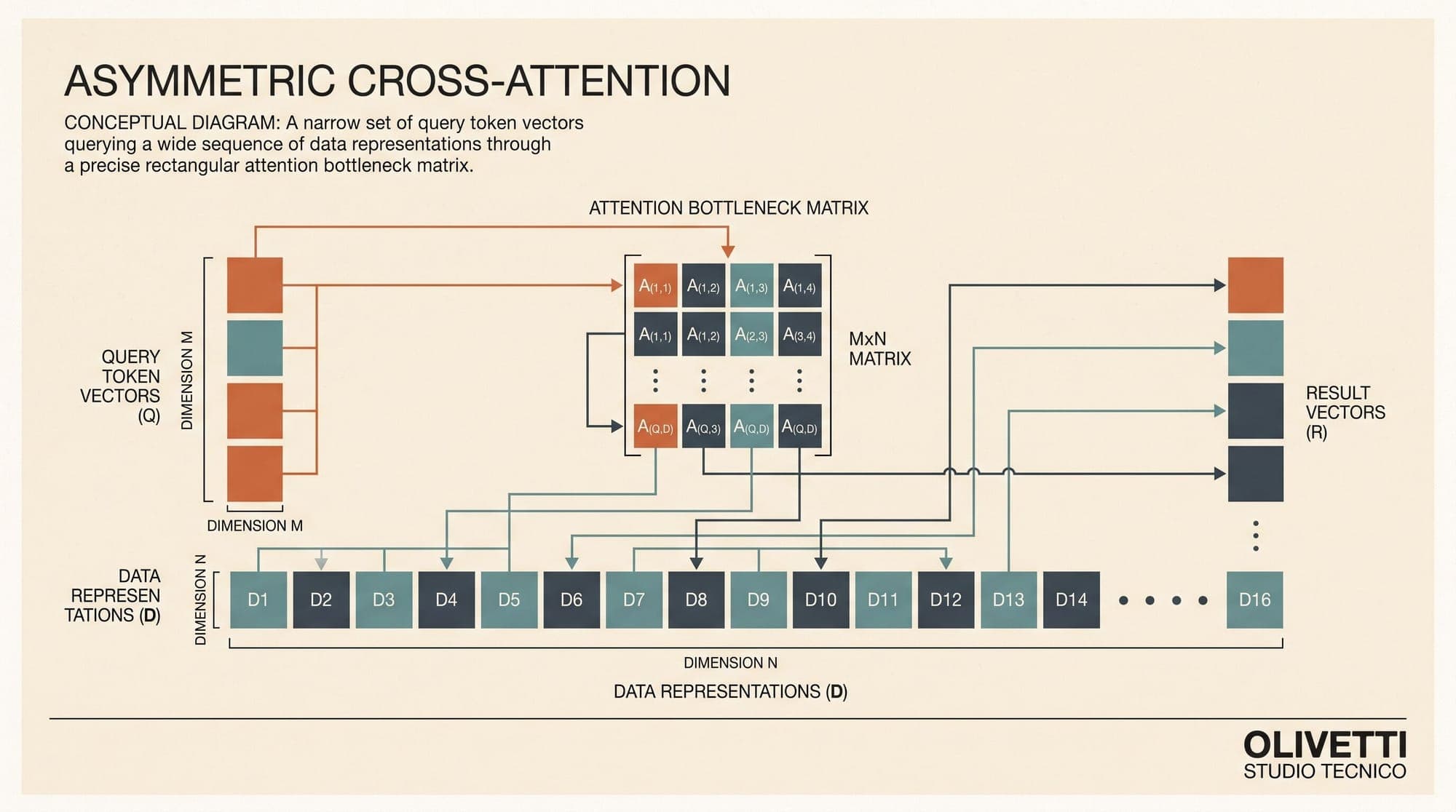
  9. Cross-Attention and Latent Bottlenecks: How Asymmetric Queries Fuse External Modalities in Transformer Architectures

    Standard self-attention mechanisms in Transformer architectures process tokens symmetrically: every token in a sequence queries every other token within the same sequence. While this symmetric formulation drives autoregressive sequence generation and dense contextual representations, it exhibits a quadratic compute and memory profile of O(N^2) relative to sequence length. When scaling to high-resolution sensory inputs (such as raw video frames, high-density audio waveforms, or millions of point

    AI
    8 min read
  10. Hugging Face Summer 2026 Report: Qwen Derivatives Top 150K as AI Agents Become Hub's Top Users

    Hugging Face has published its State of Open Models: Summer 2026 report, detailing seven months of platform metrics that highlight a widening divergence between benchmark attention and production deployment. According to the analysis covering January through August 2026, public model repositories on the Hub grew from 2.43 million to 2.96 million, public datasets surpassed 1 million for the first time, and Spaces expanded to 1.44 million. Despite the catalog expansion, usage remains heavily conc

    AI
    3 min read