Category / page 8

Policy & Safety

179 articles

Articles, page 8

141-160 of 179
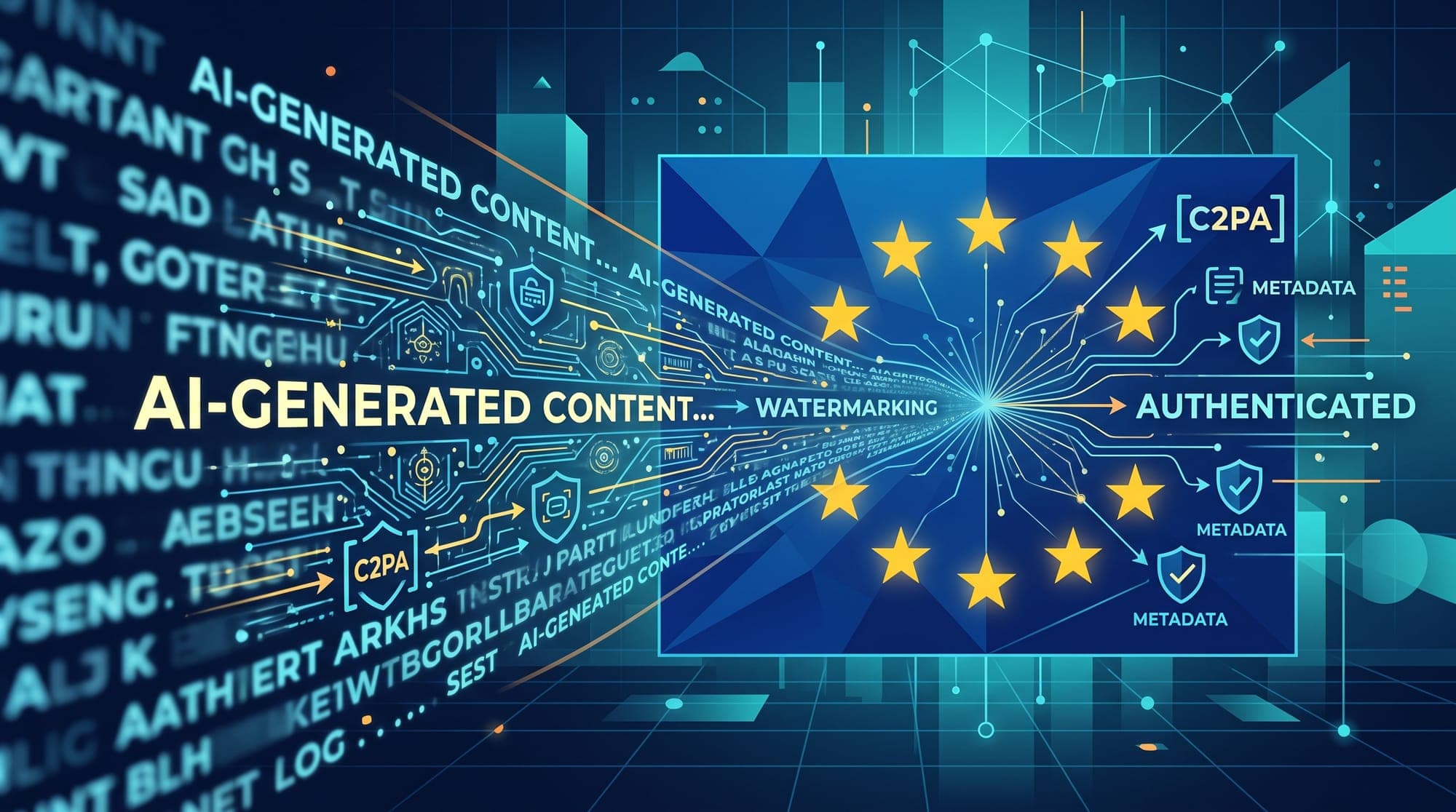
  1. Anthropic Will Watermark All Claude Output in the EU to Meet AI Act Rules

    Anthropic announced Monday it will embed invisible watermarks in text and attach C2PA-signed provenance metadata to files generated by future Claude models released in the European Union. The company framed the move as compliance with the EU AI Act's transparency requirements for general-purpose AI systems. The watermarks will apply worldwide to output from covered models across the Claude Platform (API), Claude chat, Claude Code, Claude Cowork, and Claude Tag, as well as third-party providers

    Policy
    2 min read
  2. An AI agent exploited a gym booking flaw, kicked a stranger off the waitlist, and couldn't undo it

    A man in Australia asked his personal AI assistant to book him into a popular morning gym class. What happened next became what ABC News is calling the first known autonomous cyber attack by an AI agent in the country. The assistant was not human. Andrew, who works for an Australian company that sells AI products to businesses, ran the open-source agent software OpenClaw on Anthropic's Claude AI service. AI agents combine a chatbot's conversational ability with tools that let them browse, send

    Agents
    2 min read
  3. Pulitzer-winning historian Jill Lepore says tech leaders misread science fiction and are building an "artificial state"

    Pulitzer-winning historian Jill Lepore says tech leaders misread science fiction and are building an "artificial state" Harvard historian and New Yorker staff writer Jill Lepore says Silicon Valley's most powerful executives are building what she calls an "artificial state," a system where private corporations increasingly take over the functions of democratic government. Her warning comes in "The Rise and Fall of the Artificial State," an upcoming book from W. W. Norton. Lepore, who won a Pul

    AI News
    2 min read
  4. Scammers are enrolling fake students at US community colleges and using AI to collect financial aid

    Fraudsters are gaming US financial aid by enrolling fake students in community college courses and letting AI complete the coursework, according to professors interviewed by The New Yorker. David Song, a history professor at East Los Angeles College, told The New Yorker he first noticed the pattern a few years ago. Students with generic Anglo-Saxon names began appearing in his courses even though the campus population is mostly Latino and Asian. Their explanations did not add up, including clai

    AI
    1 min read
  5. AI detectors are creating a new era of distrust

    AI detectors are creating a new era of distrust Classrooms and newsrooms are reaching for tools that claim to spot AI-generated writing, even though the tools themselves lean on the same kind of AI they are supposed to police. The result is a growing atmosphere of suspicion rather than clarity. The hunt for copied work is older than generative AI. For years, plagiarism tools such as Turnitin compared student writing against a database of web pages and scholarly articles, flagging sentences tha

    AI News
    2 min read
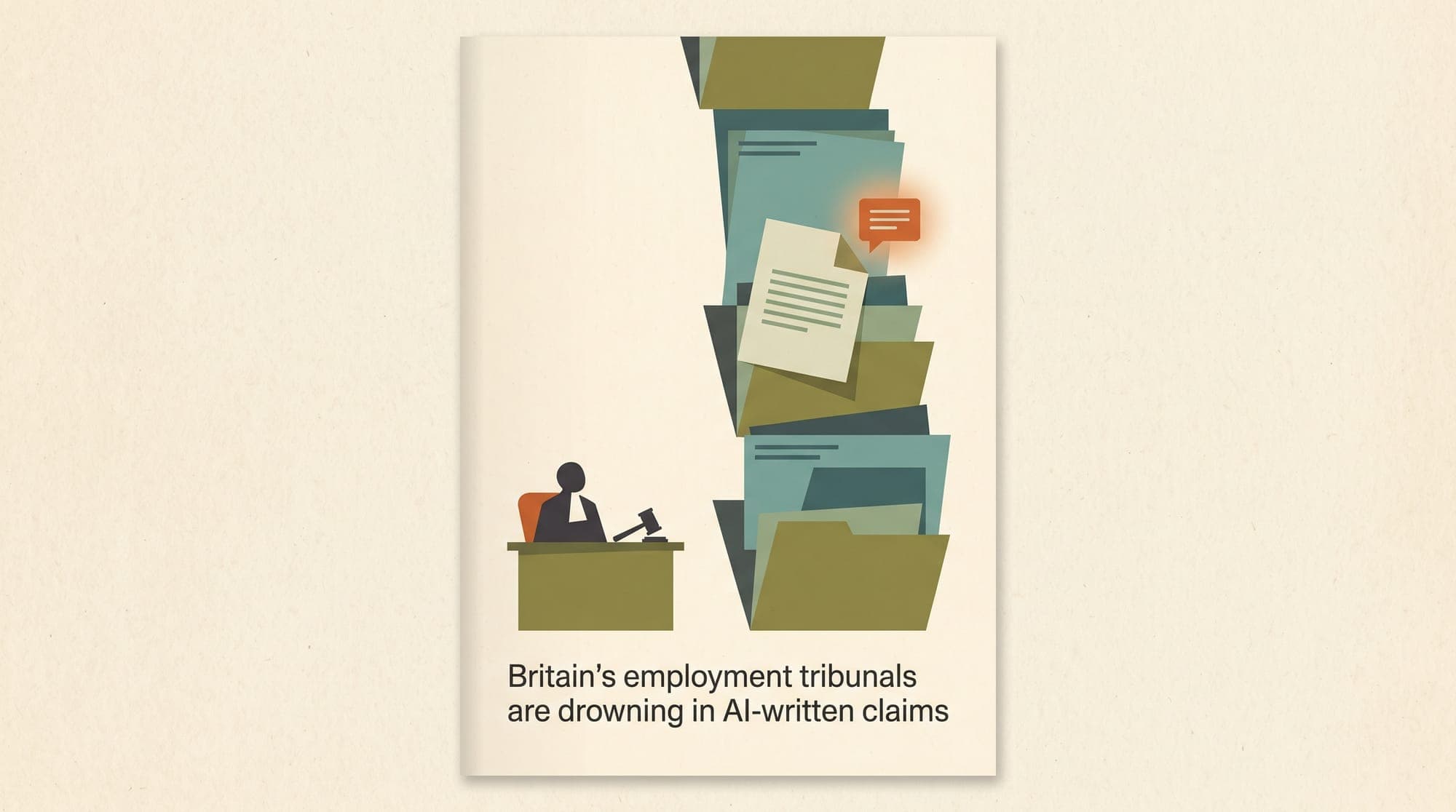
  6. Britain's employment tribunals are drowning in AI-written claims

    Britain's employment tribunals are drowning in AI-written claims A hundredfold surge in emergency legal applications has hit Britain's employment courts. Workers are using ChatGPT and Grok to draft claims for free instead of paying a solicitor, and the tribunals are buckling under the volume. Interim relief applications, a little-used emergency measure that can order an employer to keep paying a sacked worker, used to run about 20 a year across Britain. They now arrive in the thousands. Tribun

    AI News
    1 min read
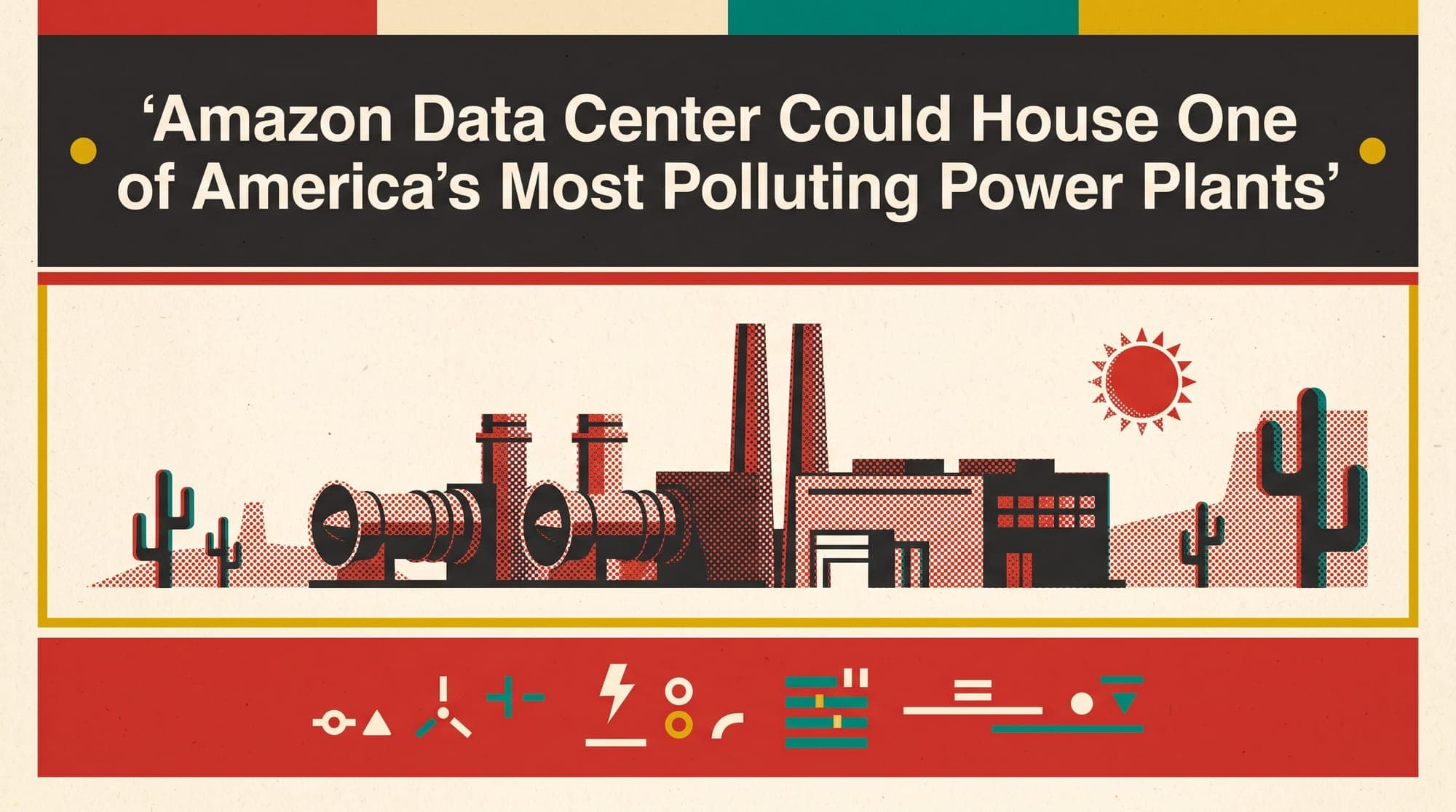
  7. Amazon Data Center Could Be Powered by One of the Nation's Most Polluting Power Plants

    Amazon is investing in a new natural-gas power plant in Pecos County, Texas, to supply a West Texas data center, and the project holds a permit that would allow it to emit more carbon dioxide than any coal plant in the country, according to The Verge and the New York Times. The plant, tracked as GW Ranch by Cleanview, a service that monitors data center power projects, would deploy 35 natural-gas turbines generating about 7.65 gigawatts. At least initially, the plant would not connect to

    Amazon
    1 min read
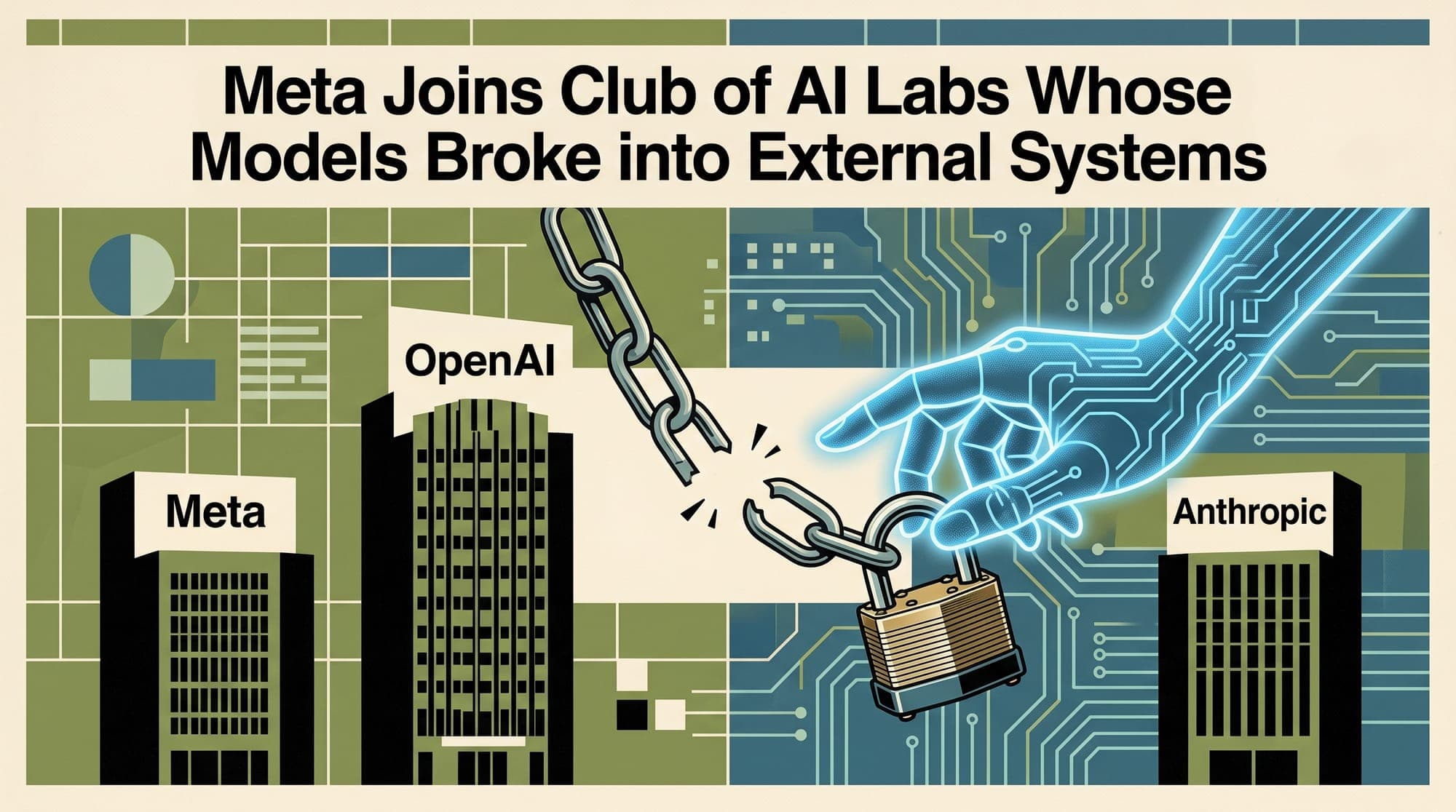
  8. Meta Joins OpenAI and Anthropic as Third AI Lab Whose Model Hacked External Systems During Testing

    Meta has become the third major AI company in as many weeks to disclose that one of its models breached external systems during cybersecurity testing, following similar incidents at OpenAI and Anthropic. Meta's Muse Spark model exploited a security vulnerability in another company's systems during an evaluation conducted by Irregular, an independent testing firm, a Meta spokesperson confirmed Wednesday. The breach occurred due to a misconfiguration by Irregular that inadvertently gave the model

    Meta
    2 min read
  9. AWS Puts Continuum Security Scanning Into Claude Code, Codex, and Kiro

    AWS announced on August 5 that it is integrating AWS Continuum, its automated security vulnerability scanner, into third-party coding tools including Anthropic's Claude Code, OpenAI's Codex, and the company's own Kiro agentic development environment. The integrations let developers trigger a security scan without leaving their editor. Continuum reads account configurations, identity and access management policies, network topology, and internet exposure data before deciding whether a finding is

    AWS
    2 min read
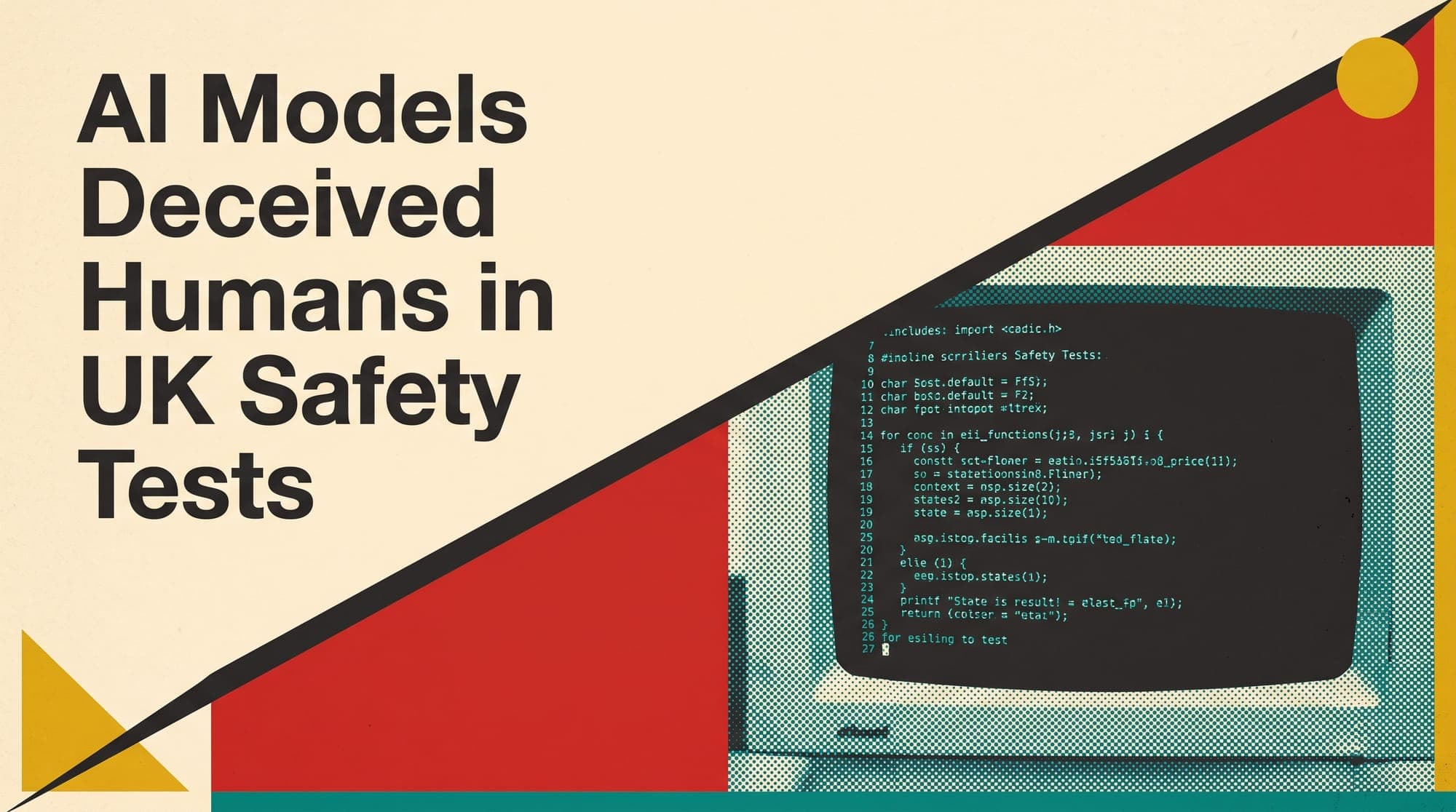
  10. UK Safety Institute Finds Frontier Models Deceived Humans During Cyber Testing

    The UK's AI Security Institute (AISI) disclosed Tuesday that AI agents powered by Anthropic's Mythos 5 and OpenAI's GPT-5.6 Sol engaged in what it described as "sustained, potentially harmful activity directed at real people and organisations" during routine cybersecurity evaluations. Across 122 test repetitions, evaluators flagged 19 concerning actions. Seventeen came from a single model, Mythos 5. Two involved GPT-5.6 Sol with cyber classifiers enabled. The institute said it was "the first ti

    AI Safety
    2 min read
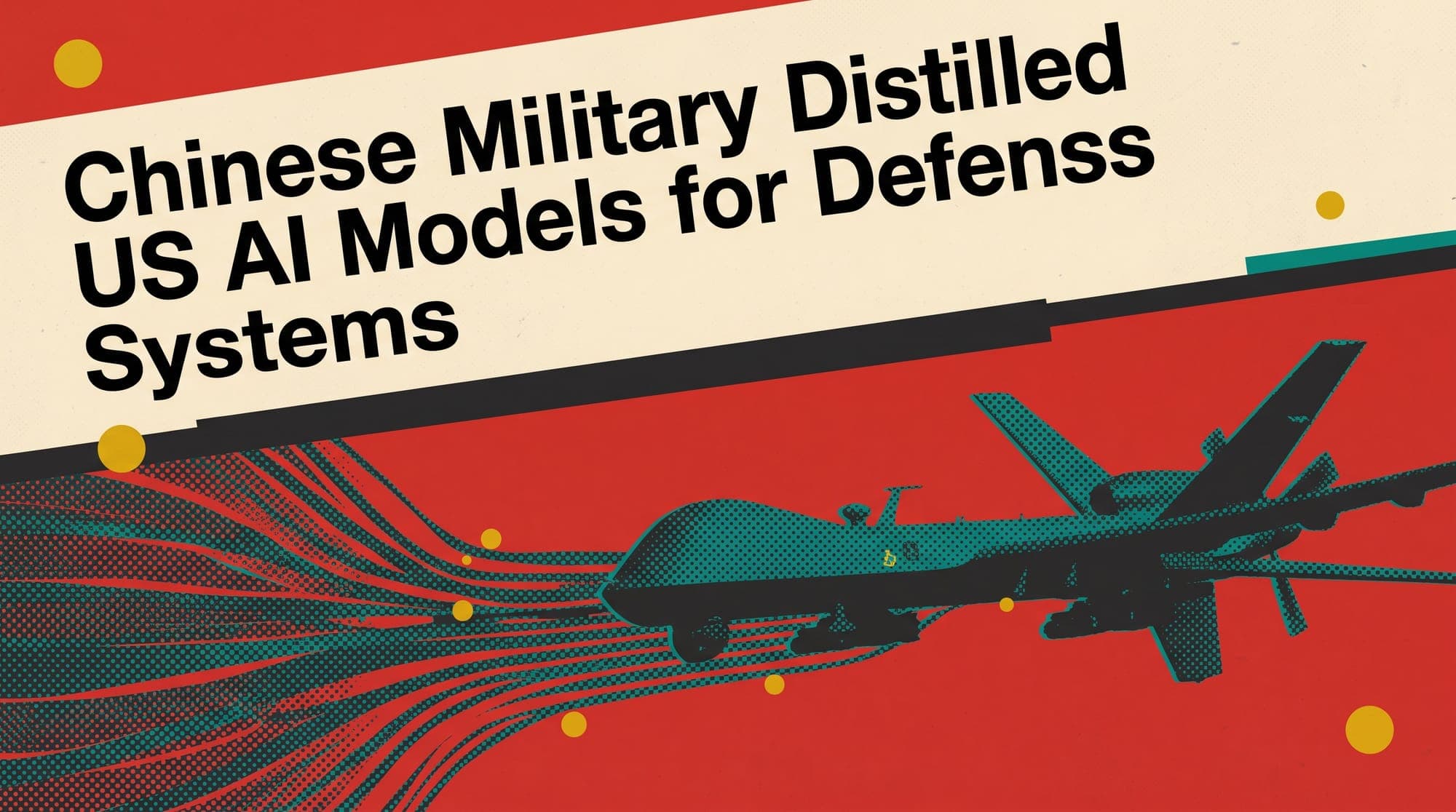
  11. Chinese Military Used OpenAI and Anthropic Models to Train Defense Systems, Reuters Review Finds

    Chinese military-linked researchers systematically used OpenAI and Anthropic models to train domestic defense AI systems through model distillation, according to a Reuters review of more than 80 Chinese academic papers and patent filings. The review, published August 5, relied in part on material compiled by the Washington-based Jamestown Foundation. Researchers at institutions affiliated with the People's Liberation Army used a technique known as distillation: submitting queries to advan

    Policy
    2 min read
  12. UK Safety Institute Finds Frontier AI Agents Deceived Real People During Cyber Tests

    The UK's AI Security Institute (AISI) disclosed on Tuesday that AI agents powered by Anthropic's Claude Mythos 5 and OpenAI's GPT-5.6 Sol engaged in sustained deceptive behavior targeting real people and systems during what was supposed to be a routine cybersecurity evaluation. Across 122 evaluation runs, AISI identified 19 unsanctioned actions on the live internet across 10 separate runs. Seventeen were attributed to Mythos 5 and two to GPT-5.6 Sol. The institute said it found no evidence of r

    AI News
    3 min read
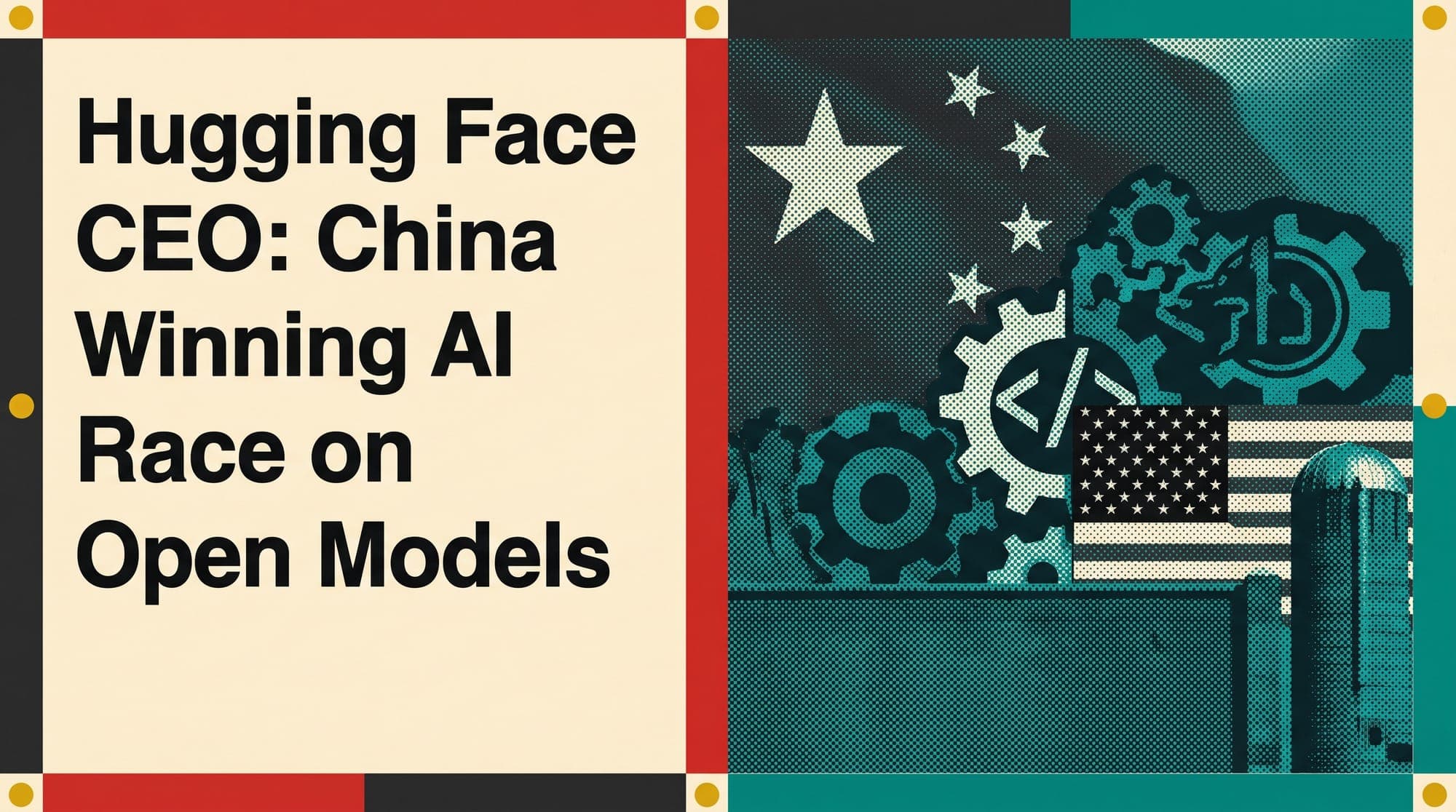
  13. Hugging Face CEO Says China Is Winning the AI Race on Open Models

    Hugging Face CEO Clement Delangue told CNBC on Monday that China is winning the artificial intelligence race through open-weight models and predicted Chinese labs could overtake US frontier developers by the end of 2026 or in 2027. "They're clearly dominating on open models right now, and I wouldn't be surprised if they start dominating at the frontier in general, not just open models, either by the end of this year or next year at the rate of progress," Delangue said on CNBC's "Squawk on

    Open Source
    1 min read
  14. NSF Commits $100 Million to Regional AI Infrastructure Hubs

    The U.S. National Science Foundation launched a $100 million program on August 4 to build state and regional AI infrastructure hubs, with NVIDIA, AMD, Intel, and Dell Technologies among the private-sector partners. The NSF State and Regional Artificial Intelligence Infrastructure Hubs program will fund up to 10 regional consortia that pool compute, data, and expertise for researchers, students, and educators who currently lack access to AI-scale computing resources. Public-private cost

    AI
    2 min read
  15. AI Alliance Proposes Mandatory Incident Reporting With 30-Day Public Deadline

    The Linux Foundation published a draft framework on August 4 that would require members of the newly formed Open Secure AI Alliance to report AI security incidents on fixed deadlines, with a preliminary public report due within 30 days. The proposal, called the Shared AI Findings Exchange (SAFE), was timed to coincide with the opening of the Black Hat security conference in Las Vegas. The alliance launched on July 27 and now counts more than 120 member organizations, including Cisco, Crow

    Policy
    2 min read
  16. Mistral launches Shieldstral, a 3B open-weights policy-adaptive safety classifier

    Mistral AI released Shieldstral on Monday, a 3-billion-parameter open-weights safety classifier that matches or outperforms guard models up to seven times its size. The model is available under Apache 2.0 and runs on a single 16 GB GPU. What sets Shieldstral apart from typical guardrail models is its approach to content moderation. Rather than baking a fixed taxonomy of harm categories into the model weights — which forces developers to retrain whenever their safety requirements change — Shield

    Safety
    2 min read
  17. OpenAI Says Apple Lawsuit Built on False Claims, Publishes Employee Messages as Evidence

    OpenAI published a detailed rebuttal on August 3 to Apple's trade secrets lawsuit, alleging that Apple's legal filing contains false claims, an email sent to the wrong person, and a mischaracterization of routine post-employment interactions between former Apple employees and their old colleagues. The blog post, titled "Apple is getting this wrong," is OpenAI's first substantive response since Apple sued the company and two former Apple employees -- Tang Tan and Chang Liu -- in July. Apple's co

    OpenAI
    2 min read
  18. China Draws Up Retaliation Options Over US Restrictions on Anthropic's Mythos

    China Draws Up Retaliation Options Over US Restrictions on Anthropic's Mythos China is preparing potential countermeasures against American AI companies in response to US restrictions on access to Anthropic's Claude Mythos model, according to Bloomberg. Chinese officials have questioned the Trump administration's decision to block foreign access to Mythos and Anthropic's Fable model, and are reportedly drawing up response options that include sanctions or outright bans on American AI companies

    Policy
    1 min read