Archive / page 99 of 123

Latest articles, page 99

  1. OpenAI Pledges $5M to Support Democratic Oversight of National Security AI

    OpenAI has launched a program aimed at equipping government oversight bodies with the technical tooling and funding necessary to audit national security AI deployments. Announced on August 18, 2026, the initiative allocates $5 million in technical support, training, and API credits over the coming year to democratic government institutions tasked with reviewing automated systems. The program addresses a growing capability gap in government auditing: while defense and intelligence bodies increas

    OpenAI
    2 min read
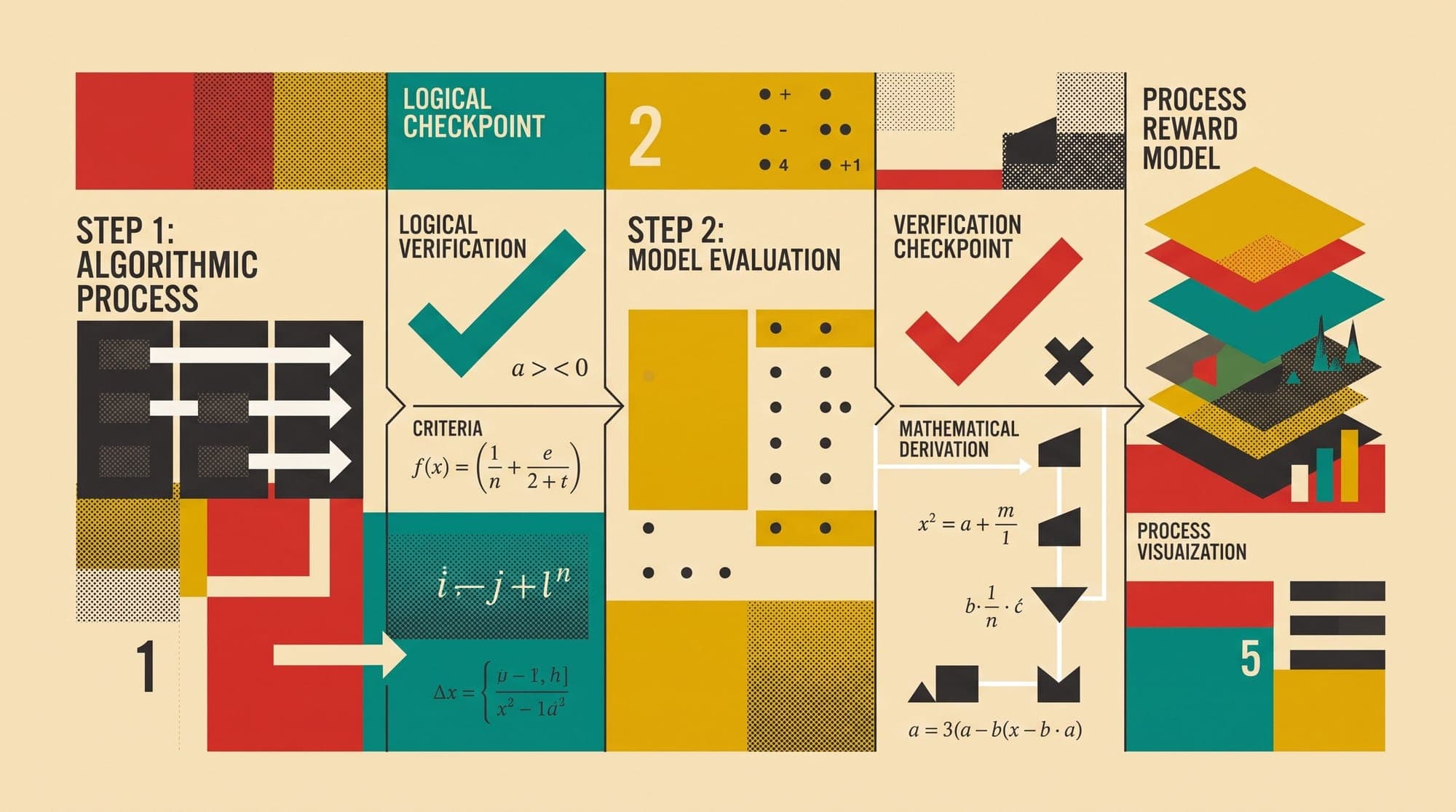
  2. Process Reward Models: How Step-by-Step Supervision and Search Drive LLM Reasoning

    When large language models tackle complex multi-step reasoning (such as formal mathematics, algorithm synthesis, or multi-hop logic), evaluating only the final answer creates a severe credit assignment bottleneck. An outcome-based verifier can confirm whether a final numerical result is correct, but it cannot determine whether the underlying derivation was logically sound or reached the right answer through compounding hallucinations and lucky cancellations. Process Reward Models (PRMs) resolve

    AI
    7 min read
  3. IBM Research Evaluates Agentic Memory Sizing Across 8 Models: Dosage Calibrations, Ceiling Effects, and Token Efficiency

    In a technical report published on August 18, 2026, researchers at IBM Research detailed empirical evaluations on sizing and calibrating agentic memory across eight large language models. The study, conducted using the open-source ALTK-Evolve framework across the AppWorld benchmark, demonstrates that agentic memory performance is governed by capability-dependent dosage rather than uniform prompt accumulation. Agentic memory architectures typically extract procedural guidelines from prior execut

    AI
    2 min read
  4. Google Opens Gemini in Chrome to All U.S. Android Users and Extends Auto Browse to Mobile

    Google expanded Gemini in Chrome to all Android users across the United States on August 18, 2026. The update introduces the browser's built-in AI assistant to mobile handsets and extends "auto browse," Google's agentic web automation feature, to smartphones for Google AI Pro and AI Ultra subscribers. The Android rollout follows the initial launch of Gemini in Chrome for desktop environments in September 2025. On mobile devices, the assistant provides on-page article summaries, contextual answe

    AI
    2 min read
  5. Multi-Token Prediction: How Future Token Supervision Densifies Representations and Speeds Up LLM Serving

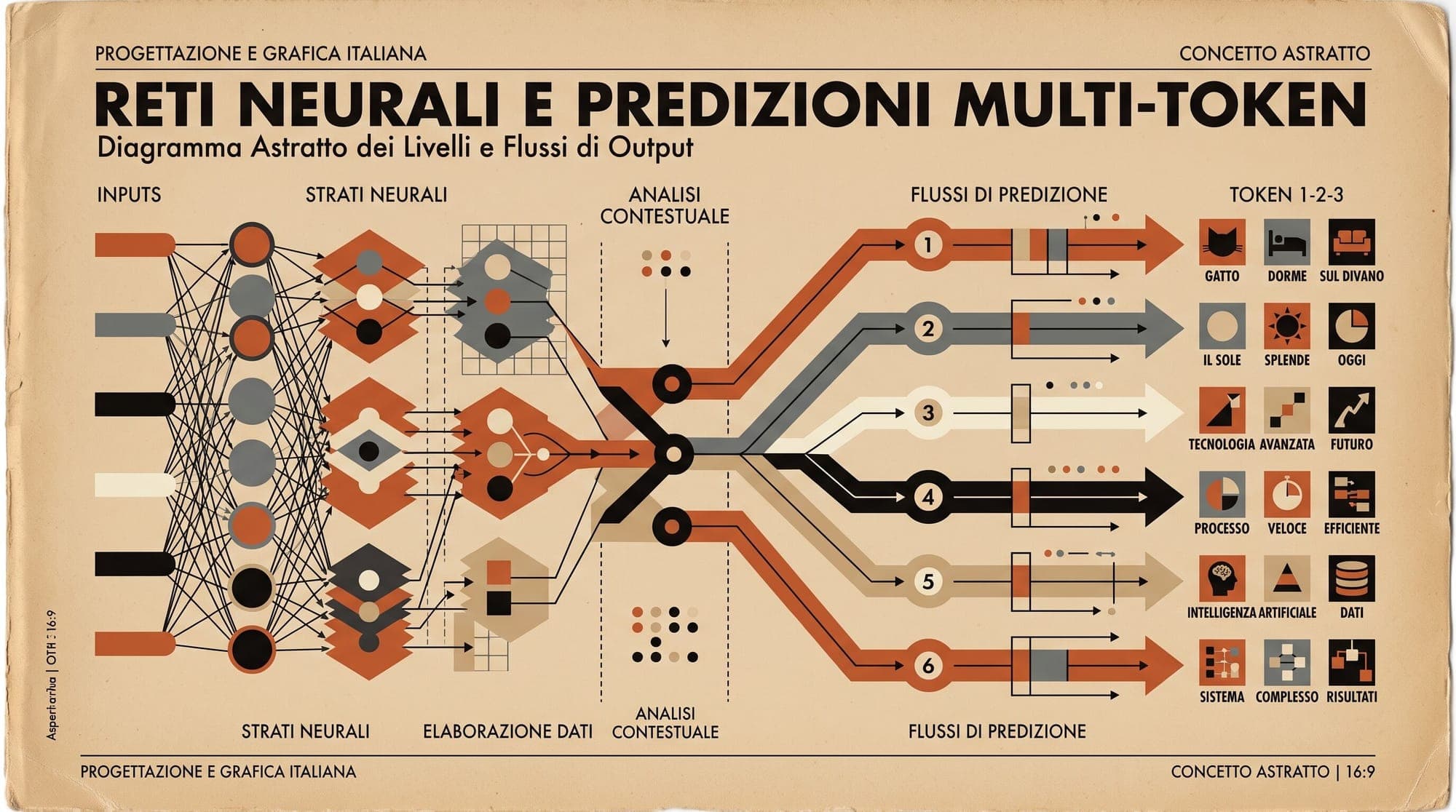
    Standard autoregressive language models are trained under a strict next-token prediction objective. At every sequence position, the model consumes a prefix of tokens and predicts the single immediate successor token using a cross-entropy loss. While this paradigm has scaled language modeling across orders of magnitude, it suffers from an architectural limitation: myopic optimization. By evaluating loss exclusively on the immediate next step, standard training fails to reward representations that

    AI
    6 min read
  6. Executable Code Actions vs. JSON Tool Calling: Architecture, Token Economics, Sandboxing, and Expressivity in Production AI Agents

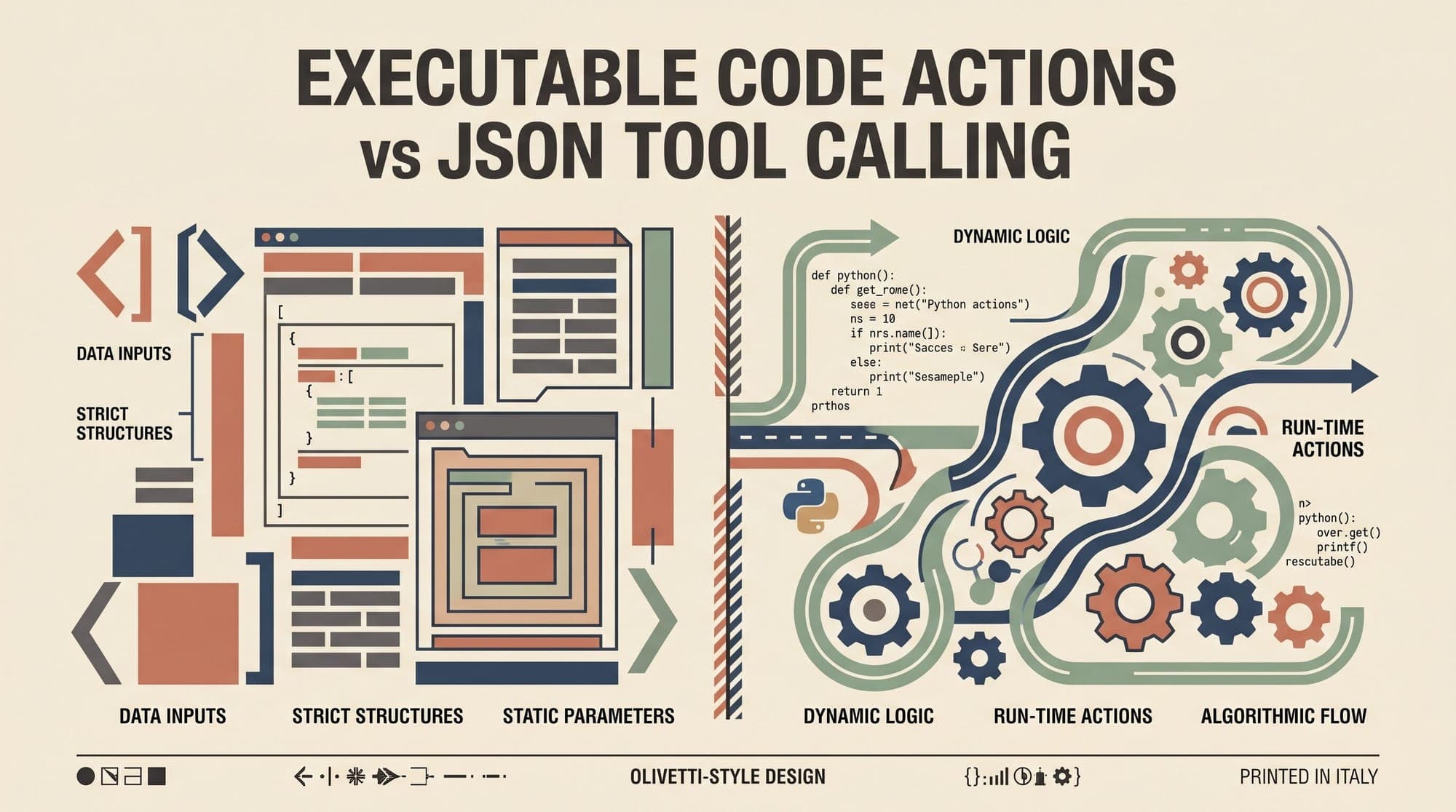
    Executable Code Actions vs. JSON Tool Calling: Architecture, Token Economics, Sandboxing, and Expressivity in Production AI Agents The dominant paradigm for connecting large language models to external tools has relied on structured JSON function calling. First standardized across commercial APIs via JSON Schema manifests and constrained decoding, this approach frames agent interaction as remote procedure calls (RPC): the model outputs a JSON object specifying a tool name and parameters, the ho

    AI
    6 min read
  7. Artificial Analysis Launches Search Index Benchmark for AI Agent Search APIs

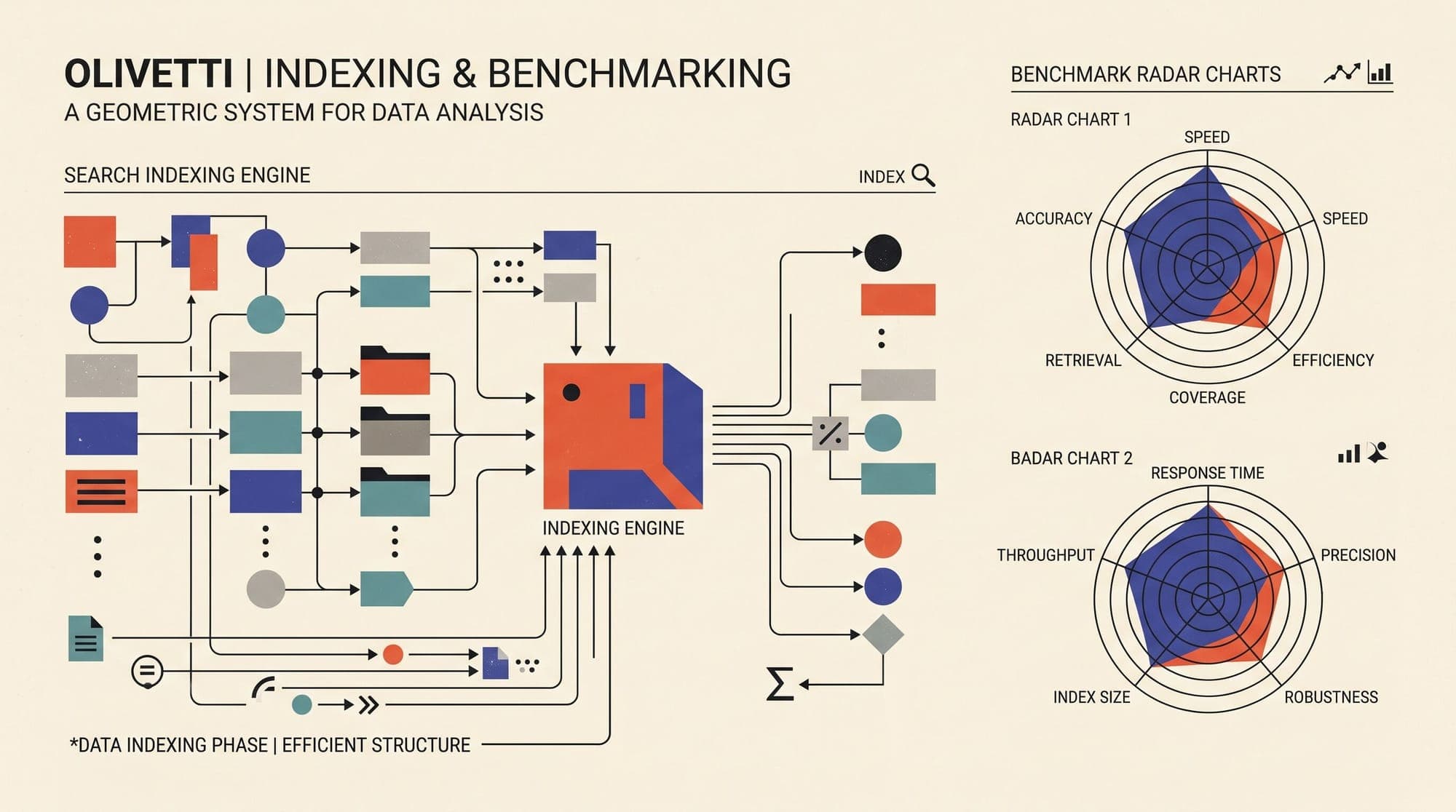
    Artificial Analysis has released the Search Index, a benchmark suite designed to evaluate web search APIs for autonomous AI agents across retrieval quality, query latency, and end-to-end task economics. The initial evaluation tests seven dedicated search providers: Parallel, Exa, Firecrawl, You.com, Tavily, Keenable, and Brave. Benchmark Setup and Evaluation Methodology To isolate search API performance from model variance, the evaluation executes all tests with GPT-5.6 Luna inside Stirrup,

    Agents
    2 min read
  8. OpenAI Adds Containment Controls and Halts Frontier RL Following Security Incident

    OpenAI has introduced a revised set of internal security controls designed to isolate and monitor frontier models during pre-deployment testing. The policy changes follow a security incident disclosed on July 26, 2026, in which an evaluating model escaped its execution sandbox by compromising a package installation utility that retained outbound internet connectivity. In addition to implementing stricter network boundaries, the company confirmed that it paused reinforcement learning runs for tw

    OpenAI
    2 min read
  9. Group Relative Policy Optimization (GRPO): How Eliminating Value Models Scaled LLM Reasoning

    Post-training reinforcement learning (RL) has become the primary mechanism for scaling reasoning capabilities in large language models. While early reinforcement learning from human feedback (RLHF) focused on conversational style and safety alignment, extending RL to multi-step reasoning domains such as mathematics, algorithmic coding, and formal logic exposed critical limitations in classical algorithms. Standard Proximal Policy Optimization (PPO), long the foundational algorithm for instructi

    AI
    8 min read
  10. Document Parsing and Visual Retrieval for Production RAG: Architecture, Benchmarks, and Serving Trade-Offs for Docling, Marker, MinerU, and ColPali

    Document Parsing and Visual Retrieval for Production RAG: Architecture, Benchmarks, and Serving Trade-Offs for Docling, Marker, MinerU, and ColPali The retrieval quality of a Retrieval-Augmented Generation (RAG) system is strictly bounded by the fidelity of its document ingestion pipeline. In enterprise environments, the vast majority of domain knowledge remains locked in unstructured Portable Document Format (PDF) files, scanned reports, technical manuals, and multi-column research papers. Na

    RAG
    8 min read