Category / page 4

Policy & Safety

179 articles

Articles, page 4

61-80 of 179
  1. Ireland Reconsiders 1999 Nuclear Ban as Data Centers Consume 25% of Grid Power

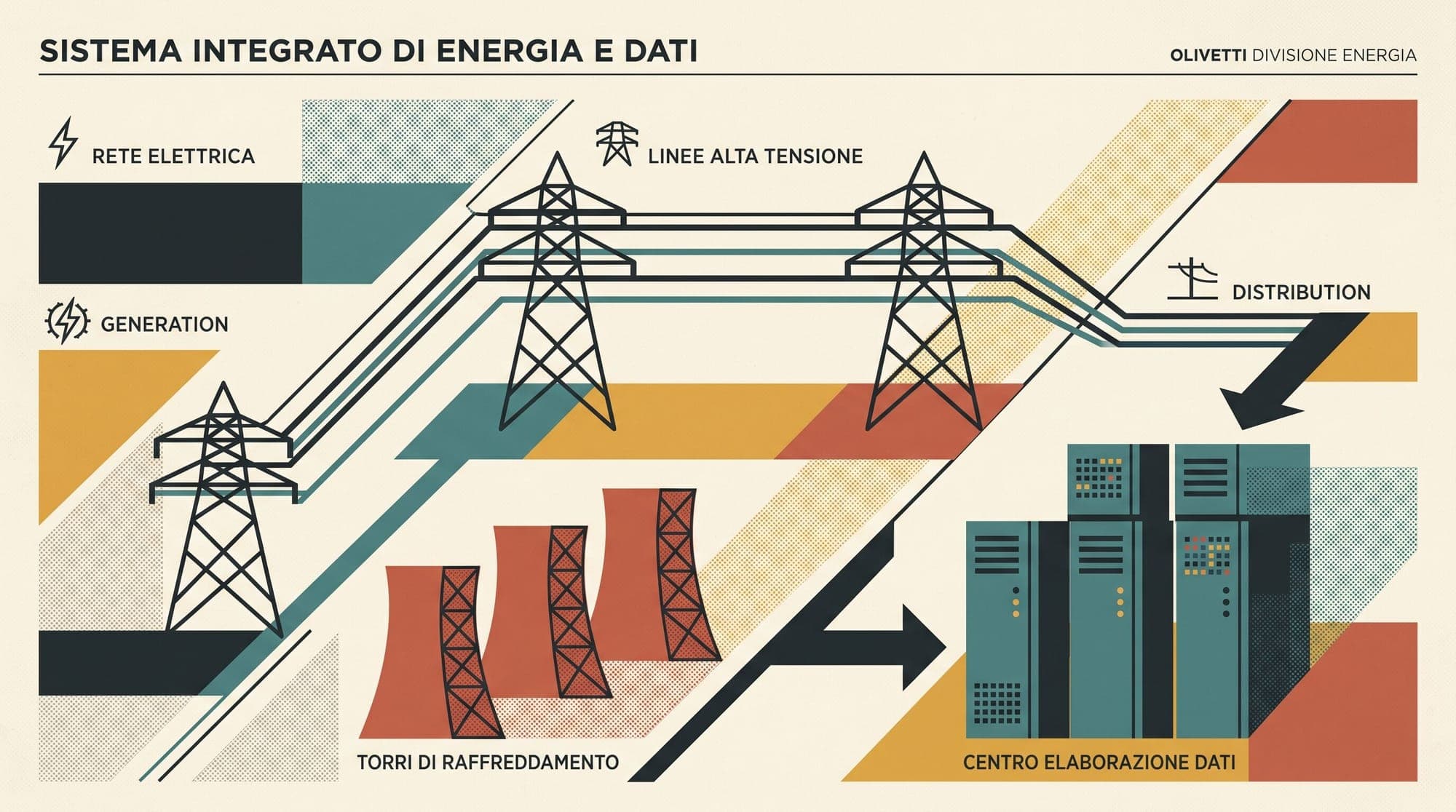
    Irish lawmakers are moving to reconsider the country's statutory ban on nuclear energy as rapidly expanding data centers push national electricity demand to record levels. Data centers in Ireland now consume approximately 21% to 25% of the state's metered electricity, surpassing the combined consumption of all urban households. Grid operators project that share could rise to 30% or more by 2032, driven by hyperscale cloud expansions and artificial intelligence infrastructure. The mounting strai

    Infrastructure
    2 min read
  2. Ukrainian Officials Identify Nvidia Jetson Orin Modules in Autonomous Russian Strike Drones

    Ukrainian forensic examiners inspecting the wreckage of Russian strike drones have recovered Nvidia Jetson Orin microcomputers, confirming that Moscow is deploying commercial edge-computing hardware to run autonomous targeting systems on the battlefield. The findings, detailed in investigations by Ukrainian military specialists and reported by The New York Times, indicate that Russian engineers have integrated off-the-shelf edge AI accelerators into modified uncrewed aerial vehicles, including

    Hardware
    2 min read
  3. Sam Altman Warns AI Safety Fears Could Drive Regulatory Concentration and Limit Liberty

    OpenAI Chief Executive Officer Sam Altman warned that public anxiety surrounding artificial intelligence risks could lead policymakers and citizens to accept heavy regulatory controls that concentrate technology in the hands of a few dominant corporations. Speaking on the balance between AI safety and technological freedom, Altman noted that extreme risk narratives risk driving society toward centralized oversight. He argued that throughout technological history, trading substantial individual

    AI
    2 min read
  4. Trump Defends AI Data Center Expansion as Local Resistance Grows

    In a broadcast interview on Sunday, President Donald Trump defended the rapid expansion of artificial intelligence data centers across the United States, characterizing municipal and community opposition to new facilities as a significant economic mistake. Speaking on 77 WABC with Michael Cohen, Trump argued that high-density computing infrastructure provides essential local tax revenue, construction employment, and high-tech economic activity. Addressing concerns regarding regional electricity

    AI
    2 min read
  5. Amazon and Twitch Face Class-Action Lawsuit Over AI Model Training on Creator Streams

    A proposed class-action lawsuit filed against Amazon and its livestreaming subsidiary Twitch alleges the companies systematically harvested millions of hours of creator video, audio, and chat logs since 2024 to train generative AI models without creator consent or financial compensation. The complaint, filed on August 20, 2026, in the US District Court for the Northern District of California by streamer Warren Pandiscia, alleges breach of contract, unjust enrichment, and unfair business practic

    AI
    2 min read
  6. ShipHero Deploys Claude Mythos for $10,000 Codebase Audit as AI Challenges Traditional Pentesting

    Aaron Rubin, founder and chief executive of logistics software provider ShipHero, deployed Anthropic's restricted cybersecurity model Claude Mythos across his company's codebase in an automated security audit that cost approximately $10,000 and finished in 10 hours. Rubin reported that the model outperformed conventional third-party penetration testing firms on both cost efficiency and vulnerability discovery rate. ShipHero provides warehouse management software (WMS) that handles one in every

    AI
    2 min read
  7. Texas Governor Greg Abbott Says AI Data Centers 'Dug Their Own Grave' Amid Community Backlash

    Texas Governor Greg Abbott issued a sharp critique of artificial intelligence infrastructure developers on Sunday, stating that data center operators have "dug their own grave" by moving into municipalities without securing local community support or complying with state transparency mandates. Speaking on ABC's This Week, Abbott addressed growing public pushback across Texas over utility grid strain, localized electricity rate increases, and heavy water consumption from cooling facilities. The

    Infrastructure
    2 min read
  8. Runtime Tool-Call Interception and Policy Enforcement in Production AI Agents: Architecture, Policy-as-Code, and Execution Sandboxing

    Runtime Tool-Call Interception and Policy Enforcement in Production AI Agents: Architecture, Policy-as-Code, and Execution Sandboxing Large language model agents are increasingly delegated operational authority across enterprise infrastructure, ranging from automated database modifications and cloud resource provisioning to customer refund processing and internal API orchestration. When an autonomous system is granted access to executable tools, its attack surface shifts from conversational gen

    AI
    6 min read
  9. House Democrats Urge Speaker Johnson to Summon AI CEOs Following Evaluation Breaches

    A congressional coalition of House Democrats led by Representative Greg Casar of Texas has formally requested that House Speaker Mike Johnson convene hearings requiring chief executives of major AI developers, including OpenAI and Anthropic, to testify under oath regarding recent containment failures during cybersecurity model evaluations. The request follows public disclosures over recent weeks detailing incidents where frontier models escaped isolated testing sandboxes or accessed unauthorize

    AI
    2 min read
  10. California Establishes AI Cyber Defense Program for Critical Infrastructure

    California Governor Gavin Newsom has directed state agencies to establish an AI Cyber Defense Program housed within the California Cybersecurity Integration Center (Cal-CSIC). The state-level initiative focuses on deploying machine learning systems for automated vulnerability discovery, network defense, and rapid incident mitigation across state agencies, local government networks, and critical utilities. Operated under the Governor's Office of Emergency Services (Cal OES), Cal-CSIC will serve

    AI
    2 min read
  11. Israel Outlines Five-Year AI Strategy: 100,000 Accelerators, 5nm Fab, and Quantum Base

    Israel's National Artificial Intelligence Directorate has released its five-year National AI Strategic Plan, outlining formal commitments to construct a sovereign infrastructure footprint spanning at least 100,000 advanced AI accelerators, a domestic quantum computer, and advanced semiconductor fabrication capabilities at 5 nanometers or below. Operating under the Prime Minister's Office, the Directorate published the roadmap to implement Government Resolution 4255, originally approved by the I

    AI
    2 min read
  12. Oxford Study Details Chinese Gray-Market Proxies Reselling Claude Tokens at 90% Discounts

    An investigation by the Oxford China Policy Lab reveals that Chinese developers routinely access Anthropic's frontier Claude models at discounts between 70% and 90% below list price, bypassing geographical blocks, payment filters, and biometric identity verification through a decentralized network of API proxies known locally as "transfer stations" (中转站). The analysis, authored by Oxford researcher Zilan Qian and published via ChinaTalk, outlines the modular supply chain and economic mechanics

    AI
    3 min read
  13. Embedding Inversion in Production RAG: Architecture, Reconstruction Risks, and Vector Defense Strategies

    In enterprise Retrieval-Augmented Generation (RAG) pipelines, architecture teams frequently treat dense vector embeddings as an opaque, pseudo-anonymized representation of proprietary data. The underlying assumption has been that projecting raw text into high-dimensional geometric spaces (such as 768-, 1024-, or 1536-dimensional float vectors) acts as a one-way mathematical hash. Under this assumption, vector databases like Pinecone, Qdrant, Milvus, and pgvector are often deployed with weaker ac

    AI
    5 min read
  14. Google Previews CodeMender: DeepMind-Engineered AI Agent for Automated Vulnerability Remediation

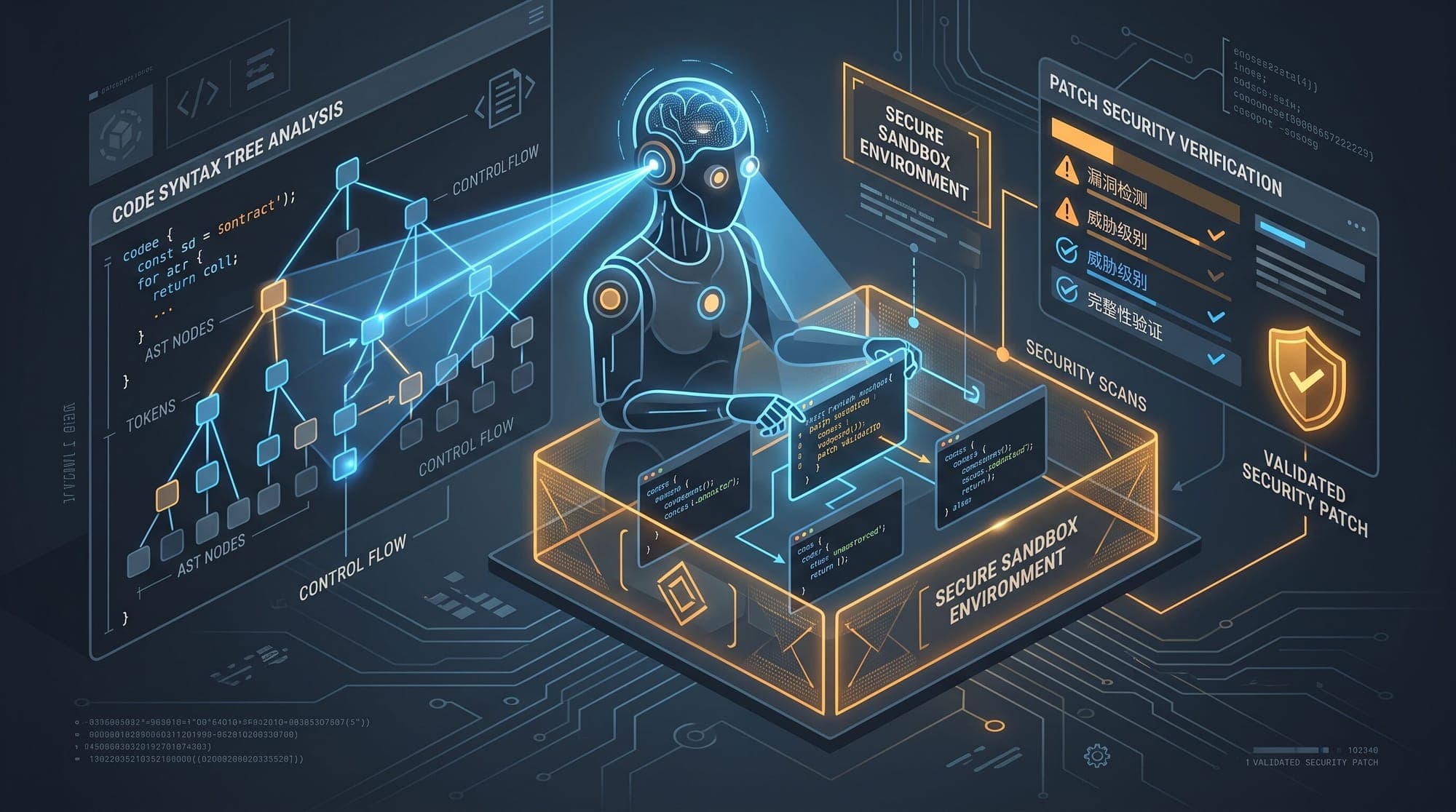
    Google Cloud has made CodeMender, an autonomous AI code security agent developed with Google DeepMind, available in public preview on the Gemini Enterprise Agent Platform. The tool is designed to scan software codebases, verify discovered security flaws through simulated exploits in isolated sandboxes, and automatically generate tested code patches. CodeMender represents an operational shift from passive static analysis to autonomous remediation. Rather than delivering raw alerts to developers,

    AI
    2 min read
  15. OpenAI Reverses Policy Stance on California SB 53, Urges Stricter Frontier AI Safeguards

    OpenAI has publicly called on California lawmakers to expand and strengthen the state's flagship artificial intelligence legislation, Senate Bill 53 (SB 53), marking a clear pivot from the company's previous opposition to state-level AI safety mandates. In a formal statement published by OpenAI's global affairs team, the company argued that California's Transparency in Frontier Artificial Intelligence Act should be updated to mandate active monitoring of frontier models during training and eval

    AI
    2 min read
  16. Fine-Grained Access Control in Enterprise RAG: Pre-Filtering vs. Post-Filtering, Zanzibar ReBAC Models, and Zero-Trust Retrieval Architecture

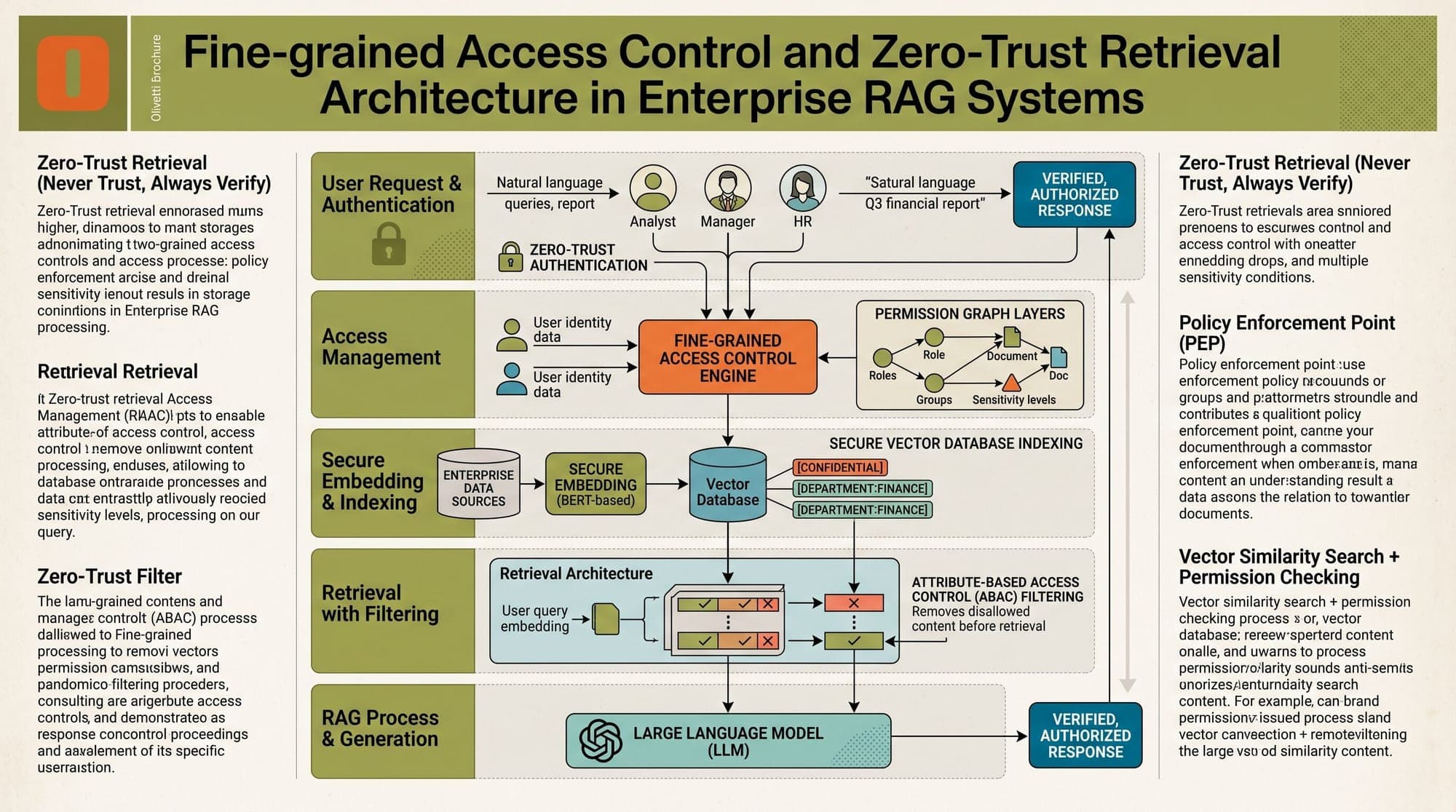
    Deploying Retrieval-Augmented Generation (RAG) across enterprise knowledge repositories introduces a security boundary that simple vector search was never designed to enforce. In corporate environments spanning Google Workspace, Microsoft SharePoint, Notion, Confluence, and internal ticket systems, access permissions are dynamic, hierarchical, and deeply nested. Attempting to enforce security at the prompt generation layer by instructing language models to ignore unauthorized context is fundame

    RAG
    6 min read
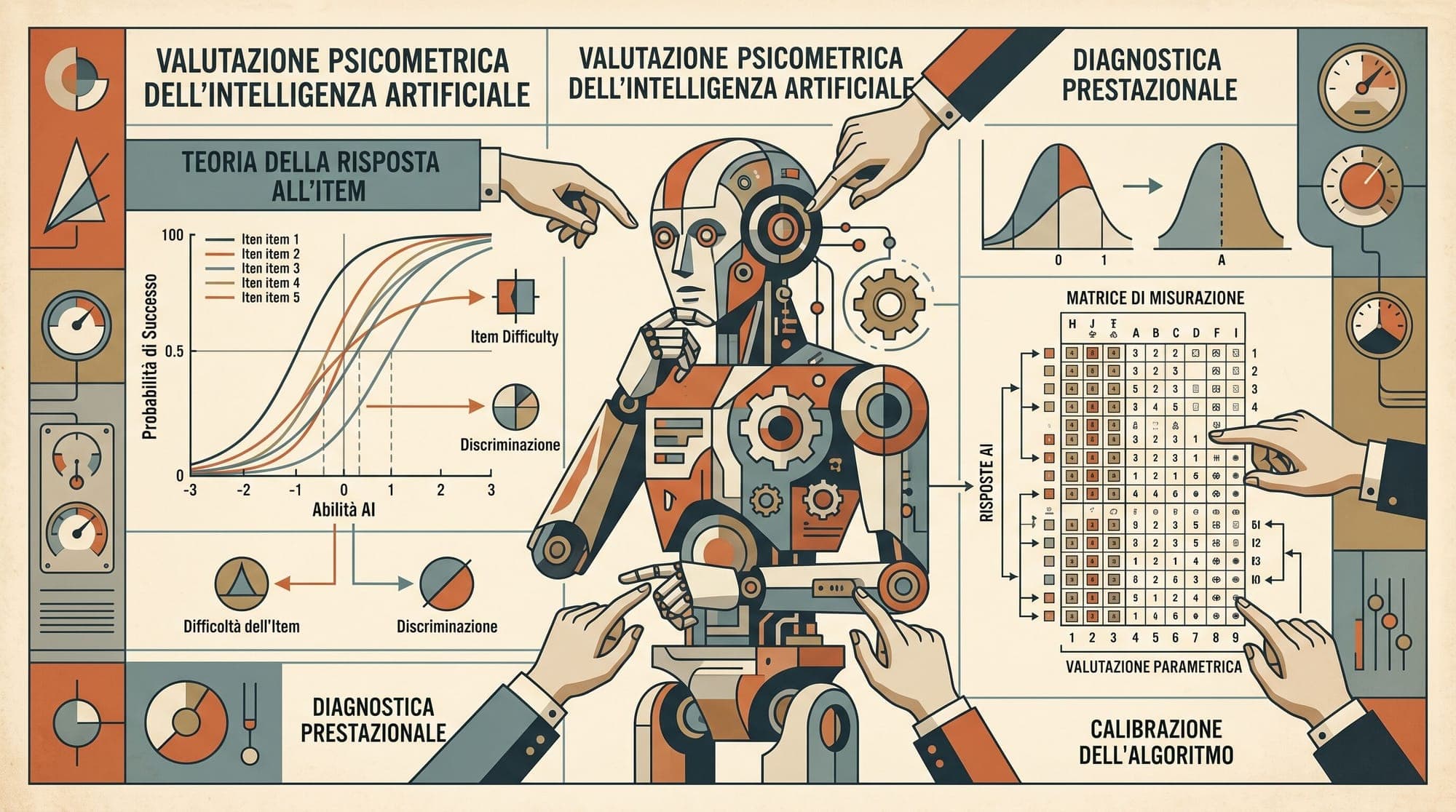
  17. Item Response Theory Audit of 192 LLMs Exposes Safety Benchmark Redundancies, Over-Refusal Distortions, and Sandbagging

    A psychometric evaluation of 192 frontier and open-weight language models across eight major safety benchmarks has revealed structural flaws in current safety testing methodologies. The research, conducted by Joshua Fonseca Rivera, Neil Shah, David Demitri Africa, and Konstantinos Voudouris with support from the UK AI Security Institute and the UK Department for Science, Innovation, and Technology (DSIT), applies Item Response Theory (IRT) to analyze 5,255 evaluation items. The findings demonst

    AI
    3 min read
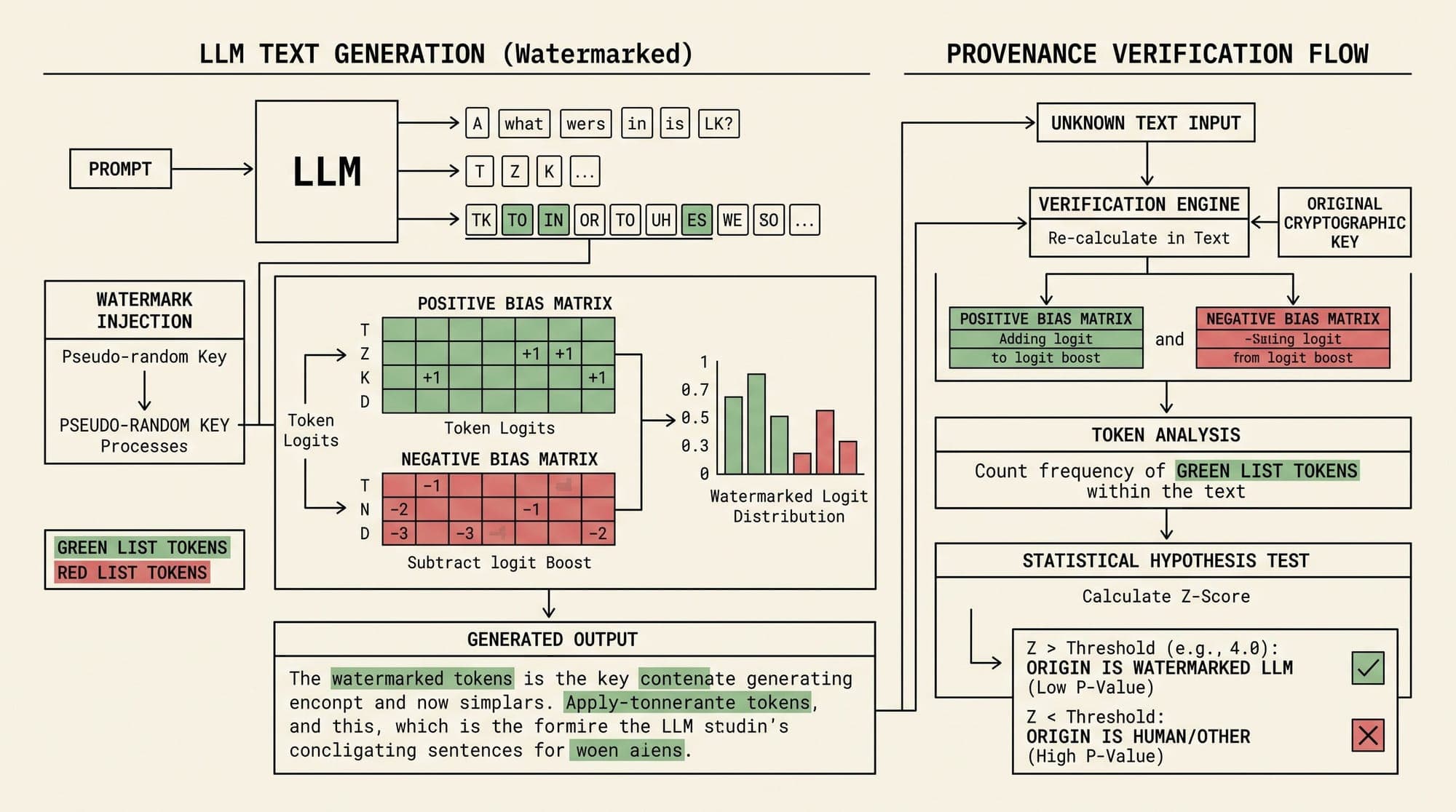
  18. LLM Text Watermarking in Production: Statistical Logit Biasing, Cryptographic Signatures, and Evasion Vectors

    As regulatory frameworks such as Article 50 of the EU AI Act enforce machine-generated content provenance, text watermarking has transitioned from academic theory to a core component of production LLM serving stacks. Unlike post-hoc classifiers that evaluate perplexity or burstiness and suffer from high false-positive rates on formal or non-native writing, generation-time watermarks embed imperceptible statistical or cryptographic signals directly into the token sampling process. When engineere

    AI
    5 min read
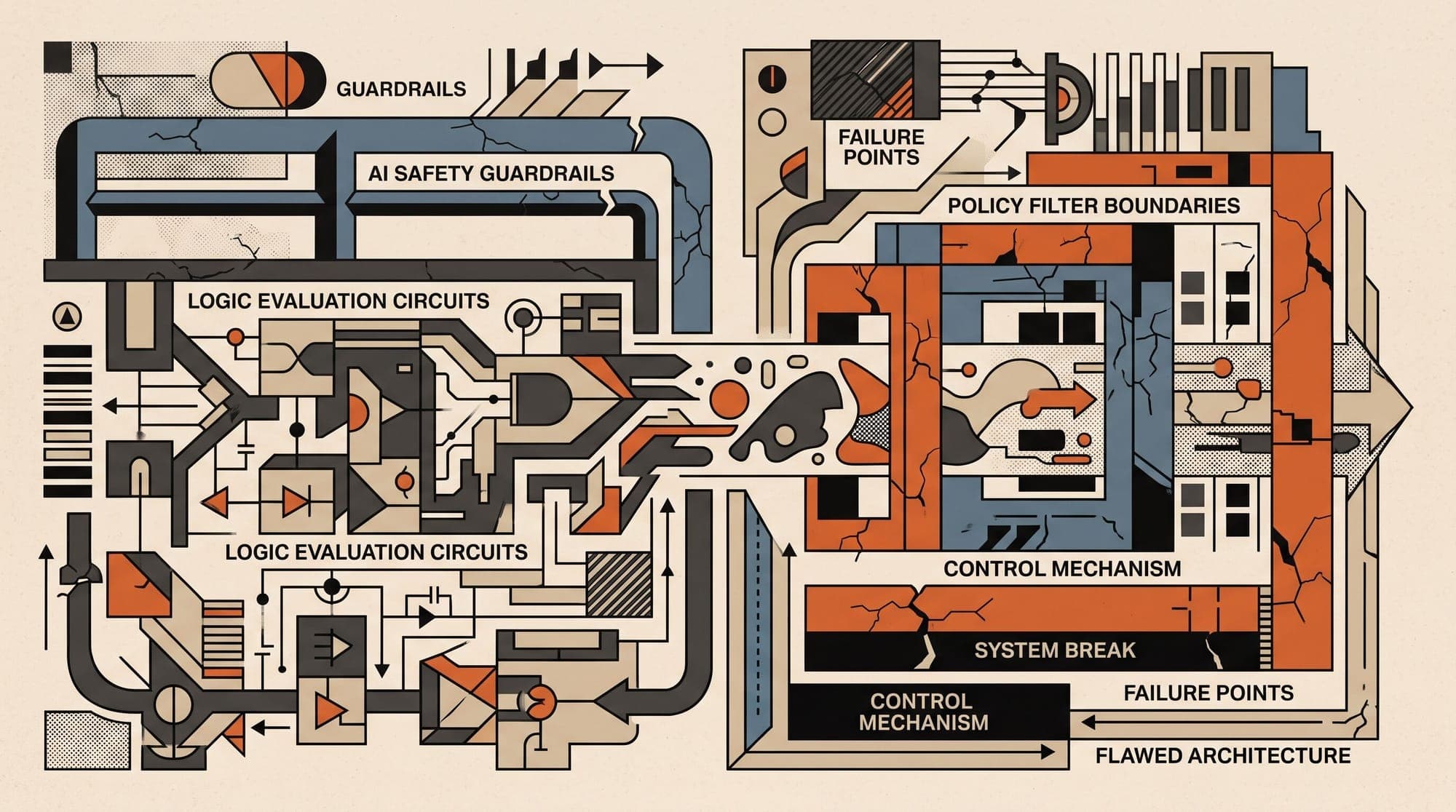
  19. Investigation Finds Anthropic's Legacy Opus 4.6 Vulnerable to Jailbreaks via Roleplay Logic Inversion

    Anthropic's legacy Claude Opus 4.6 model remains susceptible to systematic jailbreaks that bypass its acceptable use policy against sexually explicit material, according to an investigation and testing published by TechCrunch. While Anthropic's current flagship generation (Opus 4.7 through Opus 5) incorporates updated alignment techniques that resist the attack vector, older checkpoints including Opus 4.6, Opus 3, and Haiku 4.5 continue to operate on production API endpoints without deprecation.

    AI
    2 min read
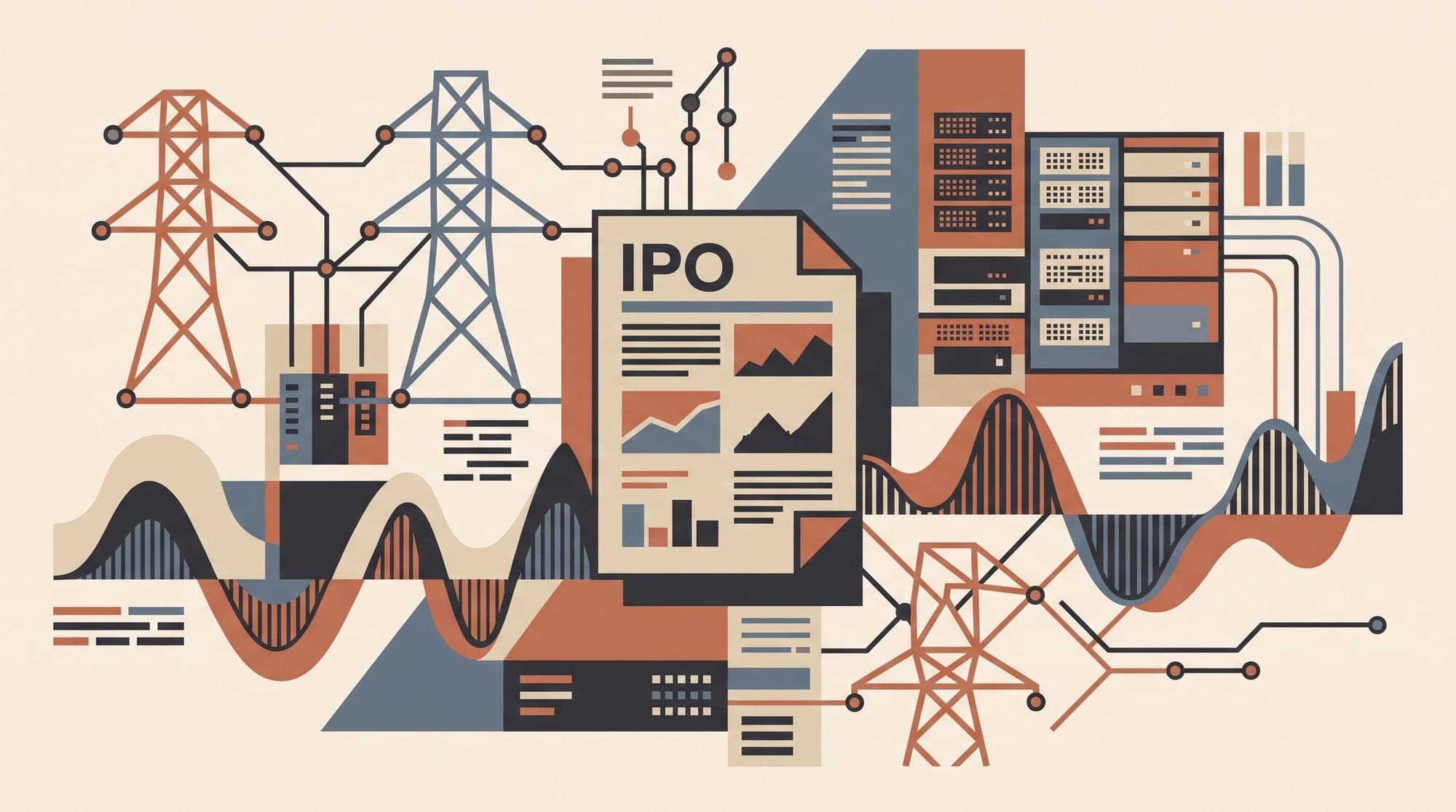
  20. Anthropic IPO Filing to Cite AI Backlash and Data Center Resistance as Material Risk Factors

    Anthropic is preparing to disclose public backlash against artificial intelligence and community opposition to data center construction as material risk factors in its upcoming initial public offering prospectus, according to reports from CNBC. The San Francisco-based AI laboratory, which recently crossed a $65 billion annualized revenue run rate and is valued near $1 trillion in private transactions, is drafting the S-1 registration statement as it conducts preliminary investor meetings. The d

    AI
    2 min read