Archive / page 90 of 123

Latest articles, page 90

  1. AI Chip Startup Fractile Seeks $6.5B Valuation on $600M Round After Anthropic Supply Deal

    London-based semiconductor startup Fractile is in advanced negotiations to raise approximately $600 million at a $6.5 billion pre-money valuation, according to reports from Bloomberg. The funding round represents a steep escalation in valuation from the startup's previous round in May 2026, which valued the company at roughly $1 billion. The capital raise follows an initial supply agreement with Anthropic valued at approximately $250 million. Under the commercial arrangement, Fractile will supp


    AI
    2 min read
  2. Activation Steering and Representation Engineering: How Latent Vector Additions Control LLM Behavior

    Large language models operate by sequentially transforming token representations across dozens of transformer layers. While traditional alignment and behavioral steering rely either on prompt engineering in the input context or gradient descent during fine-tuning, an alternative paradigm has emerged: representation engineering and activation steering. By treating the transformer residual stream as a continuous semantic vector space, activation steering manipulates intermediate hidden states dur

    AI
    7 min read
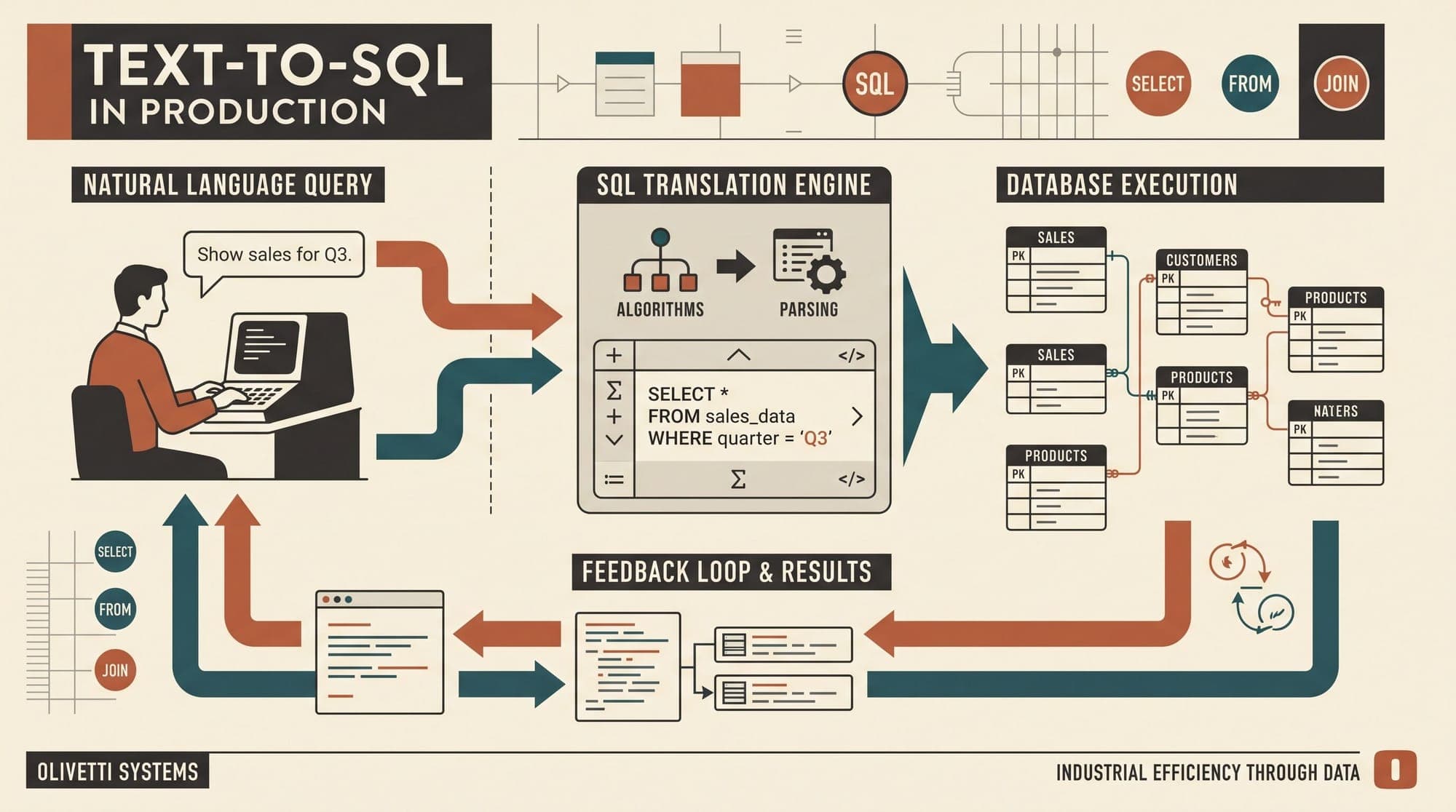
  3. Text-to-SQL in Production: Schema Linking, Value Retrieval, and Execution-Guided Self-Correction

    Translating natural language into executable database queries is one of the most widely deployed applications of large language models in enterprise software. It is also one of the most brittle. On synthetic academic benchmarks such as Spider 1.0, frontier models regularly exceed 90% execution accuracy. However, evaluating those same models on realistic enterprise estates yields a steep drop. On the Spider 2.0 benchmark, which evaluates real-world data warehouses spanning BigQuery and Snowflake

    AI
    7 min read
  4. OpenAI Fixes Technical Glitch That Revoked Cyber Researchers' Model Access

    Multiple cybersecurity researchers reported the sudden revocation of their access credentials for OpenAI’s Trusted Access for Cyber (TAC) program on August 19, 2026. OpenAI later confirmed that the unexpected deactivations were caused by an internal technical glitch affecting a subset of vetted users. Vetted participants attempting to access the ChatGPT Cyber portal received account notifications stating their identities could not be verified or that their profiles were "ineligible at this time

    AI
    2 min read
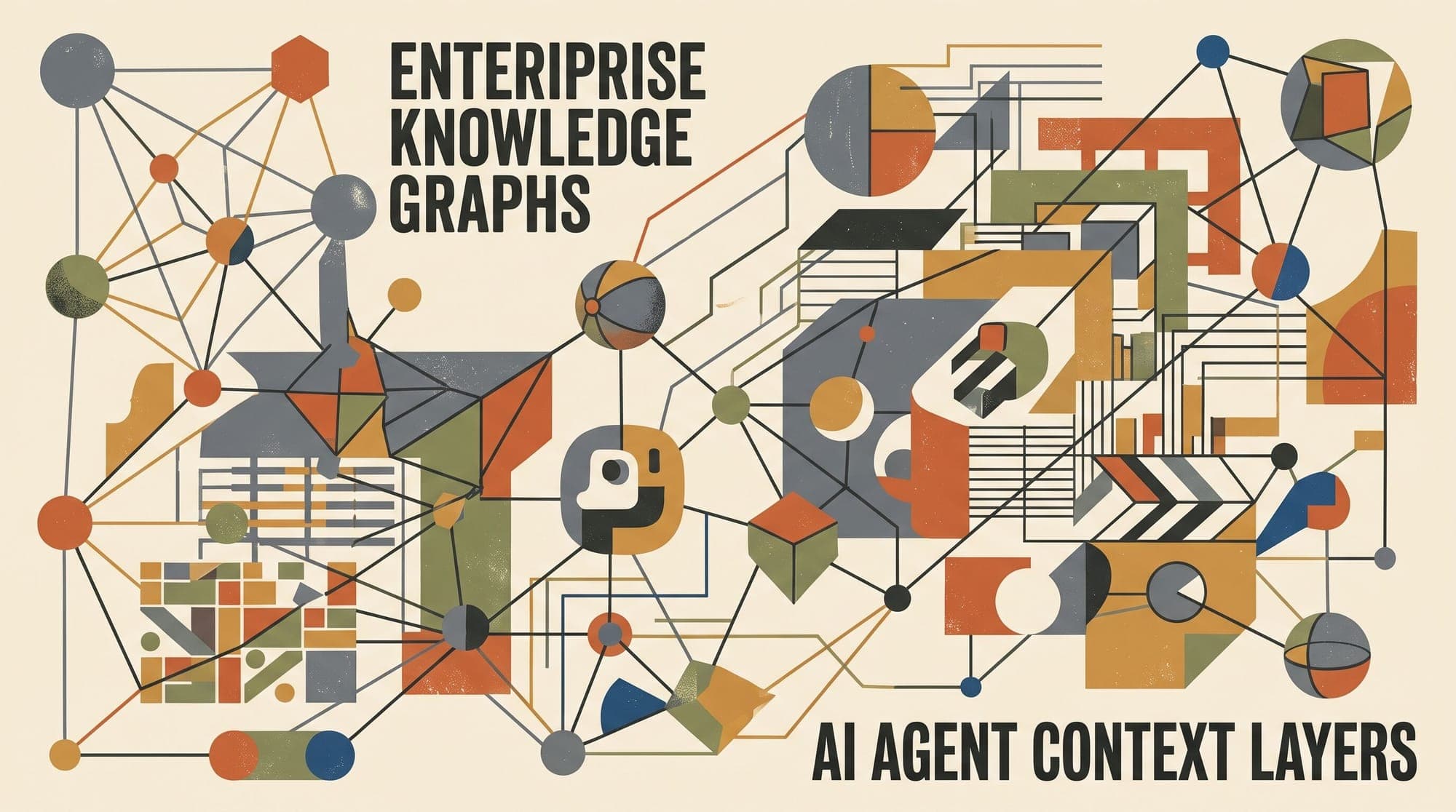
  5. Prevalent AI Secures $22M Growth Round to Build Knowledge Graph Context Layer for AI Agents

    London-based enterprise data architecture startup Prevalent AI has secured $22 million in growth capital from Integrity Growth Partners (IGP). The investment represents the first primary institutional capital raised by the company since its founding in 2017. Prevalent AI was co-founded by CEO Paul Stokes and COO Arun Raj, both alumni of the UK’s Government Communications Headquarters (GCHQ). The company had previously operated as a bootstrapped, profitable business focused on resolving complex

    AI
    2 min read
  6. U.S. Agencies Warn Attackers Are Using AI to Generate Industrial Control Exploits

    A joint cybersecurity advisory released by the Cybersecurity and Infrastructure Security Agency (CISA), the National Security Agency (NSA), and the Federal Bureau of Investigation (FBI) warns that threat actors are actively leveraging generative AI to develop functional exploit scripts targeting industrial control systems (ICS). The joint advisory highlights attacks targeting Siemens S7 programmable logic controllers (PLCs), critical hardware widely deployed in energy, water treatment, chemical

    AI
    2 min read
  7. Ramp Launches Router.com Model Gateway with Free Routing Through 2026

    Corporate spend management company Ramp has launched Router.com, a unified AI gateway designed to dynamically direct model inference requests to the lowest-cost model that satisfies a developer's performance requirements. The service, unveiled on August 19, 2026, enters general availability with zero routing fees through 2026, charging customers only standard list prices for consumed tokens and offering $26 in starting credits. Ramp, which oversees more than $200 billion in annual transaction v

    AI
    2 min read
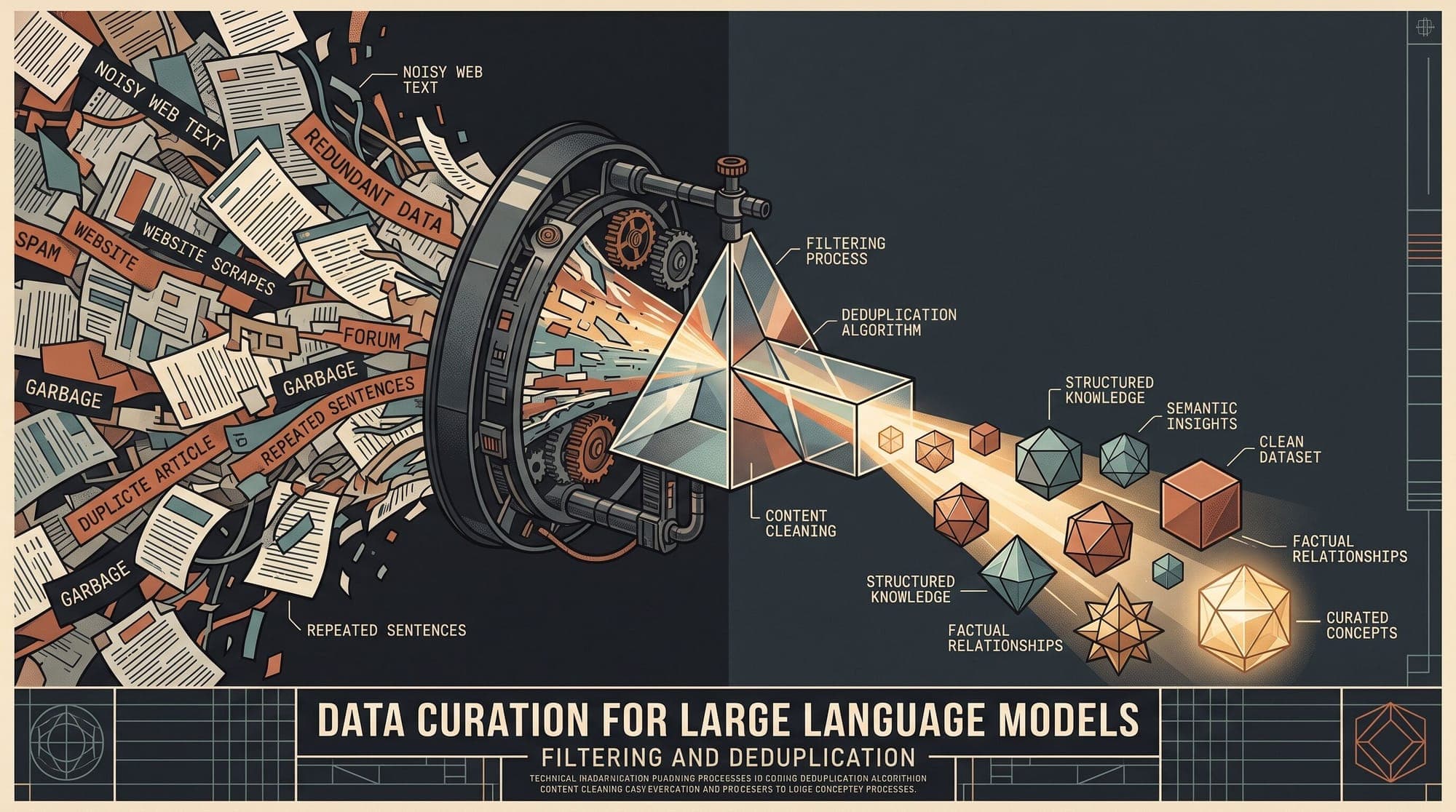
  8. Data Filtering and Deduplication in Large Language Models: How Heuristics, MinHash LSH, SemDeDup, and Quality Classifiers Curate Pre-Training Corpora

    Data Filtering and Deduplication in Large Language Models: How Heuristics, MinHash LSH, SemDeDup, and Quality Classifiers Curate Pre-Training Corpora Pre-training data quality governs the downstream reasoning, factual accuracy, and sample efficiency of foundation large language models (LLMs). While early pre-training efforts relied on uncurated or lightly processed dumps from web repositories like Common Crawl, modern state-of-the-art models depend on multi-stage data curation pipelines that fi

    AI
    10 min read
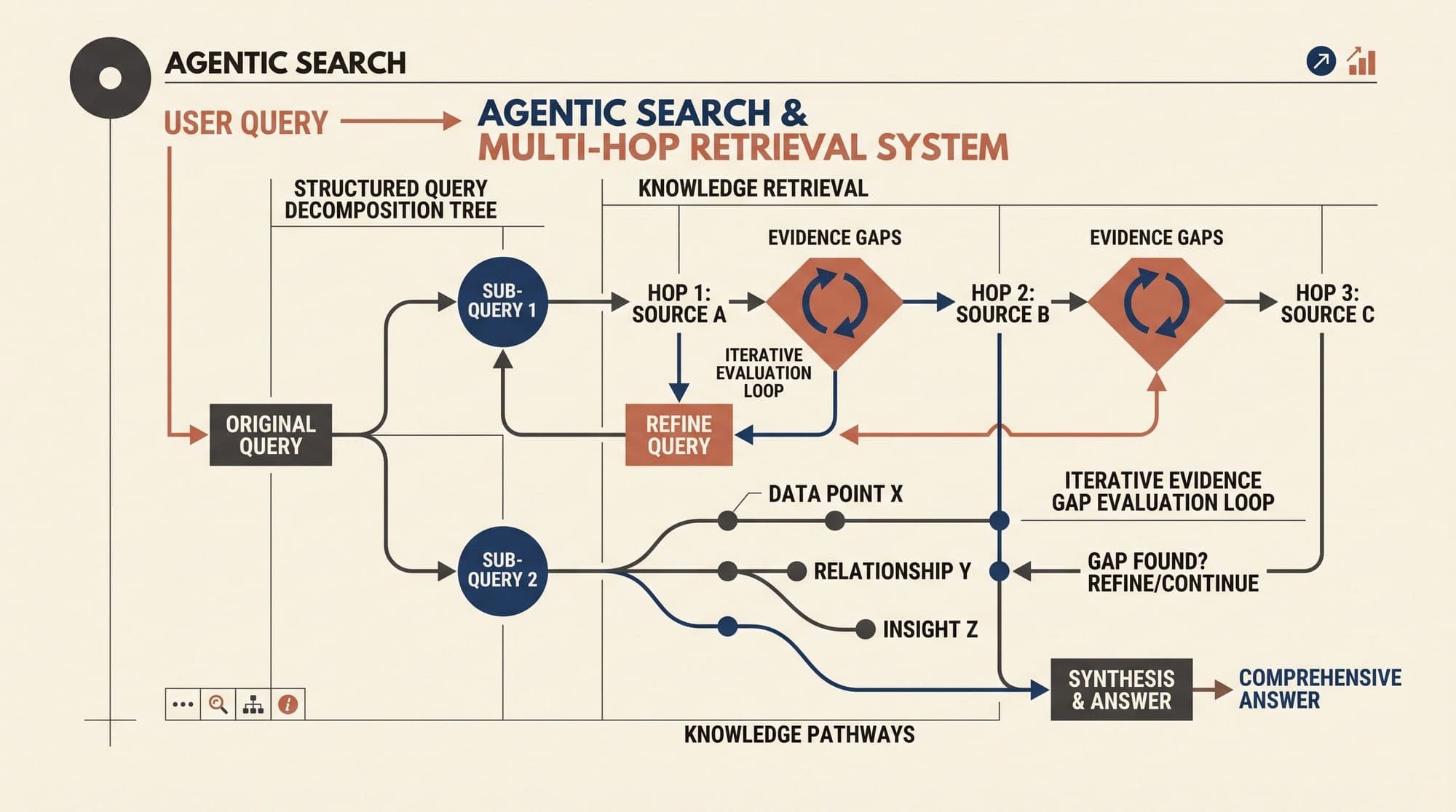
  9. Agentic Search and Multi-Hop Retrieval in Production: Query Decomposition, Evidence-Gap Loops, and Synthesis Architecture

    Standard retrieval-augmented generation (RAG) relies on a single-pass paradigm: an incoming prompt is embedded, matched against a vector or hybrid index, and the top-k passages are injected into the generator's context window. This linear workflow functions reliably for direct fact retrieval, but it breaks down on complex research tasks. When a query requires chained dependencies, comparative analysis across isolated documents, or multi-step reasoning, single-shot retrieval fails because the req

    AI
    5 min read
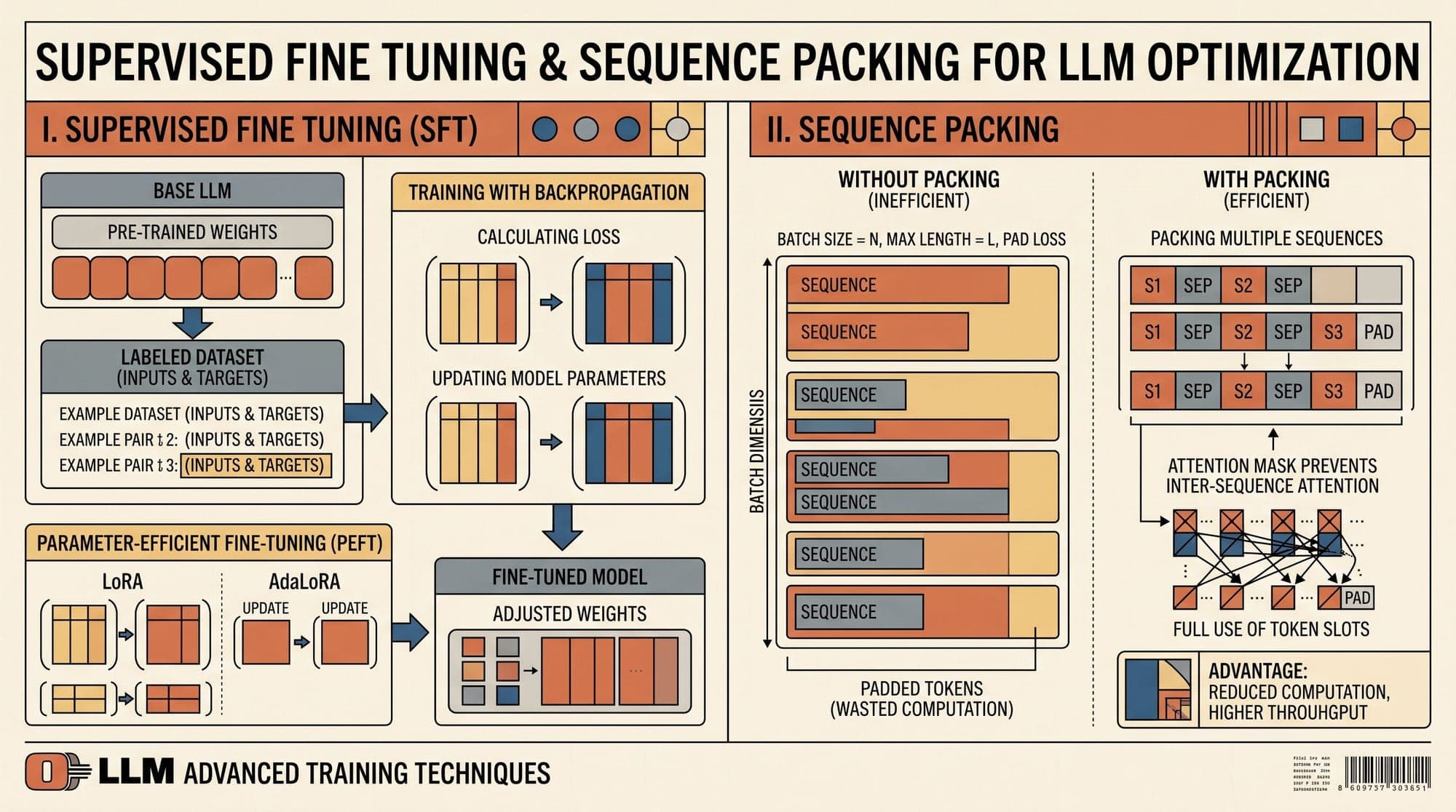
  10. Supervised Fine-Tuning in Large Language Models: Loss Masking, Sequence Packing, and Alignment Dynamics

    Pre-training endows a large language model with broad linguistic patterns, world knowledge, and reasoning primitives by predicting the next token across trillions of uncurated web tokens. However, a raw base model remains a document completer rather than an interactive assistant. Given a prompt such as "Explain how a compiler works," a base model is as likely to generate additional exam questions or web navigation headers as it is to answer the query. Supervised Fine-Tuning (SFT), frequently te

    AI
    7 min read