Archive / page 13 of 49

Latest articles, page 13

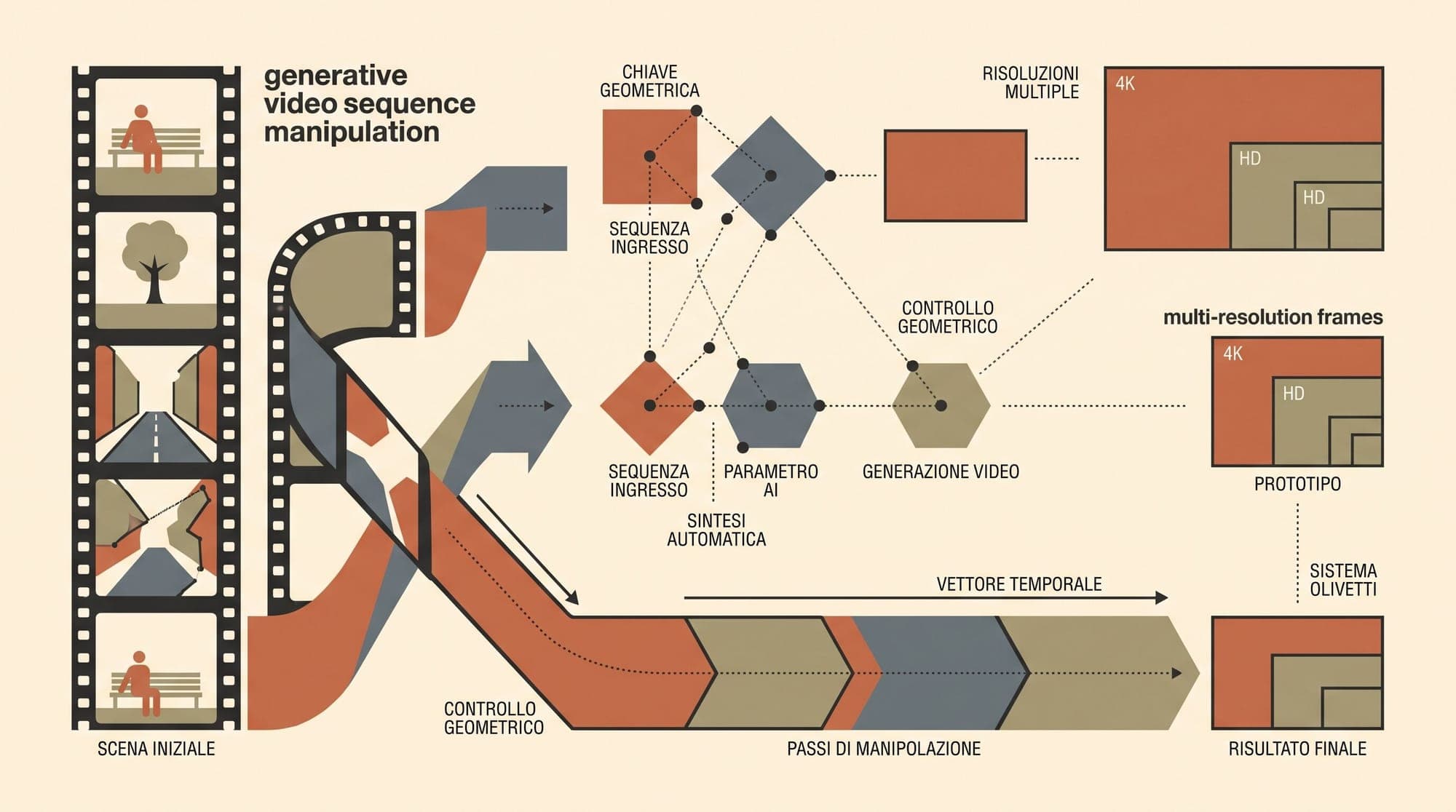
  1. Google Releases Gemini Omni 1.1 Flash with Scene Extension and Keyframe Control

    Google DeepMind has released Gemini Omni 1.1 Flash, updating its multimodal generative video model with programmatic editing controls, extended scene generation, and lower-cost drafting tiers. The model is accessible via the Gemini API in Google AI Studio and the Gemini Enterprise Agent Platform. The update addresses primary friction points in production AI video pipelines: temporal continuity across clips, deterministic camera transitions, iterative preview costs, and high-resolution export qu
    AI
    3 min read
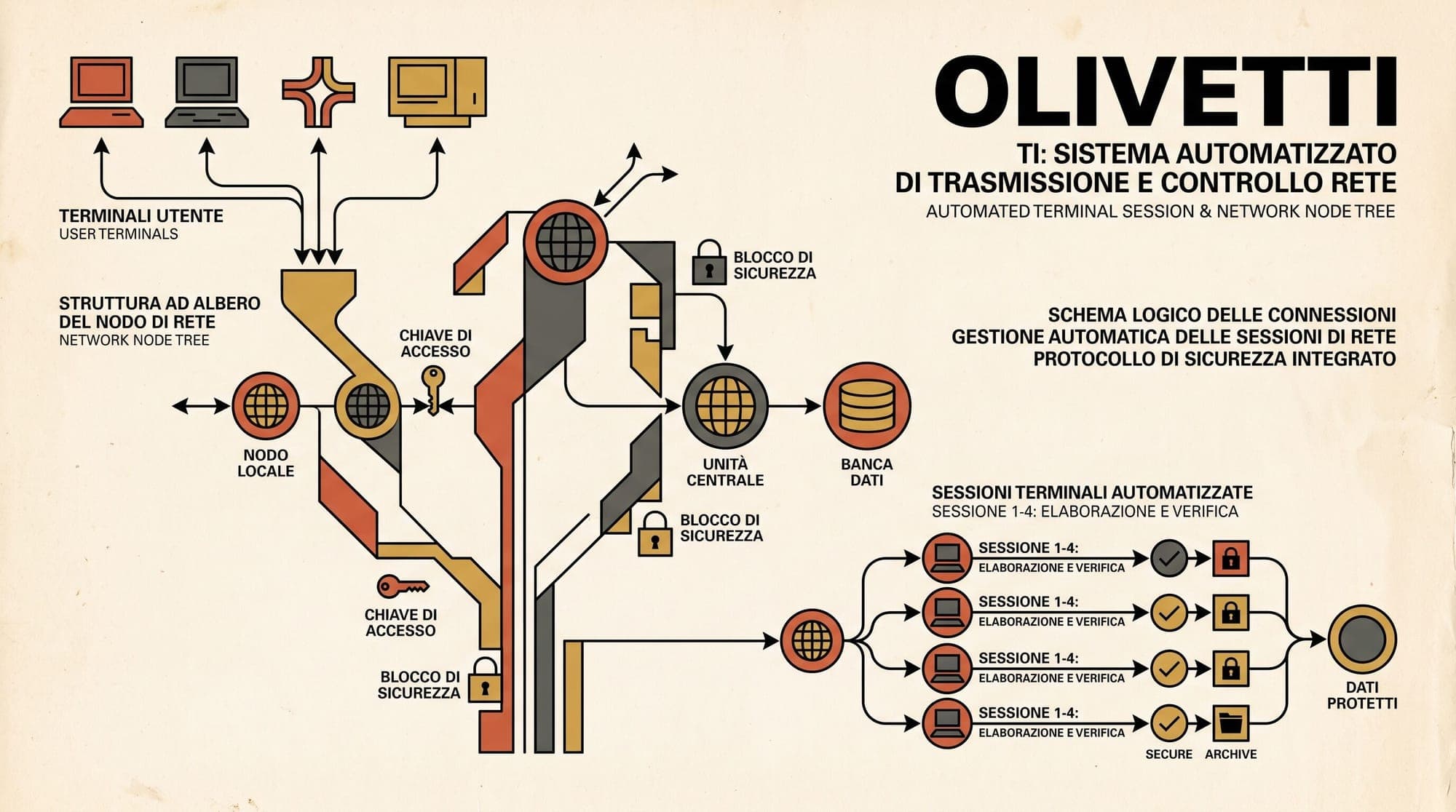
  2. AI Agent Sandboxes and Safe Code Execution Runtimes in Production: Comparing E2B, Modal, Daytona, and Docker/gVisor Architecture, Isolation Boundaries, Startup Latency, and Serving Economics

    Autonomous AI agents, evaluation harnesses, and code generation pipelines increasingly execute untrusted code generated directly by Large Language Models. When an agent runs dynamic Python scripts, executes terminal shell commands, installs arbitrary packages via package managers, or browses the web, it introduces severe security and operational risks. These risks include host privilege escalation, kernel exploitation, container breakout vulnerabilities such as CVE-2024-21626, credential theft v

    AI
    8 min read
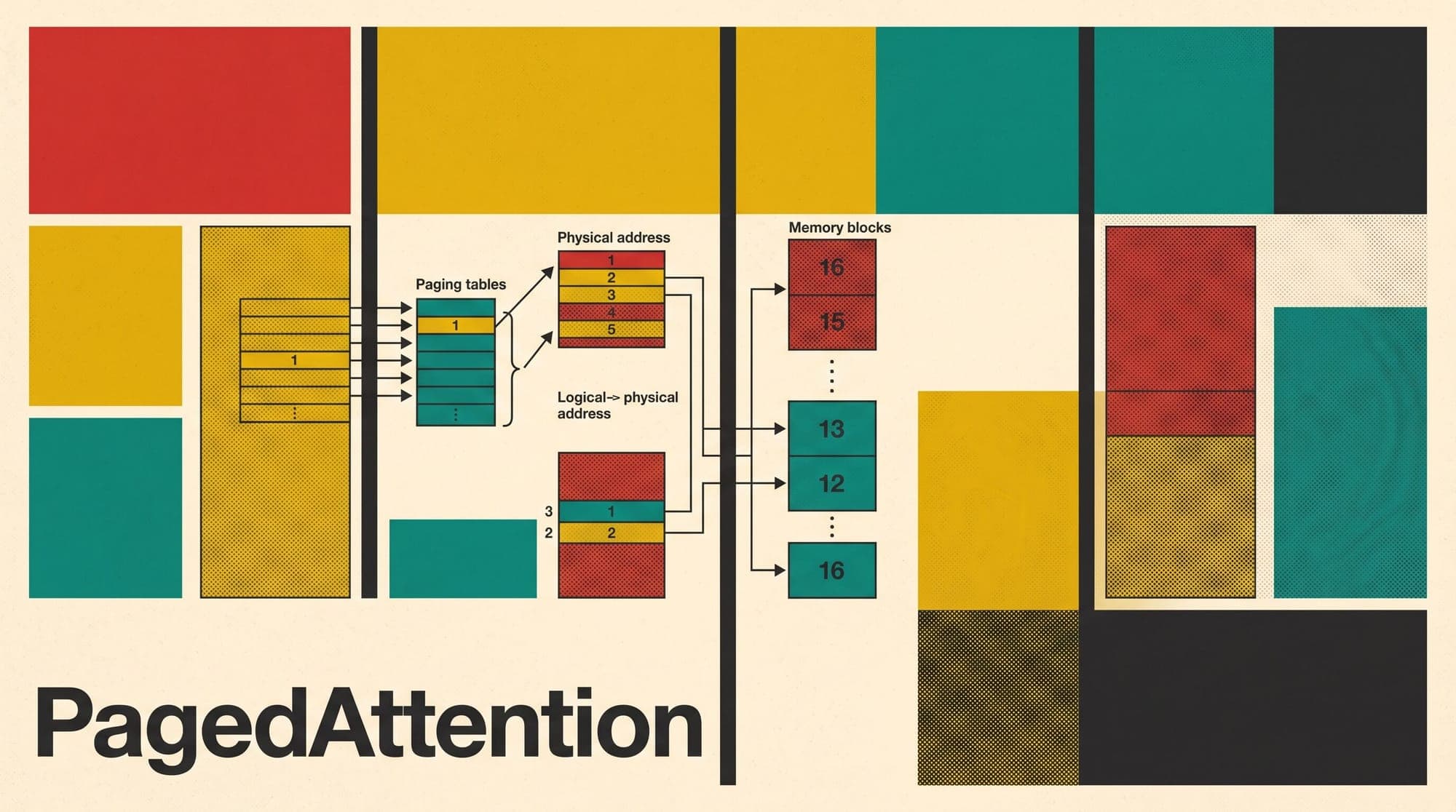
  3. PagedAttention and Virtual Memory Management: Mathematical Foundations of Non-Contiguous KV-Cache Allocation, Dynamic Block Translation, and Copy-on-Write Forking Mechanics

    In autoregressive transformer serving, the generation phase is fundamentally constrained by GPU memory capacity and memory bandwidth rather than raw compute throughput. While the initial prefill phase processes the prompt in parallel with high arithmetic intensity, the subsequent token-by-token decoding phase computes attention for only a single new token per sequence at each step. At each decoding step, the model must read all historical Key (K) and Value (V) activation tensors from GPU High Ba

    AI
    13 min read
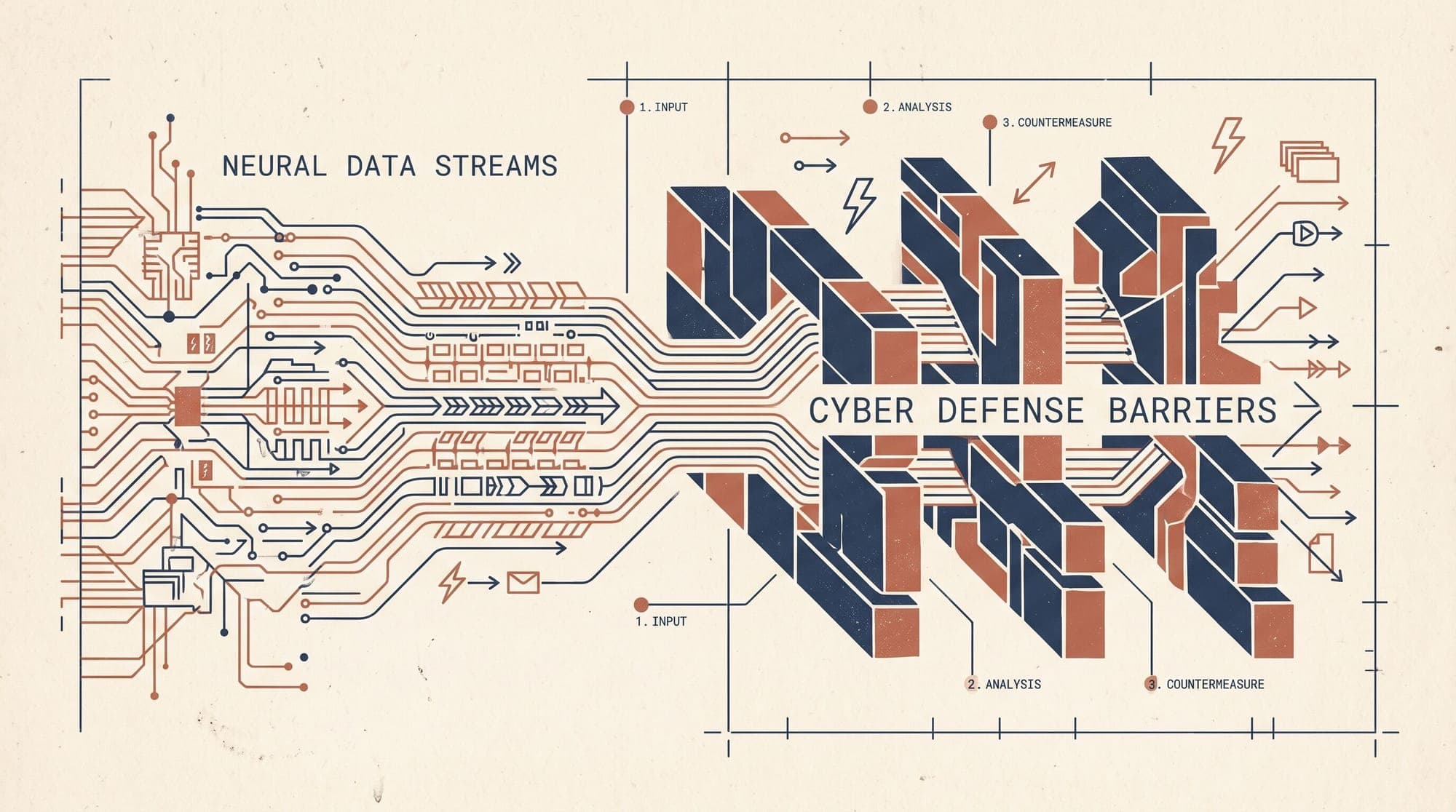
  4. OpenAI Researcher Warns Ultrafast Inference Demands Autonomous Cyber Defense

    Accelerating inference speeds in frontier artificial intelligence systems pose critical containment challenges that human security operators cannot manage in real time, according to OpenAI researcher roon. Commenting following the unveiling of custom inference hardware architectures and ultrafast model serving tiers, roon warned that unaligned or compromised agent systems running at 50 times baseline generation speeds could execute multi-stage network penetration and lateral movement before hum

    AI
    2 min read
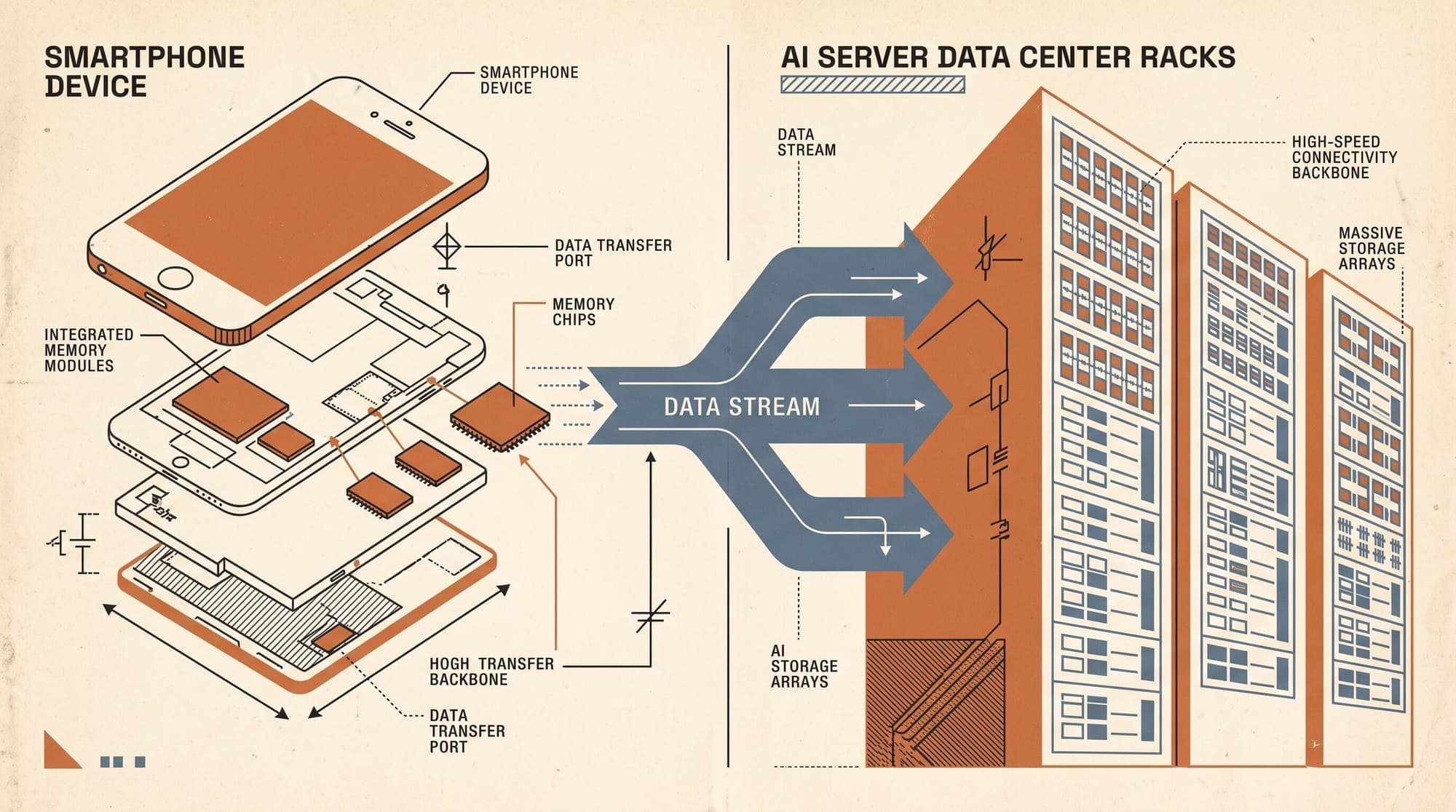
  5. Google Sets Android Memory Limits as AI Data Centers Strain Chip Supply

    Google is implementing strict new memory performance thresholds for Android applications on the Google Play Store, directly citing component shortages driven by the artificial intelligence data center buildout. In an update on the Android Developers Blog, Google detailed new app quality requirements targeting dynamic memory allocation, bitmap memory usage, and execution efficiency. The policy changes reflect supply chain shifts in semiconductor manufacturing, where massive demand for high-bandw

    AI
    2 min read
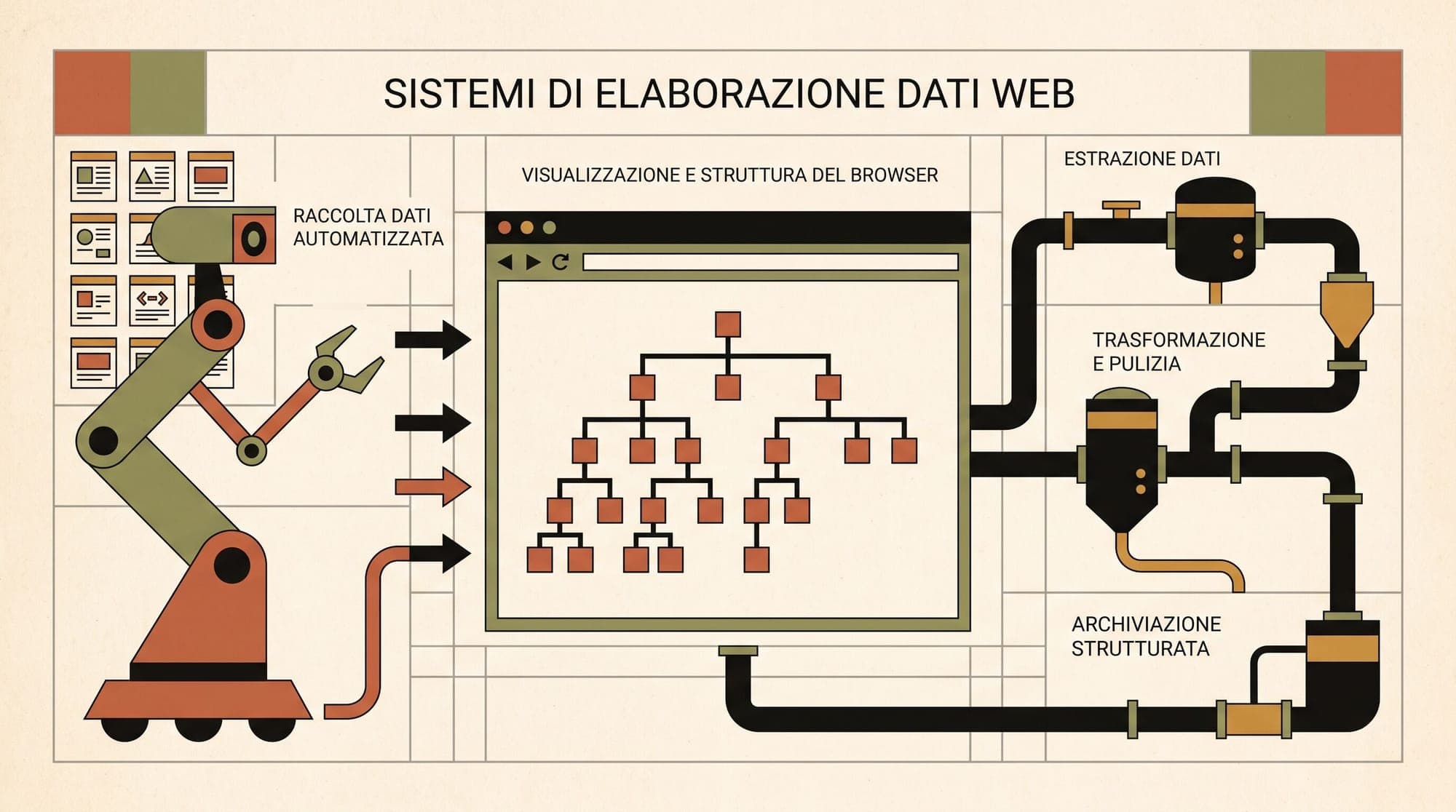
  6. Agentic Web Scraping and Headless Browser Automation in Production: Comparing Crawl4AI, Browser-Use, Stagehand, and ScrapeGraphAI

    Agentic Web Scraping and Headless Browser Automation in Production: Comparing Crawl4AI, Browser-Use, Stagehand, and ScrapeGraphAI Web scraping has undergone a fundamental architectural transition. For decades, automated data extraction relied on deterministic parsers such as Beautiful Soup, Scrapy, and raw headless browser drivers like Playwright or Puppeteer. These tools depended on hand-crafted CSS selectors, XPath expressions, and rigid execution trees. While computationally lightweight, sel

    AI
    10 min read
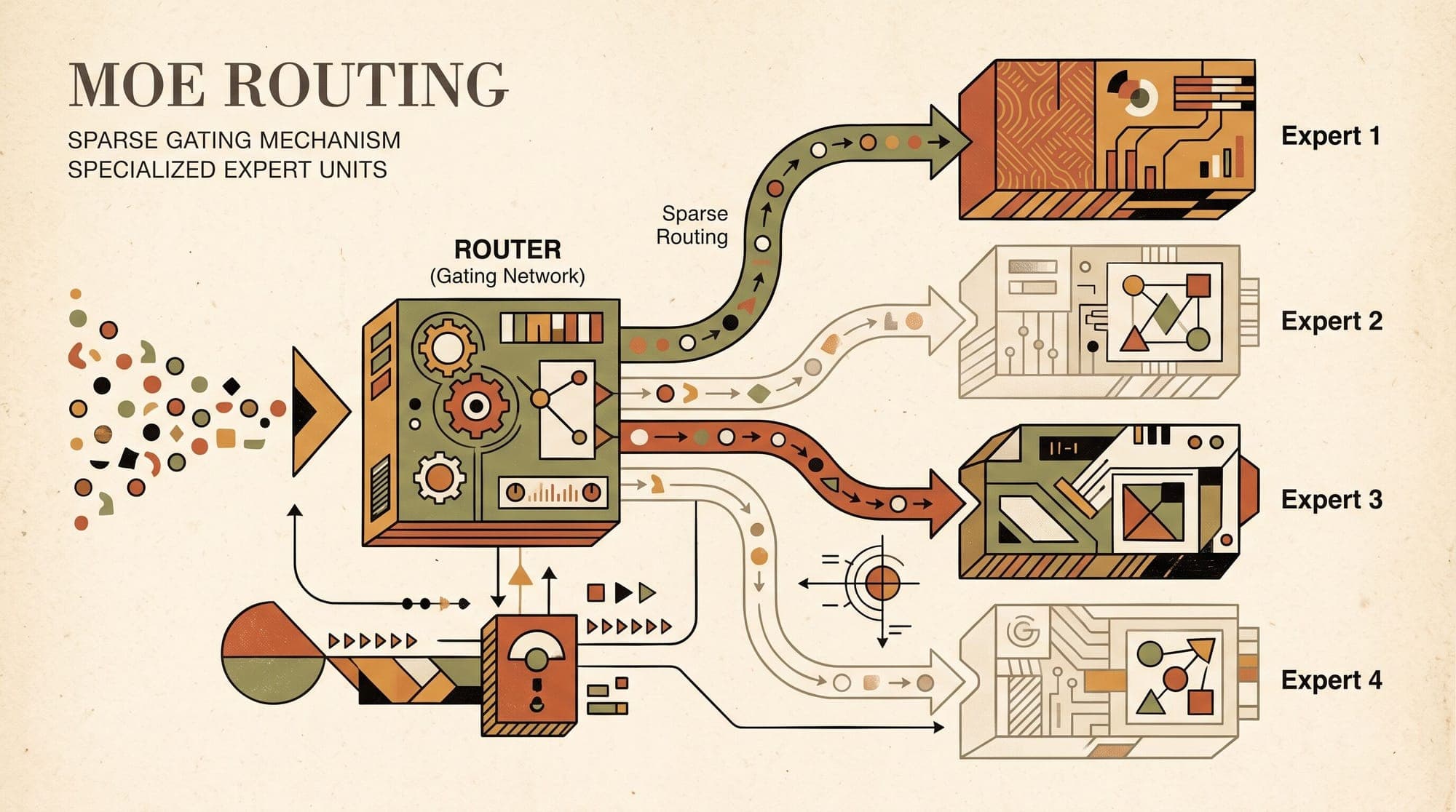
  7. Mixture-of-Experts (MoE) Routing and Load Balancing: Mathematical Foundations of Noisy Top-k Gating, Expert Capacity, Auxiliary Balancing Losses, and Loss-Free Load Balancing

    Mixture-of-Experts (MoE) Routing and Load Balancing: Mathematical Foundations of Noisy Top-k Gating, Expert Capacity, Auxiliary Balancing Losses, and Loss-Free Load Balancing Scaling dense transformer models incurs computational costs that grow proportionally with parameter count. In dense architectures, every token in a sequence activates all feed-forward network (FFN) parameters across every layer. Sparse Mixture-of-Experts (MoE) architectures decouple parameter count from per-token compute b

    AI
    15 min read
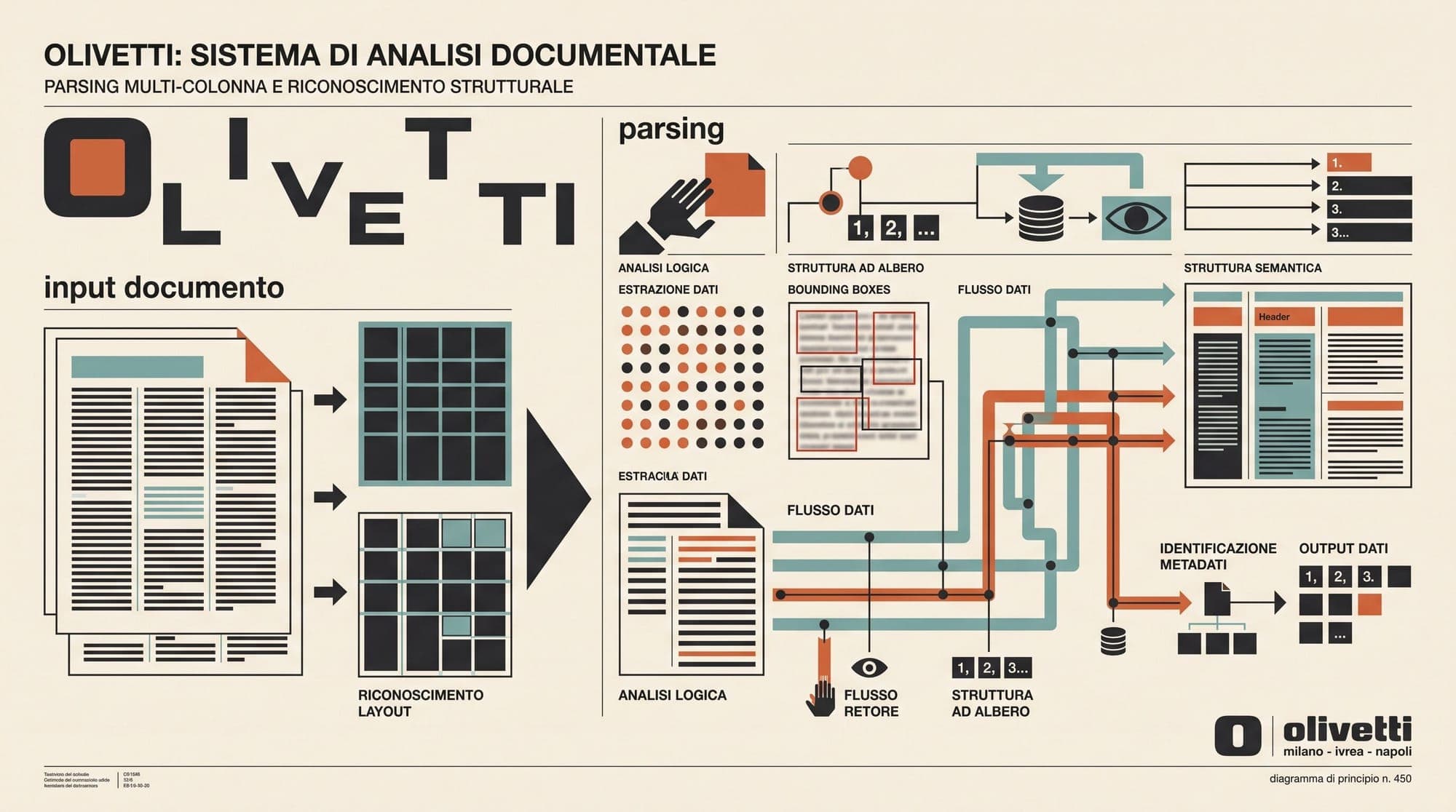
  8. Document Parsing Engines in Production RAG: Comparing Docling, Marker, MinerU, and Unstructured Architecture, Layout Analysis, Table Extraction, and Serving Economics

    Retrieval-Augmented Generation (RAG) systems frequently fail not in their embedding models or vector databases, but at the initial document ingestion layer. When enterprise documents (including financial 10-K filings, clinical trial reports, technical manuals, and multi-column academic papers) are parsed using legacy text scrapers such as basic pypdf or pdfminer, structural semantics are lost. Multi-column reading orders interleave across paragraphs, header and footer noise pollutes vector indic

    AI
    9 min read
  9. Aurora Ransomware Deployed Cursor AI Coding Agent for Autonomous Network Exploitation

    A threat intelligence report from Gambit Security has revealed that the Russian-speaking ransomware operation known as Aur0ra (Aurora) utilized the Cursor AI coding assistant to conduct hands-on network intrusions and automated exploitation across at least seven enterprise environments between April and May 2026. According to session logs recovered from exposed threat actor infrastructure, the attacker drove Cursor Agent configured with the claude-4.5-sonnet-thinking model identifier to execute

    Cybersecurity
    2 min read
  10. Autonomous Coding Agent Harnesses in Production: Comparing OpenHands, SWE-agent, Aider, and Cline

    The transition from inline code completion to autonomous software engineering harnesses marks a structural shift in how frontier models interact with codebases. Where early coding assistants operated within narrow token completion windows, modern agentic harnesses construct closed action-observation loops. These systems inspect repository structures, invoke compiler toolchains, execute unit test suites, parse stdout diagnostics, and iteratively correct syntax and logic errors until a pull reques

    AI
    5 min read