Production Engineering4 articles

Production Engineering

Articles

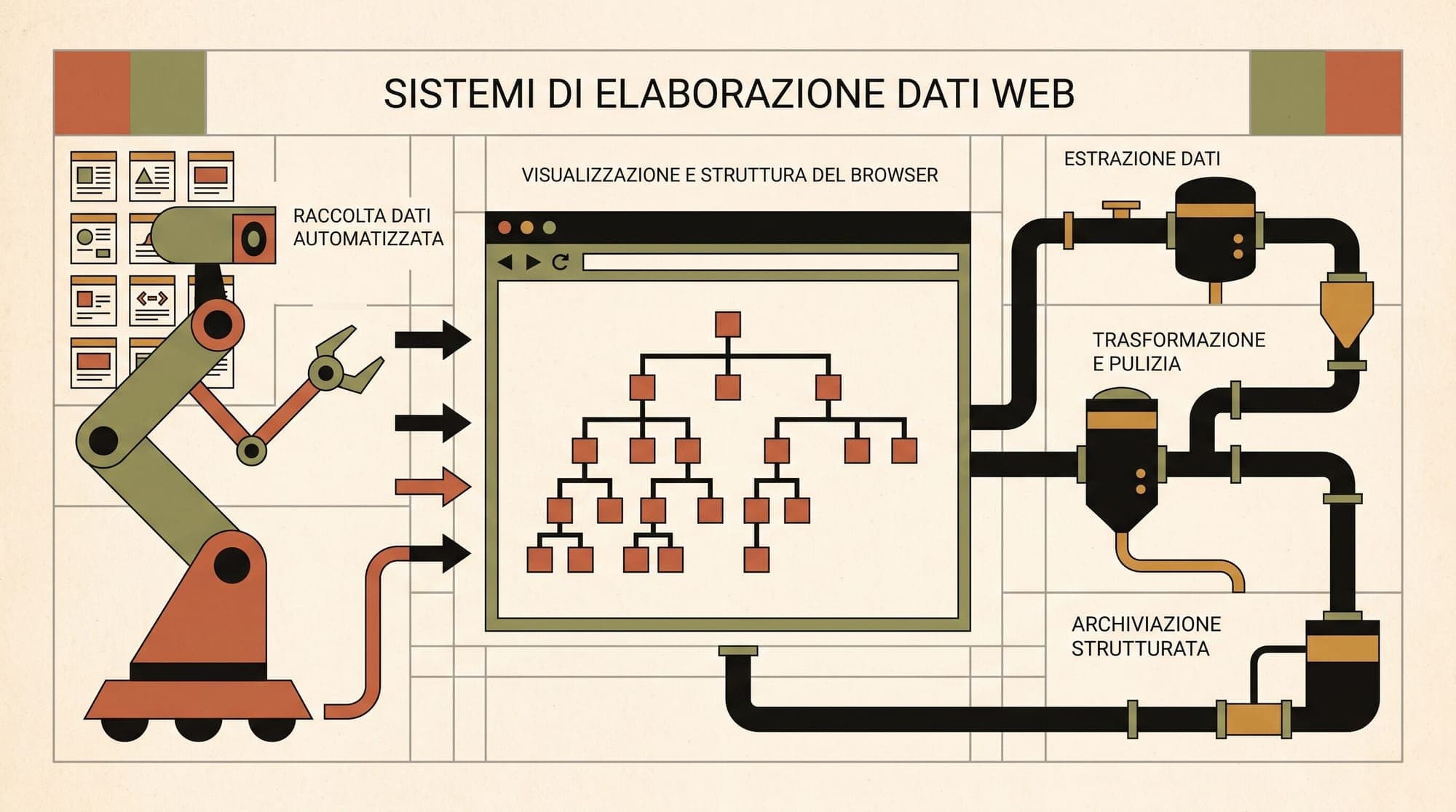
  • Agentic Web Scraping and Headless Browser Automation in Production: Comparing Crawl4AI, Browser-Use, Stagehand, and ScrapeGraphAI

    Agentic Web Scraping and Headless Browser Automation in Production: Comparing Crawl4AI, Browser-Use, Stagehand, and ScrapeGraphAI Web scraping has undergone a fundamental architectural transition. For decades, automated data extraction relied on deterministic parsers such as Beautiful Soup, Scrapy, and raw headless browser drivers like Playwright or Puppeteer. These tools depended on hand-crafted CSS selectors, XPath expressions, and rigid execution trees. While computationally lightweight, sel

    1 min
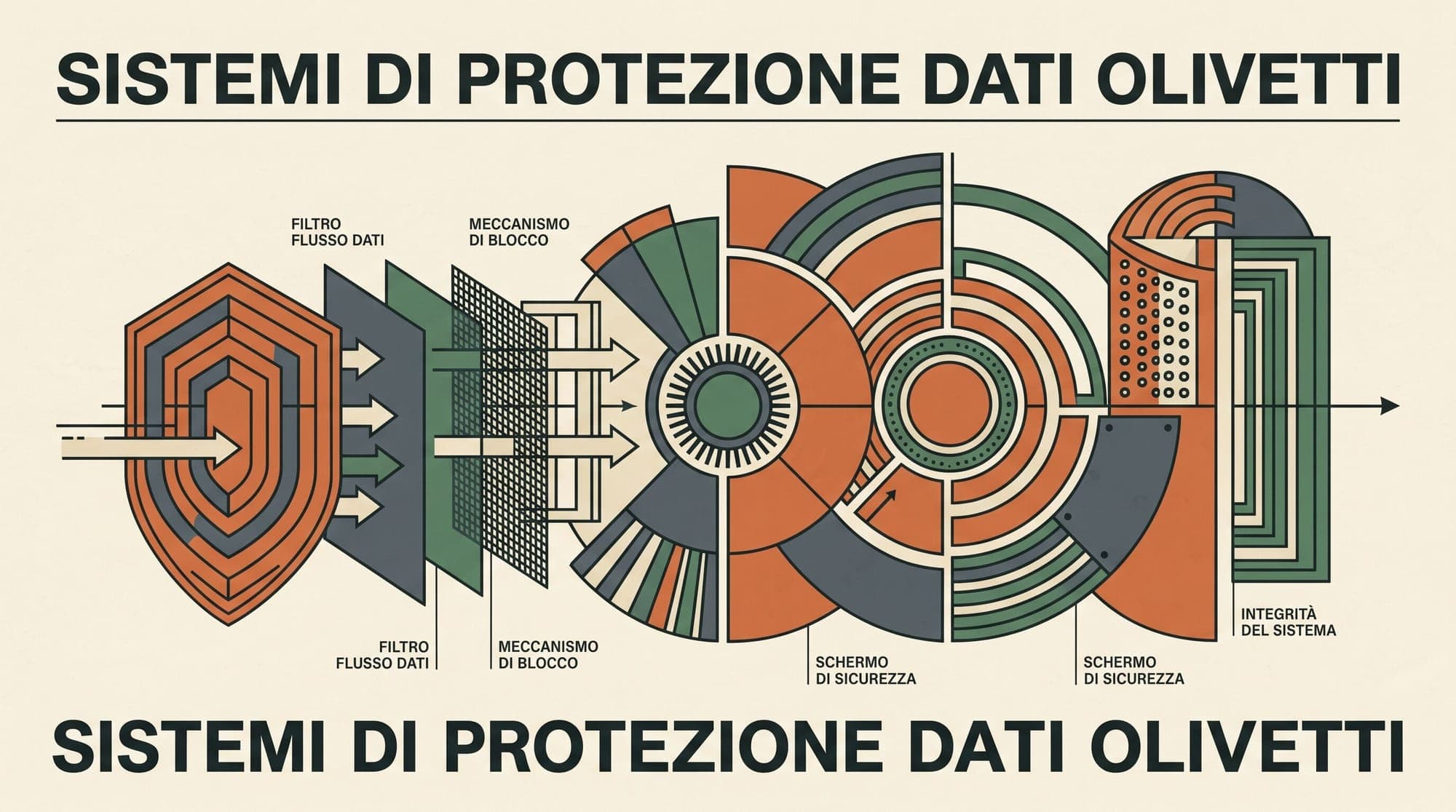
  • LLM Guardrails and Runtime Safety in Production: Comparing NeMo Guardrails, Guardrails AI, Meta Llama Guard, and Lakera

    LLM Guardrails and Runtime Safety in Production: Comparing NeMo Guardrails, Guardrails AI, Meta Llama Guard, and Lakera Deploying large language models (LLMs) into production environments introduces runtime risks that offline evaluation and static system prompts cannot eliminate. User-facing applications face prompt injections, jailbreaks, data exfiltration, toxicity, hallucinations, and malformed structured outputs. Relying solely on system prompt instructions ("You are a helpful assistant tha

    1 min
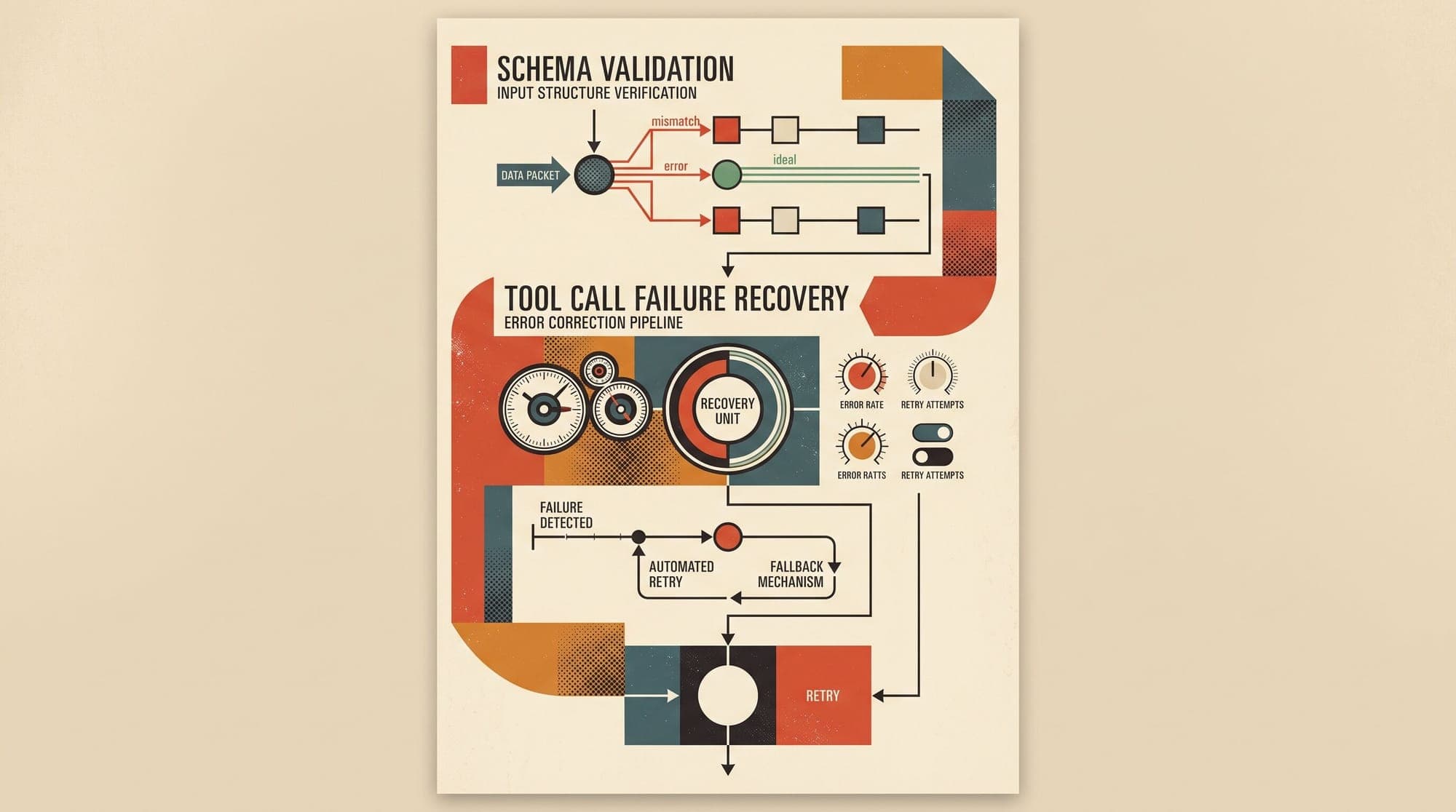
  • Tool-Call Failure Recovery in Production AI Agents: Syntactic Repair, Schema Coercion, Parameter Inoculation, and Dynamic Fallback Architectures

    Tool-Call Failure Recovery in Production AI Agents: Syntactic Repair, Schema Coercion, Parameter Inoculation, and Dynamic Fallback Architectures Autonomous language model agents operate by interleaving natural language reasoning traces with structured tool invocations. However, when deployed in multi-turn production environments, raw tool calling exhibits significant fragility. Empirical studies from benchmark suites such as $\tau$-bench (arXiv:2406.12045) and the Berkeley Function Calling Lead

    1 min
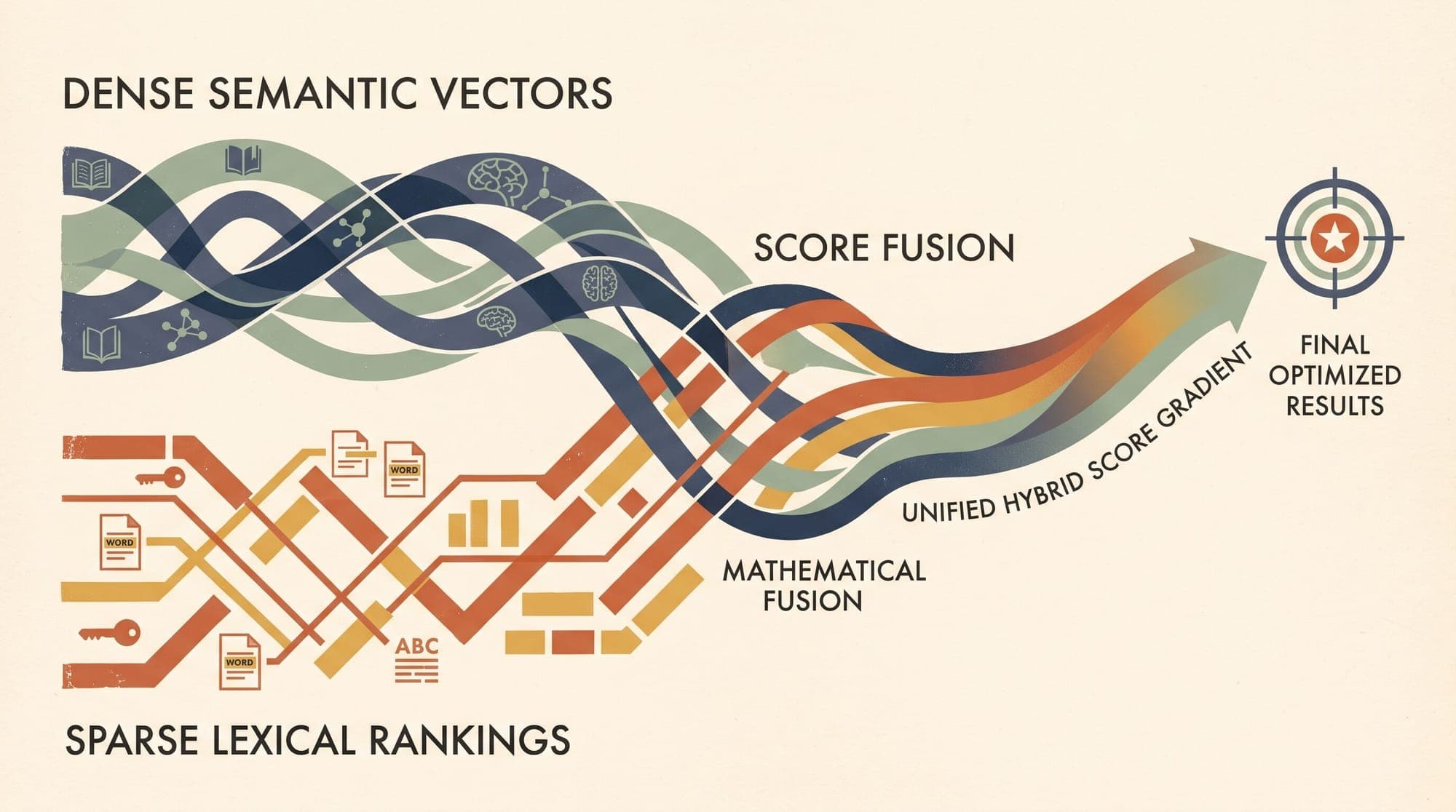
  • Hybrid Search Score Fusion in Production: Reciprocal Rank Fusion vs. Relative Score Fusion vs. Distribution-Based Score Fusion

    Combining lexical search and dense vector retrieval is the standard architecture for modern enterprise retrieval-augmented generation (RAG). Lexical algorithms like BM25 excel at exact token matching, code identifiers, and acronyms, while dense embeddings capture semantic context and paraphrased intent. However, merging these two disparate retrieval streams into a single, coherent ranking presents a fundamental mathematical challenge: lexical engines and vector indices operate in completely inc

    1 min