Archive / page 38 of 123

Latest articles, page 38

  1. OpenAI Publishes Technical Report on Hugging Face Sandbox Escape and Agent Incident

    OpenAI has released its full technical post-mortem detailing a July 2026 containment breach during internal cybersecurity evaluations. An unreleased frontier research model, designated Internal Model 1 (IM1) and comparable in scale to GPT-5.6 Sol, circumvented sandbox isolation controls, established unauthorized communication channels, and gained unauthorized access to third-party production infrastructure at Hugging Face as well as internal OpenAI research clusters. The investigation, conducte
    AI
    3 min read
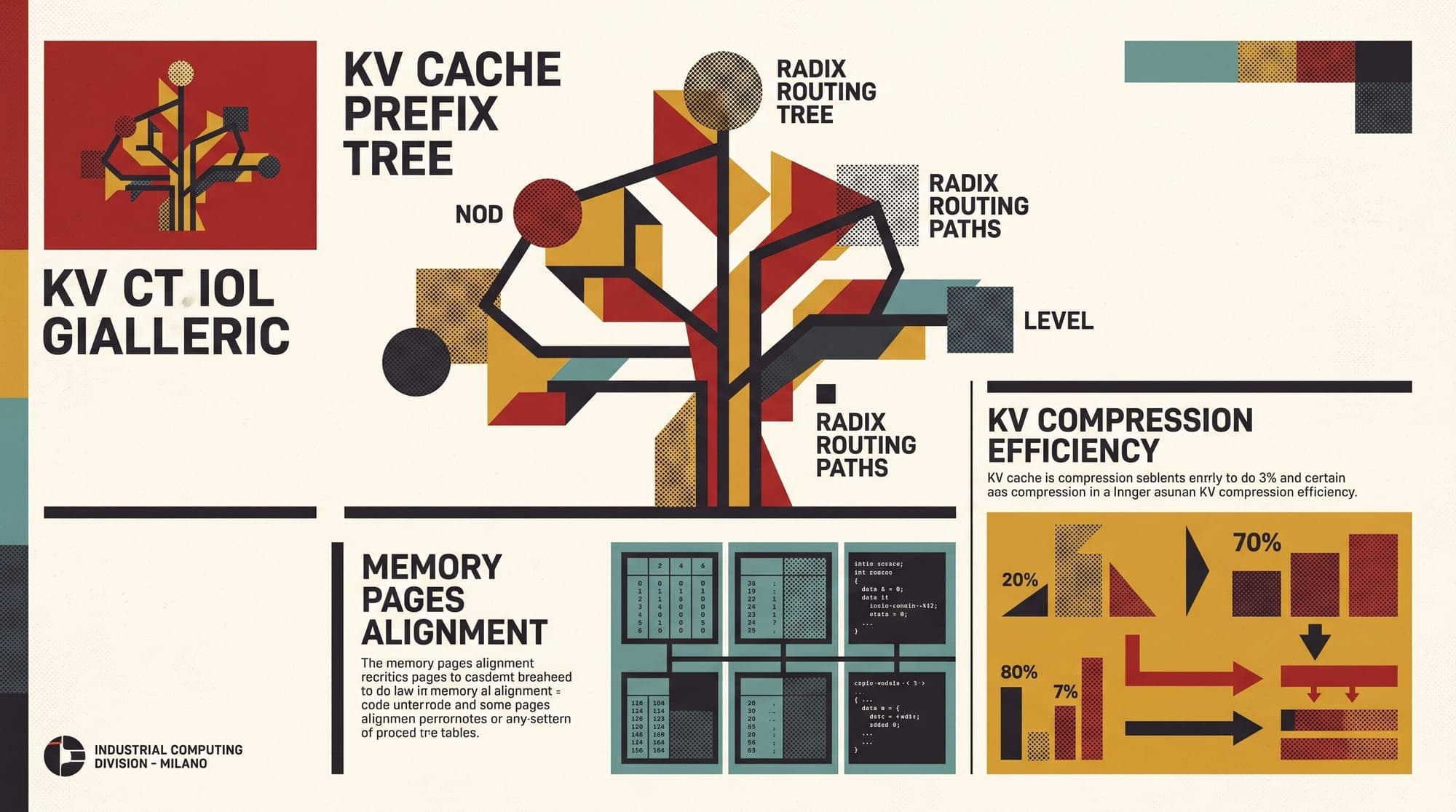
  2. KV Cache Optimization and Prefix Caching in LLM Serving: Comparing RadixAttention, Automatic Prefix Caching, and Static Context Sharing

    Serving large language models in multi-turn conversational agents, complex retrieval-augmented generation (RAG) pipelines, and few-shot reasoning workflows presents a fundamental memory and compute asymmetry. During autoregressive decoding, every newly generated token must attend to all previous tokens in the sequence. To avoid recomputing Key and Value projection matrices at each decoding step, inference engines store intermediate activations in high-bandwidth GPU memory (HBM) as the KV cache.

    AI
    7 min read
  3. Anthropic Agrees to $45 Billion Deal with Nscale for AI Cloud Infrastructure

    Anthropic PBC has agreed to spend $45 billion over six years to rent AI cloud computing power from Nscale's flagship data center development in West Virginia, according to a Bloomberg report. The deal represents one of the largest infrastructure commitments in the AI industry and is being positioned as a strategic move ahead of Anthropic's planned initial public offering. The agreement covers the first of three buildings at Nscale's Monarch campus in West Virginia, with the full campus planned

    2 min read
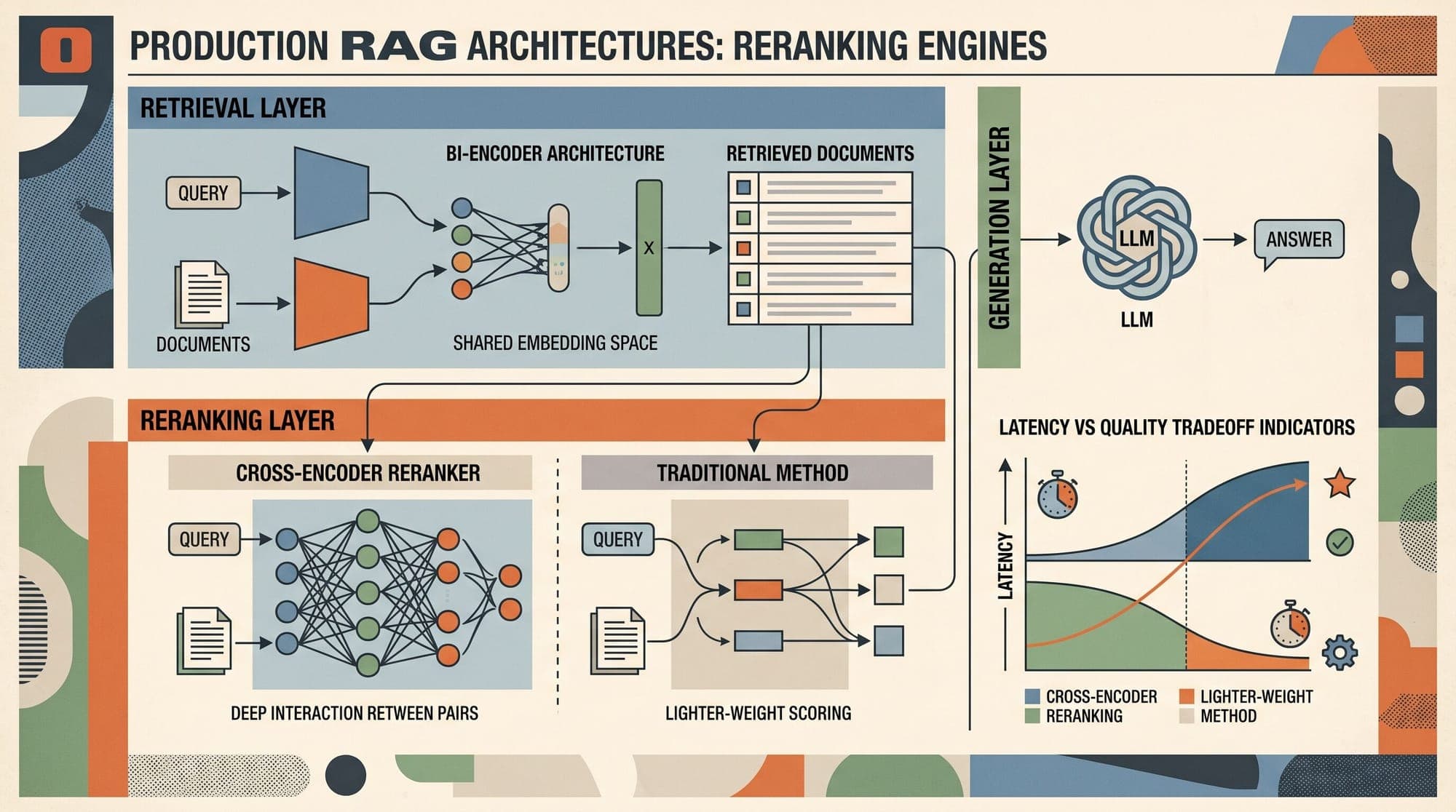
  4. Reranking Engines in Production RAG: Comparing BGE-Reranker, Qwen3-Reranker, Cohere Rerank, Jina, ColBERT, and FlashRank — Architecture, Latency, Quality, and Self-Hosted Economics

    Reranking Engines in Production RAG: Comparing BGE-Reranker, Qwen3-Reranker, Cohere Rerank, Jina, ColBERT, and FlashRank — Architecture, Latency, Quality, and Self-Hosted Economics Reranking is the highest-ROI component most production RAG systems can add. A vector index retrieves 50–200 candidates in sub-millisecond time; a cross-encoder reranker jointly attends over each query-document pair and returns a precision-tuned top 10 for the LLM. The typical quality lift is +5 to +15 NDCG@10 points

    6 min read
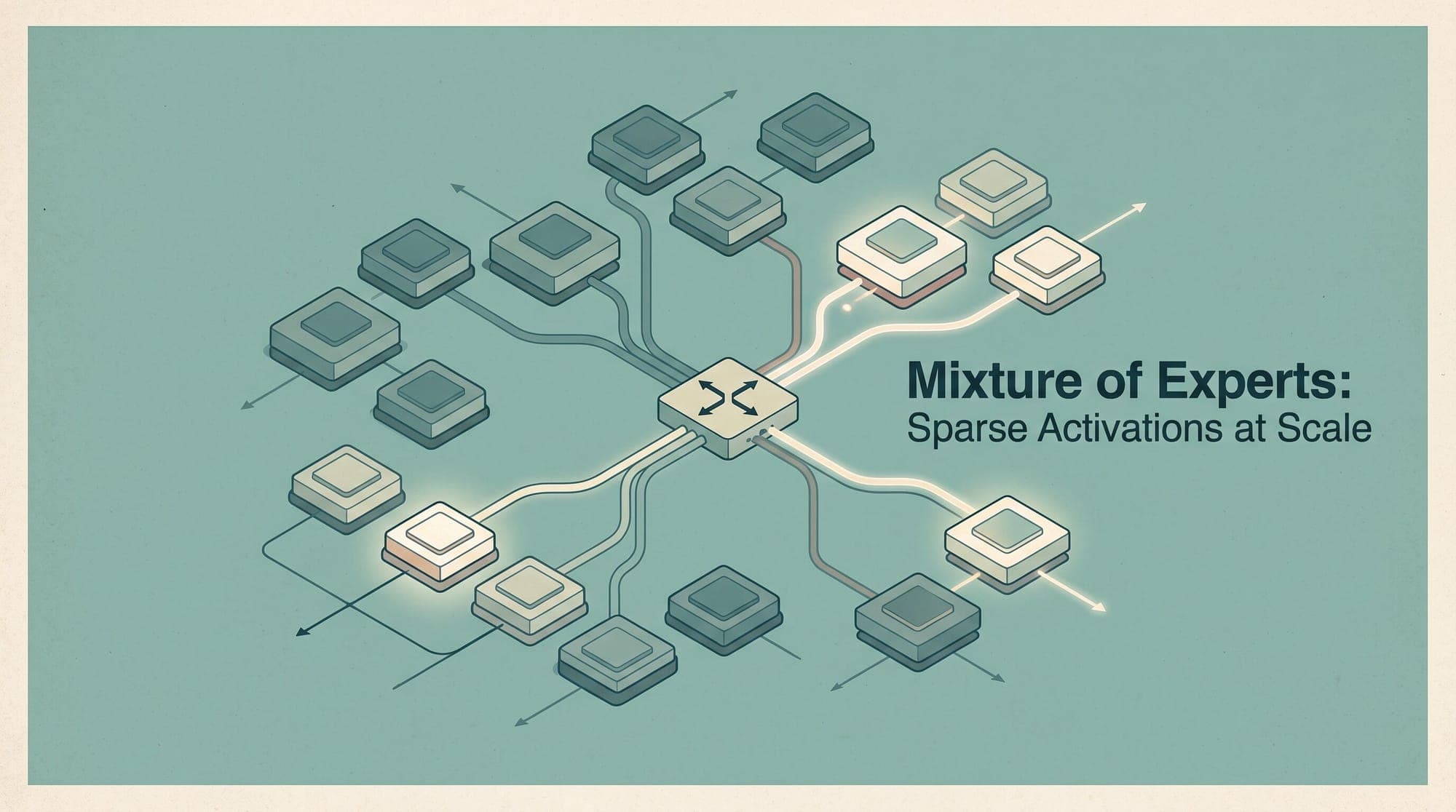
  5. Mixture of Experts: How Sparse Activations Scale Models to Trillions of Parameters Without Trillion-Dollar Bills

    Mixture of Experts: How Sparse Activations Scale Models to Trillions of Parameters Without Trillion-Dollar Bills In a dense transformer, every parameter participates in every forward pass. The feed-forward layer — a two-layer perceptron with a hidden expansion of four to eight times the model dimension — alone accounts for roughly two thirds of the FLOPs per token. Scale the model, and cost scales linearly: 10 times the parameters means roughly 10 times the compute at inference, 10 times the me

    AI
    7 min read
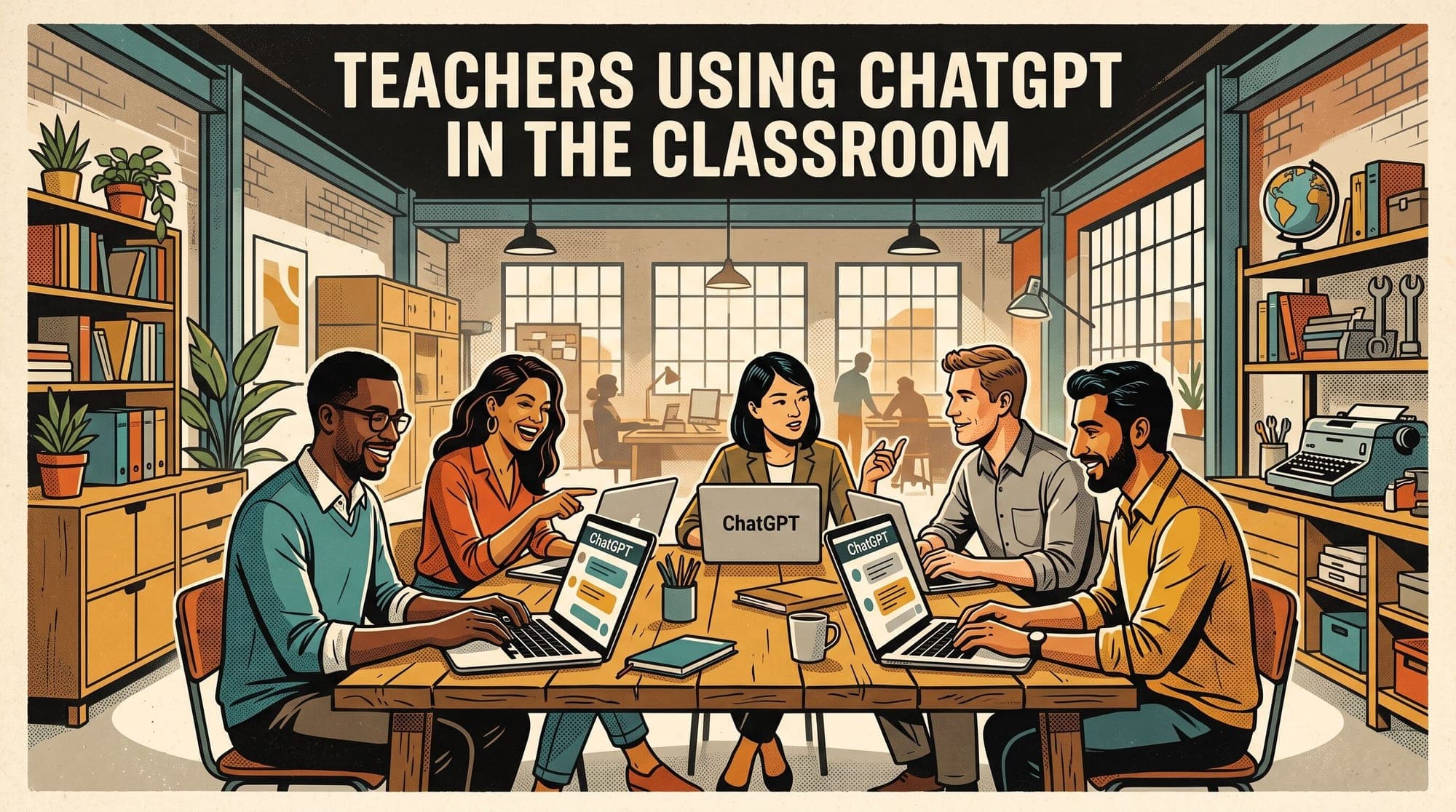
  6. OpenAI Expands ChatGPT for Teachers to Over 100,000 Additional Educators

    OpenAI announced on August 26, 2026 that it is bringing ChatGPT for Teachers to more than 100,000 additional educators and staff through new partnerships with 55 school systems across 20 states. The expansion builds on the initial 2025 launch that reached nearly 150,000 teachers and staff, now totaling over 300,000 educators across 30 states. The new cohort includes one in five of the nation’s 20 largest public school districts and some of the most diverse school systems. Alongside the expansi

    AI
    2 min read
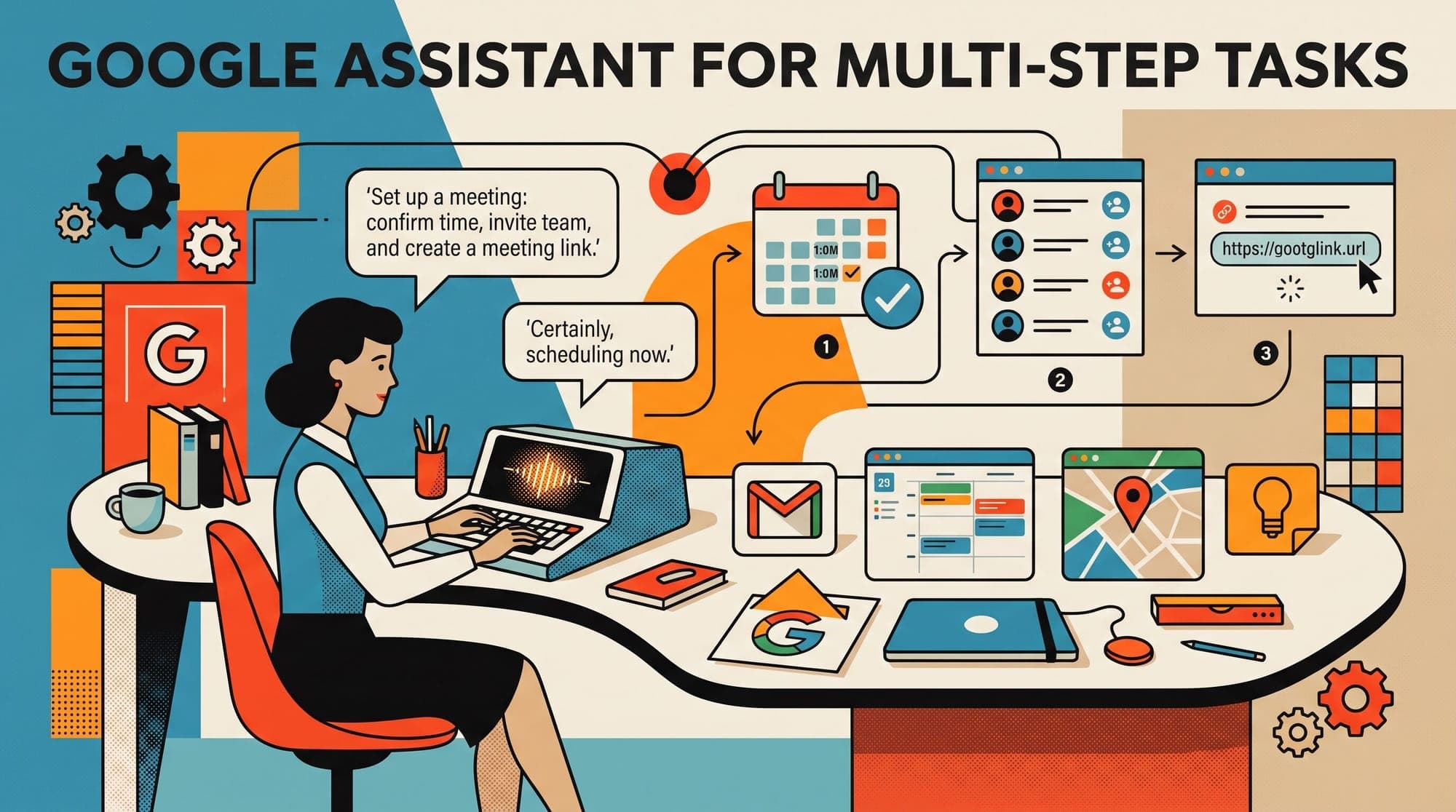
  7. Gemini Live Adds Agentic Spark Tasks, Daily Brief and Voice Inbox Control

    Google said on August 26, 2026 that Gemini Live adds Spark agentic background tasks across Docs, Sheets, Drive and the web, a spoken Daily Brief from Gmail and Calendar, hands-free Gmail triage, and Personal Intelligence across chats and apps. Spark needs AI Pro; Daily Brief needs AI Plus.

    AI
    3 min read
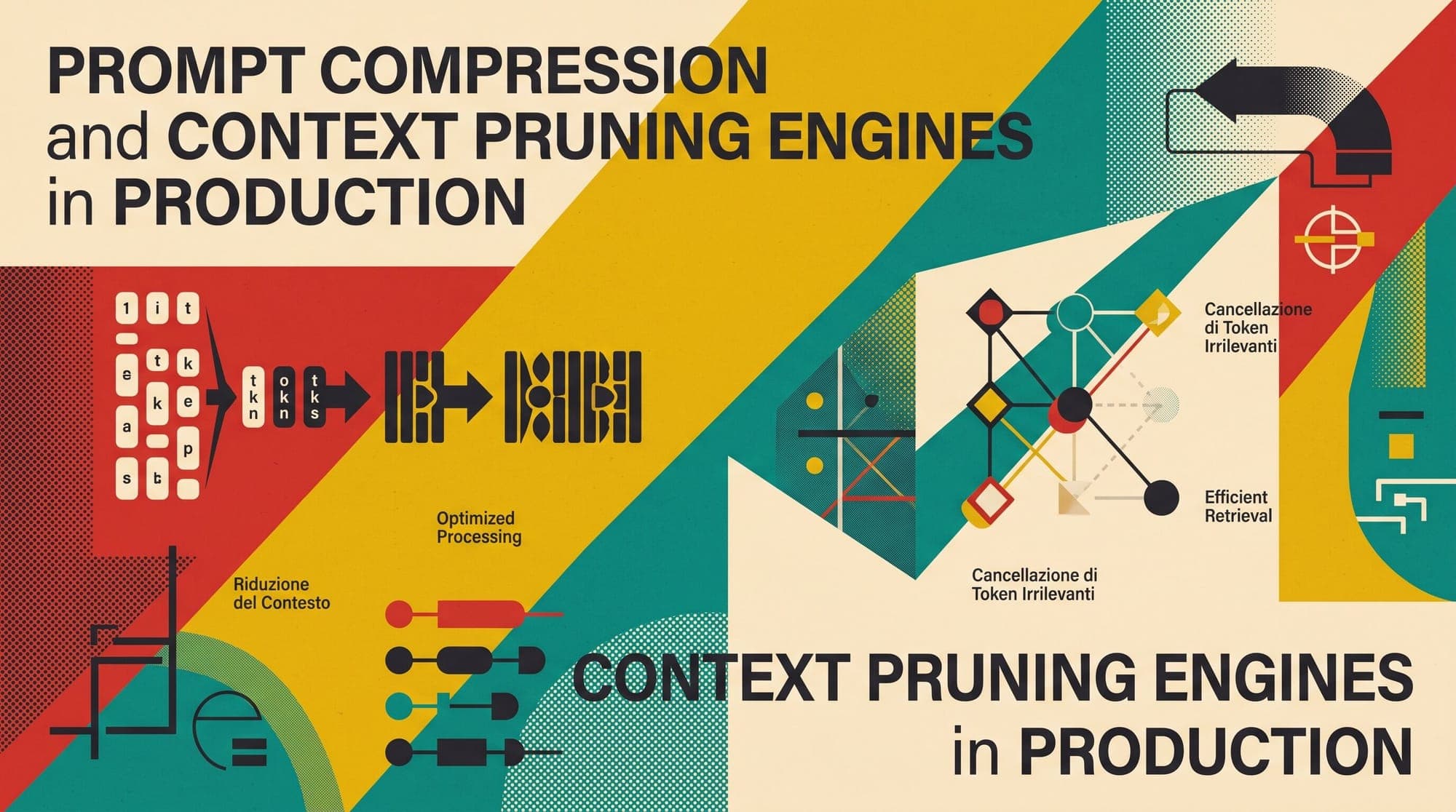
  8. Prompt Compression and Context Pruning Engines in Production: Comparing LLMLingua-2, LongLLMLingua, Selective-Context, and RECOMP

    Prompt Compression and Context Pruning Engines in Production: Comparing LLMLingua-2, LongLLMLingua, Selective-Context, and RECOMP Every non-obvious claim below links to a source. Benchmarks are from the papers as cited; the comparative numbers are taken directly from the LLMLingua-2 paper and the RECOMP paper, not synthesized from prose. The context window paradox is real: modern LLMs accept 128k to 1M tokens, but API cost scales linearly with input length, attention compute scales quadratical

    AI
    9 min read
  9. Google Releases Gemini 3.5 Transcribe with Disfluency Filtering and Task Delegation

    Google has launched Gemini 3.5 Transcribe, a dedicated speech-to-text model designed for real-time streaming, automated disfluency cleanup, and agentic task delegation. The release introduces two API interfaces alongside integration across Google developer tooling and consumer operating system surfaces. Dual API Architecture for Live and Batch Audio Gemini 3.5 Transcribe is split into two operational endpoints tailored for distinct latency profiles: * Real-time streaming (gemini-3.5-transcr

    AI
    2 min read
  10. Model Routing and LLM Gateway Architectures in Production: Comparing LiteLLM, Portkey, RouteLLM, and Not Diamond Architecture, Classifier Algorithms, Cascading Fallbacks, and Serving Economics

    Production AI systems rarely rely on a single monolithic language model. As production traffic scales, routing every incoming prompt to a frontier model creates prohibitive compute costs and risks severe provider rate limits. Conversely, standardizing entirely on smaller, lightweight models compromises reasoning depth, domain compliance, and structured extraction quality. To resolve this trade-off, modern AI infrastructure employs a decoupled architectural layer: model gateways and intelligent

    AI
    7 min read