Archive / page 23 of 49

Latest articles, page 23

  1. Trump Defends AI Data Center Expansion as Local Resistance Grows

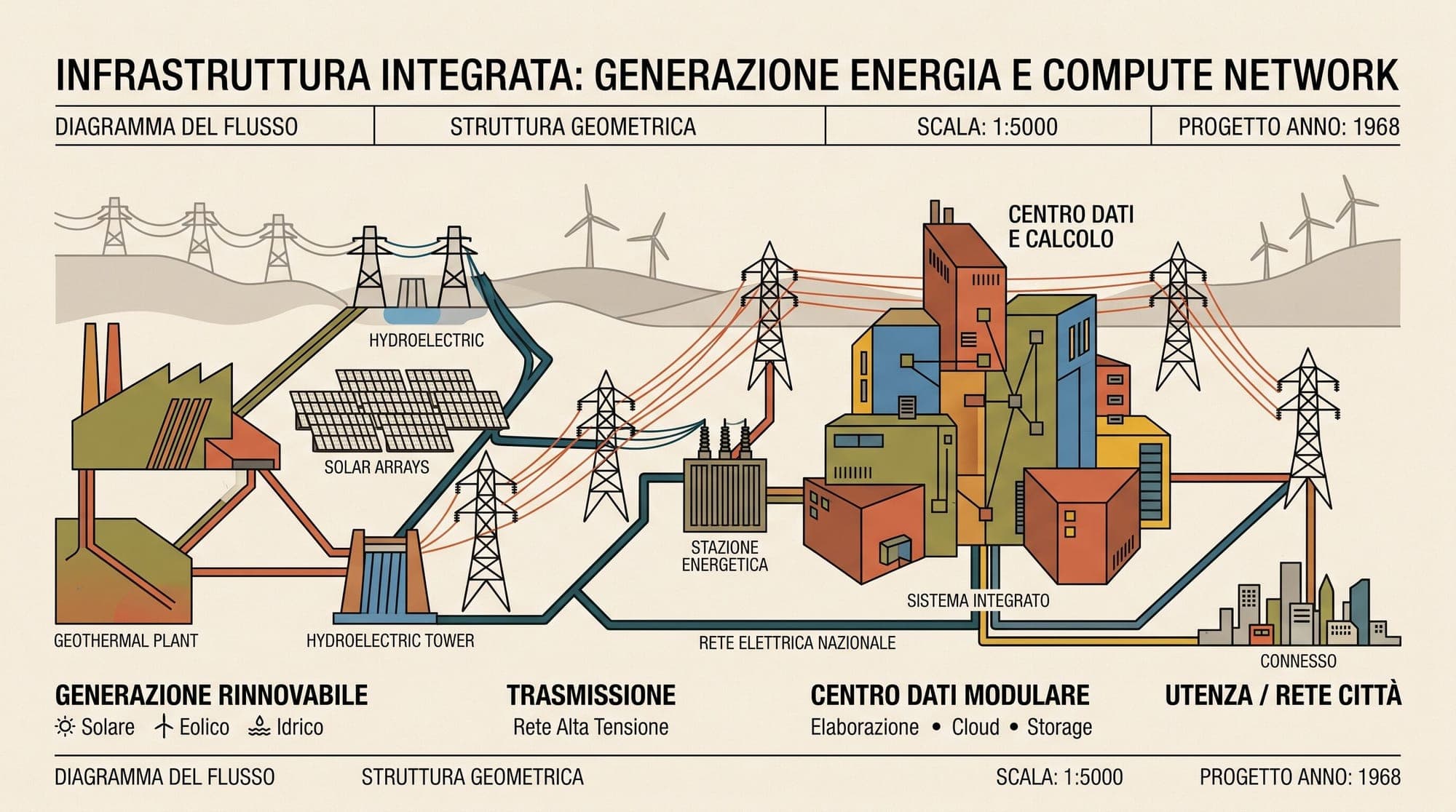
    In a broadcast interview on Sunday, President Donald Trump defended the rapid expansion of artificial intelligence data centers across the United States, characterizing municipal and community opposition to new facilities as a significant economic mistake. Speaking on 77 WABC with Michael Cohen, Trump argued that high-density computing infrastructure provides essential local tax revenue, construction employment, and high-tech economic activity. Addressing concerns regarding regional electricity
    AI
    2 min read
  2. Serving Mixture-of-Experts Models in Production: Architecture, Distributed Parallelism, All-to-All Bottlenecks, and Serving Economics

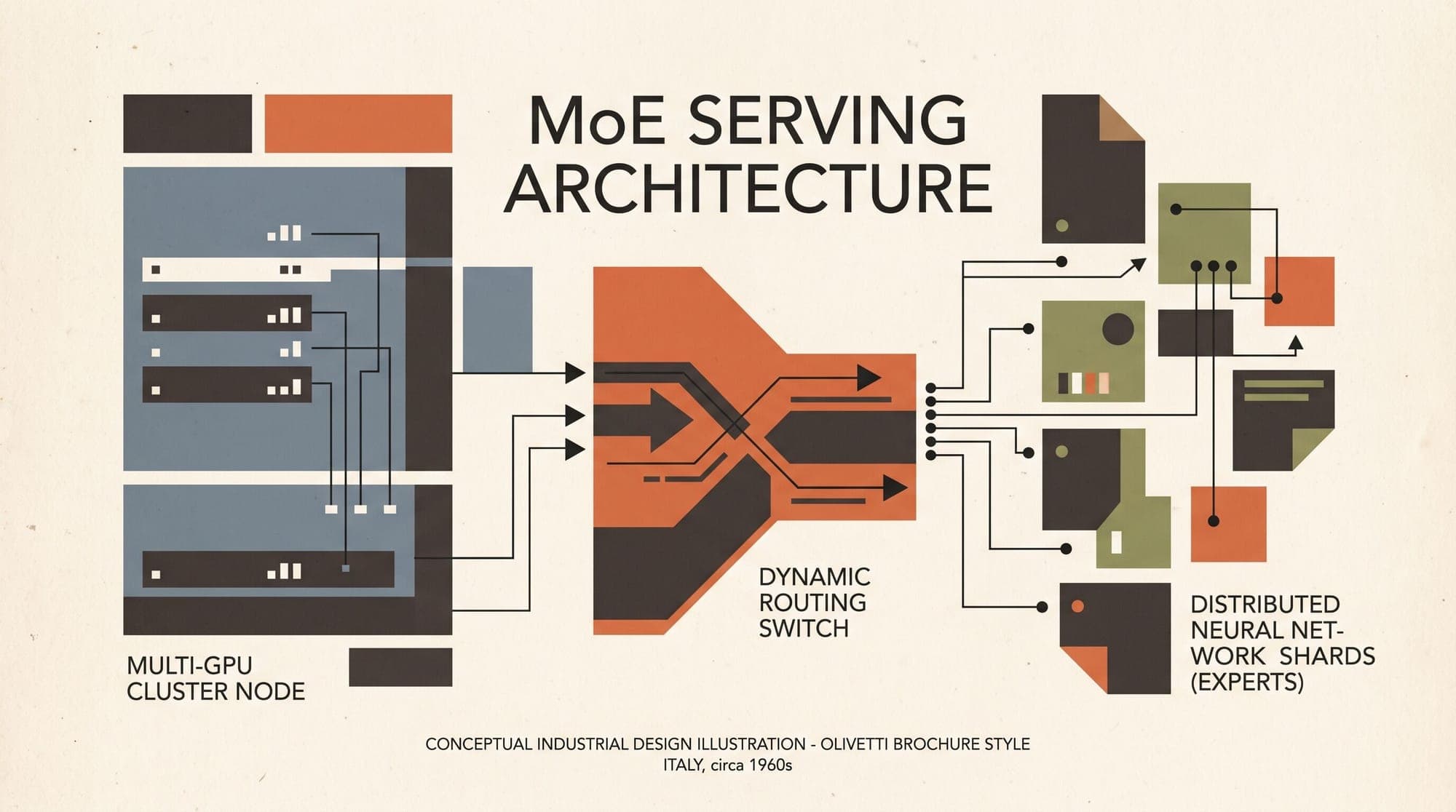
    Serving Mixture-of-Experts Models in Production: Architecture, Distributed Parallelism, All-to-All Bottlenecks, and Serving Economics Mixture-of-Experts (MoE) architectures have become the standard structural paradigm for frontier open-weight and proprietary large language models. Architectures such as DeepSeek-V3, Mixtral 8x22B, and GLM-5 deliver frontier-grade reasoning and generation by activating only a fraction of their total parameter count on any given token. For example, DeepSeek-V3 rou

    AI
    8 min read
  3. The Self-Taught Reasoner (STaR): How Iterative Rationale Bootstrapping and Rationalization Scale LLM Problem Solving

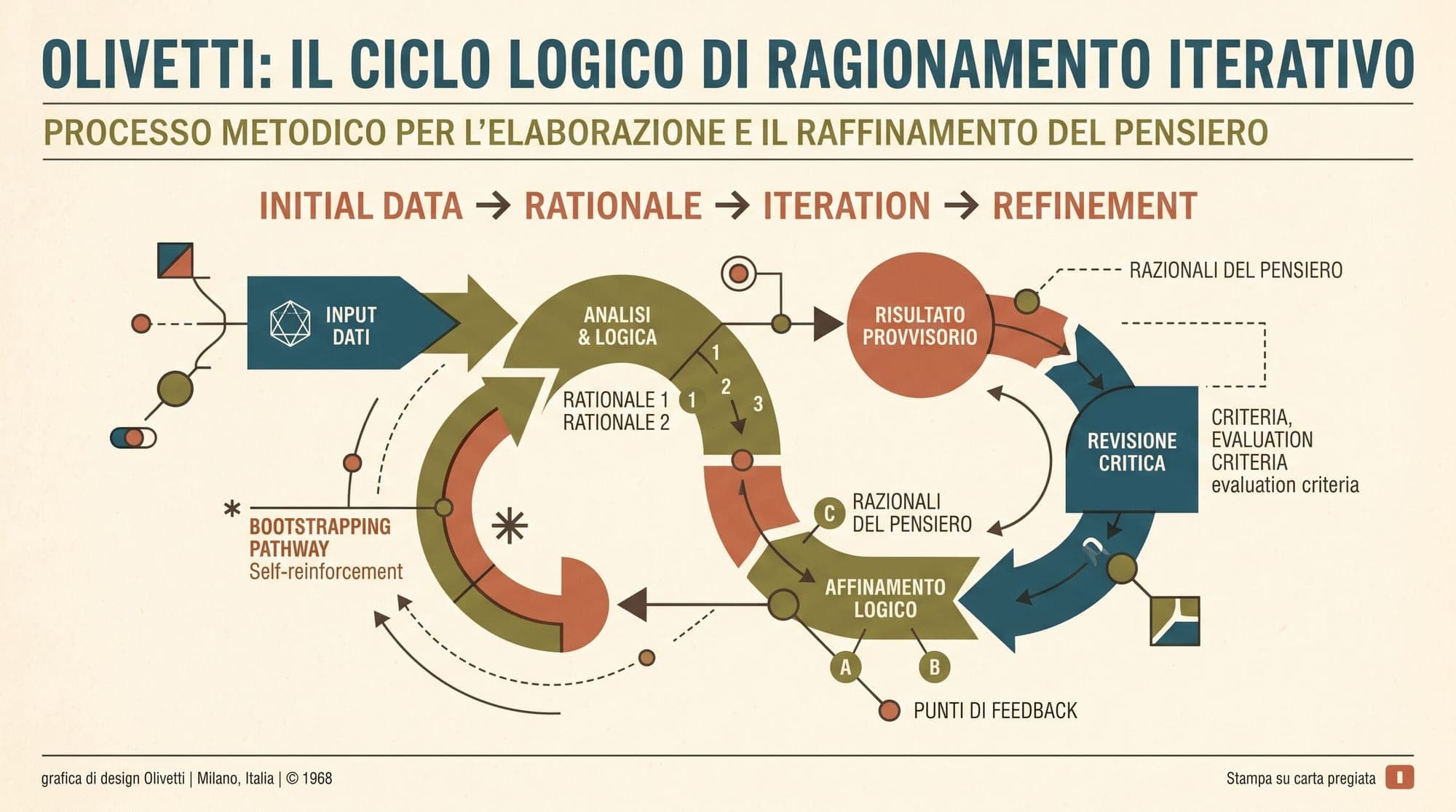
    Autoregressive language models often fail when forced to predict answers to multi-step reasoning problems in a single forward pass. Intermediate chain-of-thought generation allows models to allocate additional compute to difficult reasoning steps before emitting a final prediction. However, obtaining high-quality intermediate reasoning traces has traditionally presented a difficult trade-off: either rely on small prompt-based few-shot demonstrations that underperform fine-tuned models, or constr

    AI
    4 min read
  4. Amazon and Twitch Face Class-Action Lawsuit Over AI Model Training on Creator Streams

    A proposed class-action lawsuit filed against Amazon and its livestreaming subsidiary Twitch alleges the companies systematically harvested millions of hours of creator video, audio, and chat logs since 2024 to train generative AI models without creator consent or financial compensation. The complaint, filed on August 20, 2026, in the US District Court for the Northern District of California by streamer Warren Pandiscia, alleges breach of contract, unjust enrichment, and unfair business practic

    AI
    2 min read
  5. Samsung Approves Record $80 Billion Shareholder Return on AI Memory Demand

    The board of directors at Samsung Electronics approved a shareholder return program estimated between 90 trillion and 110 trillion Korean won (approximately $65 billion to $80 billion USD), marking the largest capital distribution plan in South Korean corporate history. The payout is funded by expanding cash reserves generated from high-bandwidth memory (HBM) and conventional DRAM shipments tied to global AI infrastructure spending. Under the approved framework, approximately 30 trillion won wi

    AI
    2 min read
  6. ShipHero Deploys Claude Mythos for 0,000 Codebase Audit as AI Challenges Traditional Pentesting

    Aaron Rubin, founder and chief executive of logistics software provider ShipHero, deployed Anthropic's restricted cybersecurity model Claude Mythos across his company's codebase in an automated security audit that cost approximately $10,000 and finished in 10 hours. Rubin reported that the model outperformed conventional third-party penetration testing firms on both cost efficiency and vulnerability discovery rate. ShipHero provides warehouse management software (WMS) that handles one in every

    AI
    2 min read
  7. Prompt Caching Across Cloud LLM Providers: Architecture, TTL Lifecycles, and Economic Break-Even for Anthropic, OpenAI, Gemini, and DeepSeek

    The primary latency and computational bottleneck in large language model inference is the prefill phase. When an application submits a request containing thousands of tokens of static system instructions, OpenAPI tool schemas, few-shot demonstrations, and retrieved document context, the inference server must process all input tokens through every transformer layer before generating the first output token. In high-concurrency production environments, repeating this full forward pass across identi

    LLM
    8 min read
  8. Normalizing Flows and Real NVP: How Invertible Neural Networks and Triangular Jacobians Compute Exact Log-Likelihoods

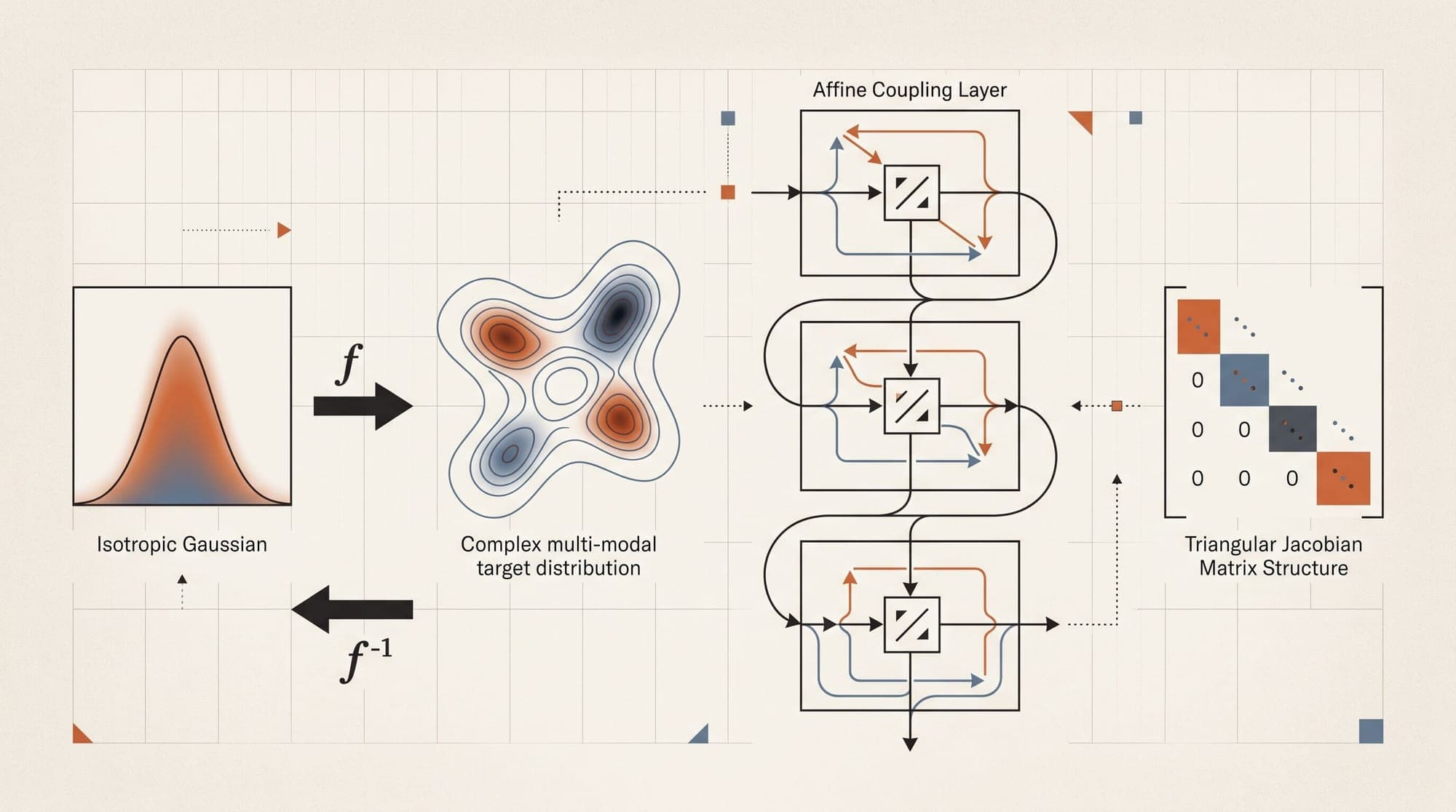
    Normalizing Flows and Real NVP: How Invertible Neural Networks and Triangular Jacobians Compute Exact Log-Likelihoods Generative modeling in deep learning revolves around a fundamental question: how can a neural network learn to transform a simple, analytically tractable probability distribution into a complex, high-dimensional empirical data distribution? Over the past decade, four primary generative modeling paradigms have emerged to address this challenge: 1. Generative Adversarial Networ

    AI
    15 min read
  9. Linus Torvalds Credits AI in Linux Kernel Commit After 24-Patch Driver Debug Session

    In a notable public milestone for AI-assisted systems programming, Linux creator Linus Torvalds credited an artificial intelligence model with doing the heavy analytical work during an intensive driver debugging session, allowing the model to author the commit message merged into the upstream kernel. The commit, titled drm/xe: Don't hand out the flat CCS storage as usable VRAM (commit 818bebeb63dd6bf5f4e07e145f6cdbace520a34c), resolves a memory allocation bug in the Intel Xe Direct Rendering Ma

    AI
    2 min read
  10. SGLang v0.5.18 Cuts LLM Cold Starts by 2.4x with Overlapped Weight Loading and CUDA Graph Capture

    The open-source LLM serving engine SGLang has released version 0.5.18, introducing an overlapped startup engine that significantly reduces cold-start latency for large language models, alongside communication kernel optimizations and expanded architecture support. Comprising 710 pull requests from 212 contributors, the release addresses operational overheads in LLM infrastructure where autoscaling, rolling cluster deployments, and worker node recovery frequently pay steep restart penalties. O

    AI
    2 min read