DevOps8 articles

DevOps

Articles

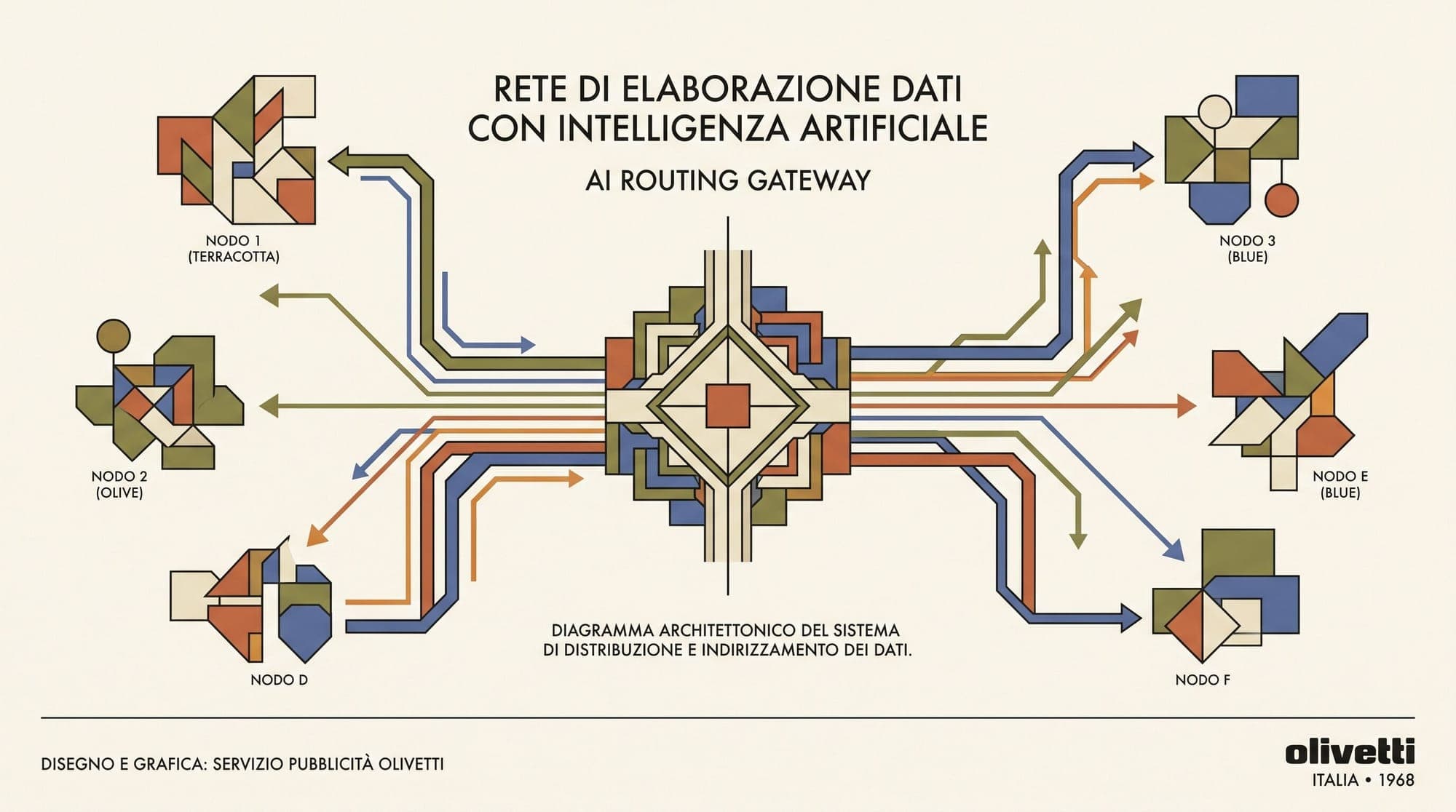
  • LLM Gateways and Routing Infrastructure in Production: Comparing LiteLLM, Portkey, Kong AI Gateway, and Cloudflare AI Gateway

    In early production architectures, engineering teams frequently integrate Large Language Models (LLMs) by instantiating vendor-specific SDK clients directly within application microservices. While this pattern enables rapid prototyping, it introduces severe architectural bottlenecks at scale: unmitigated upstream provider outages (HTTP 502/503 errors), strict rate limit exhaustion (HTTP 429), uncoordinated token spend across teams, absent audit logging, and tight coupling to proprietary API sche

    1 min
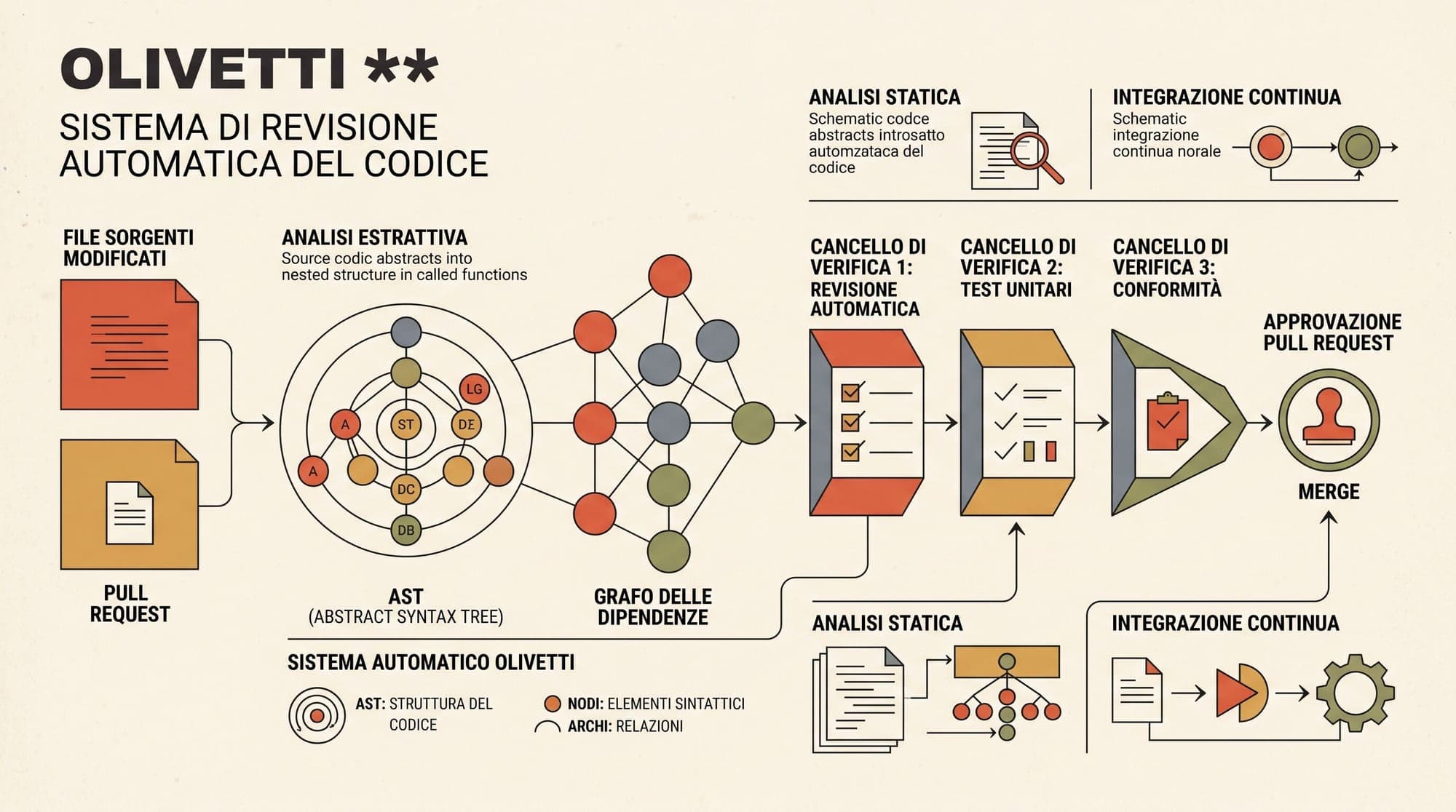
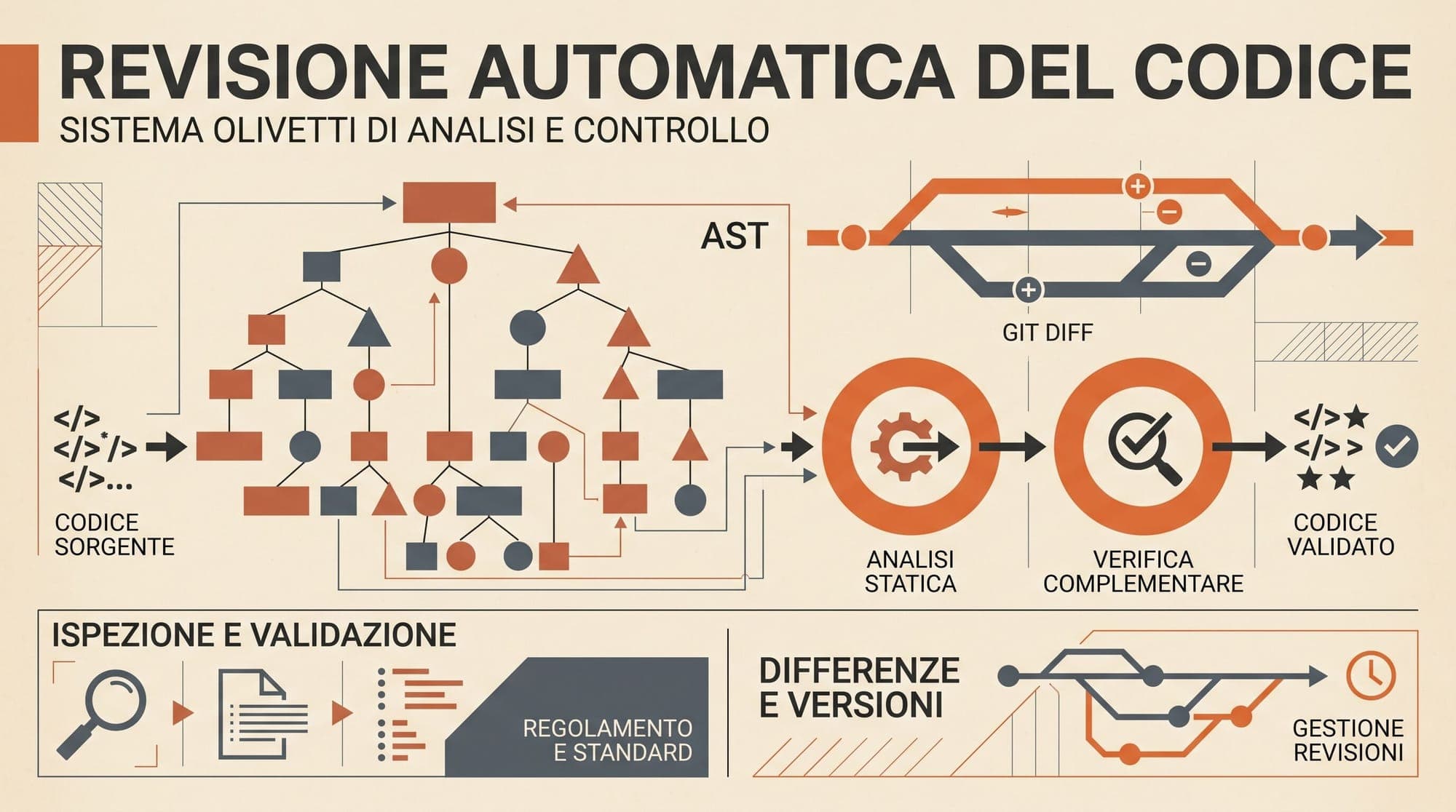
  • AI Code Review Frameworks in Production: Comparing CodeRabbit, Qodo, Greptile, and Copilot Architecture, AST Dependency Graphs, False Positive Filtering, and Review Economics

    The surge in automated code generation has exposed a major structural bottleneck in software delivery: pull request review velocity. While AI coding tools accelerate the creation of multi-file diffs, human engineering review capacity remains fixed. Relying on naive large language model prompts over raw git diffs introduces severe failure modes, including hallucinated syntax rules, nitpicking noise, and inability to trace function modifications across distant caller and callee boundaries. To sol

    1 min
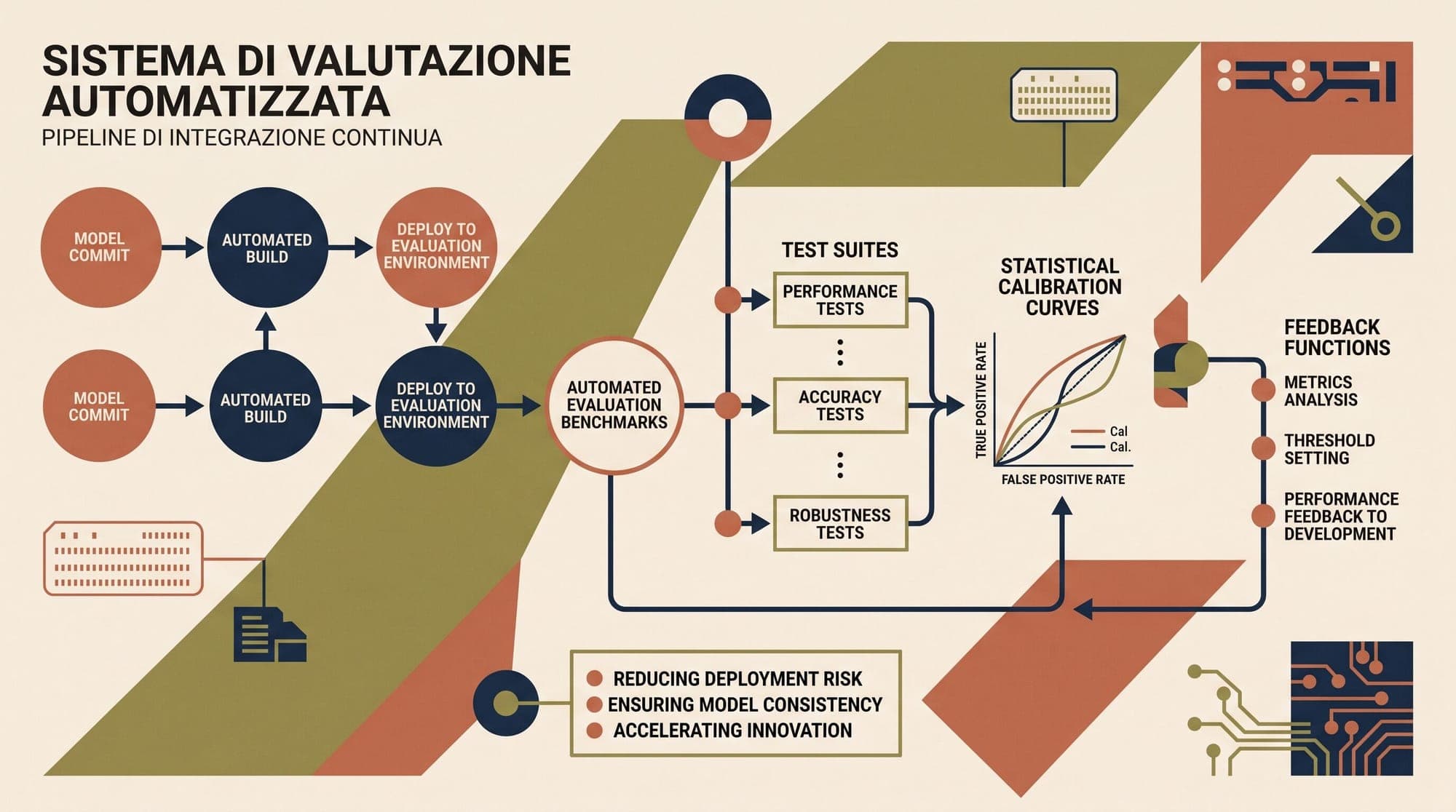
  • LLM Evaluation Frameworks in Production: Comparing DeepEval, Ragas, Promptfoo, and TruLens Architecture, Synthetic Data Generation, Judge Calibration, and CI/CD Automation

    Automated evaluation is the primary engineering bottleneck in deploying reliable LLM applications. While traditional software engineering relies on deterministic unit and integration tests with binary pass/fail conditions, generative AI systems produce non-deterministic, open-ended natural language outputs. Relying on manual human review or ad-hoc prompting fails to catch regressions across prompt modifications, model version updates, and retrieval pipeline adjustments. To establish rigorous qu

    1 min
  • Automated AI Code Review in Production: Architecture, AST Context Assembly, Linter Hybridization, and Multi-Stage Noise Reduction

    Naively piping unified git diffs into a large language model and posting the raw output to GitHub or Bitbucket is a reliable way to degrade engineering velocity. While frontier models demonstrate high zero-shot reasoning capabilities, unconstrained code review bots suffer from high false-positive rates, superficial formatting nitpicks, hallucinated API misuse, and context blindness. When an automated bot generates twenty low-value comments per pull request, developers suffer review fatigue and r

    1 min
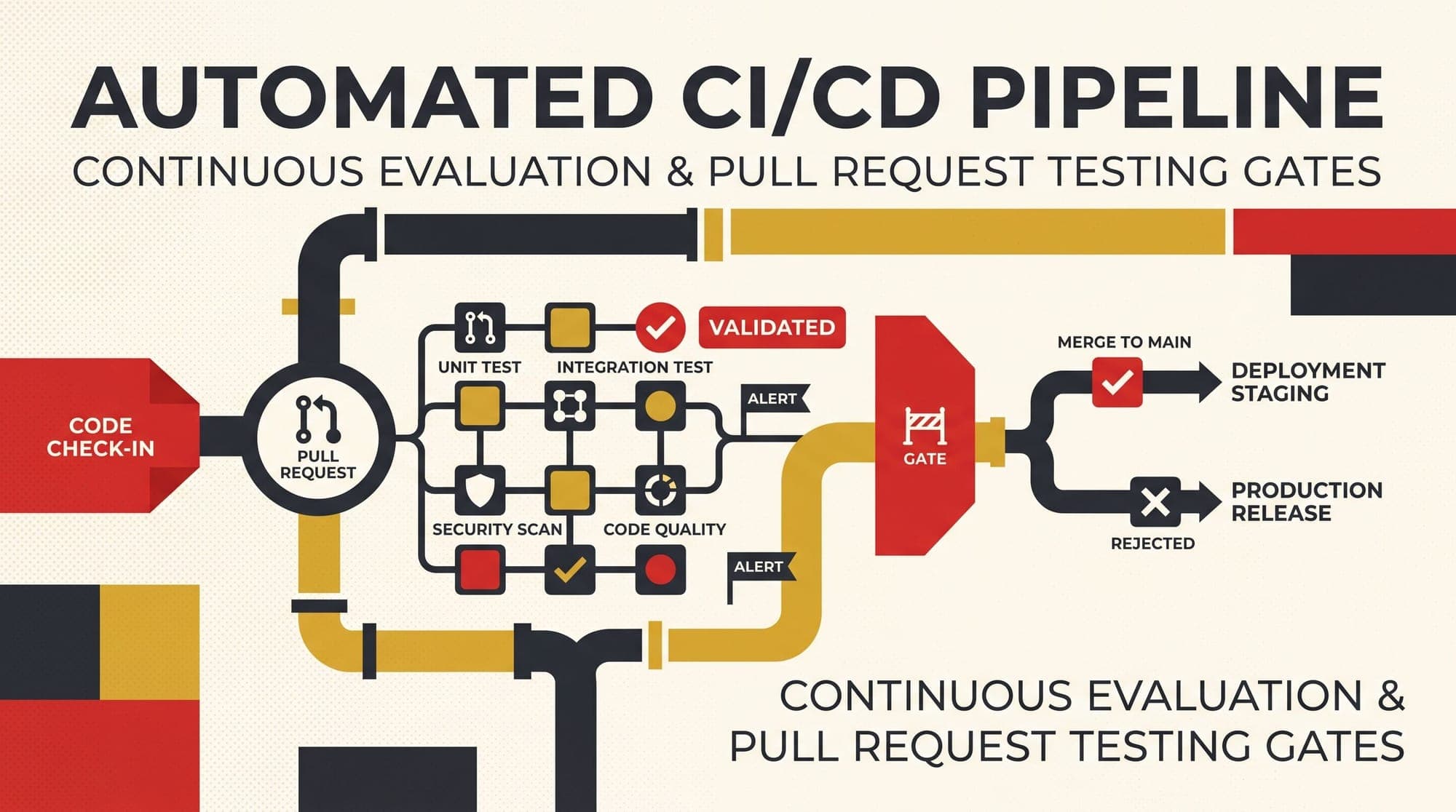
  • CI/CD for LLM Applications: Automated Regression Testing, Golden Datasets, and Pull Request Quality Gates

    Deploying generative AI applications into production environments requires a fundamental shift in software quality assurance. Traditional continuous integration (CI) workflows rely on deterministic assertions: given a fixed input, a function must return an exact expected output. Large language models (LLMs) break this paradigm because their outputs vary across runs, token probabilities drift with prompt alterations, and natural language responses cannot be validated with binary equality checks.

    1 min
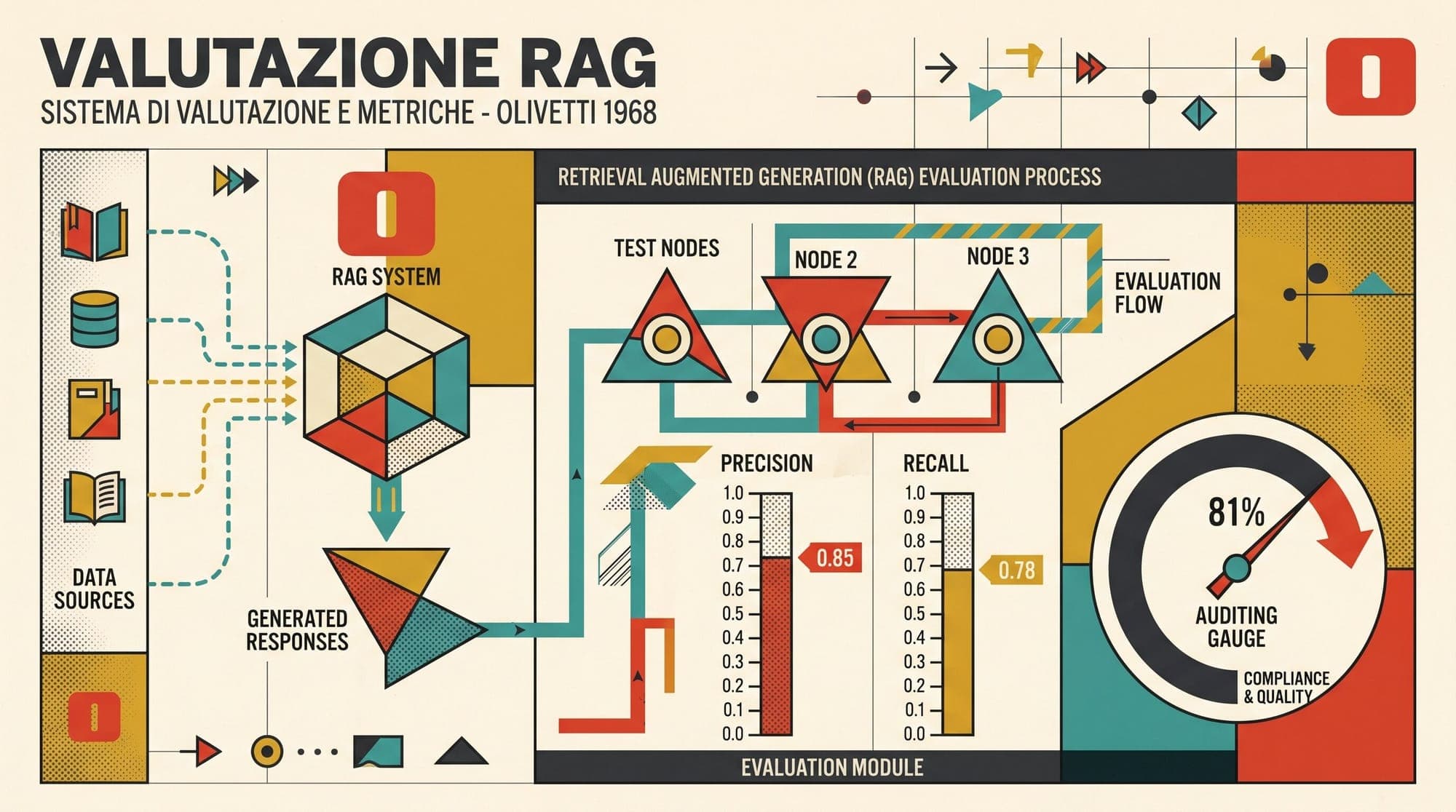
  • RAG Evaluation Frameworks in Production: Architecture, Metrics, and CI/CD Trade-Offs for Ragas, DeepEval, TruLens, and ARES

    Production Retrieval-Augmented Generation (RAG) systems fail silently. Unlike traditional software pipelines that throw explicit exceptions on invalid states, a broken RAG pipeline produces syntactically fluent, confident prose that conceals severe underlying defects. When a user receives an incorrect response, the failure can stem from multiple distinct failure points across the stack: the query embedding failed to retrieve relevant chunks, the reranker discarded the critical passage, the chunk

    1 min
  • GitHub Copilot Autofix Introduced Command Injection in Snowflake CI Pipeline

    A security vulnerability introduced by GitHub Copilot Autofix left a public Snowflake repository vulnerable to unauthenticated remote command injection for five days before an autonomous security agent discovered and exploited it, according to a technical disclosure published by Wiz Research on August 17, 2026. The incident highlights emerging operational risks at the intersection of automated code generation and CI/CD security, demonstrating how automated remediation bots can silently strip ou

    1 min
  • Cursor Launches Origin Code Hosting with Bidirectional GitHub Sync and Agent Reviews

    Cursor has launched Origin, a proprietary code hosting service currently in early beta across all paid subscription tiers. The platform introduces native Git repository hosting directly inside the Cursor ecosystem, competing with GitHub and GitLab while embedding AI agents directly into version control and code review workflows. Origin allows developers to create and manage repositories, review pull requests, browse code, and automate continuous integration workflows without leaving the Cursor

    1 min