Archive / page 21 of 49

Latest articles, page 21

  1. Valor and Point72 Back General Intuition at $6B Valuation for Physical AI and Robotics

    New York-based foundation model startup General Intuition is in discussions to secure new funding at a $6 billion pre-money valuation, according to sources familiar with the matter. The financing round includes new backing from Valor Equity Partners, Point72 Ventures, and Seven Seven Six, alongside continued participation from existing investors Khosla Ventures and General Catalyst. The potential valuation represents a steep increase from the company's previous financing round, which raised $32

    AI
    1 min read
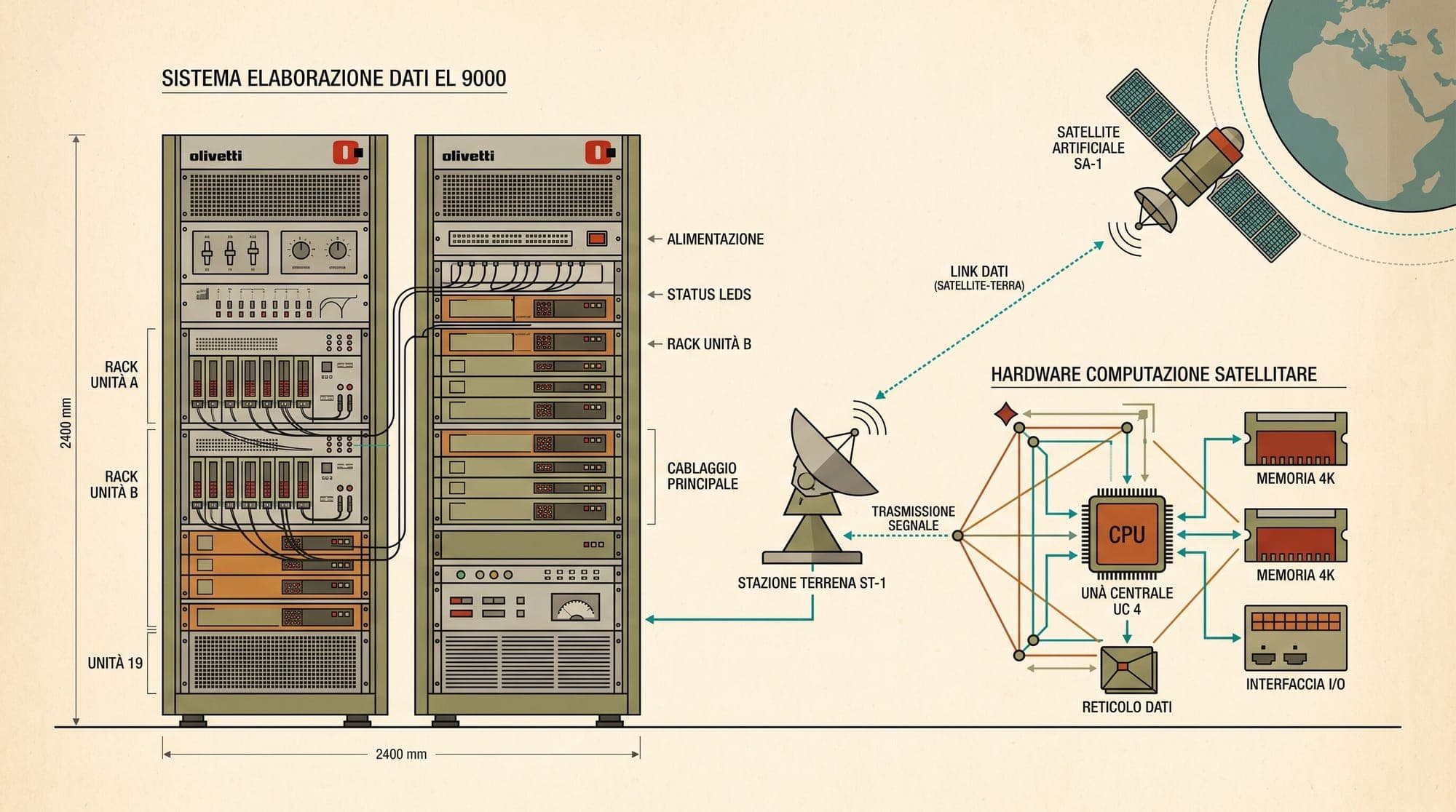
  2. SpaceXAI Deploys NVIDIA Vera CPUs for Gigawatt-Scale Agentic Infrastructure and Starmind Satellite

    SpaceXAI has selected NVIDIA's Vera central processing units to handle the CPU-bound orchestration and execution workloads powering its Grok models as its computing infrastructure expands toward gigawatts of capacity. The deployment spans both ground-based data centers and orbital systems, with SpaceXAI planning to base its first-generation Starmind AI satellite on an optimized Vera Rubin NVL72 rack architecture. While GPU clusters handle core model training and forward passes, agentic AI workf

    AI
    2 min read
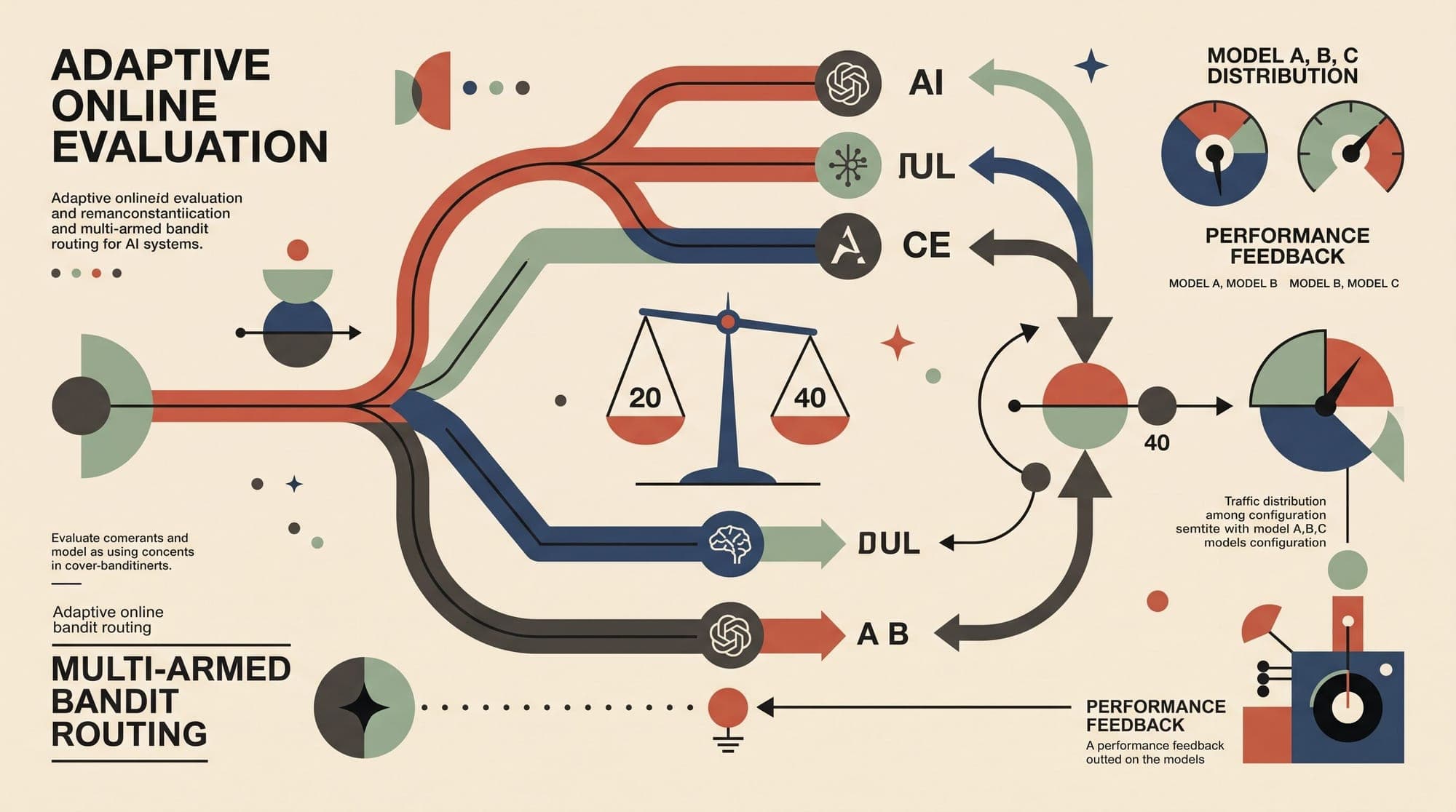
  3. Online Evaluation and Multi-Armed Bandit Routing in Production LLM Systems: Interleaving, Counterfactual Estimation, and Adaptive Traffic Allocation

    Online Evaluation and Multi-Armed Bandit Routing in Production LLM Systems: Interleaving, Counterfactual Estimation, and Adaptive Traffic Allocation Static offline benchmarks such as MMLU, HumanEval, and synthetic LLM-as-a-judge evaluation pipelines have become standard fixtures in modern AI development. However, production engineering teams frequently observe that offline benchmark improvements fail to translate into tangible user satisfaction or business outcomes. Static evaluation suites suf

    AI
    12 min read
  4. Teacher Forcing and Exposure Bias in Autoregressive Models: Mathematical Foundations, Compounding Errors, and Mitigation Strategies

    Teacher Forcing and Exposure Bias in Autoregressive Models: Mathematical Foundations, Compounding Errors, and Mitigation Strategies Autoregressive sequence models form the computational backbone of modern language modeling, code synthesis, and multi-step reasoning agents. From decoder-only Transformers like GPT and Claude to recurrent architectures, these systems factorize the joint probability of a sequence of tokens $y = (y_1, y_2, \dots, y_T)$ into a product of conditional probabilities: $$

    AI
    10 min read
  5. Study Exposes Citation Monoculture Across Frontier LLMs as Recursive Drafting Compounds Bias

    Study Exposes Citation Monoculture Across Frontier LLMs as Recursive Drafting Compounds Bias As large language models take over literature reviews and automated research workflows, a collaborative study from UT Austin, Stevens Institute of Technology, Washington University in St. Louis, Rice University, and the University of Notre Dame demonstrates that frontier models suffer from severe citation monoculture. Even when all identifying metadata is removed, LLMs across vendors converge on a narro

    research
    2 min read
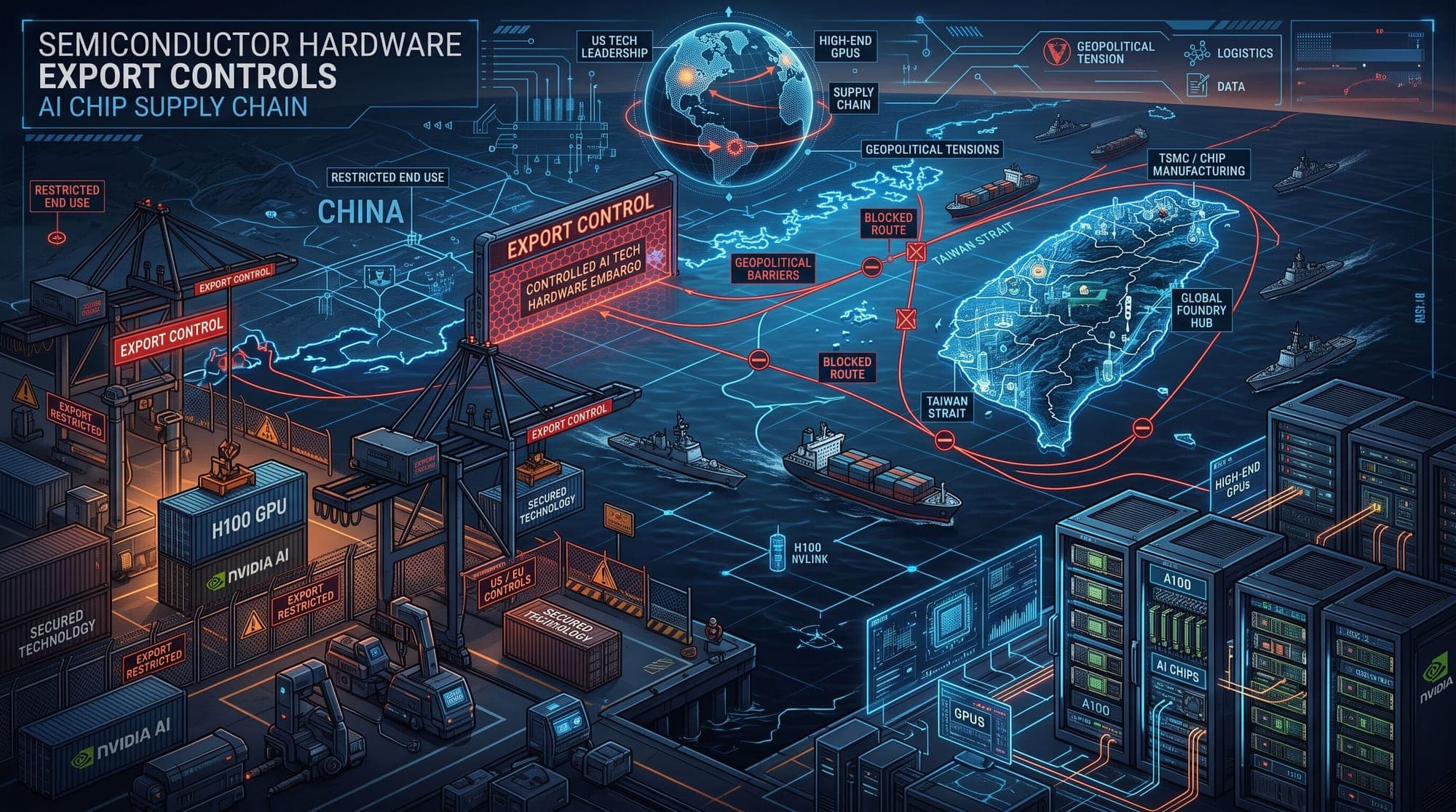
  6. Taiwan Indicts Nine in B300 AI Server Diversion Scheme to China

    Taiwan Indicts Nine in B300 AI Server Diversion Scheme to China Taiwan prosecutors have indicted nine individuals for allegedly circumventing international export controls to smuggle advanced AI servers equipped with Nvidia B300 GPUs into mainland China. The indictment, issued on August 24, 2026, by the Keelung District Prosecutors' Office, details an illicit sales channel that operated by falsifying compliance verifications from within the hardware supply chain. The defendants include a distr

    Hardware
    2 min read
  7. Virtual Memory for AI Agents in Production: Context Window Paging, Working Set Estimation, and Hierarchical Storage Architectures

    Virtual Memory for AI Agents in Production: Context Window Paging, Working Set Estimation, and Hierarchical Storage Architectures As autonomous AI agents shift from single-turn chat interactions to long-horizon workflows spanning days, weeks, or millions of execution steps, managing context has become the primary operational bottleneck. While modern foundation models support nominal context windows ranging from 128k to over 1M tokens, treating the active context window as an unbounded append-on

    AI
    9 min read
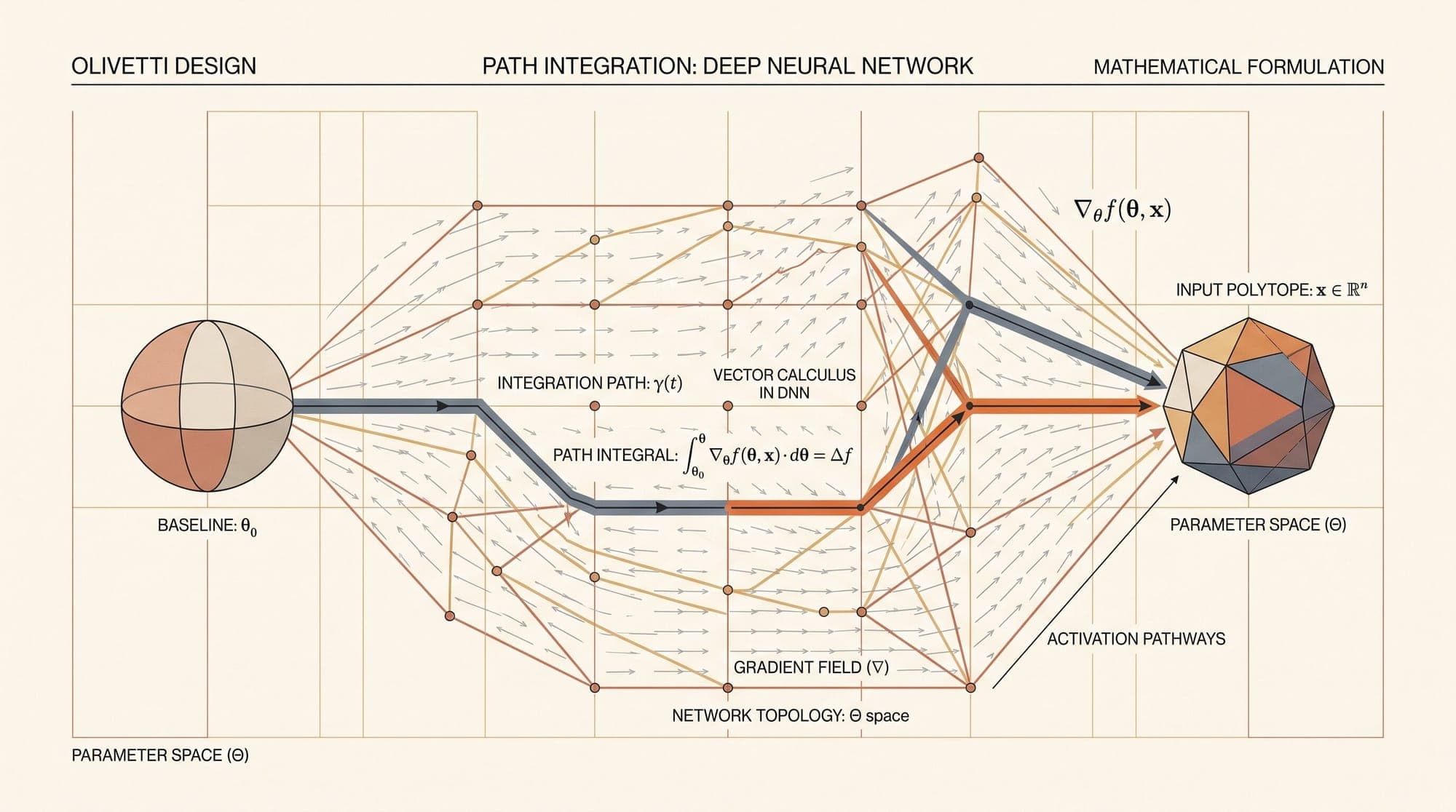
  8. Integrated Gradients: How Axiomatic Attribution Solves the Gradients-at-Saturation Problem in Deep Neural Networks

    Integrated Gradients: How Axiomatic Attribution Solves the Gradients-at-Saturation Problem in Deep Neural Networks Feature attribution methods in deep learning aim to answer a fundamental interpretability question: given an input vector and a trained neural network, how much did each input dimension contribute to the model's final output score? In natural language processing and computer vision, practitioners routinely need to identify which input tokens, pixels, or tabular variables drove a sp

    AI
    10 min read
  9. Anthropic Updates Claude Tag in Slack to Ingest Full Channel Context for Unprompted Interventions

    Anthropic has rolled out a major architecture update to Claude Tag, its enterprise agent embedded inside Slack workspaces. The update shifts the agent from evaluating isolated chat messages to processing complete conversation histories and multi-turn channel state, allowing the model to determine autonomously when to intervene in team discussions without explicit user mentions. According to internal evaluation data shared by Anthropic, eliminating single-message evaluation in favor of full-cont

    Anthropic
    2 min read
  10. Thomson Reuters Deploys In-House Legal LLM 'Thomson' on Qwen Foundation to Cut API Dependency

    Thomson Reuters has unveiled "Thomson," its first proprietary domain-specific language model built specifically for legal workflows. Developed over two years at an investment of roughly $40 million in engineering and compute infrastructure, the model is designed to perform specialized legal analysis without ongoing dependence on third-party frontier API providers like OpenAI or Anthropic. The model is built on top of Alibaba's open-weight Qwen architecture, utilizing Qwen3.5-397B as its foundat

    Legal AI
    3 min read