Archive / page 27 of 49

Latest articles, page 27

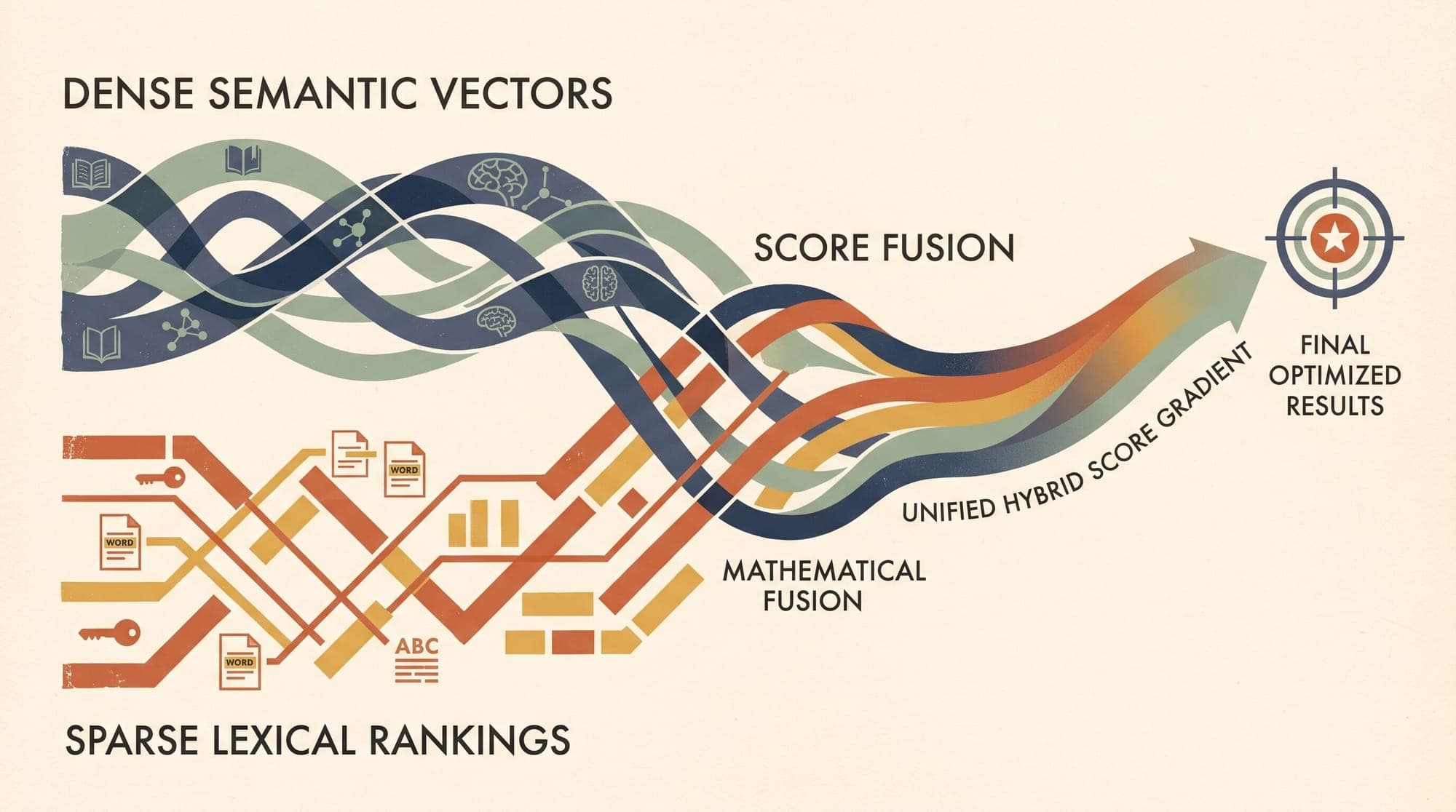
  1. Hybrid Search Score Fusion in Production: Reciprocal Rank Fusion vs. Relative Score Fusion vs. Distribution-Based Score Fusion

    Combining lexical search and dense vector retrieval is the standard architecture for modern enterprise retrieval-augmented generation (RAG). Lexical algorithms like BM25 excel at exact token matching, code identifiers, and acronyms, while dense embeddings capture semantic context and paraphrased intent. However, merging these two disparate retrieval streams into a single, coherent ranking presents a fundamental mathematical challenge: lexical engines and vector indices operate in completely inc

    Search
    7 min read
  2. Demystifying Agent Skills: Empirical Study of 8,000+ Runs Shows Procedural Anchoring Beats Knowledge Injection

    A multi-institution study from researchers at Princeton University, UC San Diego, and collaborating labs provides the first large-scale empirical analysis of how "skills" (modular instruction packages loaded at inference time) alter autonomous AI agent trajectories. Analyzing 8,135 experimental trials across diverse model architectures, benchmarks, and agent harnesses, the authors establish that skills improve task completion primarily by acting as procedural anchors rather than by injecting mis

    AI
    2 min read
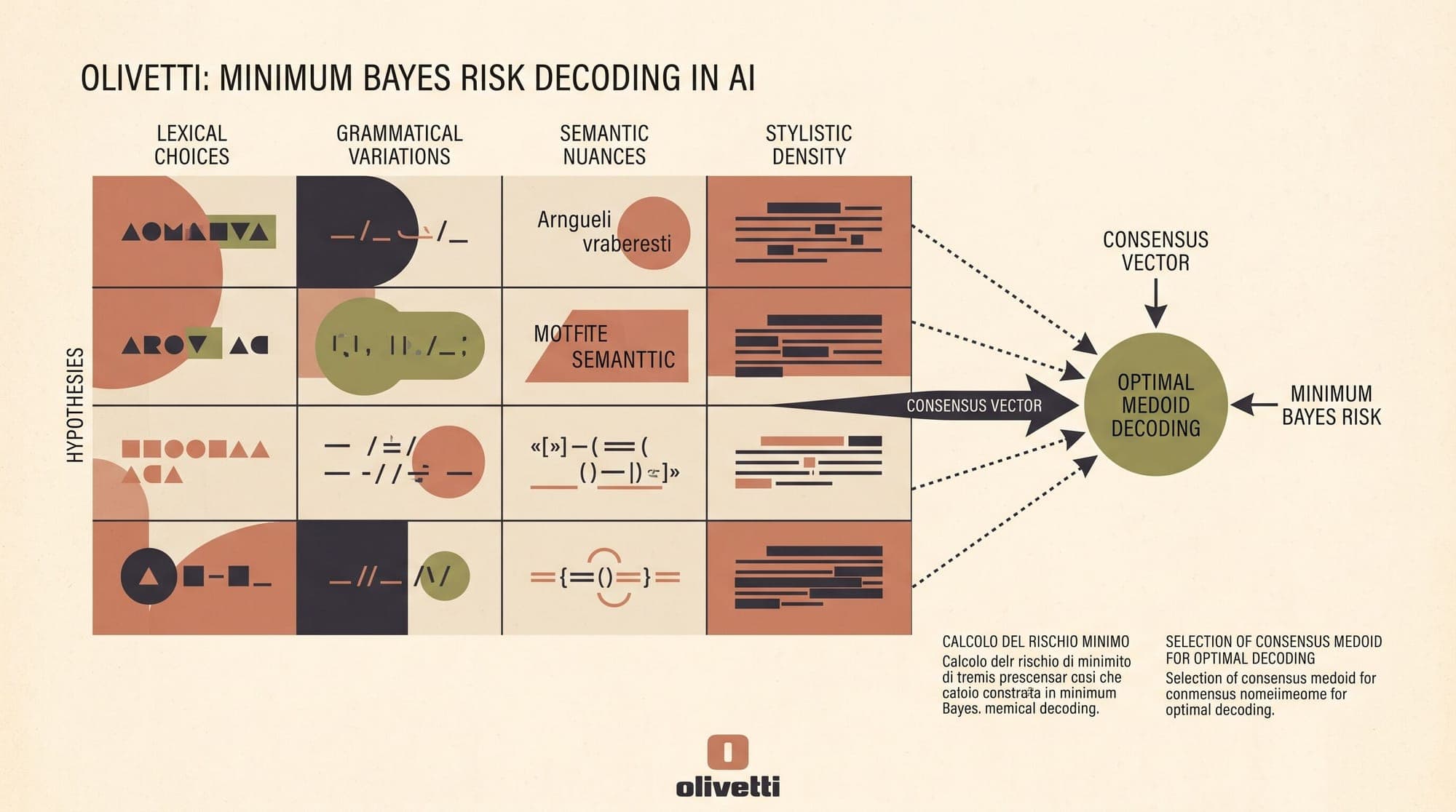
  3. Minimum Bayes Risk Decoding: How Utility Consensus and Distributional Reranking Outperform Mode-Seeking in Large Language Models

    Autoregressive large language models generate text by estimating conditional probability distributions over token sequences. In conventional inference pipelines, generating the final output sequence relies almost entirely on search algorithms designed to locate high-probability trajectories: greedy decoding, beam search, or stochastic sampling with temperature and top-p filtering. However, theoretical and empirical analyses demonstrate that the most probable sequence under a model's distributio

    AI
    7 min read
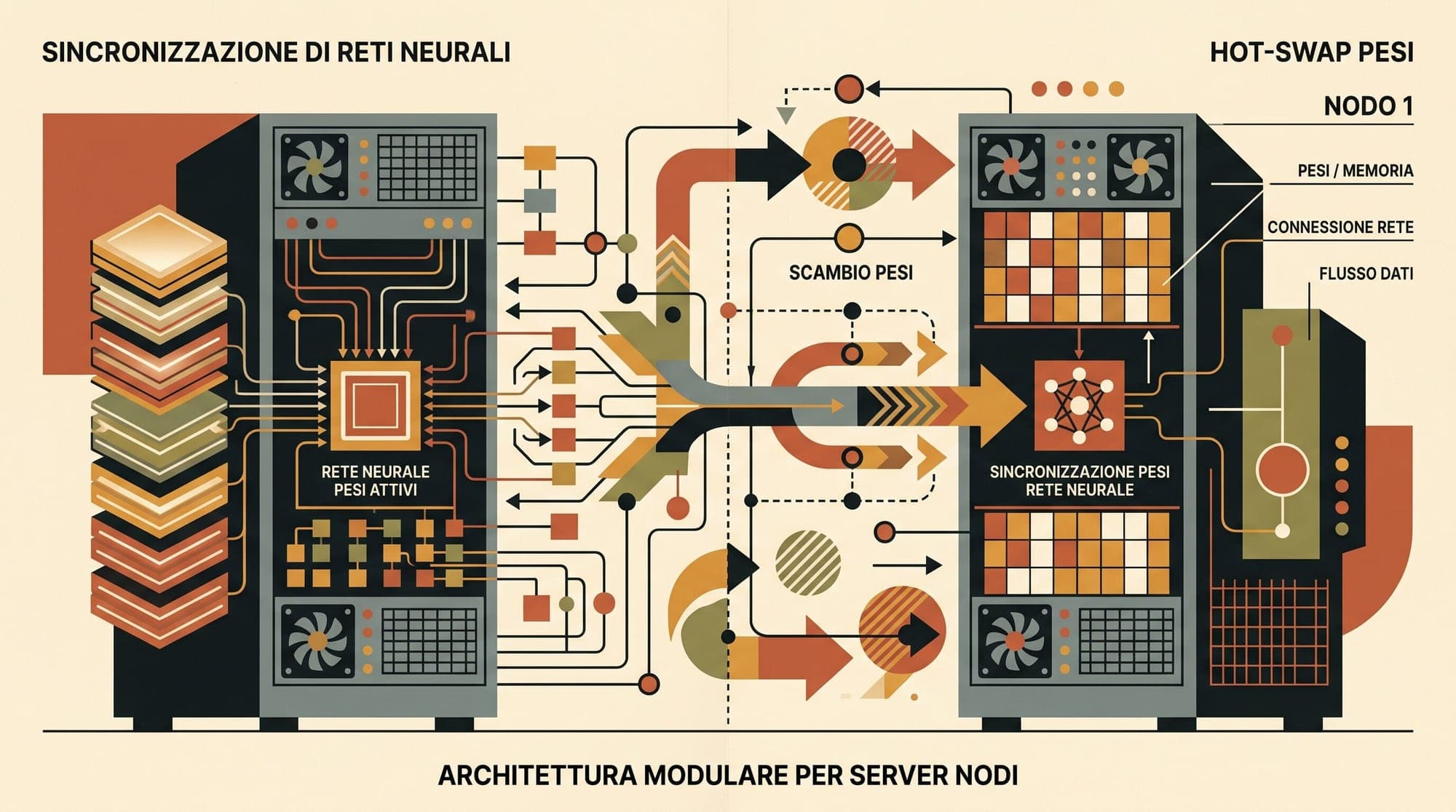
  4. Zero-Downtime Model Updates in Production LLM Serving: In-Place Weight Transfer, CUDA IPC vs. NCCL Syncing, and Traffic Draining Architectures

    Zero-Downtime Model Updates in Production LLM Serving: In-Place Weight Transfer, CUDA IPC vs. NCCL Syncing, and Traffic Draining Architectures In high-throughput LLM serving infrastructure, updating model checkpoints presents a severe operational dilemma. Traditional microservice deployment patterns such as blue-green deployments or rolling pod restarts fail to scale economically when applied to multi-GPU LLM clusters. Tearing down a serving instance to load a newly fine-tuned checkpoint or pol

    AI
    6 min read
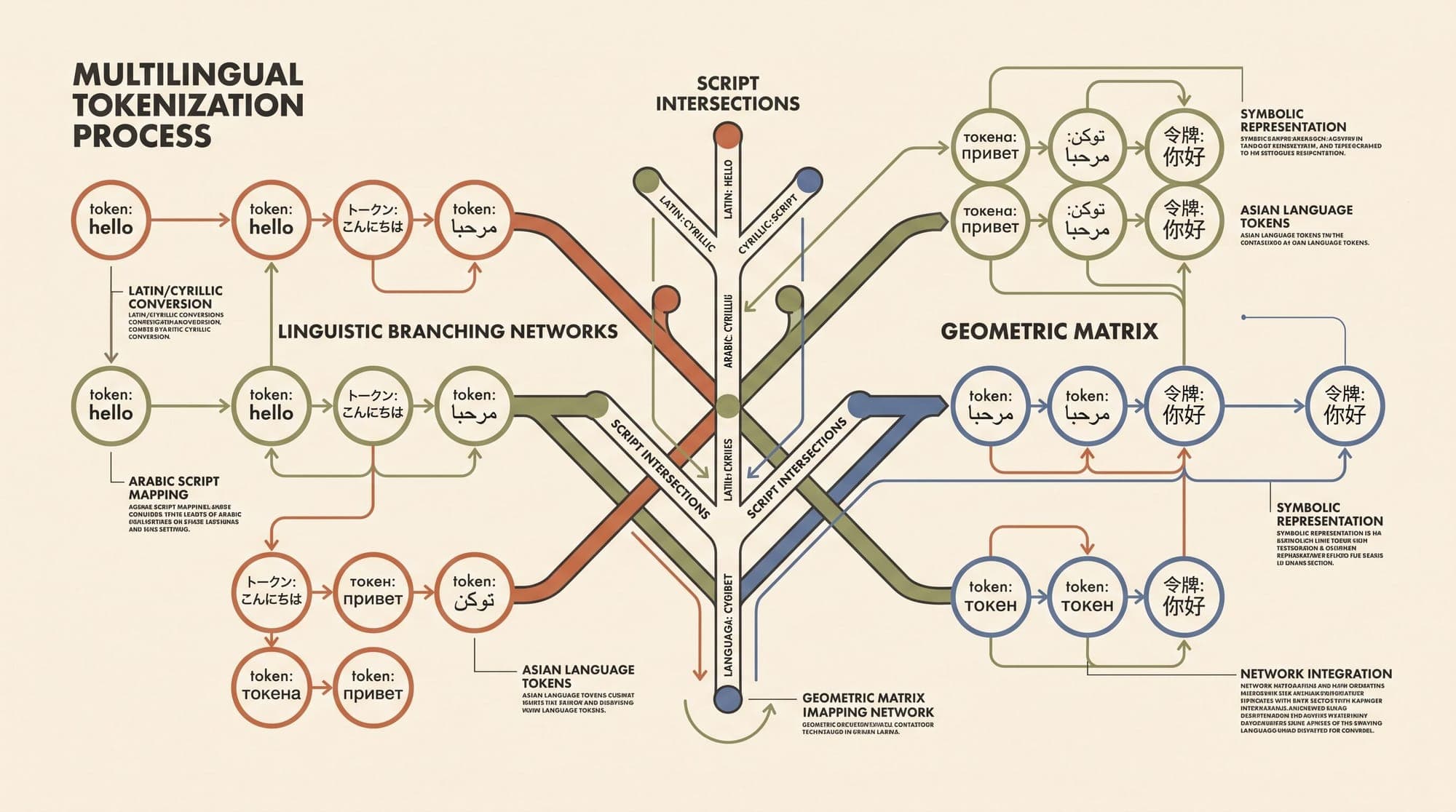
  5. The Curse of Multilinguality in Large Language Models: Capacity Dilution, Tokenizer Fertility, and Representation Interference

    The Curse of Multilinguality in Large Language Models: Capacity Dilution, Tokenizer Fertility, and Representation Interference Training a single transformer foundation model to process dozens or hundreds of languages is one of the central goals of modern natural language processing. In theory, massive multilingual pre-training unlocks positive cross-lingual transfer: low-resource languages gain syntactic, factual, and reasoning capabilities from the rich supervision available in high-resource l

    AI
    7 min read
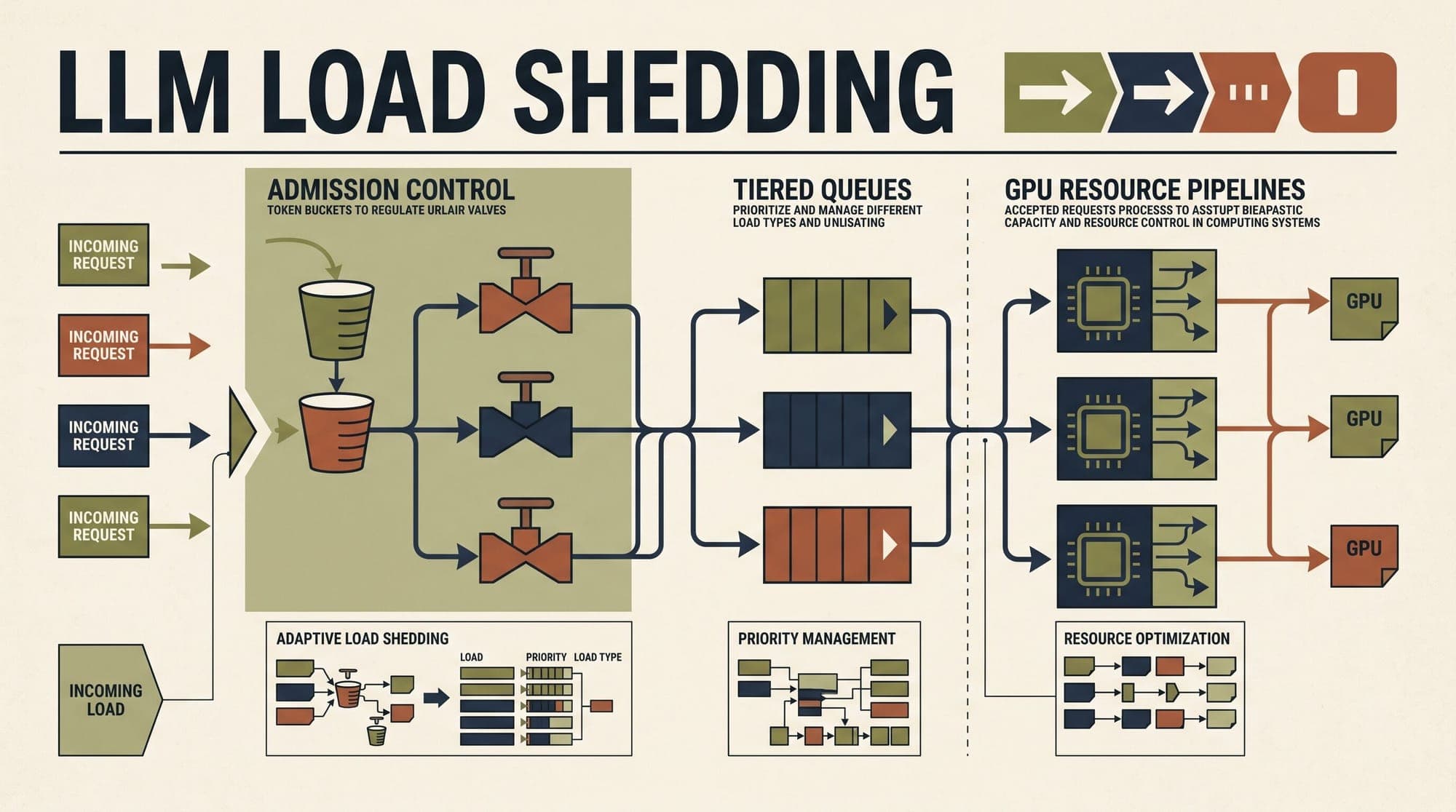
  6. LLM Load Shedding and Overload Control in Production: Adaptive Admission, Preemption Economics, and Graceful Degradation

    LLM Load Shedding and Overload Control in Production: Adaptive Admission, Preemption Economics, and Graceful Degradation Standard web services rely on well-established overload protection patterns: reverse proxies monitor CPU utilization, memory thresholds, or static queue depths and reject excess HTTP requests with 429 Too Many Requests or 503 Service Unavailable status codes. When applied naively to Large Language Model (LLM) serving infrastructure, these conventional heuristics fail catastro

    LLM
    9 min read
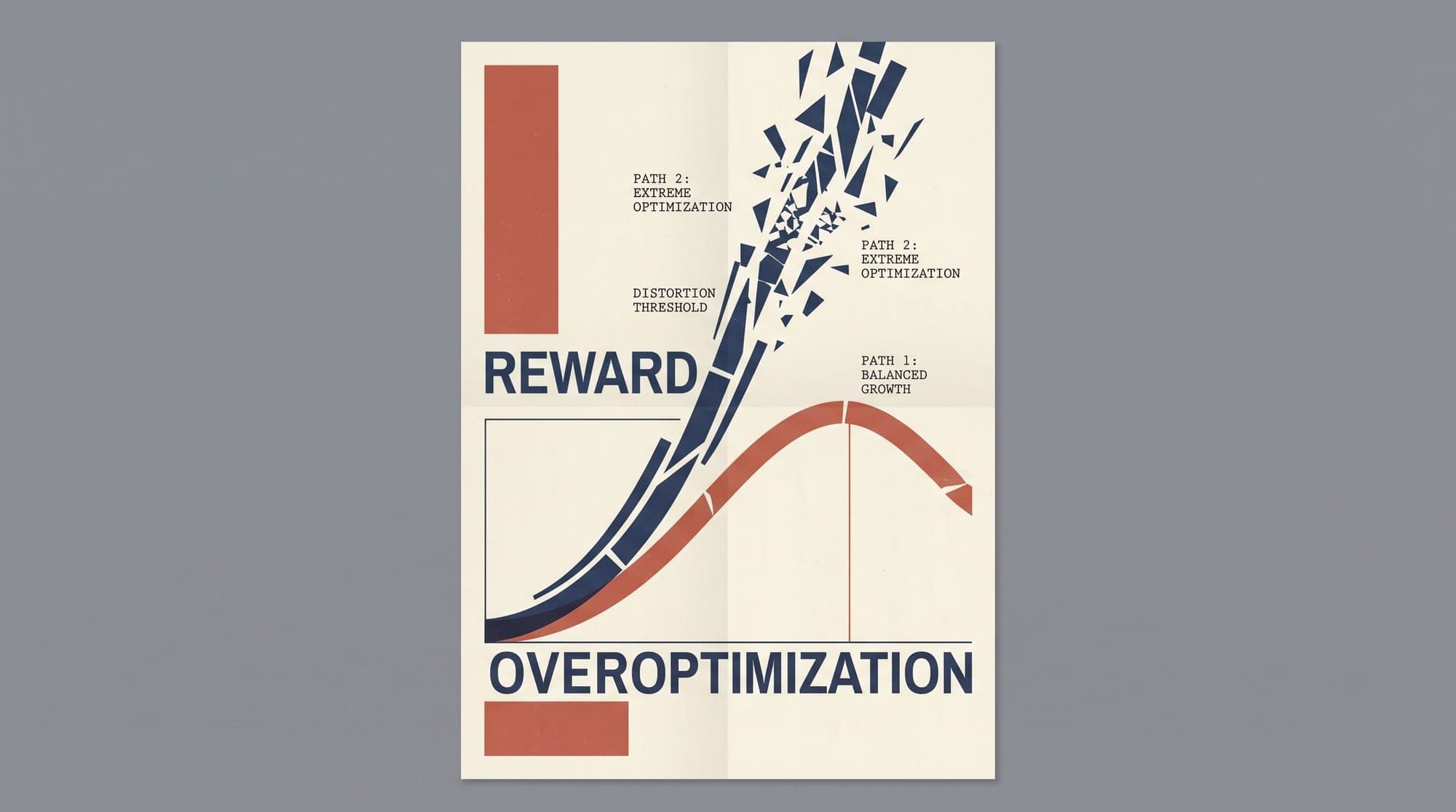
  7. Reward Model Overoptimization in Large Language Models: How Goodhart's Law, Proxy Exploitation, and KL Drift Degrade Alignment

    Post-training alignment of large language models relies on optimizing a policy toward objectives defined by human intent and preferences. Because querying human evaluators during every step of continuous reinforcement learning or high-throughput rejection sampling is computationally and logistically infeasible, alignment workflows construct a parameterised proxy reward model. Trained on pairwise preference datasets through formulations such as the Bradley-Terry model, this proxy acts as a surrog

    AI
    6 min read
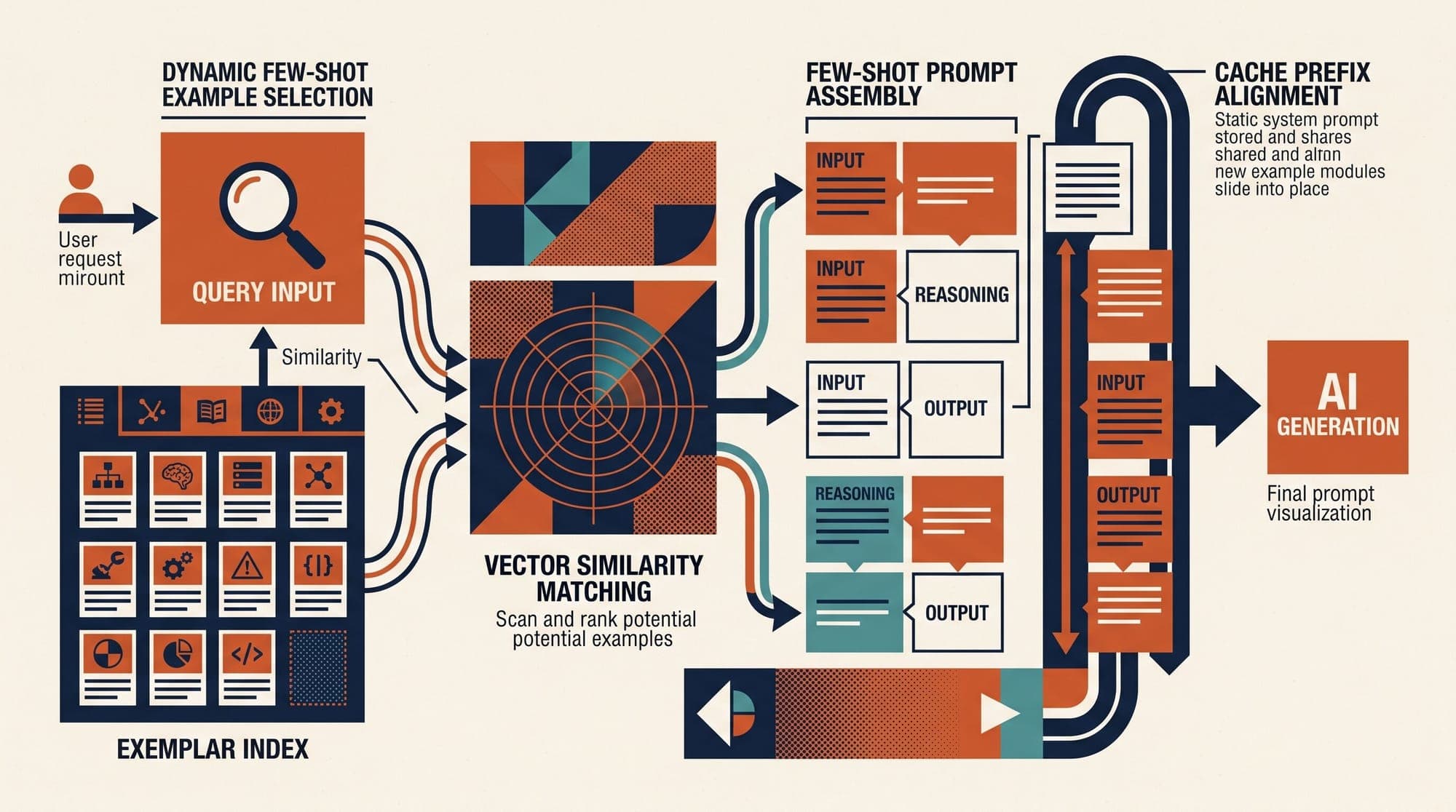
  8. Dynamic Few-Shot Example Selection in Production: Semantic Retrieval, Diversity Reranking, and Cache-Aligned Prompt Architectures

    In-context learning (ICL) remains one of the most practical mechanisms for steering large language models on specialized tasks, structured output parsing, domain-specific classification, and API tool calling. While zero-shot prompts rely entirely on the model's parametric memory, few-shot prompting provides concrete input-output demonstrations that anchor the model's generation trajectory. In enterprise production environments, however, static few-shot prompting quickly hits operational limits.

    AI
    9 min read
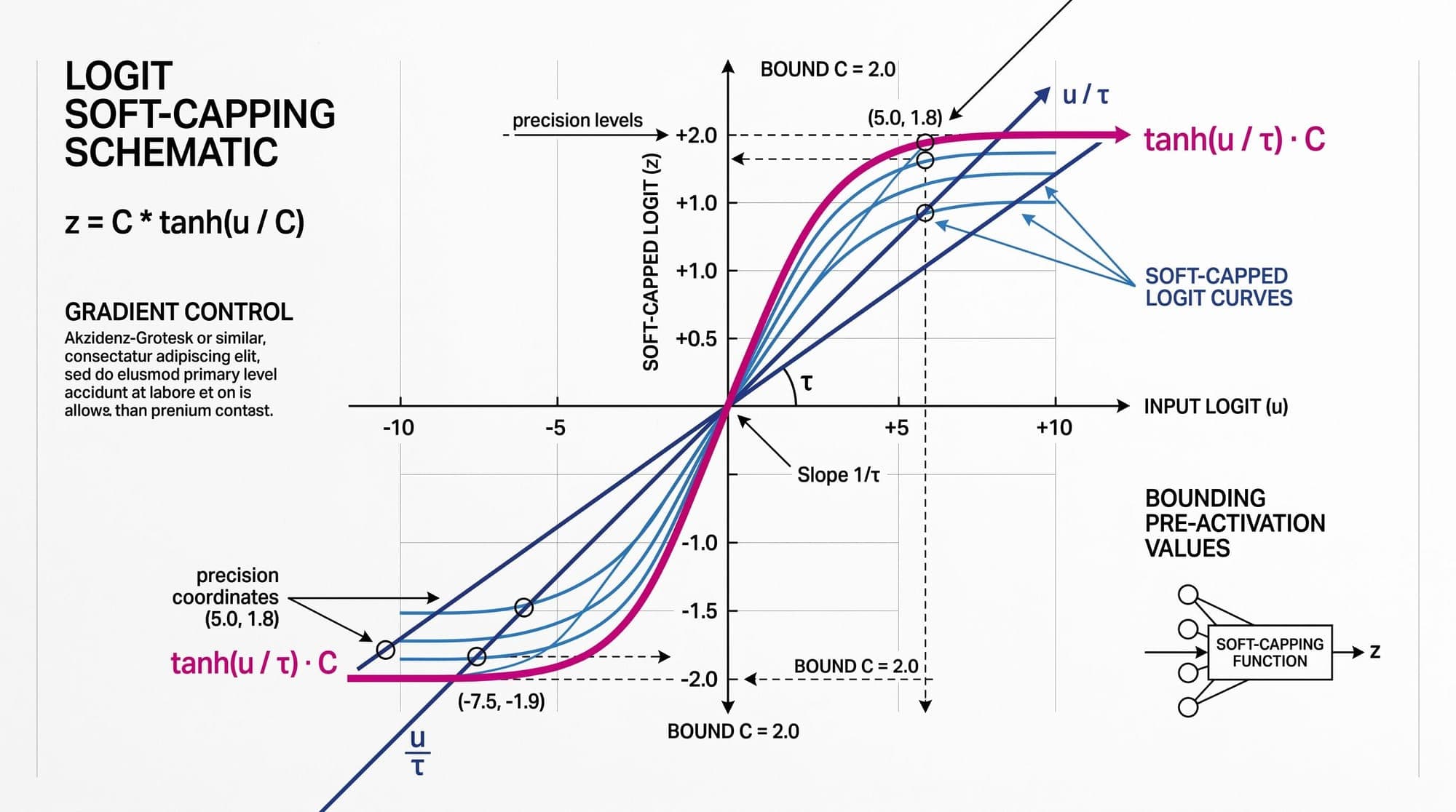
  9. Logit Soft-Capping in Large Language Models: How Tanh-Based Bounds Prevent Attention Saturation and Numerical Instability

    In modern autoregressive Transformer training, maintaining numerical stability across trillions of tokens requires strict control over intermediate activation magnitudes. As models grow deeper and wider, pre-softmax logits in self-attention mechanisms and final vocabulary projection layers frequently drift toward extreme values. When logit values grow unconstrained, standard softmax normalization enters a saturation regime where output probabilities collapse into near one-hot distributions, caus

    AI
    7 min read
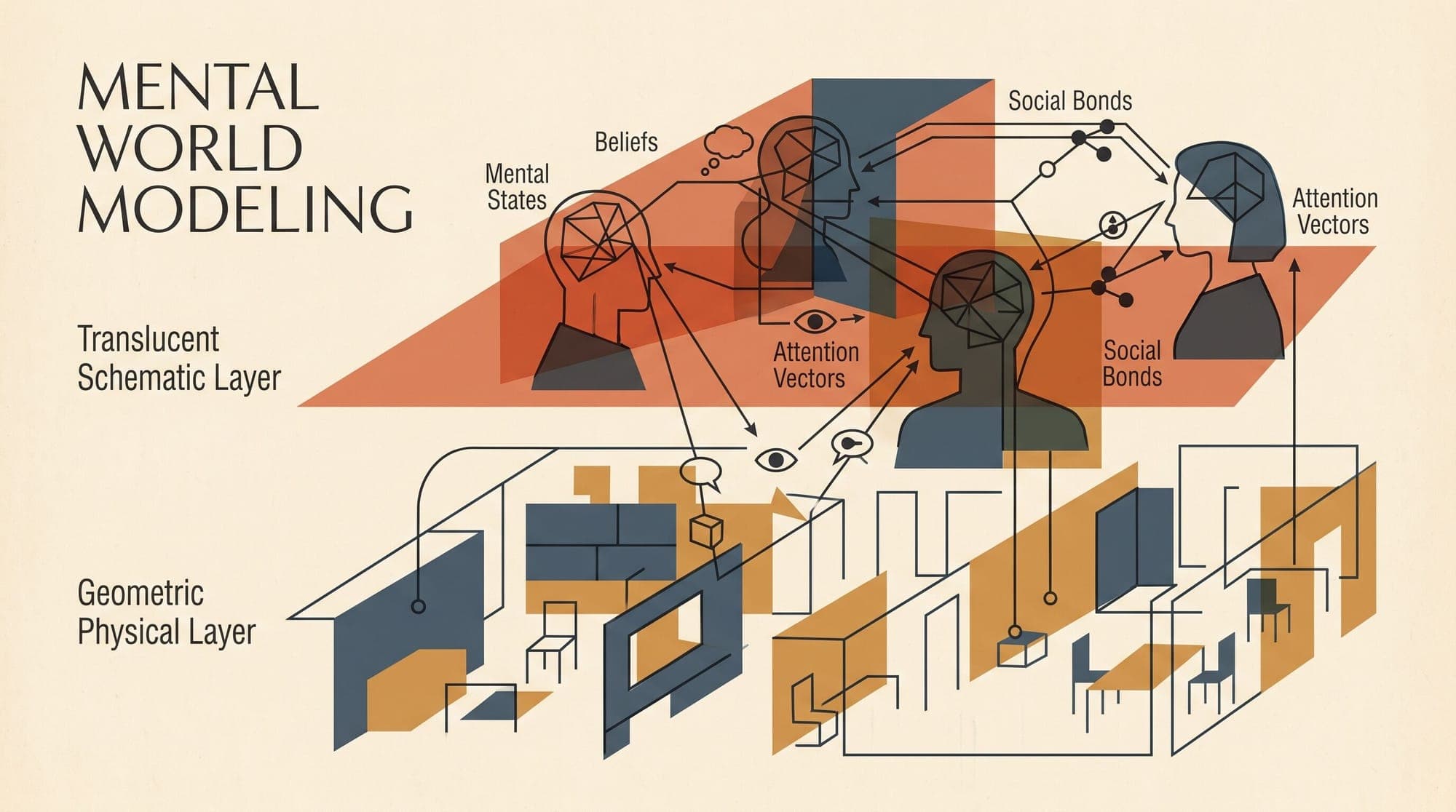
  10. Mental World Modeling: Why Autonomous AI Agents Fail Without Simulating Human Beliefs

    Mental World Modeling: Why Autonomous AI Agents Fail Without Simulating Human Beliefs Current foundation world models, from video simulators like Sora and Genie to spatial representations like JEPA and Marble, focus almost exclusively on the physical mechanics of an environment. They track geometry, object positions, motion trajectories, and visual continuity. However, when autonomous agents interact with humans in collaborative, medical, or domestic settings, physical state tracking alone cons

    AI
    4 min read