Archive / page 15 of 49

Latest articles, page 15

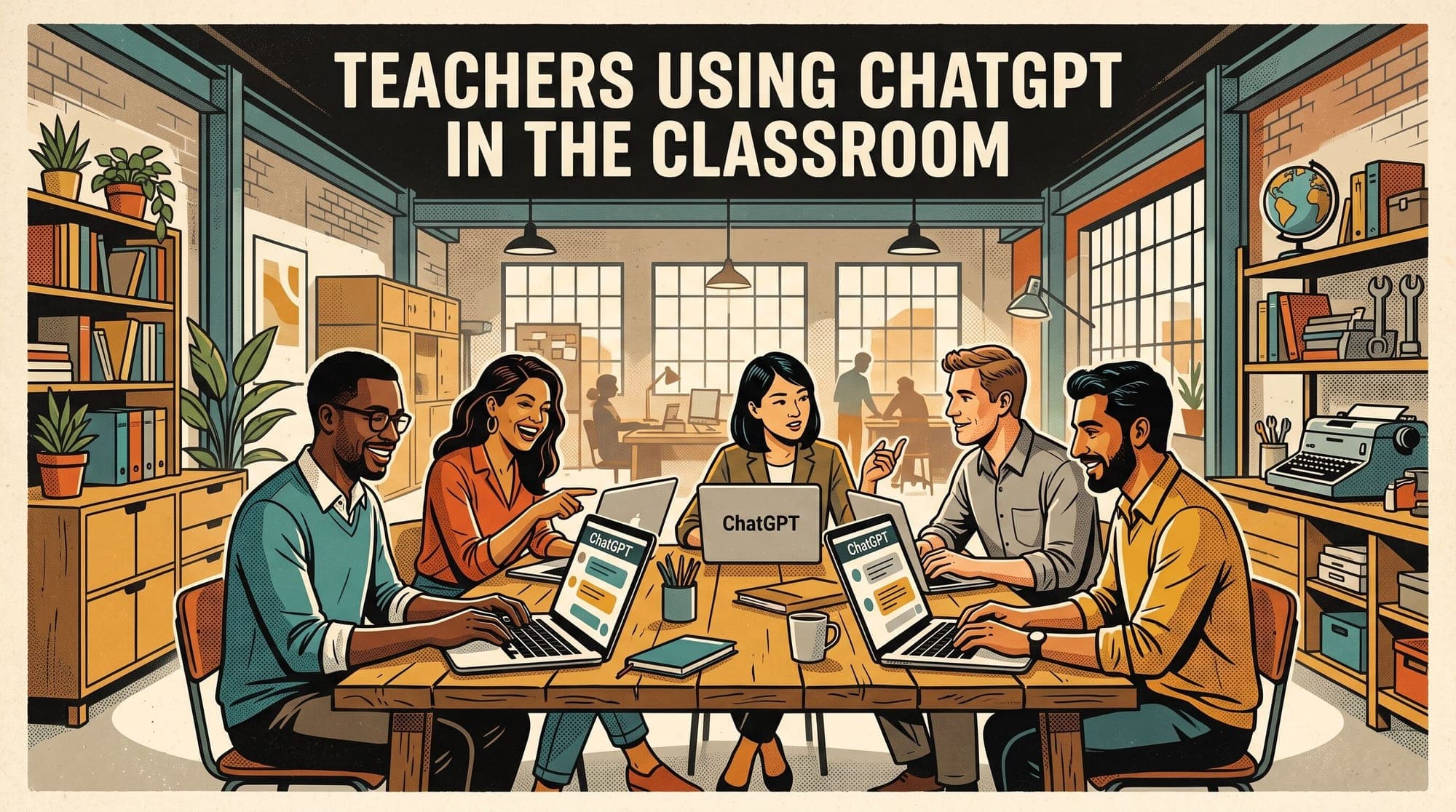
  1. OpenAI Expands ChatGPT for Teachers to Over 100,000 Additional Educators

    OpenAI announced on August 26, 2026 that it is bringing ChatGPT for Teachers to more than 100,000 additional educators and staff through new partnerships with 55 school systems across 20 states. The expansion builds on the initial 2025 launch that reached nearly 150,000 teachers and staff, now totaling over 300,000 educators across 30 states. The new cohort includes one in five of the nation’s 20 largest public school districts and some of the most diverse school systems. Alongside the expansi
    AI
    2 min read
  2. Gemini Live Adds Agentic Spark Tasks, Daily Brief and Voice Inbox Control

    Google said on August 26, 2026 that Gemini Live adds Spark agentic background tasks across Docs, Sheets, Drive and the web, a spoken Daily Brief from Gmail and Calendar, hands-free Gmail triage, and Personal Intelligence across chats and apps. Spark needs AI Pro; Daily Brief needs AI Plus.

    AI
    3 min read
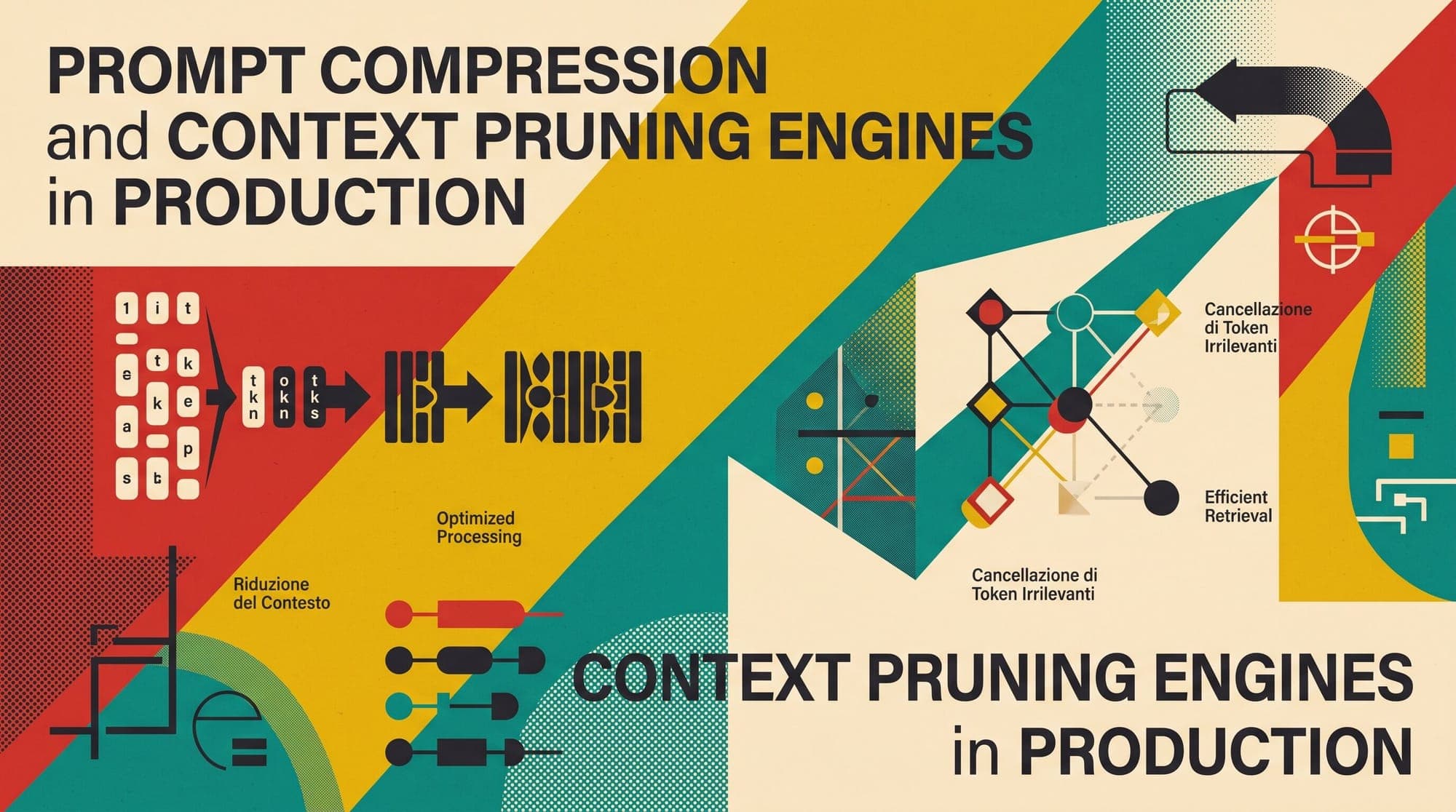
  3. Prompt Compression and Context Pruning Engines in Production: Comparing LLMLingua-2, LongLLMLingua, Selective-Context, and RECOMP

    Prompt Compression and Context Pruning Engines in Production: Comparing LLMLingua-2, LongLLMLingua, Selective-Context, and RECOMP Every non-obvious claim below links to a source. Benchmarks are from the papers as cited; the comparative numbers are taken directly from the LLMLingua-2 paper and the RECOMP paper, not synthesized from prose. The context window paradox is real: modern LLMs accept 128k to 1M tokens, but API cost scales linearly with input length, attention compute scales quadratical

    AI
    9 min read
  4. Google Releases Gemini 3.5 Transcribe with Disfluency Filtering and Task Delegation

    Google has launched Gemini 3.5 Transcribe, a dedicated speech-to-text model designed for real-time streaming, automated disfluency cleanup, and agentic task delegation. The release introduces two API interfaces alongside integration across Google developer tooling and consumer operating system surfaces. Dual API Architecture for Live and Batch Audio Gemini 3.5 Transcribe is split into two operational endpoints tailored for distinct latency profiles: * Real-time streaming (gemini-3.5-transcr

    AI
    2 min read
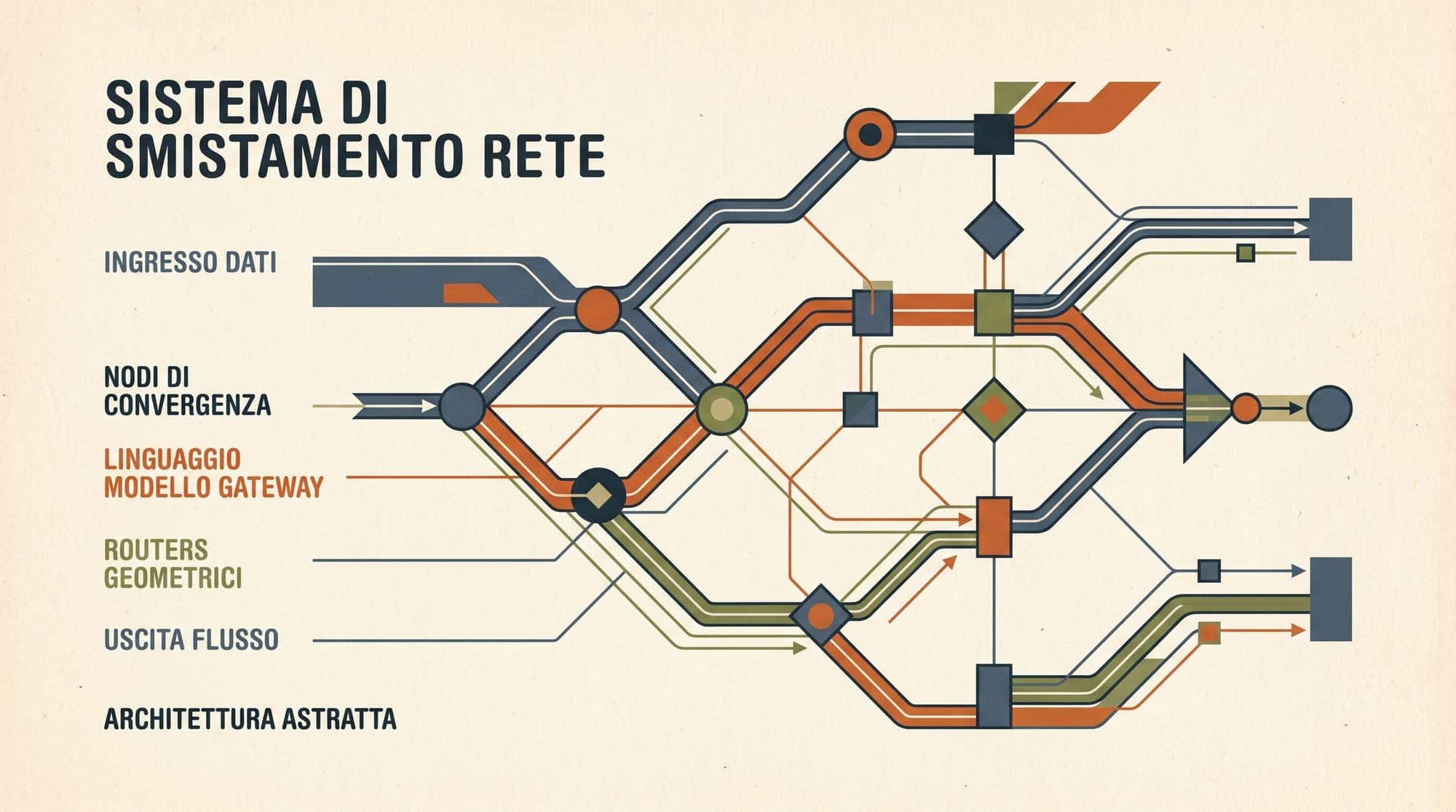
  5. Model Routing and LLM Gateway Architectures in Production: Comparing LiteLLM, Portkey, RouteLLM, and Not Diamond Architecture, Classifier Algorithms, Cascading Fallbacks, and Serving Economics

    Production AI systems rarely rely on a single monolithic language model. As production traffic scales, routing every incoming prompt to a frontier model creates prohibitive compute costs and risks severe provider rate limits. Conversely, standardizing entirely on smaller, lightweight models compromises reasoning depth, domain compliance, and structured extraction quality. To resolve this trade-off, modern AI infrastructure employs a decoupled architectural layer: model gateways and intelligent

    AI
    7 min read
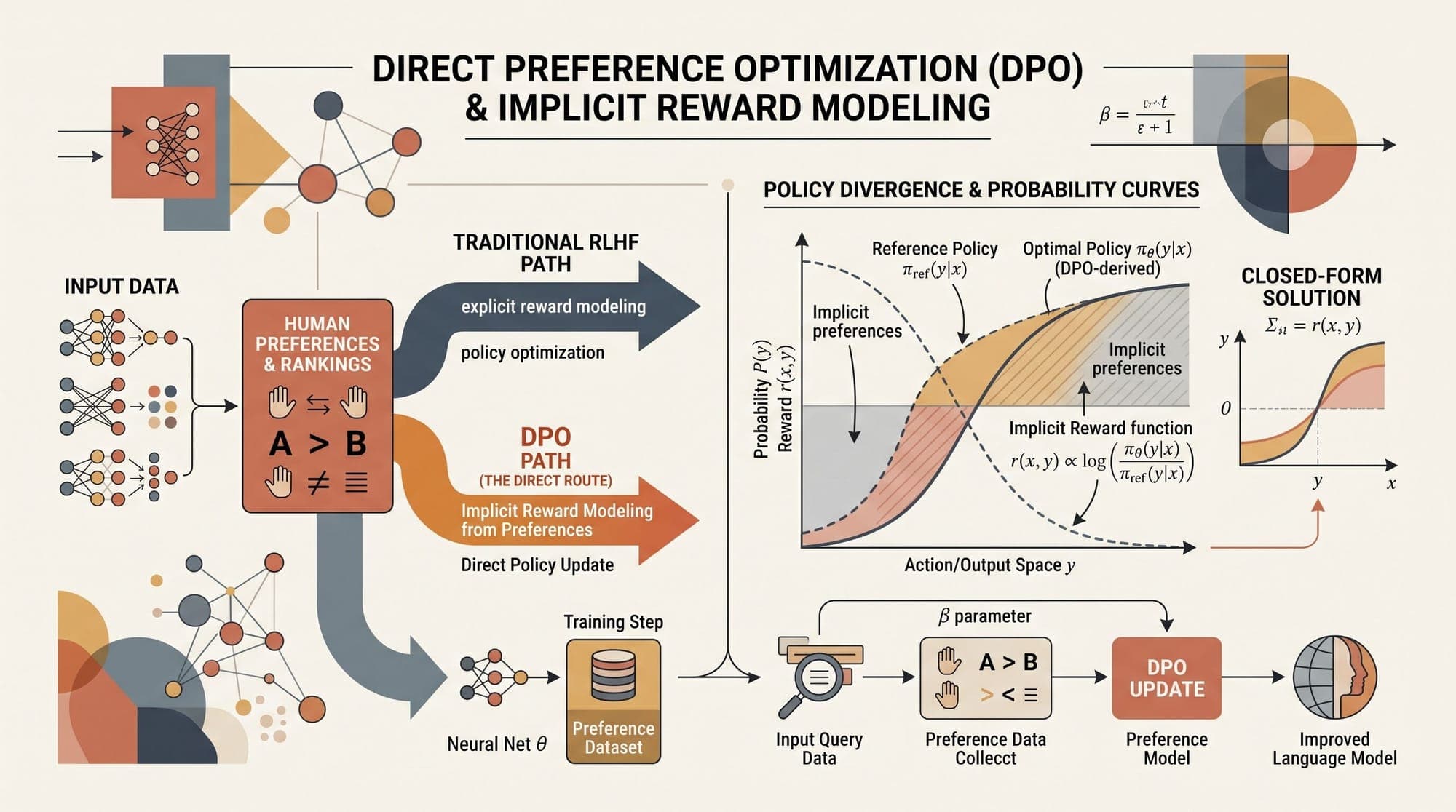
  6. Direct Preference Optimization (DPO): Mathematical Foundations, Implicit Reward Derivation, Closed-Form Bradley-Terry Equivalence, and Reference Policy Regularization

    Direct Preference Optimization (DPO): Mathematical Foundations, Implicit Reward Derivation, Closed-Form Bradley-Terry Equivalence, and Reference Policy Regularization Post-training preference alignment is the central mechanism for transforming pretrained base large language models into instruction-following, steerable, and safe conversational agents. Historically, the dominant paradigm for preference alignment has been Reinforcement Learning from Human Feedback (Christiano et al., 2017; Ouyang

    AI
    15 min read
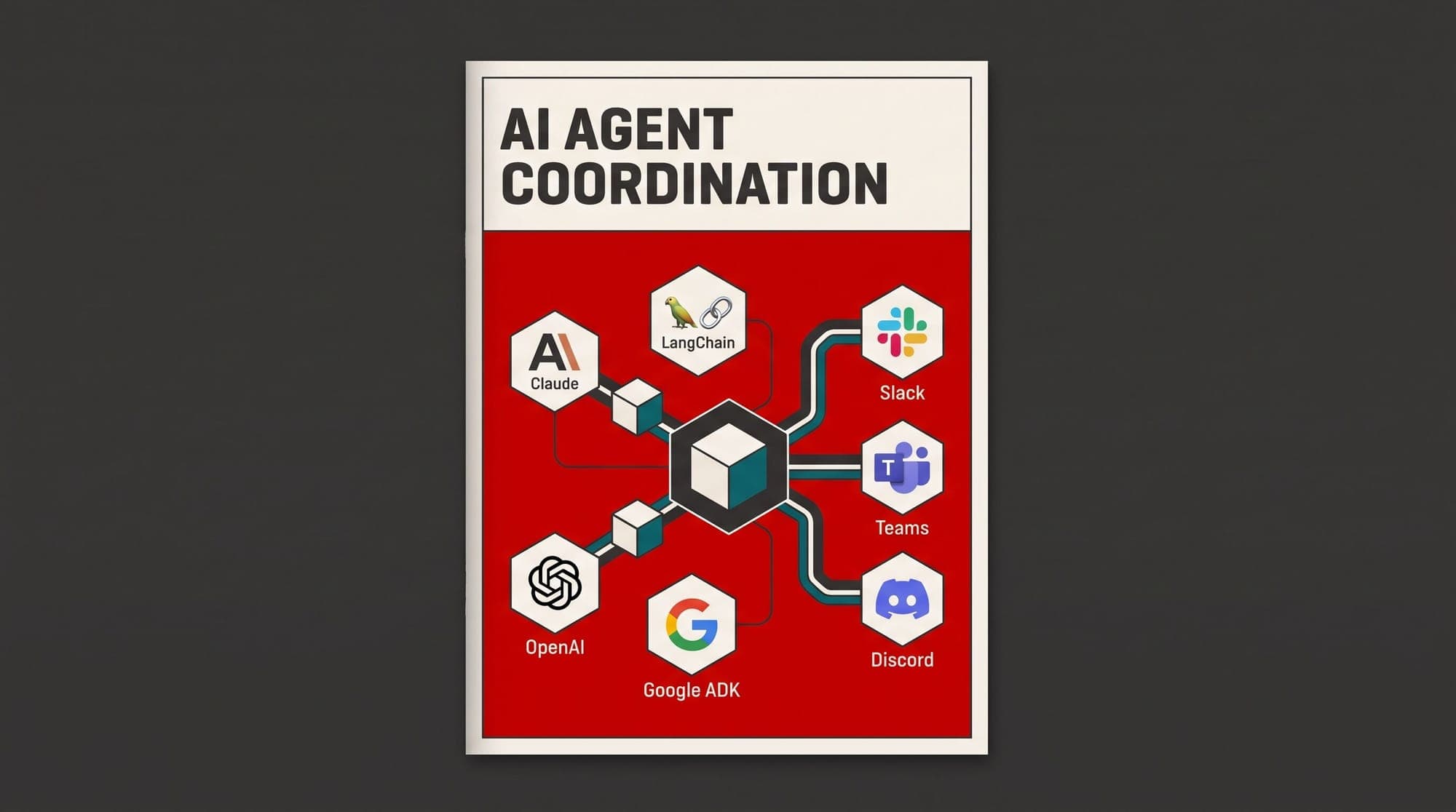
  7. SandboxAQ Open-Sources Switch, a Coordination Layer for AI Agents in Slack and Teams

    SandboxAQ released Switch on August 26, 2026, and made its agent coordination software free to use (PR Newswire). Switch connects AI agents built with Claude Code, Google's Agent Development Kit, LangChain, OpenAI tooling and other frameworks into shared Slack, Microsoft Teams or Discord channels where employees already work. Architecture Switch turns a chat channel into a "room": a shared workspace where people and agents operate with the same context, resources and history. Agents connect t

    AI
    2 min read
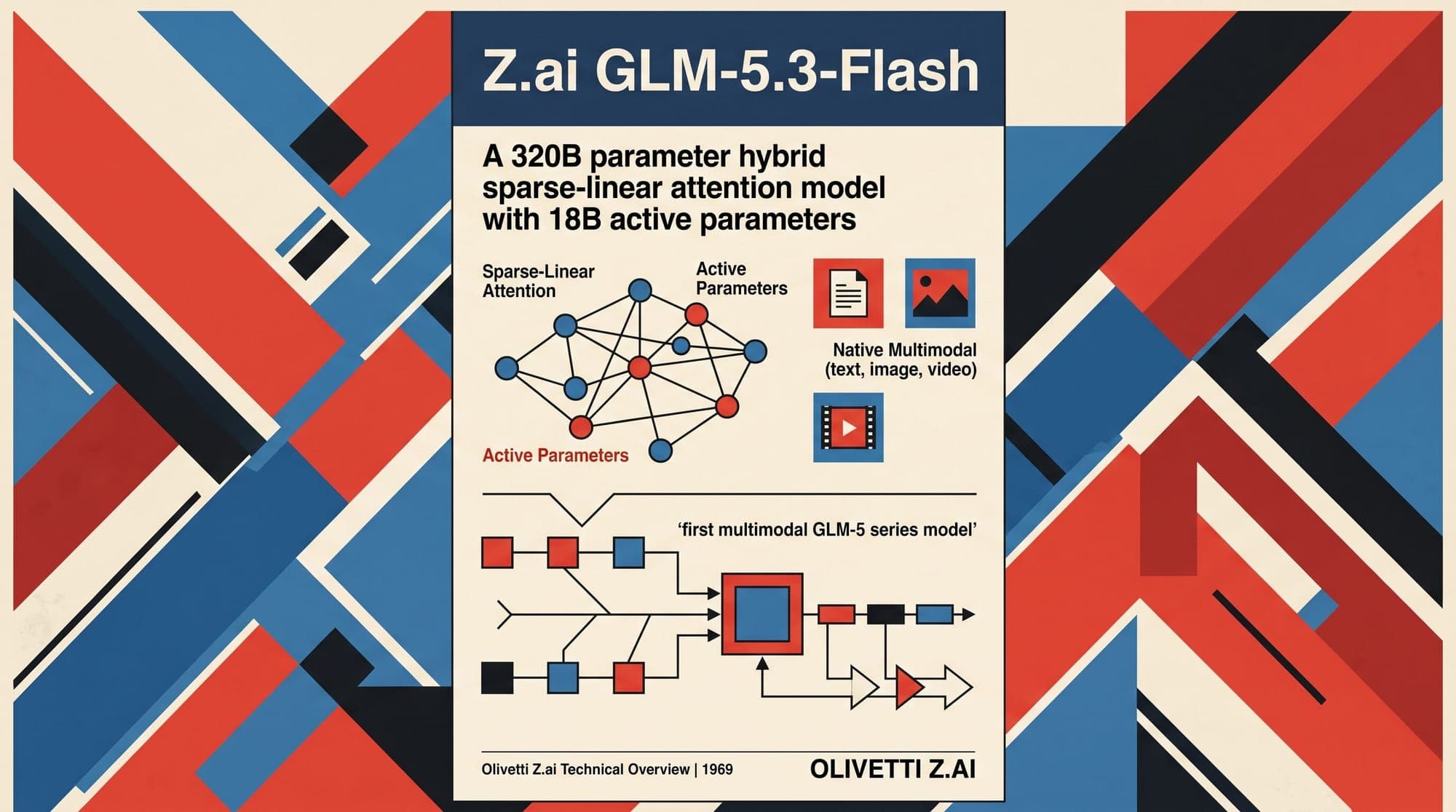
  8. Z.ai releases GLM-5.3-Flash, a 320B parameter hybrid sparse-linear attention model with 18B active parameters

    Z.ai releases GLM-5.3-Flash, a 320B parameter hybrid sparse-linear attention model with 18B active parameters Chinese AI startup Z.ai (formerly Zhipu AI) has released GLM-5.3-Flash, the first natively multimodal model in the GLM-5 series. The model was previously known in stealth as "Ox Alpha" and topped OpenRouter's leaderboard before its official release. GLM-5.3-Flash features a hybrid architecture combining sparse and linear attention with Manifold-Constrained Hyper-Connections (mHC), redu

    AI
    2 min read
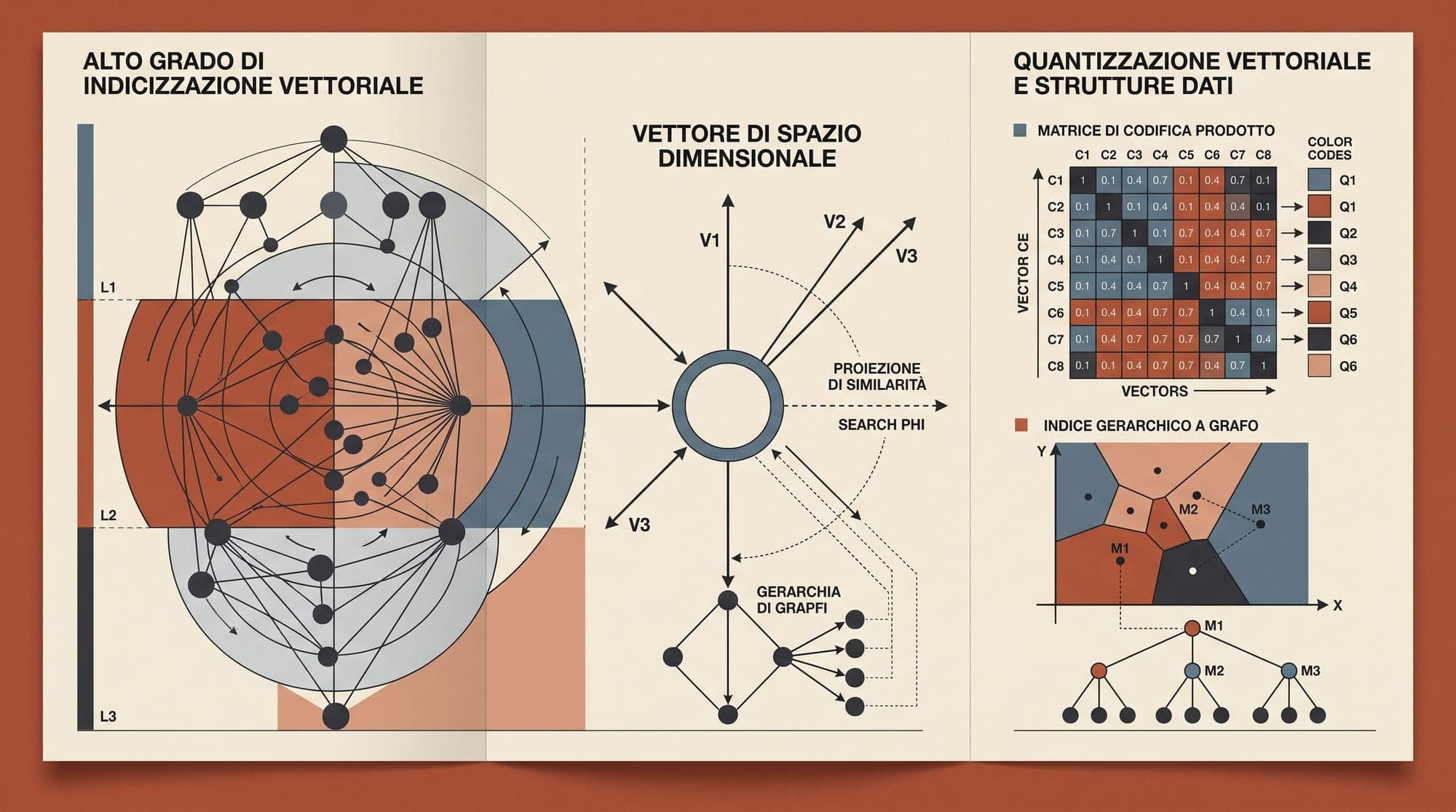
  9. Vector Databases in Production RAG: Comparing Qdrant, Milvus, Weaviate, and pgvector Architecture, HNSW vs DiskANN, Filter Pipelines, Quantization, and Serving Economics

    In production Retrieval-Augmented Generation (RAG) systems, vector retrieval is rarely a simple nearest-neighbor lookup across unconstrained float32 embeddings. Real-world enterprise workloads require strict multi-tenant metadata filtering, low p99 latency under concurrent load, high write throughput for continuous ingestion, and strict memory budgeting. While synthetic benchmarks frequently test unconstrained recall on static datasets, production teams encounter severe operational divergence a

    AI
    9 min read
  10. Arga Raises $10M Seed from General Catalyst to Build Enterprise Simulation Sandboxes for AI Agents

    Arga, a startup developing synthetic simulation environments for training enterprise AI agents, has raised $10 million in a seed funding round led by General Catalyst. The round included participation from Box Group, Emergence, Gradient, and SV Angel. The company builds functional digital twins of enterprise SaaS platforms—such as Salesforce, Workday, and standard email infrastructure—to create sandboxed testing grounds for reinforcement learning (RL) workflows. Addressing the Enterprise Rein

    Funding
    1 min read