SandboxAQ Open-Sources Switch, a Coordination Layer for AI Agents in Slack and Teams
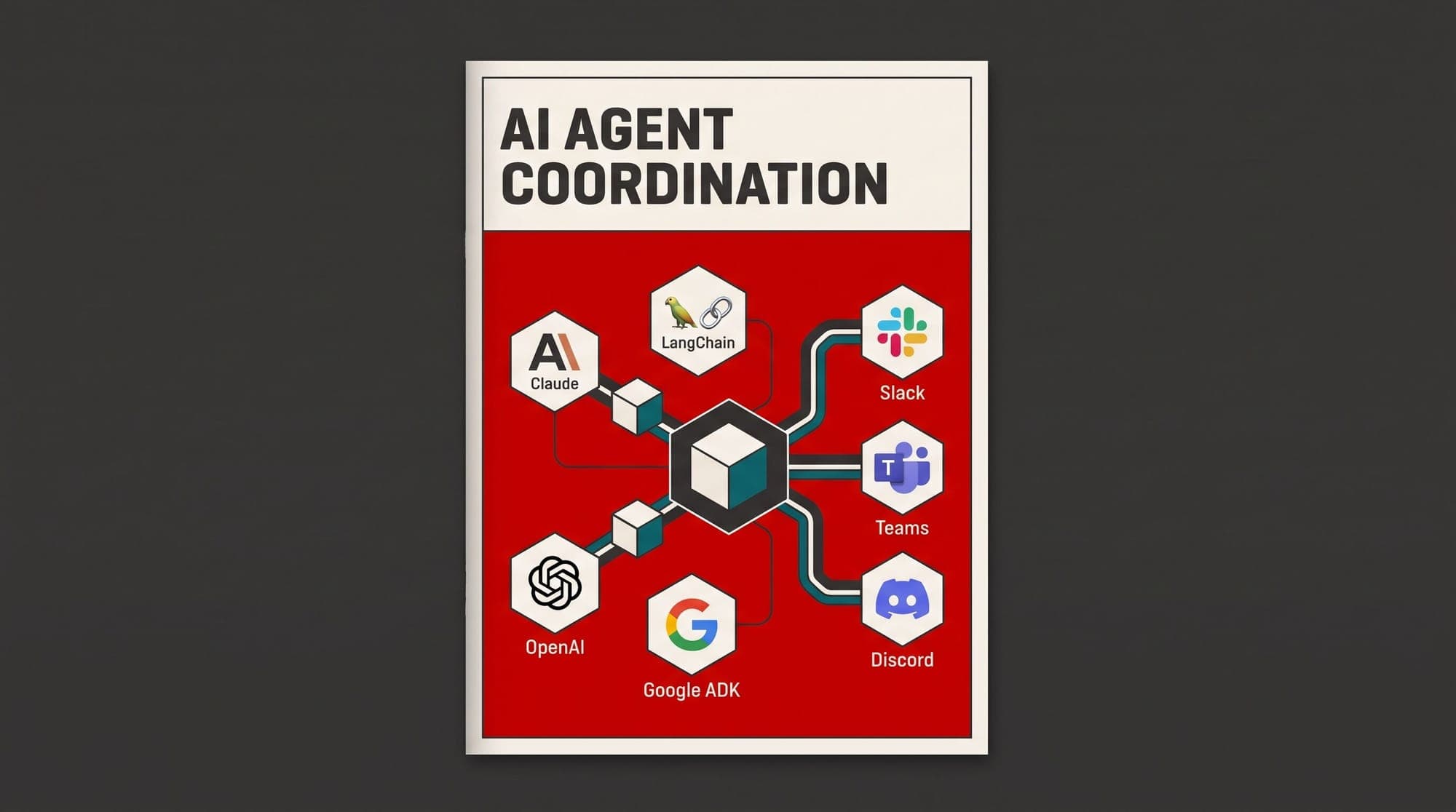
SandboxAQ released Switch on August 26, 2026, making its agent coordination software freely available. The product connects AI agents built on different frameworks — Claude Code, Google's Agent Development Kit, LangChain, OpenAI tooling, and others — into shared Slack, Microsoft Teams, or Discord channels where employees already work.
Architecture
Switch turns a chat channel into a "room": a shared workspace where people and agents operate with the same context, resources, and history. Agents connect through the Model Context Protocol (MCP), APIs, and framework adapters, making the setup vendor-agnostic. One agent can sit in multiple rooms simultaneously, each carrying its own participants and rules. The server component runs on infrastructure the customer controls; deployment runs through a desktop application called the Switch Console.
The release is the second product in SandboxAQ's Flint AI portfolio. The first, Flint CLI, scans and evaluates individual agents locally before they ship. A third layer, Flint Platform, is listed as "coming soon" and promises agent discovery in a company's code, runtime session monitoring, and guardrail enforcement as a cloud service with GitHub integration.
License
Switch is publicly available under Apache 2.0 with the Commons Clause attached. The Commons Clause restricts one right: selling the software itself as a hosted service whose value derives substantially from Switch's functionality. Enterprises can run Switch internally, modify it, redistribute it, and ship commercial products built on top of it. The restriction targets cloud providers or rivals that would rebrand and sell Switch as a managed service.
Business Context
SandboxAQ is best known for Large Quantitative Models in drug discovery, catalysis, and navigation. Switch represents a different bet: give away the coordination plumbing, get rooms running inside enterprises on any model, and let the paid Flint Platform arrive after the agents are already deployed. AWS made a similar infrastructure move this month, backing a federation layer for agent registries, as vendors race to own the connective tissue between agents rather than the agents themselves.
Sources
- Unite.AI: SandboxAQ Makes Switch Free to Put Any AI Agent in Slack and Teams
- PR Newswire: SandboxAQ Open Sources Switch — Bring Any AI Agent Into Any Team Chat
- Flint AI documentation: https://docs.flintai.dev/