Stealth Model 'Ox Alpha' Surfaces with 1M Multimodal Context and 100 Trillion Daily Token Allocation

An anonymous frontier model named "Ox Alpha" has launched across OpenRouter and the OpenCode developer environment, offering free access backed by a reported 100 trillion tokens per day in serving capacity. The model features a 1,048,576-token context window with native multimodal support spanning text, image, and video inputs. The unannounced release follows a pattern of stealth evaluations across AI model aggregators, where frontier labs deploy pre-release checkpoints to collect blind compara

2 min
Stealth Model 'Ox Alpha' Surfaces with 1M Multimodal Context and 100 Trillion Daily Token Allocation

An anonymous frontier model named "Ox Alpha" has launched across OpenRouter and the OpenCode developer environment, offering free access backed by a reported 100 trillion tokens per day in serving capacity. The model features a 1,048,576-token context window with native multimodal support spanning text, image, and video inputs.

The unannounced release follows a pattern of stealth evaluations across AI model aggregators, where frontier labs deploy pre-release checkpoints to collect blind comparative telemetry and stress-test serving infrastructure under public developer workloads.

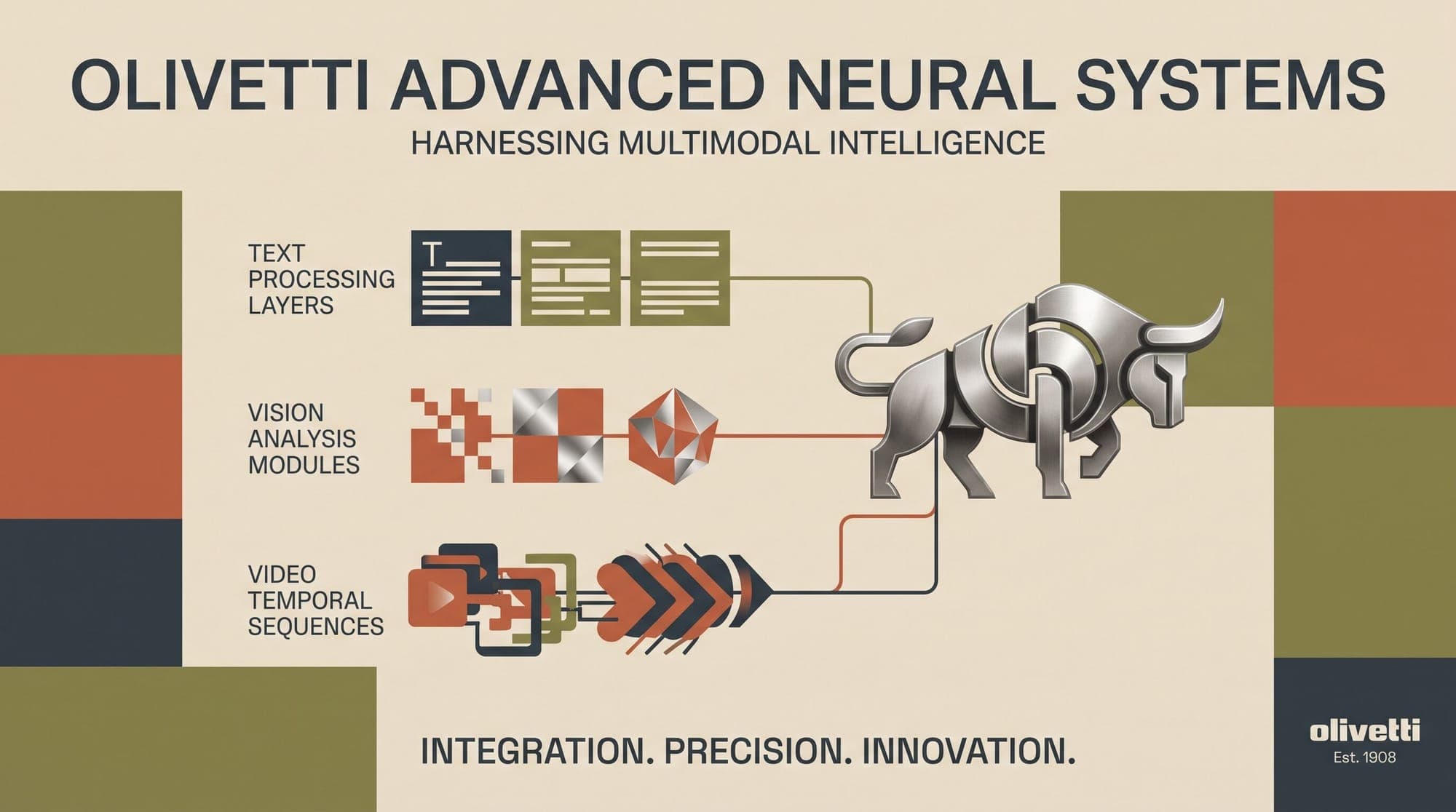
Ox Alpha Multimodal Architecture and Token Ingestion

Model Specifications and Benchmark Performance

Ox Alpha is currently deployed with zero data retention and zero token billing during its evaluation window, which is scheduled to conclude on August 27, 2026. Key technical parameters include:

  • Context Window: 1,048,576 tokens
  • Input Modalities: Text, static images, and video sequences
  • Output Modality: Text and structured code generation
  • Evaluation Throughput: 100 trillion free tokens allocated per day across public developer endpoints

Initial benchmark results shared across developer evaluation suites place the model in close competition with top frontier systems:

  • Kingbench: 87.5% overall accuracy, ranking second directly behind GLM-5.3 and ahead of Claude Opus 4.8 and Qwen 3.8 Max
  • Deep SWA (10-task subset): 80% pass rate, outpacing Grok 4.6 and GPT-5.6 Sol on the test sample
  • SWE Benchmarks: Demonstrated high-context repository navigation and multi-file code editing capabilities

Fingerprinting Points to Zhipu AI / Z.ai

While the developer behind Ox Alpha has not officially revealed its identity, empirical fingerprinting by independent researchers indicates strong alignment with Zhipu AI's model family.

Key indicators identified by community researchers include:

  1. Tokenizer Vocabulary: Byte-pair token distribution and vocabulary IDs mirror the GLM-5.3 tokenizer with a consistent 75-token offset.
  2. Error String Parity: System diagnostic responses and edge-case exceptions match internal server signatures previously cataloged from Z.ai endpoints.
  3. Historical Precedent: Zhipu previously utilized the "Pony Alpha" moniker for blind public testing prior to the formal launch of GLM-5.
  4. Multimodal Extension: While public GLM-5.3 endpoints are predominantly text-based, Ox Alpha incorporates native video frame chunking consistent with Zhipu's GLM-5V research architecture.

The free access period is anticipated to transition into a formal commercial API tier once the benchmarking phase concludes.


Sources

Written by

More to read

  • Investigation Finds Anthropic's Legacy Opus 4.6 Vulnerable to Jailbreaks via Roleplay Logic Inversion

    Anthropic's legacy Claude Opus 4.6 model remains susceptible to systematic jailbreaks that bypass its acceptable use policy against sexually explicit material, according to an investigation and testing published by TechCrunch. While Anthropic's current flagship generation (Opus 4.7 through Opus 5) incorporates updated alignment techniques that resist the attack vector, older checkpoints including Opus 4.6, Opus 3, and Haiku 4.5 continue to operate on production API endpoints without deprecation.

    1 min
  • Anthropic IPO Filing to Cite AI Backlash and Data Center Resistance as Material Risk Factors

    Anthropic is preparing to disclose public backlash against artificial intelligence and community opposition to data center construction as material risk factors in its upcoming initial public offering prospectus, according to reports from CNBC. The San Francisco-based AI laboratory, which recently crossed a $65 billion annualized revenue run rate and is valued near $1 trillion in private transactions, is drafting the S-1 registration statement as it conducts preliminary investor meetings. The d

    1 min
  • Embedded Vector Databases in Production: Comparing LanceDB, sqlite-vec, DuckDB-VSS, and Chroma

    Dedicated, client-server vector databases like Milvus, Qdrant clusters, and Pinecone dominate enterprise discussions around retrieval-augmented generation (RAG). However, production engineering reality increasingly favors a different topology: embedded, in-process vector engines. Running vector search directly inside the application process eliminates network round-trip overhead (typically 15-50ms over cross-datacenter or cloud VPC hops), removes dedicated database infrastructure management, an

    1 min

