LLM Serving6 articles

LLM Serving

Articles

  • GraphRAG Frameworks and Architectures in Production: Comparing Microsoft GraphRAG, LightRAG, Neo4j GenAI, and Kùzu

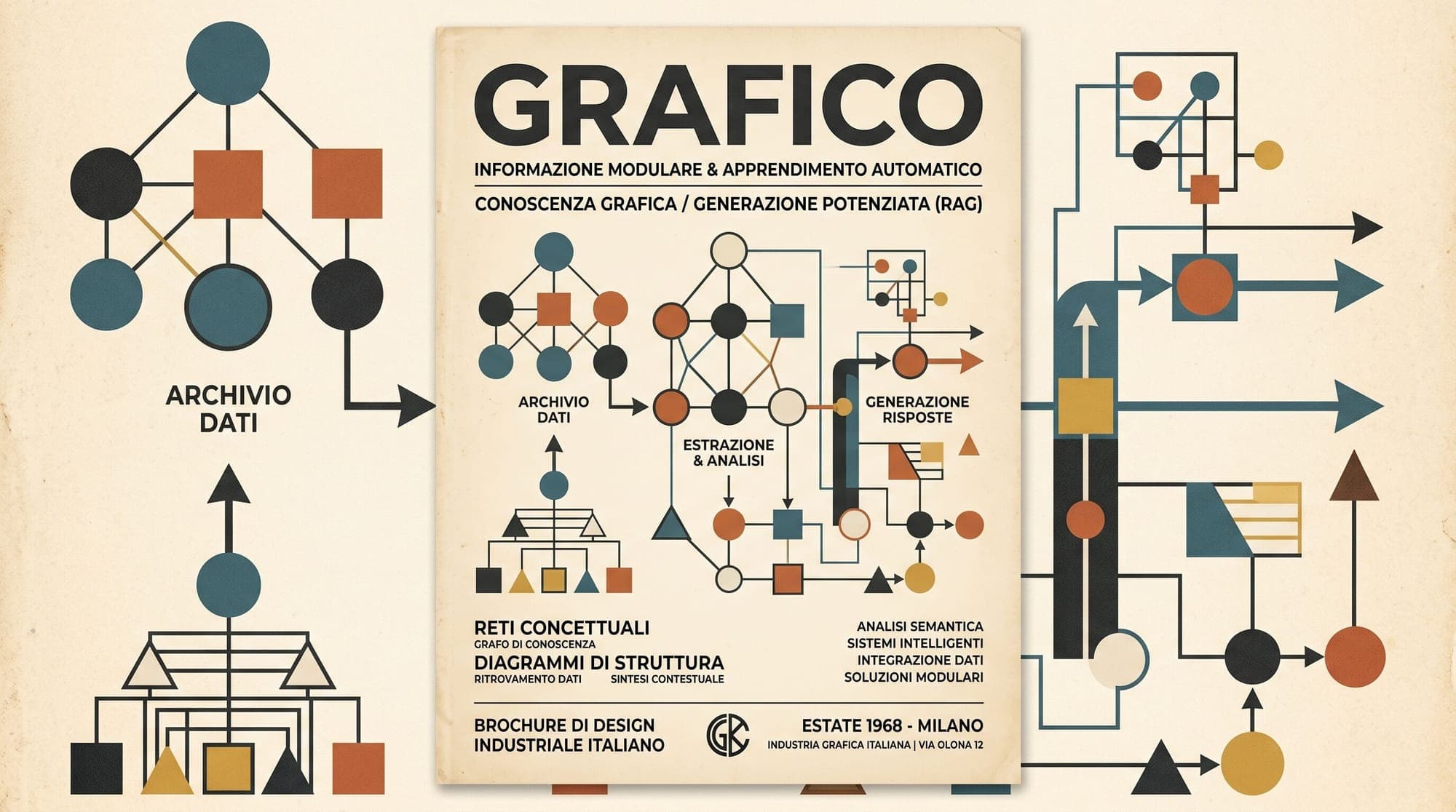
    Standard dense retrieval-augmented generation (RAG) relies on vector embeddings to retrieve top-k chunks based on cosine similarity. While effective for point-lookup queries against localized text segments, dense vector search breaks down under two common production workloads: multi-hop relational reasoning across disconnected documents and global corpus-wide summarization. When answering questions that require traversing relationship paths across disparate data points, or synthesizing broad th

    1 min
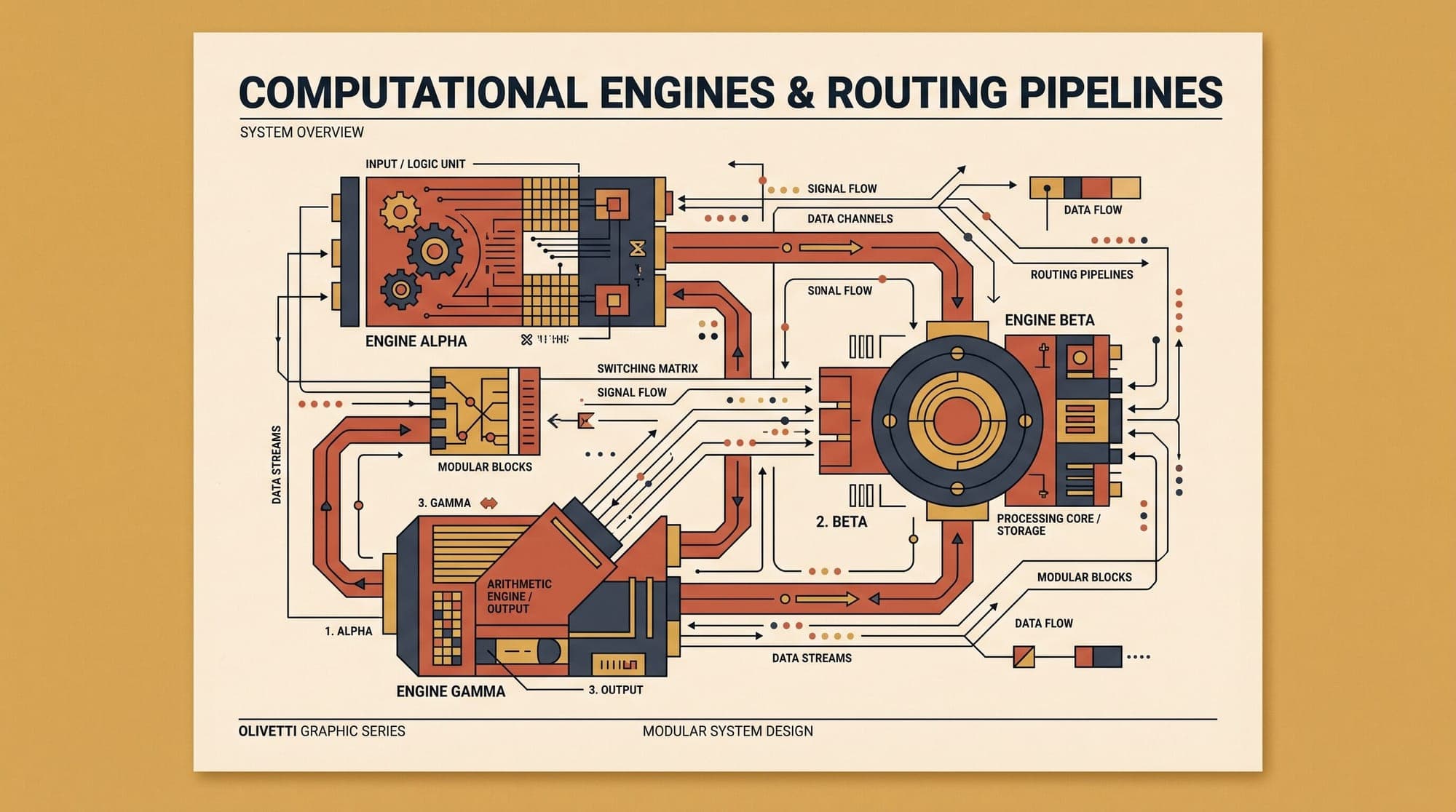
  • Model Routing and Cascades in Production: Comparing RouteLLM, FrugalGPT, Embedding Classifiers, and Verifier Cascades

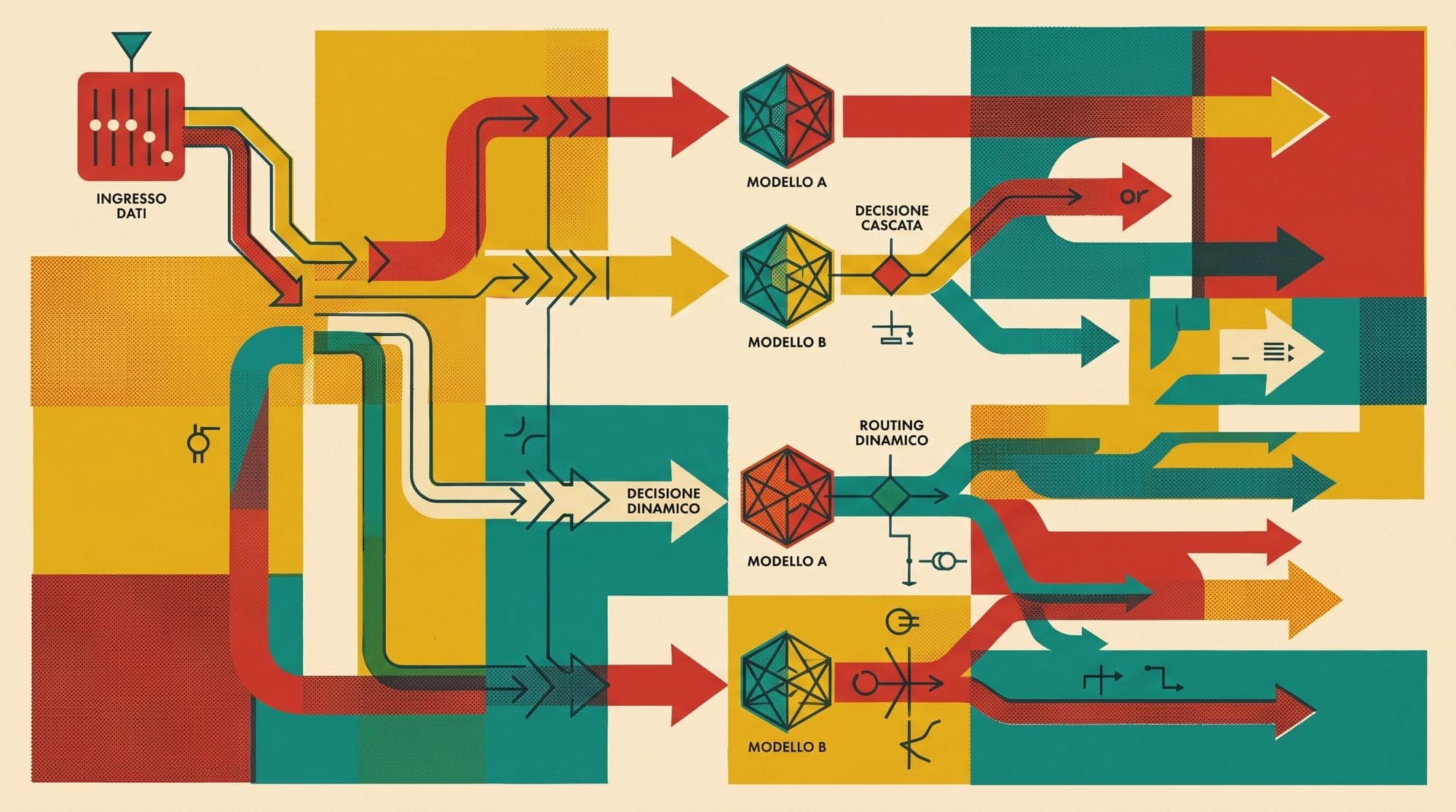
    Model Routing and Cascades in Production: Comparing RouteLLM, FrugalGPT, Embedding Classifiers, and Verifier Cascades Enterprise LLM deployments face a persistent structural inefficiency: the uniform routing of all incoming queries to flagship frontier models. Commercial API pricing and self-hosted GPU infrastructure costs span two orders of magnitude between lightweight models (such as Llama 3.1 8B, GPT-4o-mini, and Claude 3.5 Haiku at $0.15 to $0.30 per million tokens) and frontier reasoning

    1 min
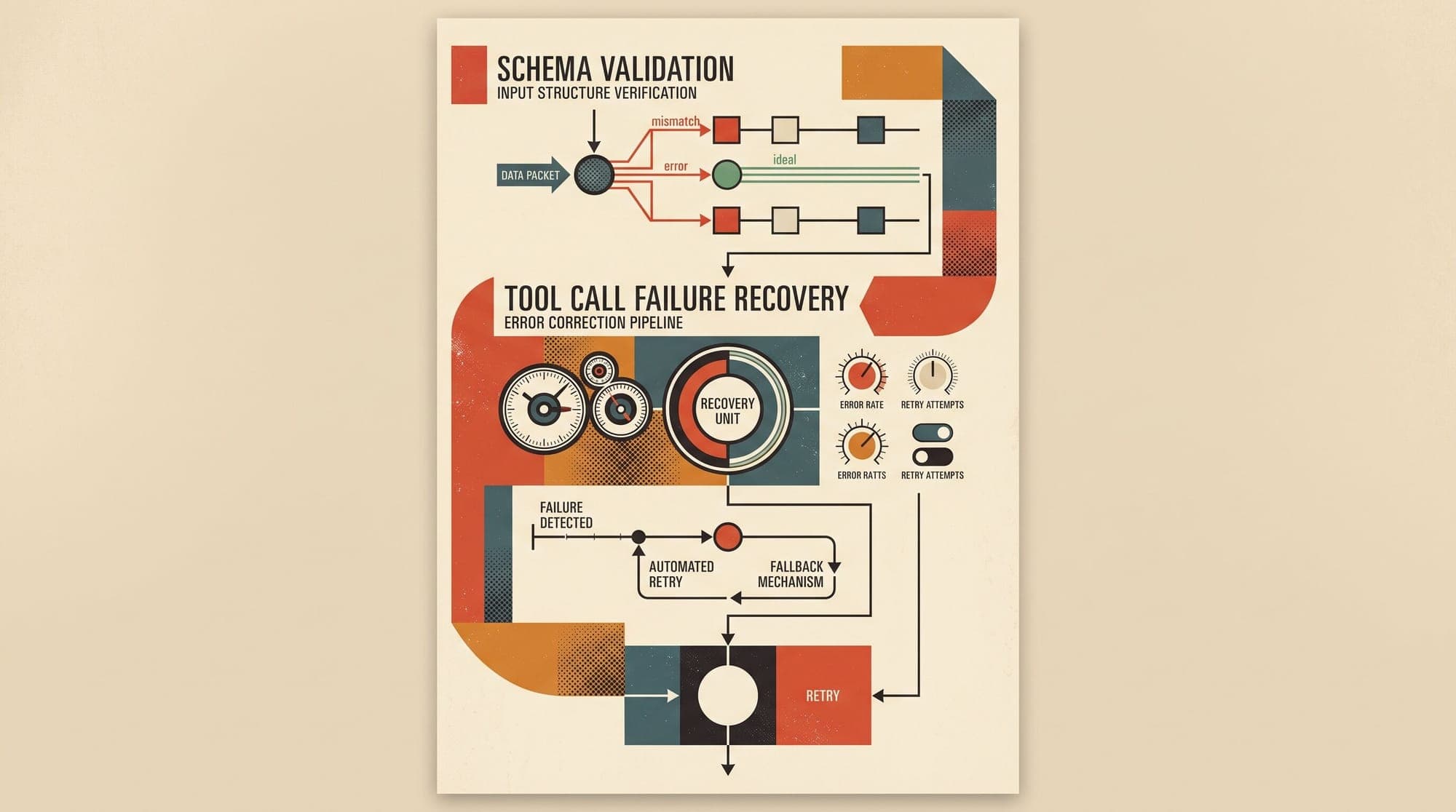
  • Tool-Call Failure Recovery in Production AI Agents: Syntactic Repair, Schema Coercion, Parameter Inoculation, and Dynamic Fallback Architectures

    Tool-Call Failure Recovery in Production AI Agents: Syntactic Repair, Schema Coercion, Parameter Inoculation, and Dynamic Fallback Architectures Autonomous language model agents operate by interleaving natural language reasoning traces with structured tool invocations. However, when deployed in multi-turn production environments, raw tool calling exhibits significant fragility. Empirical studies from benchmark suites such as $\tau$-bench (arXiv:2406.12045) and the Berkeley Function Calling Lead

    1 min
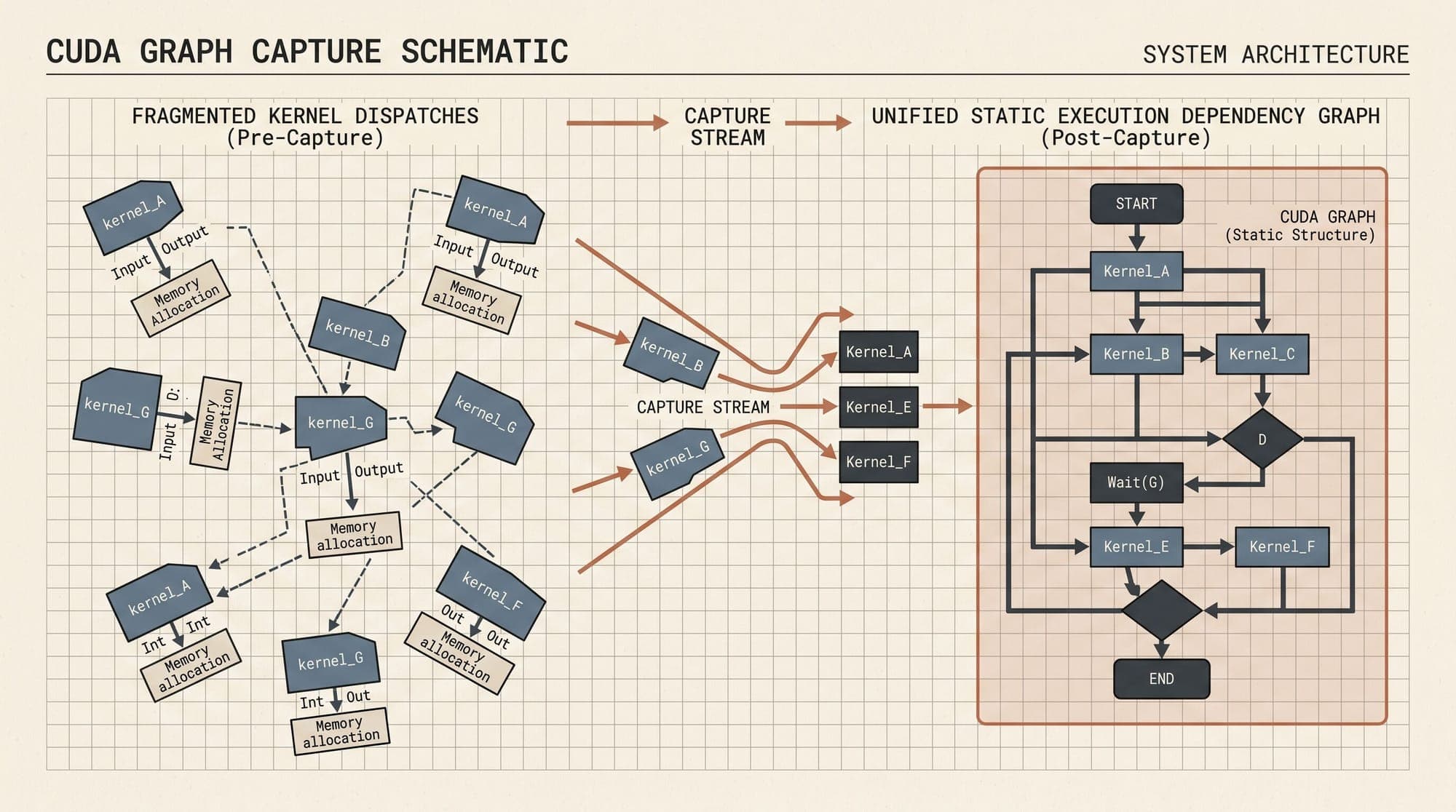
  • CUDA Graph Capture in Production LLM Serving: Dynamic Batch Bucketing, Static Memory Pooling, and Kernel Launch Elimination

    CUDA Graph Capture in Production LLM Serving: Dynamic Batch Bucketing, Static Memory Pooling, and Kernel Launch Elimination In high-throughput large language model serving, the autoregressive generation (decode) phase presents an operational bottleneck distinct from prefill processing. While prefill computation is dominated by compute-bound General Matrix Multiplications (GEMMs) operating across extended sequence lengths, autoregressive decoding processes a single token per sequence at each ite

    1 min
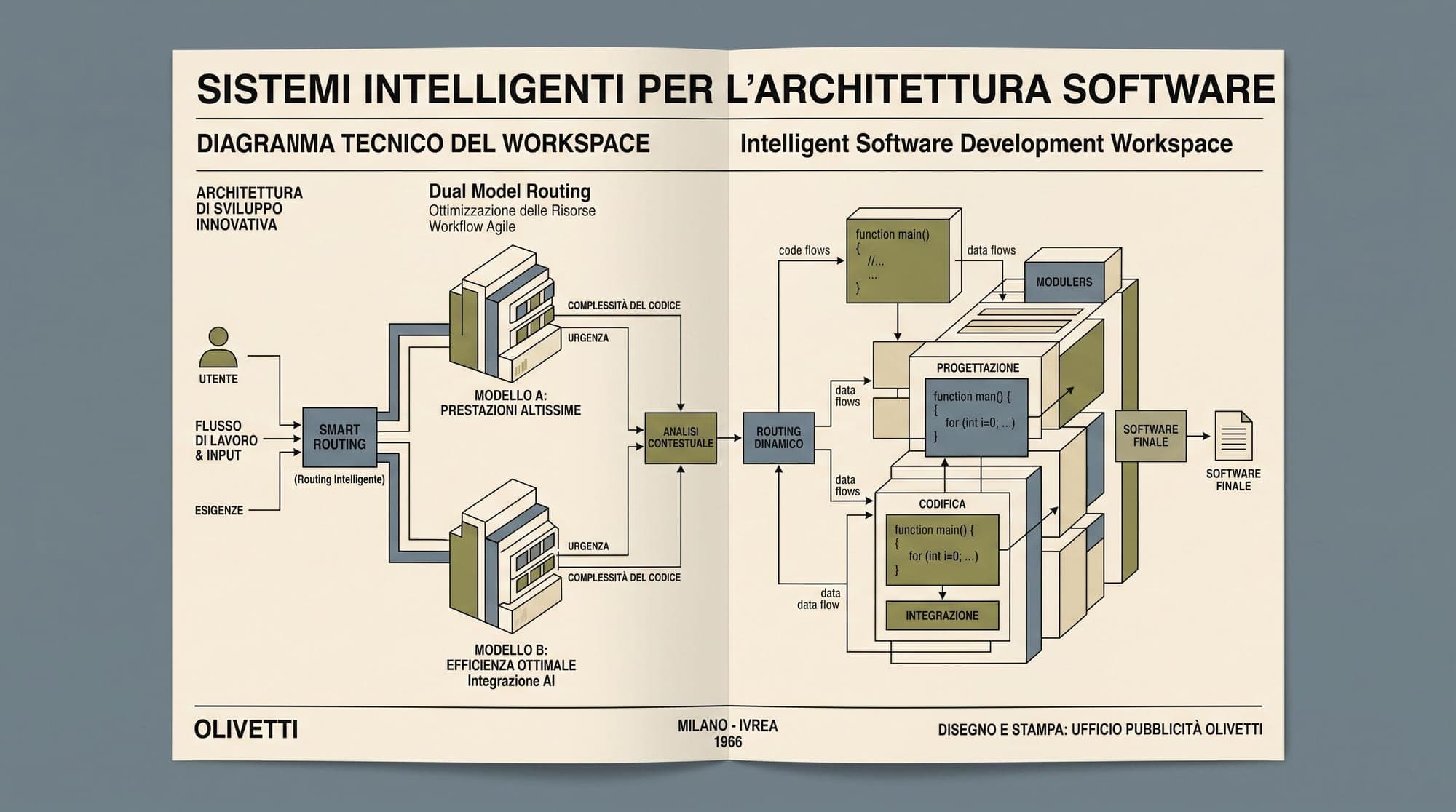
  • Replit Launches Free Mode Powered by OpenAI's GPT-5.6 Luna

    Software development platform Replit announced the rollout of Free Mode, a tier powered by OpenAI's GPT-5.6 Luna model designed to support zero-cost planning, exploration, and codebase assistance. The integration utilizes recent inference cost reductions and efficiency improvements within the GPT-5.6 model family to provide unmetered conversational assistance without drawing from paid compute budgets. Model Routing and Persistent Project Context Replit Free Mode integrates directly into the

    1 min
  • LLM Serving Frameworks in Production: SGLang vs. vLLM vs. TensorRT-LLM Architecture, Memory Management, and Throughput Trade-Offs

    Serving large language models in production has moved beyond simple iteration-level scheduling. While basic continuous batching solved the fundamental problem of GPU starvation during autoregressive decoding, modern production demands have shifted the engineering bottleneck toward KV cache memory reuse, compilation overhead, and structured generation efficiency. Three dominant serving runtimes currently lead high-throughput deployments: vLLM, SGLang, and NVIDIA TensorRT-LLM. Each framework appr

    1 min