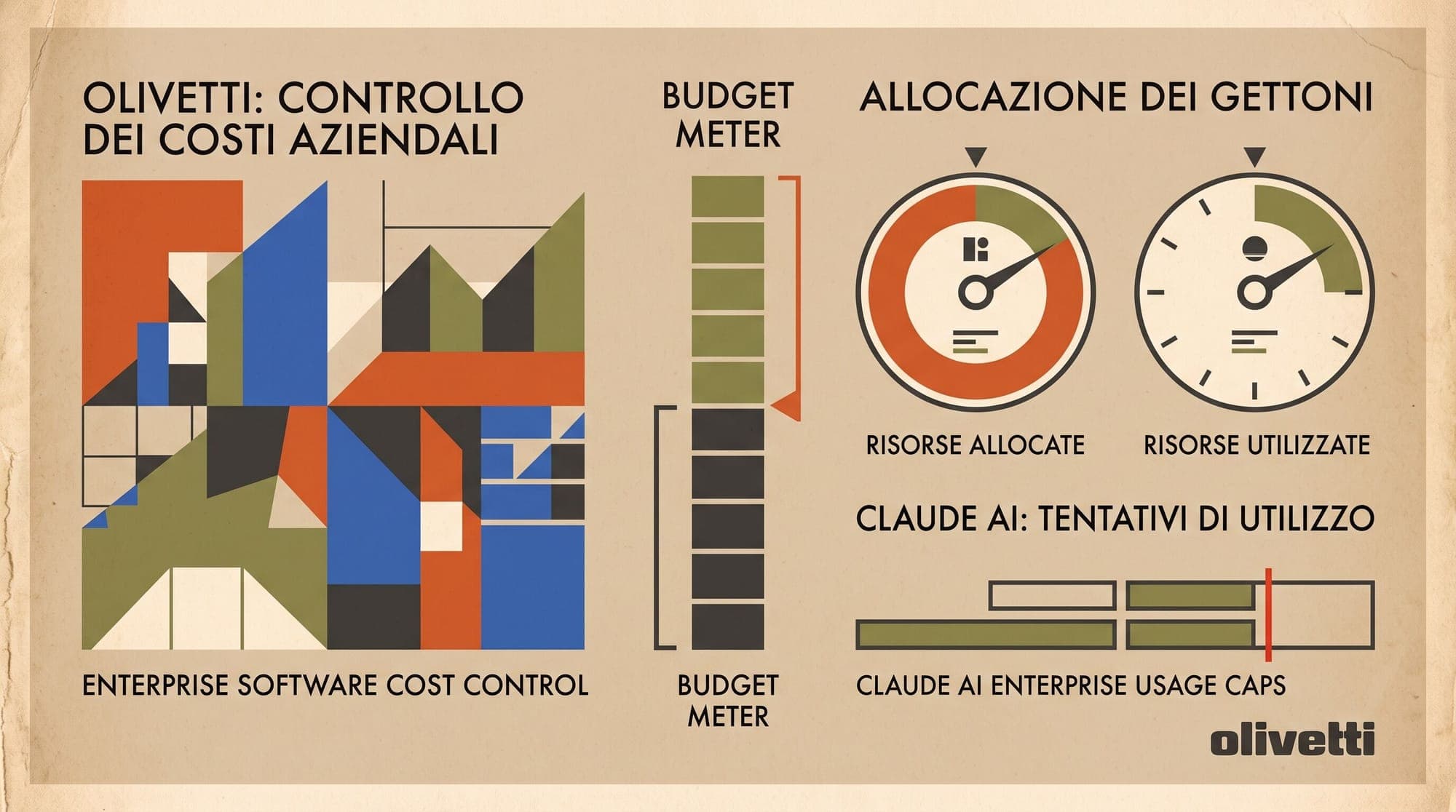
Global IT services and consulting firm Accenture has instituted a centralized spending cap on employee access to Anthropic's Claude, limiting central corporate funding to $29 per month per worker. The move follows internal spending reviews that revealed heavy users, particularly software engineers and consultants utilizing Anthropic's agentic coding tools, were running monthly inference bills between $500 and $1,000 per seat.
Policy Structure and Budget Shifting
Effective October 1, 2026, the new policy establishes a baseline monthly allowance covering standard General tier enterprise accounts. Employees whose workflows require higher token consumption, such as those building automated AI accelerators or operating agentic CLI tools like Claude Code, can no longer rely on central corporate coverage for overages.
Under the updated guidelines, additional consumption beyond the $29 central allowance must be explicitly charged to specific client engagement codes (Work Breakdown Structure) or departmental budgets. Premium accounts that feature higher weekly token ceilings ($250 per week) require formal project allocation and role-based review before approval.
Fixed-Price Contracts and Margin Pressure
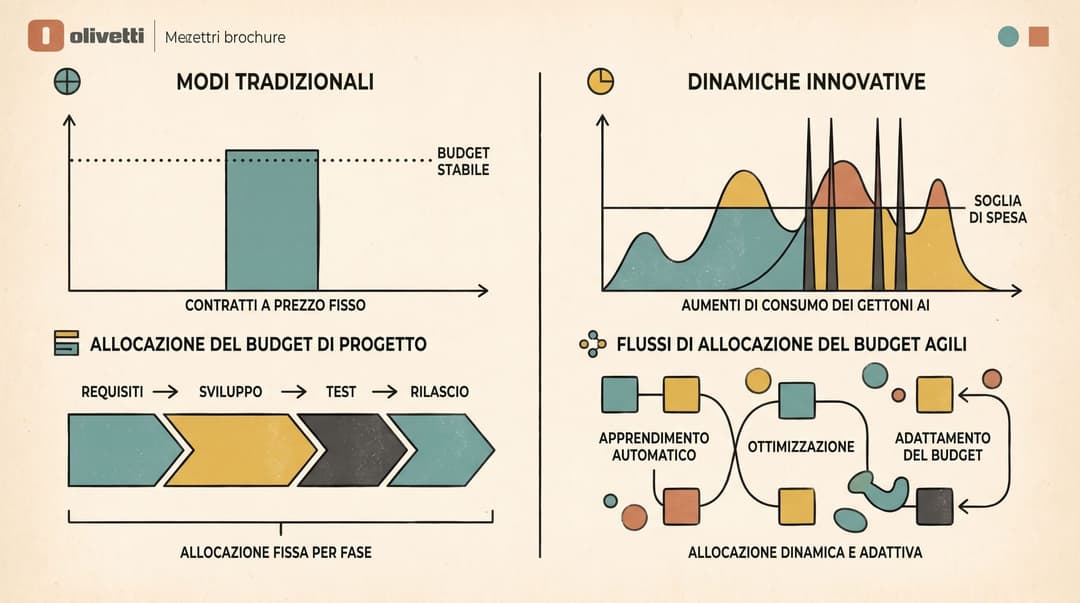
The spending cap highlights an operational friction point between usage-based AI inference pricing and traditional enterprise IT services delivery models. Fixed-price contracts represent more than 65% of Accenture's total bookings. On fixed-price client engagements, unanticipated compute and API expenses cannot be passed through to the client and instead directly reduce the firm's operating margins, which management guided to target between 15.9% and 16.1% for fiscal 2027.
By shifting variable API charges from centralized general overhead to individual project billing codes, the policy enforces cost attribution directly against project profitability metrics.
Broader Industry Restrictions
Accenture's policy reflects an accelerating trend among enterprise technology firms seeking to contain developer API spending on third-party models. Both Microsoft and Meta have recently implemented comparable policies to monitor or curb internal employee spend on external frontier models like Claude, encouraging teams to optimize prompts, cap per-user token consumption, or migrate workloads to internally hosted model infrastructure.
Sources
- 404 Media: Accenture Tells Employees They Can Now Spend Only $29 on Claude Per Month
- Forbes: Accenture Clarifies Claude Spending Limits As AI Cost Questions Grow
- TechRadar: Accenture employees will only be able to spend $29 on Claude per month
- 24/7 Wall St: Accenture Just Capped Employees' Claude Spending at $29 a Month