Meta Releases Pocket in the US for Prompt-Based Game Generation

Meta has released Pocket in the United States, expanding access to an experimental mobile application designed to generate and share lightweight interactive games through natural language prompting. The app first launched as a regional test in Brazil in late June 2026 before receiving its broader version 26.0 update on August 20, 2026. Pocket represents the product integration of Meta's earlier acquisition of the startup Atma Sciences, the original developers behind the Gizmo mobile platform.

2 min
Meta Releases Pocket in the US for Prompt-Based Game Generation

Meta has released Pocket in the United States, expanding access to an experimental mobile application designed to generate and share lightweight interactive games through natural language prompting.

The app first launched as a regional test in Brazil in late June 2026 before receiving its broader version 26.0 update on August 20, 2026. Pocket represents the product integration of Meta's earlier acquisition of the startup Atma Sciences, the original developers behind the Gizmo mobile platform.

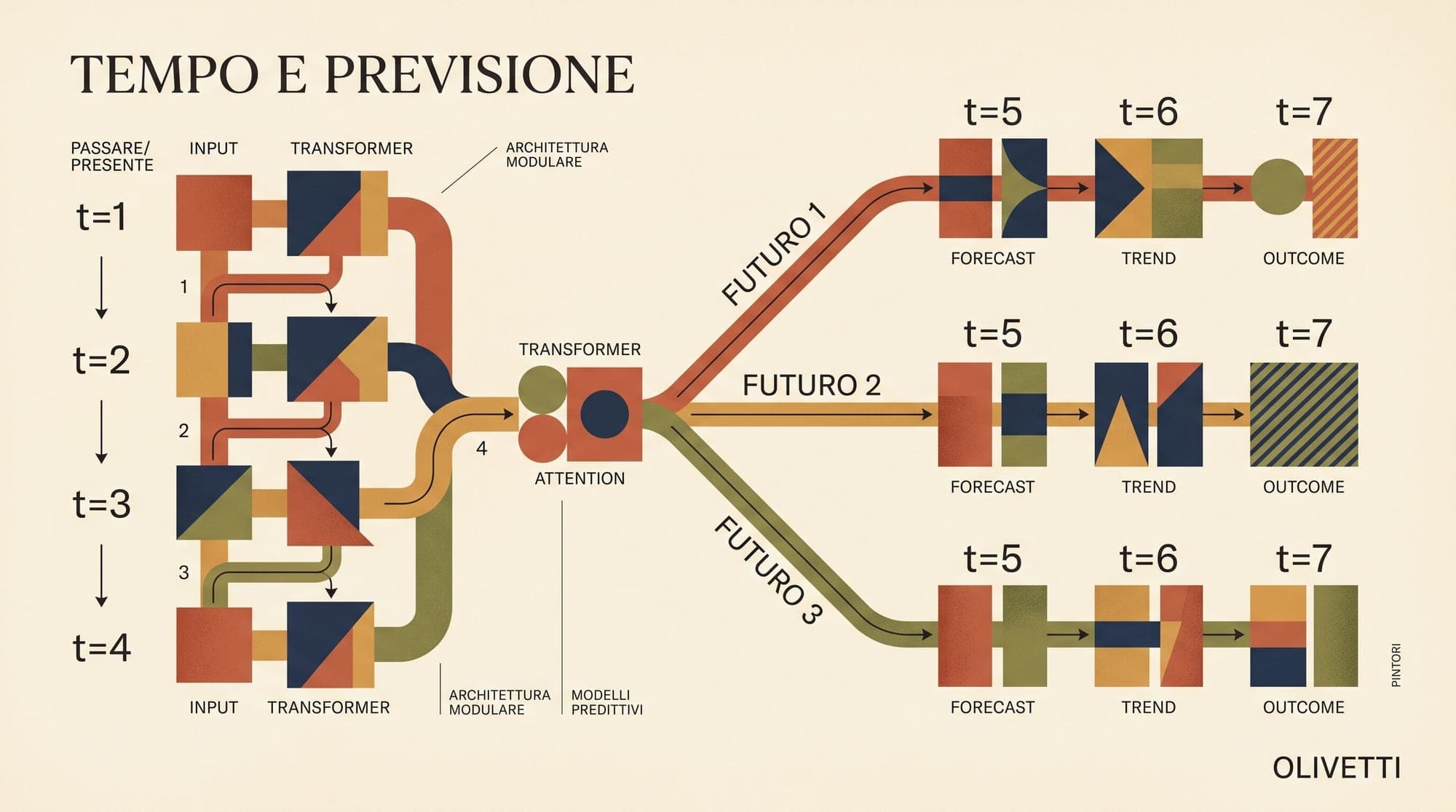
Pocket Interactive Generation Architecture

Mechanics and Content Generation

Pocket allows users to generate interactive software artifacts termed "gizmos" by entering text descriptions. The application compiles these prompts into playable formats that support several mobile hardware primitives:

  • Touch interactions including tapping, swiping, and dragging.
  • Device sensor telemetry, enabling control via phone tilting and shaking.
  • Audio synthesis, background sound effects, and integrated licensed music snippets.
  • Optional device permissions allowing the integration of camera feeds, microphone input, and stored photos.

Creators can modify generated experiences using an integrated editor before publishing to a shared feed. Published gizmos support public playback, sharing via external web links that do not require an app install, and remixing. According to Meta's documentation, remix permissions are enabled by default; once created, derivative remixes persist independently even if the creator deletes the source post.

Standalone App Strategy

Pocket joins a series of targeted mobile applications released by Meta over recent quarters, including Instagram Instants, the Forum discussion app, and the Seller marketplace client. During the company's July earnings call, CEO Mark Zuckerberg noted that internal adoption of AI coding workflows has reduced the engineering overhead required to assemble, test, and ship specialized experimental clients.

User data collected through Pocket, including interaction patterns, profile interests, and device sensor data, is utilized to train Meta's foundation models and feed recommendation algorithms across the company's broader advertising network.


Sources

Written by

More to read

  • Robot.com Signs Seven-Year Enterprise Deployment Agreement with Sodexo

    Autonomous robotics developer Robot.com has signed a seven-year commercial agreement with food services and facilities management corporation Sodexo to scale autonomous delivery operations across college campuses throughout North America. The contract represents Robot.com's largest enterprise deployment to date. The agreement expands a partnership established in 2021, when Sodexo participated in Robot.com's (then Kiwibot) $7.5 million pre-Series A financing round and deployed initial fleets acr

    1 min
  • NanoClaw Launches Slack Integration for Persistent Multi-Agent Workspaces

    NanoCo has released a native Slack Marketplace integration for its open-source autonomous agent harness, NanoClaw. The integration allows teams to provision persistent, multi-agent AI workforces directly within Slack channels using conversational prompts. Unlike standard single-bot integrations or ephemeral background subagents, NanoClaw assigns each newly generated agent a distinct Slack identity, complete with individual avatars, handles, permission boundaries, and dedicated memory contexts.

    1 min
  • Google's Gemma Open Models Pass 1 Billion Downloads as Variants Top 100,000

    Google DeepMind announced that its Gemma family of open-weight models has surpassed one billion cumulative downloads since its initial launch in early 2024. Alongside the download milestone, the laboratory reported that third-party developers have published more than 100,000 distinct fine-tuned variants and derivative architectures across community model hubs. The milestone marks the first cumulative adoption metrics released by Google for the Gemma ecosystem. To accompany the figures, Google l

    1 min