This is LLMs Blog, a brand new site by a-x-c that's just getting started. Things will be up and running here shortly, but you can subscribe in the meantime if you'd like to stay up to date and receive emails when new content is published!

Written by

More to read
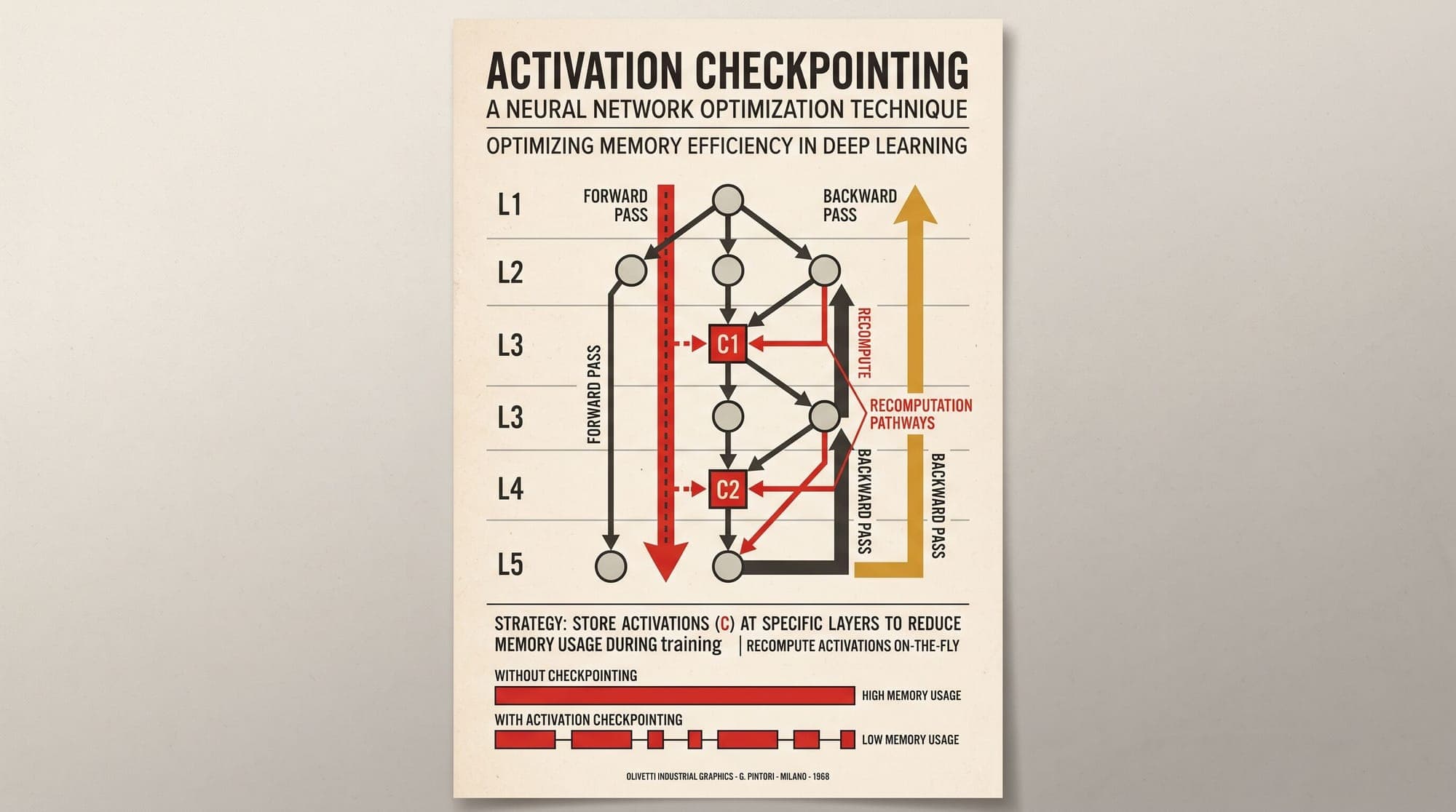
Activation Checkpointing in Large Language Models: How Selective Recomputation Eliminates Memory Bottlenecks
Large language model pre-training and fine-tuning are fundamentally constrained by GPU memory (VRAM). While distributed techniques such as Fully Sharded Data Parallel (FSDP), ZeRO, and Tensor Parallelism successfully shard model parameters, optimizer states, and gradients across hundreds or thousands of GPUs, activation memory presents a distinct scaling bottleneck. During the forward pass of a transformer model, intermediate tensor outputs must be preserved in GPU memory so that backpropagatio
1 minAnthropic Demonstrates Autonomous De Novo Protein Design and Chemical Analysis with Claude
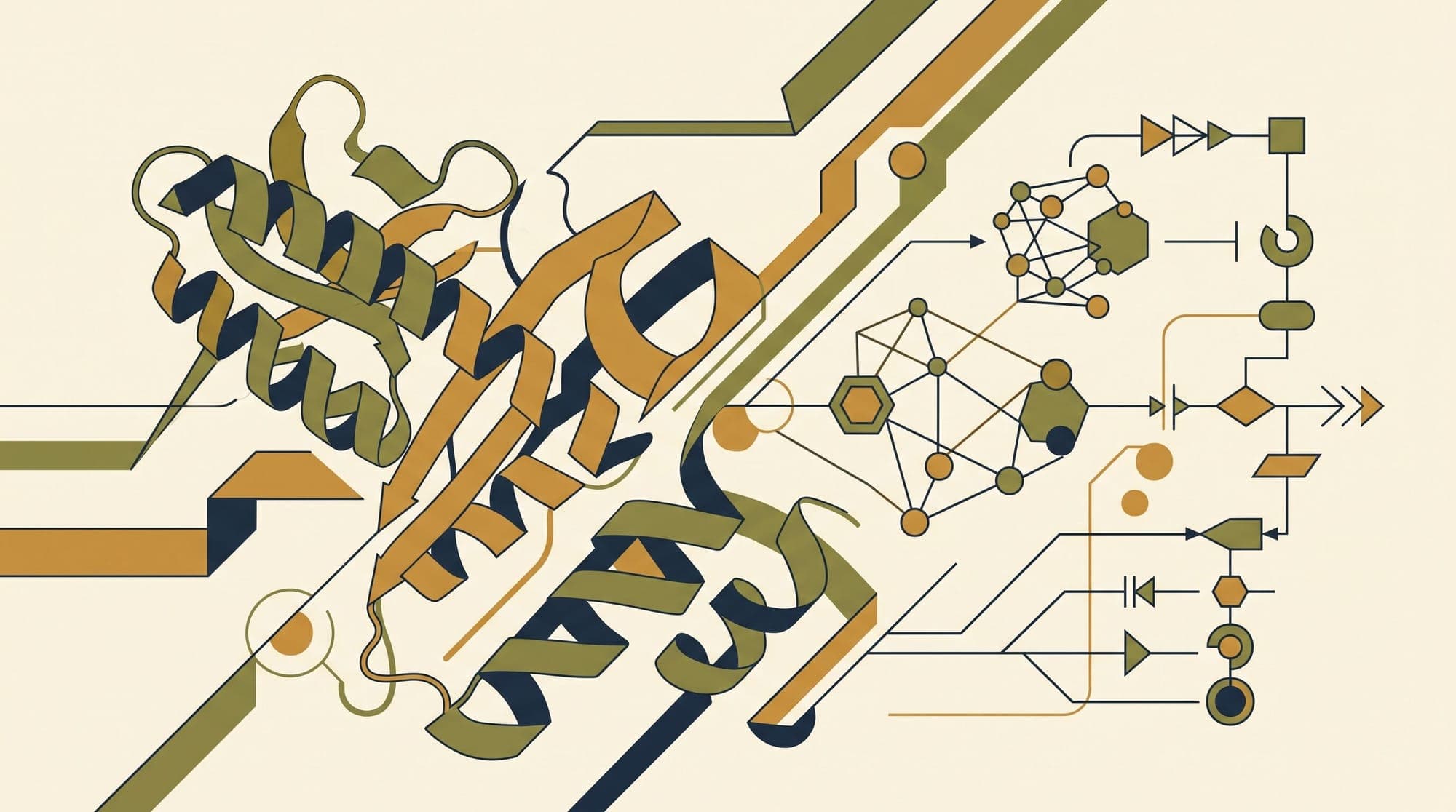
Anthropic Demonstrates Autonomous De Novo Protein Design and Chemical Analysis with Claude Anthropic has published experimental results demonstrating Claude's ability to autonomously design de novo protein binders with physical wet-lab validation and automate complex analytical chemistry workflows. The findings show frontier LLMs acting as autonomous agents across computational biology and molecular characterization pipelines. In the primary experiment, Anthropic evaluated Claude Mythos Previe
1 minCerebras Unveils CS-4 Rack-Scale System Powered by Three WSE-3 Turbo Chips and Nexus Architecture
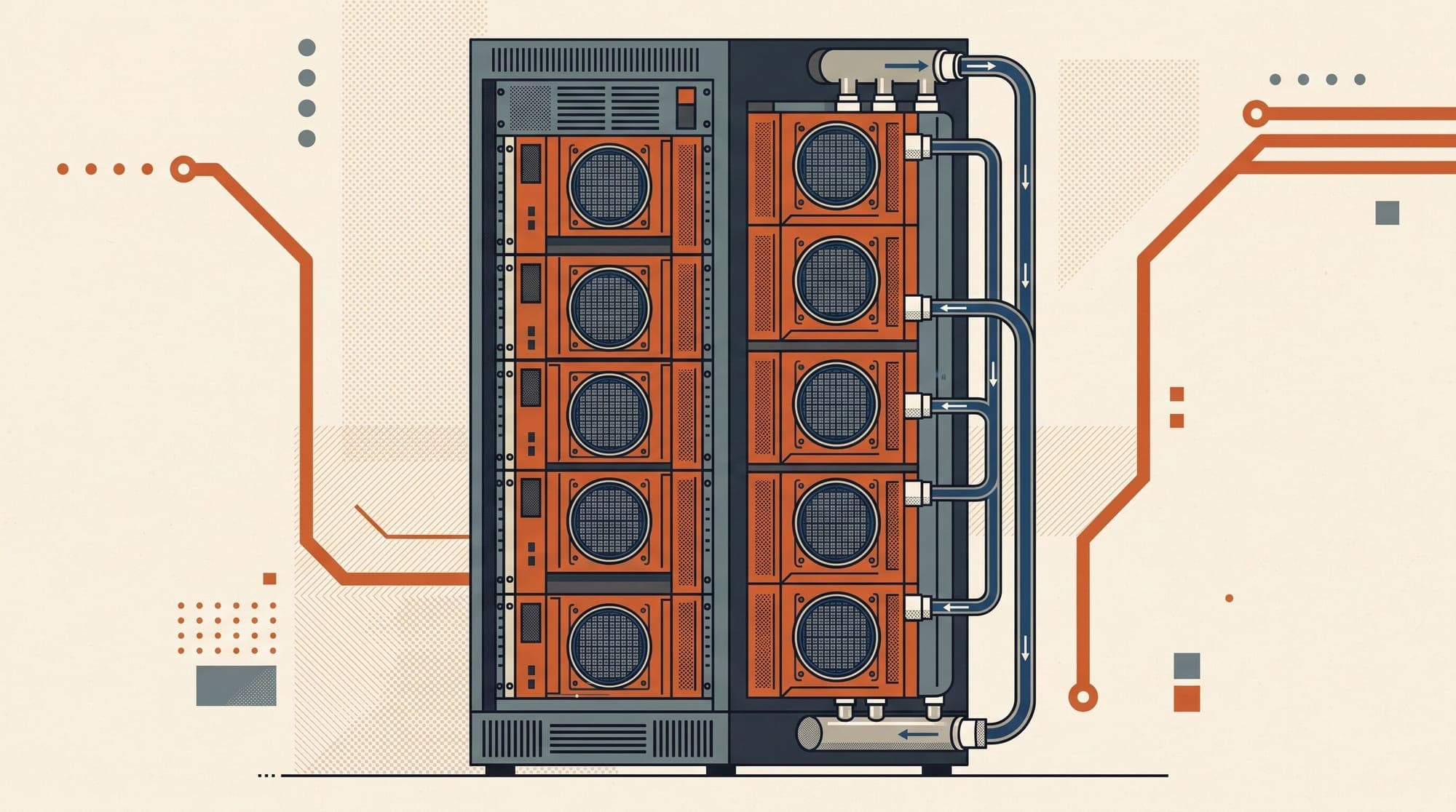
Cerebras Unveils CS-4 Rack-Scale System Powered by Three WSE-3 Turbo Chips and Nexus Architecture Cerebras Systems has announced the CS-4, a rack-scale AI accelerator system designed around three of its next-generation Wafer Scale Engine 3 Turbo (WSE-3 Turbo) chips and a modular hardware architecture dubbed Nexus. Cerebras confirmed that initial customer shipments for the CS-4 are scheduled to begin in the current quarter. The new system marks a structural shift from Cerebras's single-wafer CS
1 min