SandboxAQ has launched Switch, a framework-agnostic coordination layer designed to connect AI agents into existing enterprise chat environments, including Slack, Microsoft Teams, and Discord. The software is publicly available at no cost for self-hosted deployment on internal infrastructure.
Switch addresses the operational fragmentation caused by disparate agent development frameworks. Rather than isolating autonomous assistants within bespoke web interfaces or terminal windows, the platform embeds agents directly into everyday human communication channels.
Shared Rooms and Multi-Framework Interoperability
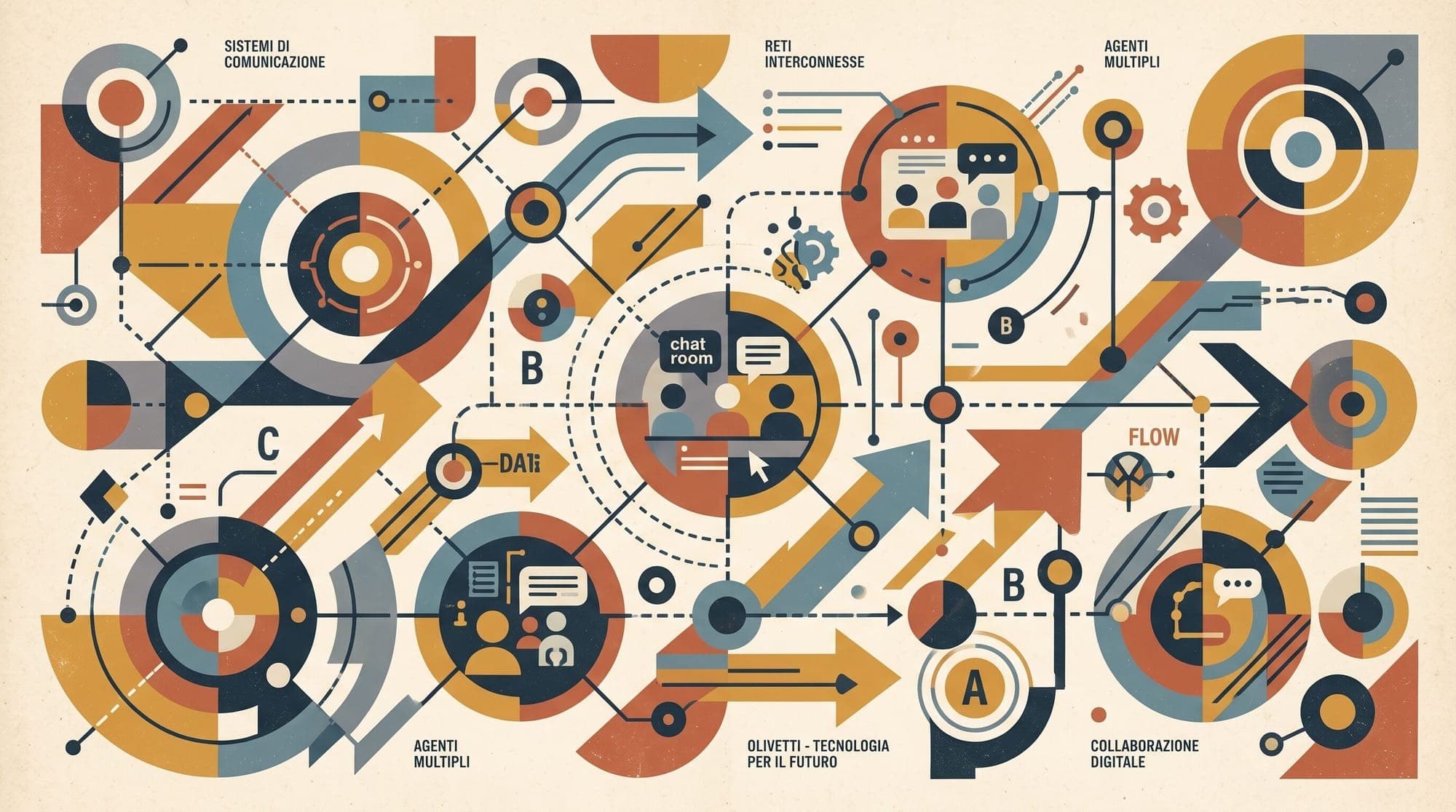
Switch transforms standard chat channels into shared operational workspaces called "rooms." Inside a room, human operators and AI agents share unified conversation history, tool definitions, and contextual memory.
Key technical specifications include:
- Framework Agnosticism: Switch supports agents built on diverse developer frameworks, including Claude Code, Google's Agent Development Kit (ADK), LangChain, and native OpenAI API toolchains.
- Model Context Protocol (MCP) Integration: Connections to tools and underlying models leverage standard APIs and the Model Context Protocol, enabling teams to swap base LLMs or external integrations without refactoring workflows.
- Persistent Context Across Transitions: State and session memory persist as participants join, leave, or hand off intermediate tasks between sub-agents.
- Multi-Room Routing: A single deployed agent can maintain concurrent presence across multiple distinct rooms, applying separate permissions and context boundaries per channel.

Flint AI Ecosystem and Deployment Tiers
Switch represents the second component of SandboxAQ's Flint AI agent tooling suite:
- Flint CLI: A free, local command-line scanner used to evaluate agent performance, safety boundaries, and dependencies on developer workstations prior to deployment.
- Switch Console and Server: A desktop deployment console paired with a self-hosted server architecture that runs entirely on customer-managed hardware or private cloud instances.
- Flint Platform (Upcoming): A planned commercial cloud layer offering automated codebase agent discovery, runtime execution telemetry, and centralized guardrail governance.
Source Availability and Licensing Constraints
The Switch codebase is distributed under the Apache 2.0 license with the Commons Clause condition attached. Under this structure, enterprises may freely download, modify, run internally, and redistribute the software, as well as build private tools on top of it. However, third parties are restricted from packaging and selling Switch as a competing commercial managed service.
The release reflects a growing industry focus on orchestration middleware and agent discovery protocols as enterprises move from prototype evaluation to multi-agent production deployments.