
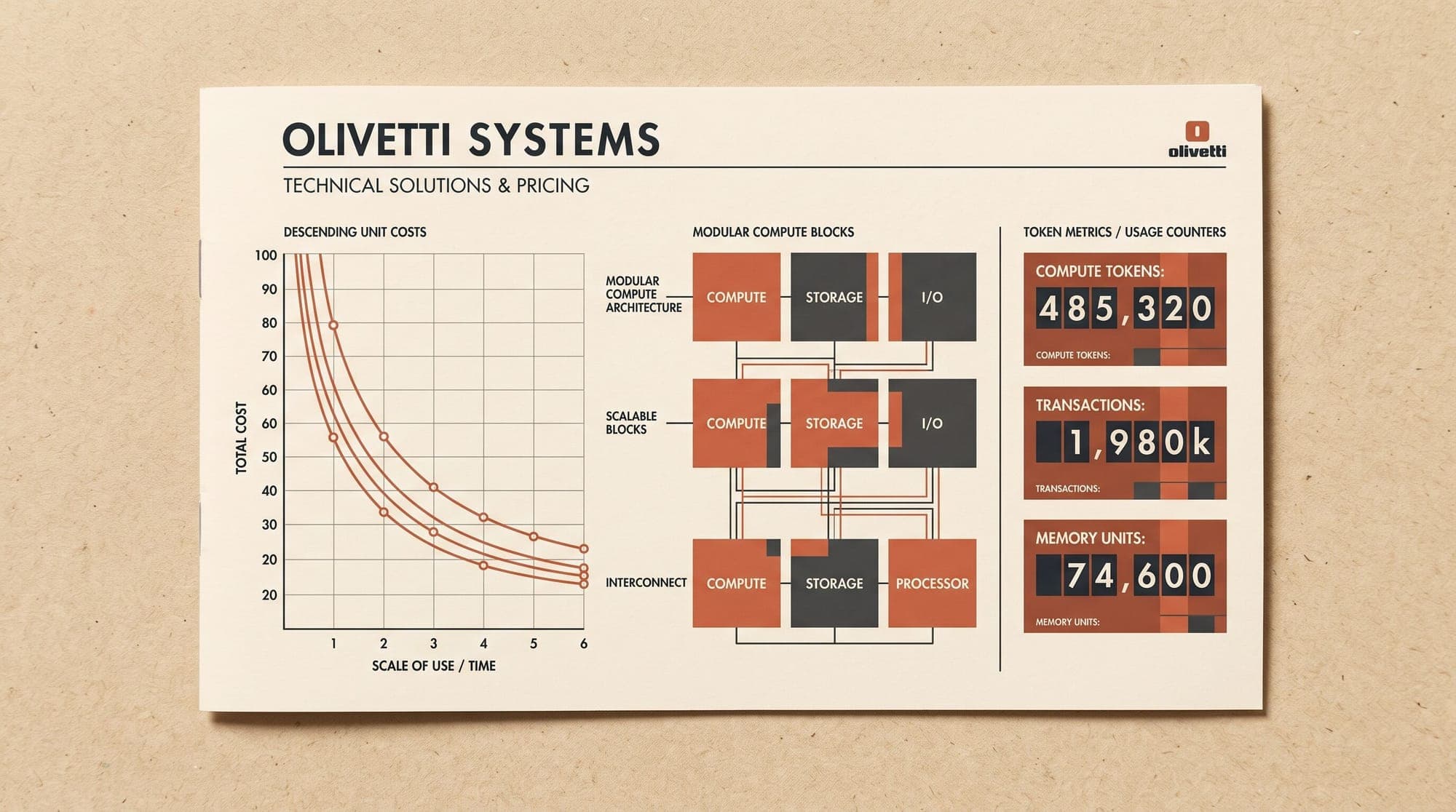
OpenAI has lowered developer pricing for its flagship GPT-5.6 Sol model across its API and developer toolchain for a three-month promotional window. The rate adjustment reduces input token costs by 20% and output token costs by 33.3%, bringing standard short-context inference to $4.00 per million input tokens and $20.00 per million output tokens.
The revision comes amid intensified developer pricing pressure across the frontier model ecosystem, particularly following aggressive pricing from competitive proprietary offerings and open-weight Chinese releases.

Pricing Adjustments Across API and Coding Products
Prior to the reduction, GPT-5.6 Sol commanded $5.00 per million input tokens and $30.00 per million output tokens for short-context queries. Under the revised three-month promotional structure:
- Input Tokens: $4.00 per 1M tokens (20% reduction)
- Output Tokens: $20.00 per 1M tokens (33.3% reduction)
- API and Credit Availability: Applicable across direct API calls and credit-based plans for agentic workflows on ChatGPT Work and Codex
- Consumer Subscriptions: Rates for ChatGPT Plus, Pro, and Business tiers remain unchanged
The price cut applies strictly to developer API and programmatic execution environments, leaving monthly consumer and enterprise end-user seat licenses unaffected.
Frontier Pricing Competition
The discount follows earlier price cuts introduced in late July 2026 for OpenAI's smaller models in the 5.6 family, where GPT-5.6 Terra was reduced by 20% to $2.00 input and $12.00 output per million tokens, and the lightweight GPT-5.6 Luna was slashed by 80% to $0.20 input and $1.20 output per million tokens.
OpenAI's pricing shift positions GPT-5.6 Sol below several competitive tiers in the frontier model landscape:
- Anthropic Claude Fable 5: $10.00 input / $50.00 output per 1M tokens
- Anthropic Claude Opus 5: $5.00 input / $25.00 output per 1M tokens
- OpenAI GPT-5.6 Sol (Promotional): $4.00 input / $20.00 output per 1M tokens
- Z.ai GLM-5.3: $1.40 input / $4.40 output per 1M tokens
The reduction reflects growing margin compression in frontier inference serving as enterprise developers increasingly evaluate price-performance trade-offs across competing reasoning and coding APIs.



