Subscribe
Topic

System Architecture

System design patterns for production LLM apps. Posts cover online evaluation with multi-armed bandit routing, hallucination detection and faithfulness checks for RAG, and sharding for distributed vector search.

Articles

1-3
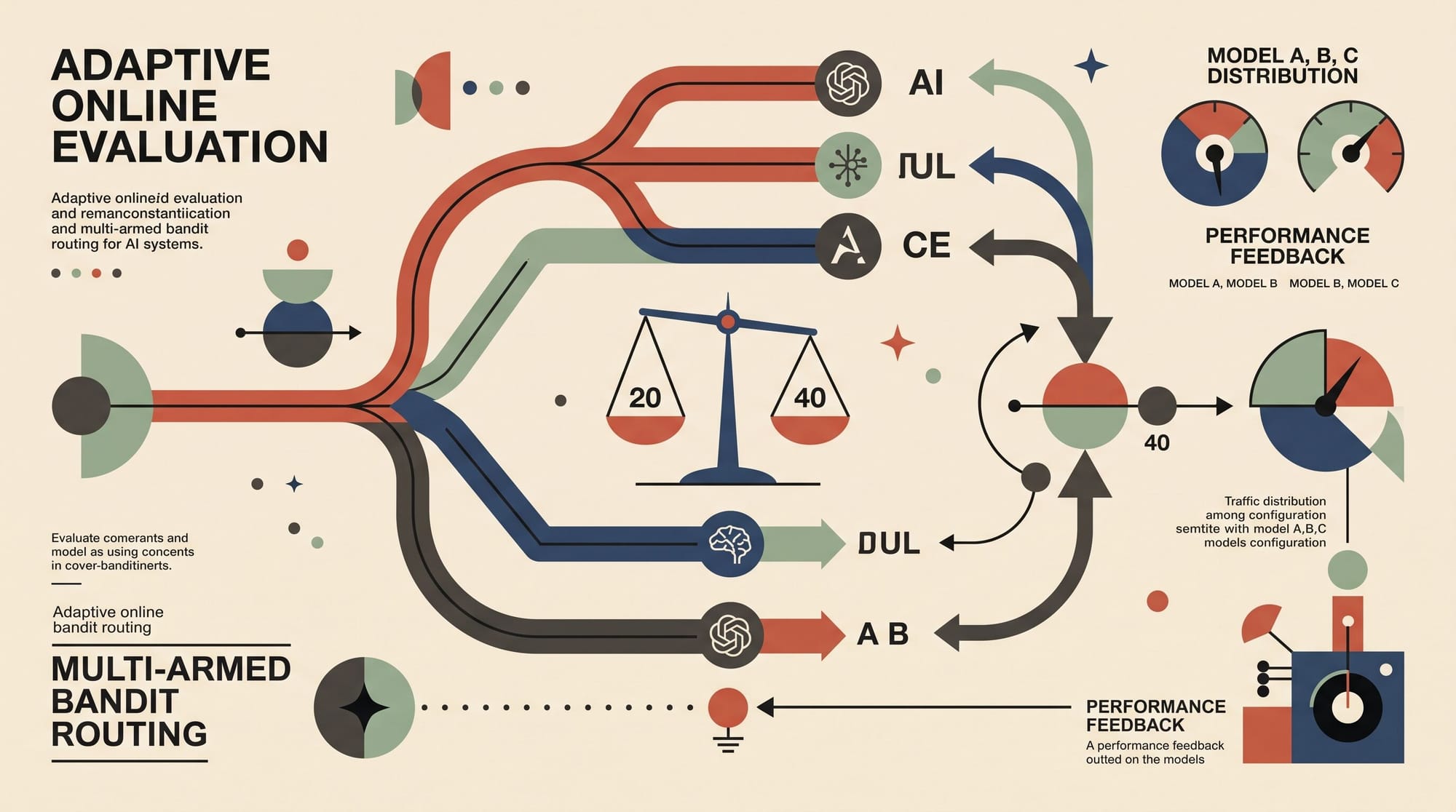
  1. Online Evaluation and Multi-Armed Bandit Routing in Production LLM Systems: Interleaving, Counterfactual Estimation, and Adaptive Traffic Allocation

    Online Evaluation and Multi-Armed Bandit Routing in Production LLM Systems: Interleaving, Counterfactual Estimation, and Adaptive Traffic Allocation Static offline benchmarks such as MMLU, HumanEval, and synthetic LLM-as-a-judge evaluation pipelines have become standard fixtures in modern AI development. However, production engineering teams frequently observe that offline benchmark improvements fail to translate into tangible user satisfaction or business outcomes. Static evaluation suites suf
    AI
    12 min read
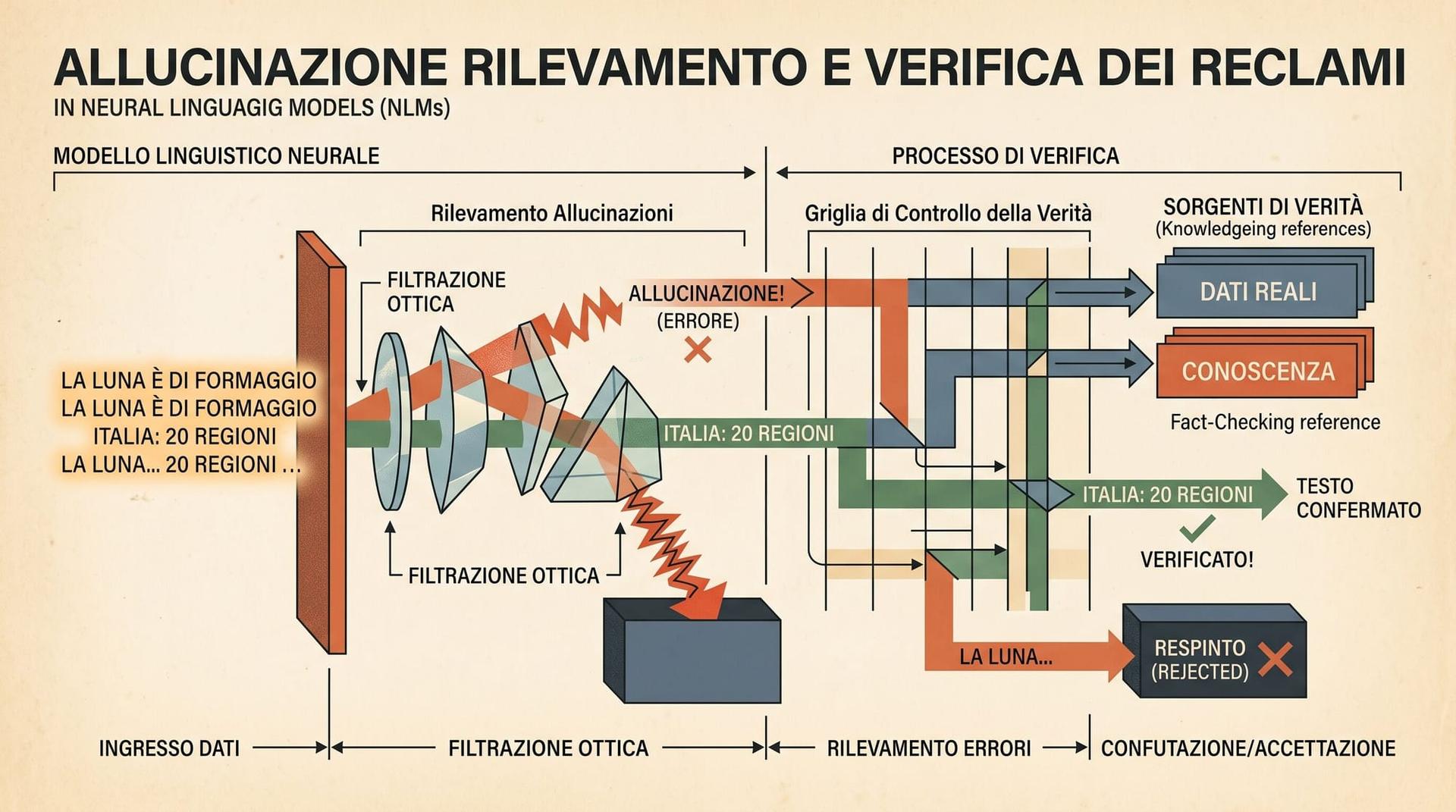
  2. Hallucination Detection and Faithfulness Verification in Production RAG: Architecture, NLI Claim Decomposition, and Runtime Guardrail Economics

    Retrieval-Augmented Generation (RAG) is commonly deployed under the assumption that grounding generation in retrieved passages eliminates factual inaccuracies. In practice, grounding provides an evidence boundary but does not guarantee factual fidelity. For why models hallucinate in the first place, see our AI hallucinations explainer. Production language models regularly synthesize claims absent from the retrieved context (extrinsic hallucinations) or directly assert statements conflicting with

    AI
    6 min read
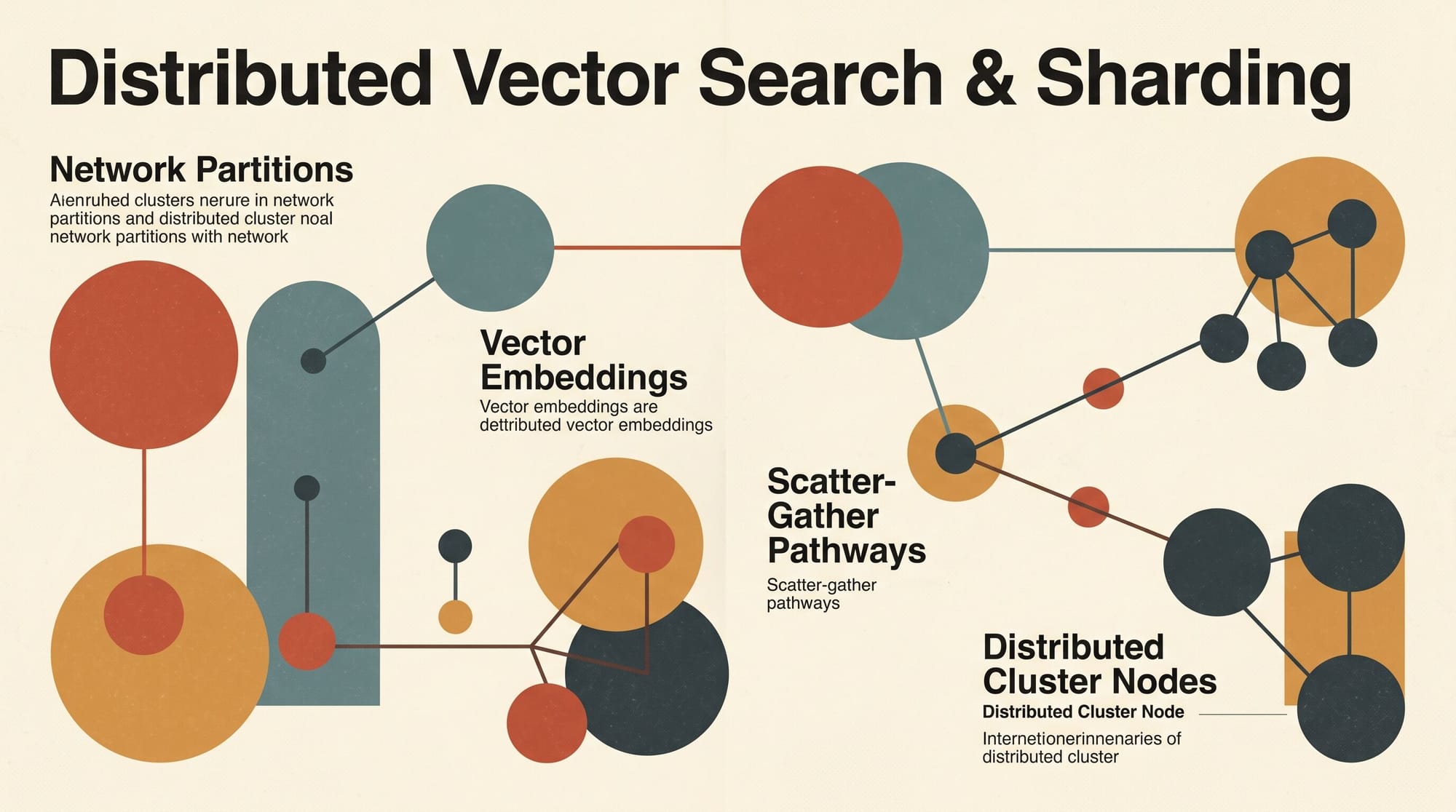
  3. Distributed Vector Search and Sharding Architecture in Production: Horizontal Partitioning, Scatter-Gather Tail Latency, Filter-Aware Routing, and Dynamic Rebalancing

    Scaling vector search beyond tens of millions of high-dimensional embeddings inevitably hits a physical boundary: the single-node memory wall. Because graph-based approximate nearest neighbor (ANN) algorithms such as Hierarchical Navigable Small World (HNSW) require random memory access patterns across graph vertices and high-dimensional vectors, keeping embeddings and index structures in RAM is critical for sub-20ms query latencies. A collection of 100 million 1,536-dimensional float32 vectors

    Vector Search
    8 min read