
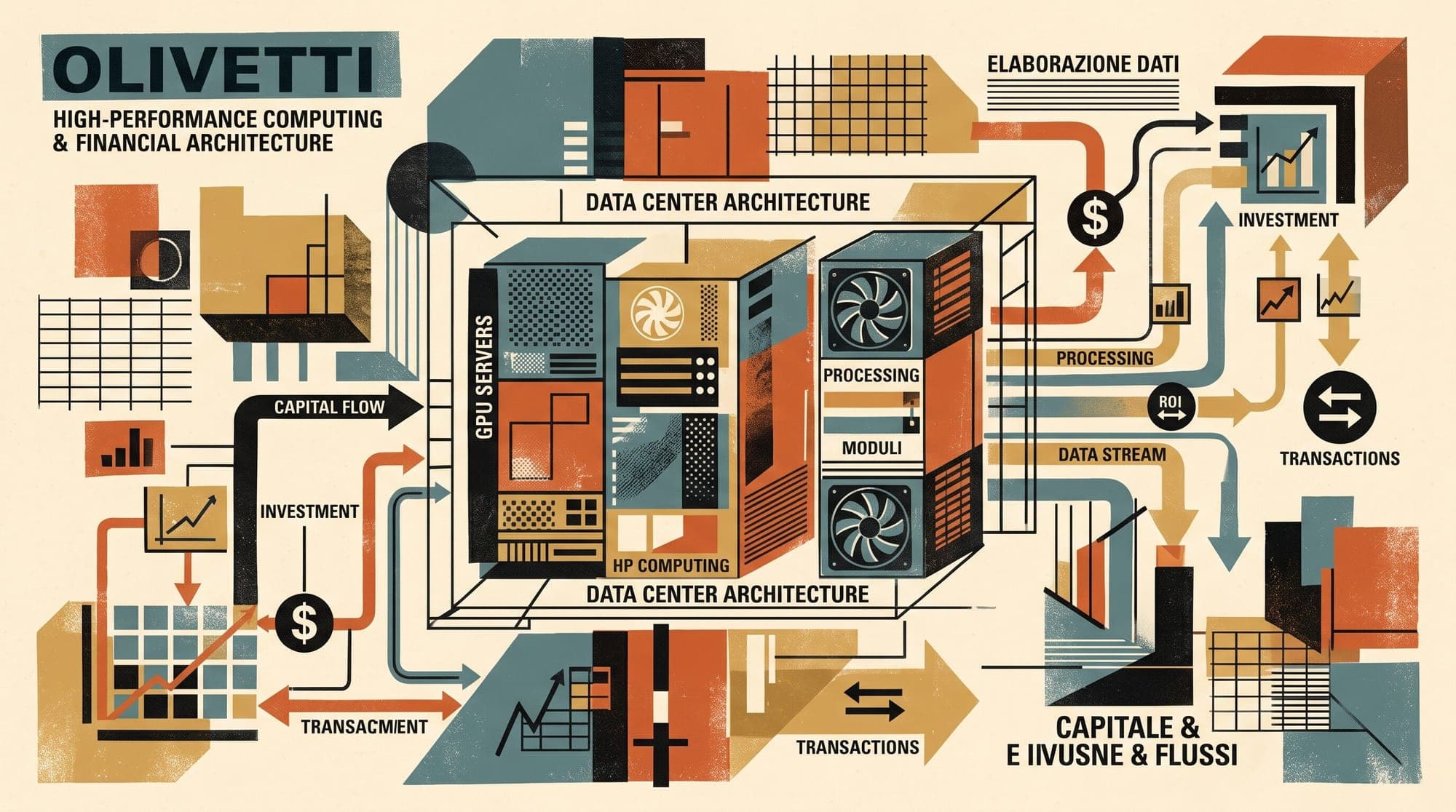
Digital asset exchange operator Bullish has committed a $100 million stablecoin-denominated debt facility to USD.AI, an on-chain lending protocol that issues non-recourse debt collateralized by data center GPU hardware. The financing establishes an institutional credit channel connecting liquid stablecoin capital with the expanding compute infrastructure requirements of modern AI training and inference providers.
Developed by Permian Labs, USD.AI structures asset-backed credit facilities specifically designed around high-performance computing clusters, treating enterprise GPU allocations as physical collateral assets capable of independent cash generation.
Debt Facility Structure and Collateral Mechanics
USD.AI originates non-recourse senior secured loans where borrower liability is strictly limited to the financed hardware and associated operating revenue streams, with springing corporate recourse reserved solely for bad-faith acts or fraud.

The lending architecture relies on a series of risk management and custody controls:
- Special Purpose Vehicles (SPVs): Financed servers are held in bankruptcy-remote legal entities, with USD.AI holding a first-priority security interest across all physical hardware and cashflow accounts.
- Loan-to-Value Parameters: Facilities typically cover 70% to 80% of total equipment acquisition costs, with the borrower funding a 20% to 30% upfront equity payment directly to the server manufacturer. Capital is held in escrow and disbursed only upon physical installation and data center verification.
- Amortization and Reserves: Loans carry a standard 36-month straight-line amortization schedule with zero prepayment penalties. A dedicated working capital reserve covering three months of peak debt service is funded upfront at transaction closing.
- Offtake-Linked Pricing: Interest rates scale from 7% per annum for borrowers with investment-grade compute offtake agreements up to 15% for uncontracted merchant capacity, accompanied by a 3% origination fee.
- Hardware Telemetry Verification: Dedicated on-premises monitoring agents track machine health, cluster uptime, power draw, and GPU utilization throughout the loan term to continuously validate collateral condition.
On-Chain Capital Formation and Liquidity Integration
On the capital supply side, liquidity providers deposit stablecoins to mint USDai, a 1:1 synthetic dollar backed by reserve assets including PayPal USD (PYUSD), short-duration US Treasuries, and cash equivalents.
Depositors seeking yield stake their holdings to mint sUSDai, an interest-accruing token whose value expands relative to USDai by capturing both underlying Treasury yields on reserve balances and variable loan interest paid by compute operators.
As part of the $100 million debt commitment, Bullish will list sUSDai trading pairs on its institutional spot and derivatives exchange, supported by dedicated liquidity and market-making programs. This integration provides a secondary market for compute-backed credit assets and establishes transparent market pricing for tokenized hardware debt.



