
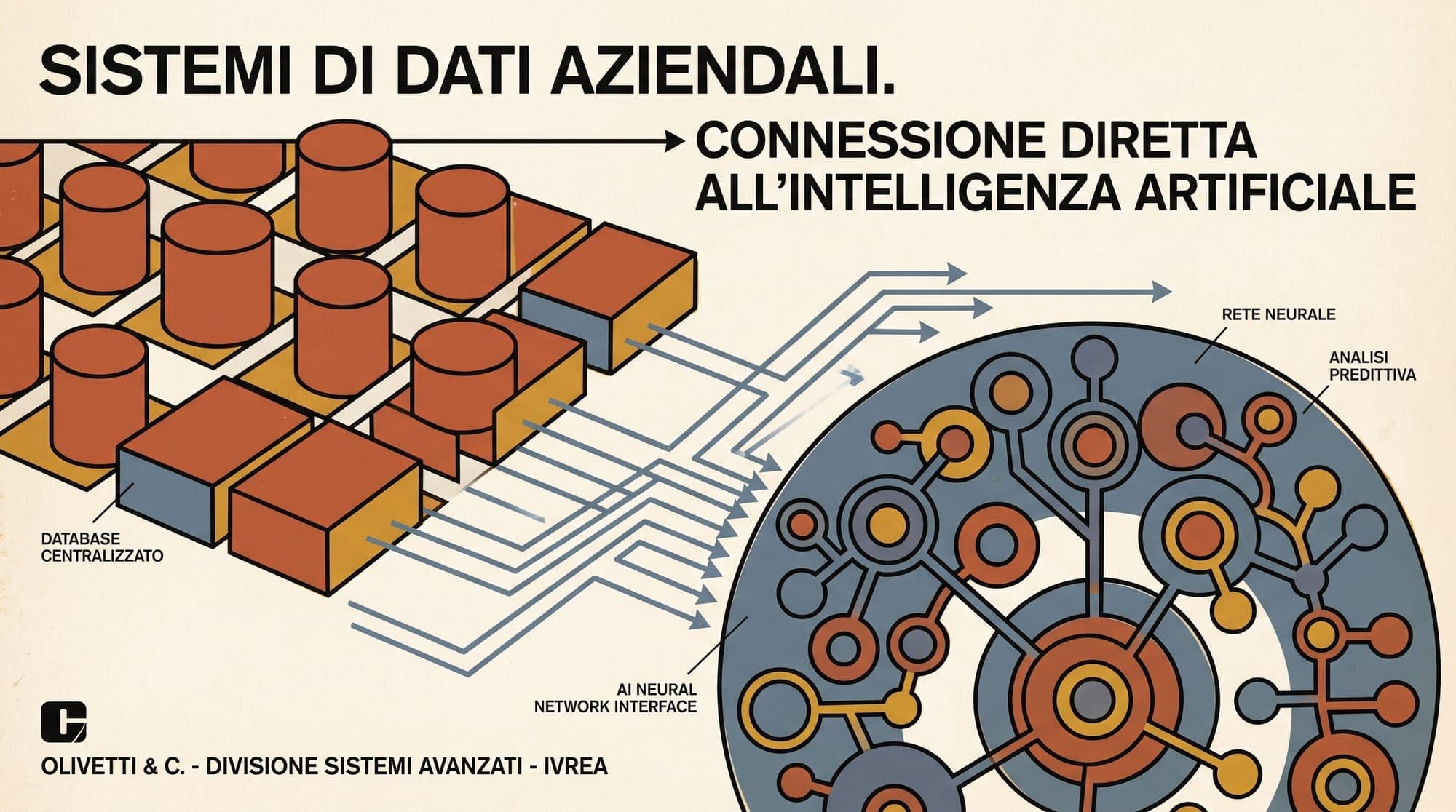
Salesforce and Anthropic have unveiled Claudeforce, an expanded enterprise partnership designed to bring CRM data, business logic, and automated workflows directly into Claude's conversational interface. The core component of the rollout is a plugin dubbed Salesforce in Claude for Claude CoWork, which launches with 37 pre-built sales skills.
The integration allows sales representatives and knowledge workers to query pipeline metrics, summarize meeting histories, inspect deal health, and execute record updates inside Claude without opening the traditional Salesforce user interface.
Headless Architecture and MCP Integration
The Claudeforce architecture builds on Salesforce's Headless 360 initiative and Anthropic's Model Context Protocol (MCP). Rather than requiring individual employees to configure local MCP server connections, the integration connects at the administrative level with centralized authentication.
When a user instructs Claude to perform a CRM task, the model inspects its available skills to determine the required execution sequence. Queries and record modifications are then passed to Salesforce's MCP server layer.

Access control rules and existing organizational permissions persist across the protocol boundary. Claude can only retrieve, inspect, or modify records that the authenticated user is explicitly authorized to access within Salesforce.
Decoupling the Enterprise UI from Business Logic
The release highlights a broader structural change in enterprise software consumption, where large language model interfaces act as primary interaction layers over legacy system records. Salesforce has positioned the offering around reducing the operational overhead of manual CRM navigation, such as clicking across multiple tabs to aggregate account histories.
The product division also clarifies the boundary between internal-facing workflows and external-facing agents. While Salesforce's Agentforce platform is targeted at autonomous customer-facing tasks, Salesforce in Claude focuses on knowledge-worker assistance.
Beyond the CoWork plugin, the partnership establishes Claude as the default reasoning model across Salesforce's Slack ecosystem, powering Slackbot, Claude Tag conversational participation, and Slack Code.
Commercial Terms and Rollout Schedule
The economic model for Claudeforce uses a split consumption structure:
- Salesforce Licensing: Customers consume tiered API allowances based on their existing Salesforce license editions.
- Anthropic Inference: Model inference tokens are contracted and billed separately through Anthropic.
Salesforce in Claude is currently available to select pilot customers. An open beta release is scheduled for September 2026, with additional pre-built skills for service, marketing, and commerce operations expected in late 2026.



