Anthropic has announced a research preview of the Model Hardware Standard (MHS), an open specification designed to let AI agents discover, interface with, and control programmable physical equipment. The framework extends the software-level capabilities of autonomous models into scientific laboratories, robotics cells, and advanced manufacturing environments.
Originating from a collaborative effort between Anthropic and the Howard Hughes Medical Institute (HHMI) Janelia Research Campus, the project aims to resolve long-standing integration bottlenecks. Traditionally, connecting disparate physical instruments (such as liquid handlers, optical microscopes, and robotic arms) requires weeks of custom software development and proprietary driver wrappers. MHS establishes a unified interface layer that reduces integration timelines from weeks to minutes.

Driver Architecture and Constraint Tagging
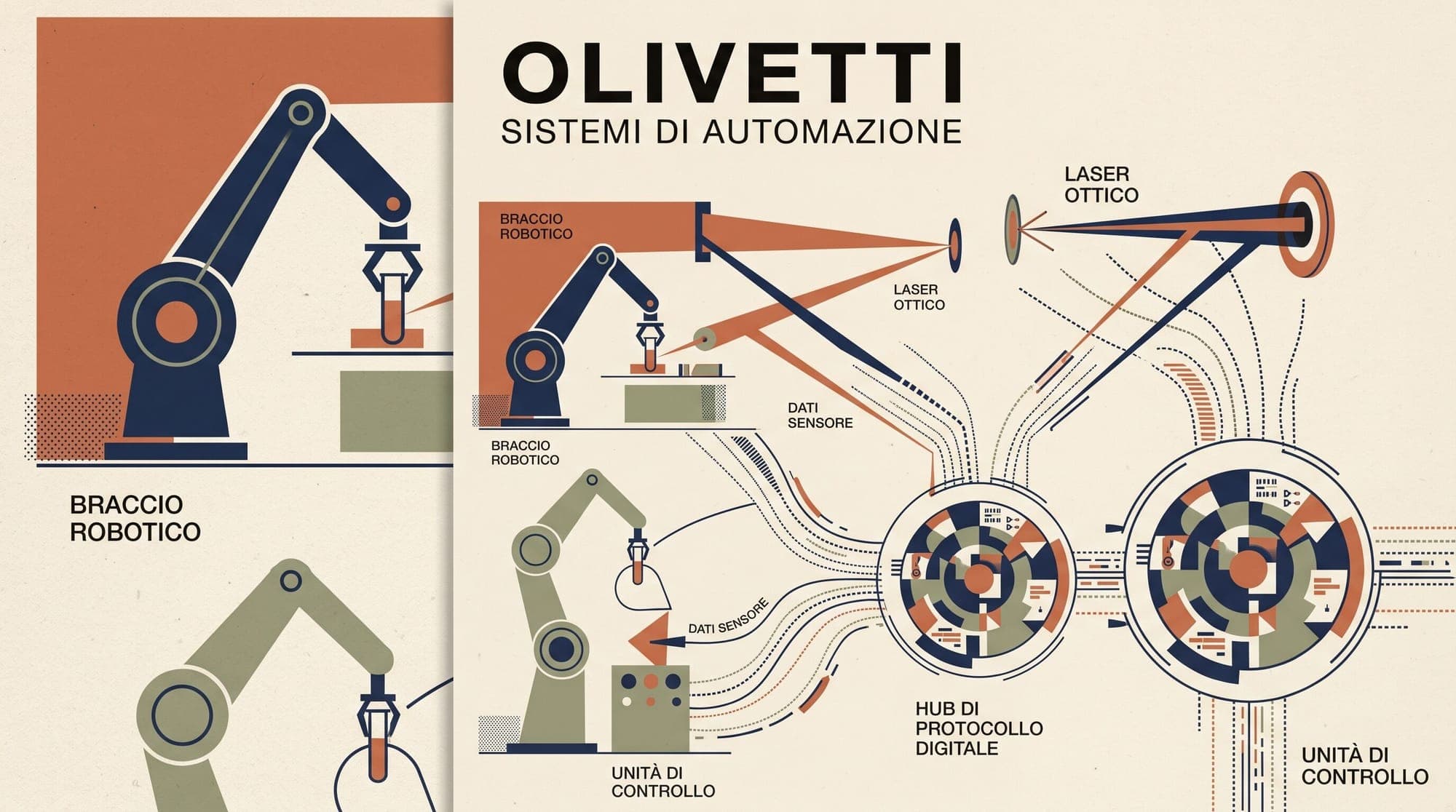
The foundation of MHS is a standardized software driver layer that mediates communication between the host operating system and physical machinery. The driver implements a minimal primitive instruction set, primarily structured around standardized read and write operations. This abstraction exposes equipment capabilities across local networks without requiring bespoke translation modules between each tool.
To address the challenge of language models operating without physical intuition, MHS introduces a metadata tagging system. The specification captures real-world physical constraints and machine attributes:
- Physical dimensions and payload limits: Enforcing operating envelopes, maximum torque, and arm reach.
- Adjustable parameters: Standardizing variable inputs such as pump flow rates, laser wavelengths, or stage velocity.
- Telemetry and measurement outputs: Providing uniform data streams from sensors, cameras, and optical encoders.
- Enforced safety limits: Hard-coded bounds preventing over-extension, collisions, or thermal runaways.
Users can author these tags in natural language directly or via an interactive agent interview. The MHS driver automatically compiles this metadata into a structured reference file, giving the LLM immediate operational context for previously unseen hardware.
Control Interfaces and Hybrid Execution
MHS provides three primary control surfaces for agent orchestration:
- Model Context Protocol (MCP): Enables direct real-time communication between LLMs and connected hardware over standard MCP tool interfaces.
- Command-Line Interface (CLI): Supports direct interactive commands and debugging.
- Script and API Code Generation: Allows models to synthesize deterministic Python or system scripts chaining multiple operations.
When handling high-speed or repetitive physical tasks, models can bypass continuous online reasoning by synthesizing executable API workflows. This allows multi-instrument processes (such as automated plate handoffs or laser alignment routines) to execute at native hardware speed while the model retains supervisory oversight for anomaly detection and dynamic error recovery.
Research Deployments and Industry Partners
Anthropic is running the initial research preview across a consortium of academic labs and robotics companies:
- Genentech: Evaluated automated BCA protein assays requiring coordination across liquid handlers, robotic transfer arms, and plate readers.
- University of Washington (Baker and Pinglay Labs): Deployed agent-supervised qPCR monitoring to track real-time DNA amplification curves and automate safe plate transfers.
- Carnegie Mellon University: Implemented rapid automated dispensing to calibrate precision liquid handling across varied viscosities.
- Robotics and Compute Partners: Collaborating with Amazon Web Services (Strands Robots), Hugging Face (LeRobot), Raspberry Pi, Automata, and Universal Robots to validate safety benchmarks.
Anthropic stated that MHS is model-agnostic and will be released as an open-source standard following the conclusion of safety evaluations during the research preview.