
Amazon Web Services has announced that it will permanently shut down Amazon Mechanical Turk on September 30, 2026. The retirement brings an end to a 21-year-old crowdsourcing platform that served as an early foundation for modern machine learning dataset annotation and human-in-the-loop computing.
In a formal notice posted to the Mechanical Turk portal, AWS stated that the decision followed an internal assessment of its service portfolio. The platform had previously halted new customer registrations in July 2026 when AWS moved it to its "Services in Maintenance" roster.
"Following an assessment, we've made the decision to close AWS Mechanical Turk, effective September 30, 2026."
- Amazon Web Services Notice
The Origins of "Artificial Artificial Intelligence"
Launched in November 2005 under the leadership of Amazon founder Jeff Bezos, Mechanical Turk (MTurk) was designed to solve computational bottlenecks by delegating discrete digital tasks to distributed human workers. Bezos coined the term "artificial artificial intelligence" to describe software systems that programmatically invoked human cognition via web APIs to complete tasks that classical software could not solve reliably.
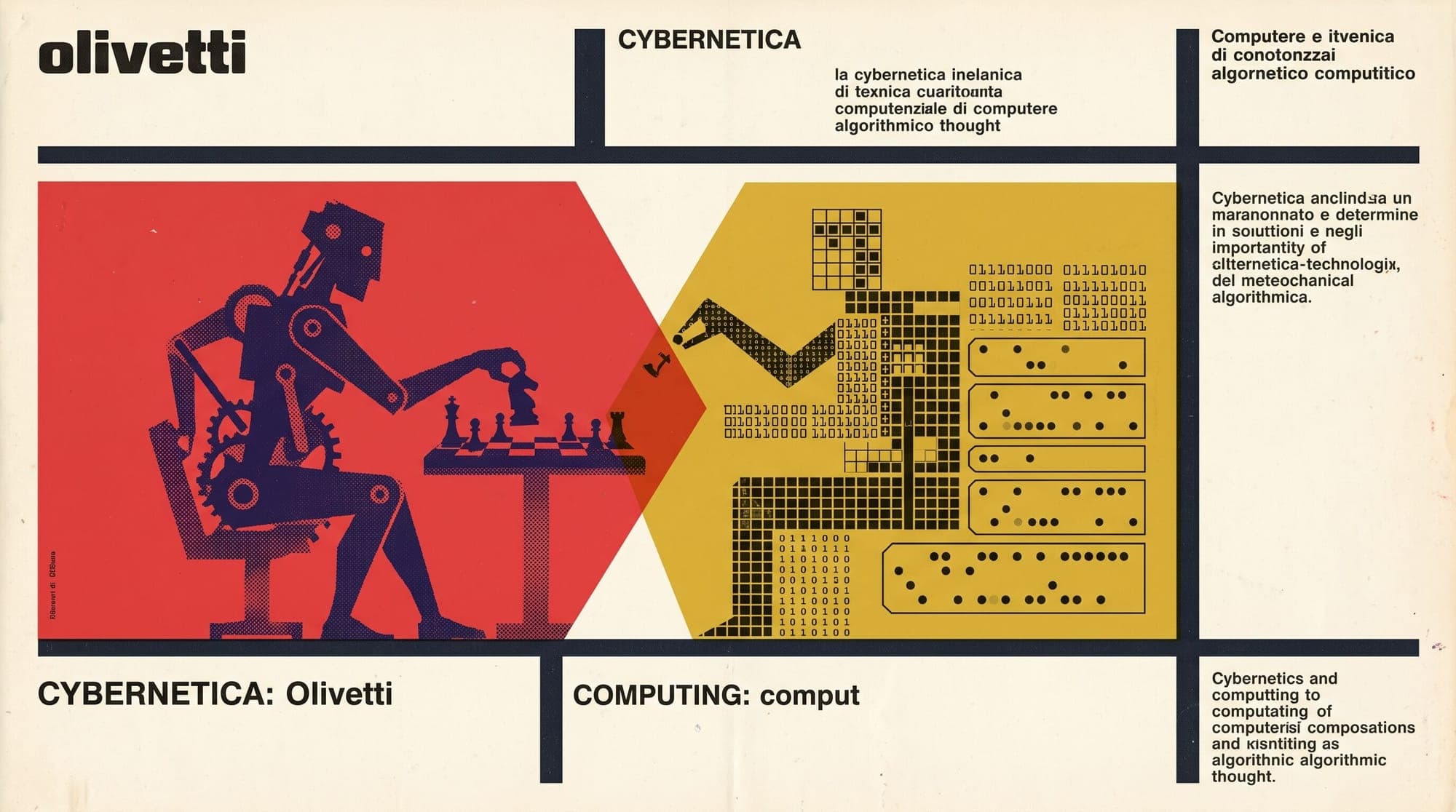
The platform drew its name from Wolfgang von Kempelen's 18th-century chess-playing automaton, which appeared to operate autonomously but concealed a human chess master inside the cabinet. Amazon originally developed the internal infrastructure to identify duplicate product listings and classify catalog items across its e-commerce store before opening the marketplace to external developers and academic researchers.

At its operational peak, Mechanical Turk supported a workforce exceeding 500,000 registered individuals (commonly referred to as "Turkers"). Requesters posted "Human Intelligence Tasks" (HITs) spanning image classification, audio transcription, entity extraction, sentiment labeling, and academic surveys, often paying per-task rates measured in cents.
Transition to Specialized Data Workforces and Synthetic Pipelines
Mechanical Turk became a primary data engine for early computer vision and natural language processing benchmarks, including the pioneering ImageNet dataset. AWS later integrated the workforce into Amazon SageMaker Ground Truth to offer managed data labeling pipelines for enterprise machine learning teams.
However, the dynamics of AI data curation underwent significant structural shifts over the past decade:
- Enterprise Quality and Domain Specialization: Modern frontier LLM alignment, reinforcement learning from human feedback (RLHF), and reasoning benchmarks require verified subject-matter experts (such as software engineers, mathematicians, and legal specialists) rather than anonymous generalist micro-task workers. Specialized providers such as Scale AI, Mercor, and Prolific captured substantial enterprise market share by offering vetting and rigorous quality controls.
- AI Contamination in Crowdwork: The rapid adoption of generative AI introduced systemic quality issues to unvetted micro-task platforms. A 2023 study by researchers at EPFL estimated that between 33% and 46% of crowd workers on text-based Mechanical Turk tasks were utilizing large language models to complete assignments, creating feedback loops of machine-generated text in data collection workflows.
- Synthetic Data Generation: High-throughput synthetic data engines and automated self-play evaluation pipelines have increasingly reduced dependency on raw low-complexity human annotation for baseline pre-training and supervised fine-tuning.
Service Wind-Down Schedule
AWS confirmed that existing customers and workers can continue utilizing the platform until the September 30, 2026 sunset date. After that cutoff, the API endpoints and requester interfaces will be fully deactivated. Organizations with active data-collection pipelines or human review integrations are required to migrate their workflows to alternative data labeling services or custom internal workforces.



